

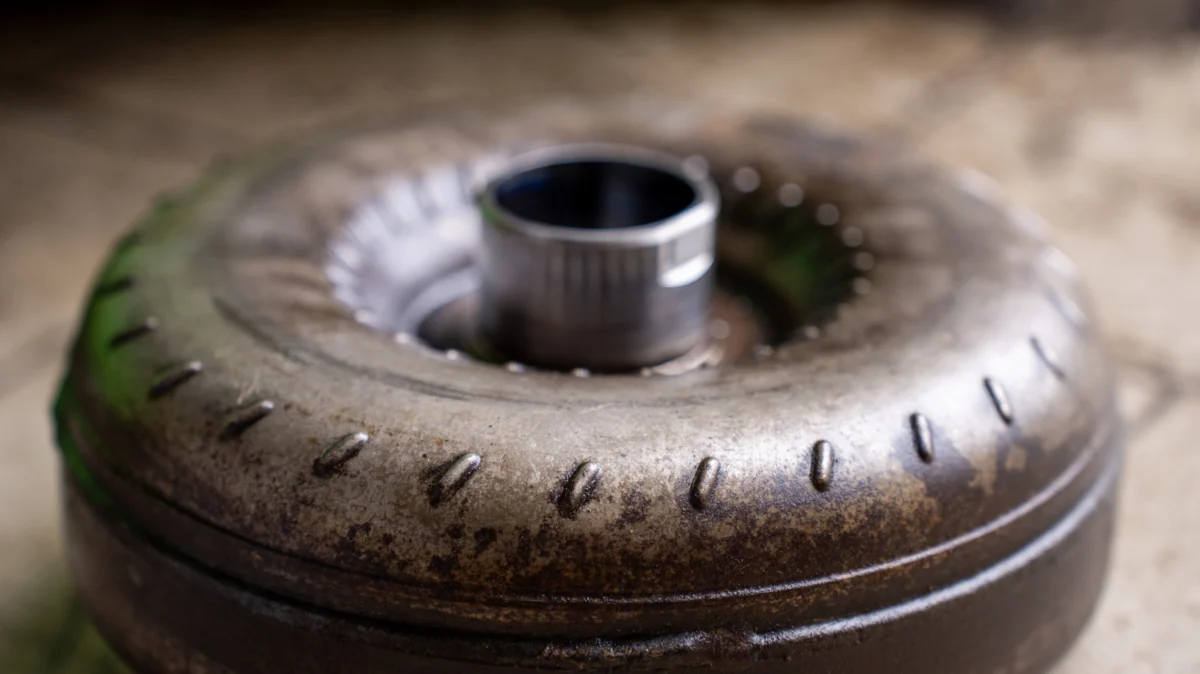
For the average driver, the automatic transmission is a "black box"—a complex mechanical assembly that magically shifts gears without human intervention. At the heart of this system lies the torque converter, a component as vital to the automatic transmission as the clutch is to a manual gearbox. Often described as a "fluid coupling," the torque converter is the bridge between the raw power of the internal combustion engine and the mechanical necessity of the transmission. When it functions correctly, it is seamless; when it begins to fail, the entire driving experience degrades into a symphony of shuddering, slipping, and inefficiency.
The Mechanics: How the "Metal Bagel" Works
To understand failure, one must first grasp the function. The torque converter is essentially a hydrodynamic fluid coupling. Imagine two electric fans facing each other: if you turn one on, the breeze from the first fan will eventually cause the blades of the second fan to spin.
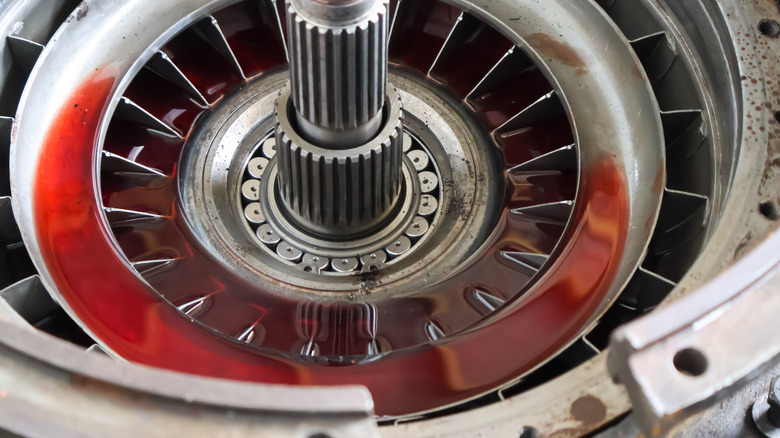
In a vehicle, the torque converter acts as this intermediary. It consists of an impeller (connected to the engine), a turbine (connected to the transmission), and a stator (which redirects fluid to increase efficiency). As the engine spins the impeller, it forces transmission fluid into the turbine, creating the kinetic energy required to move the vehicle. Because this process relies entirely on fluid dynamics, the torque converter allows the engine to remain spinning while the wheels are stopped—essentially acting as an "automatic clutch."
Chronology of Failure: From Minor Glitch to Total Breakdown
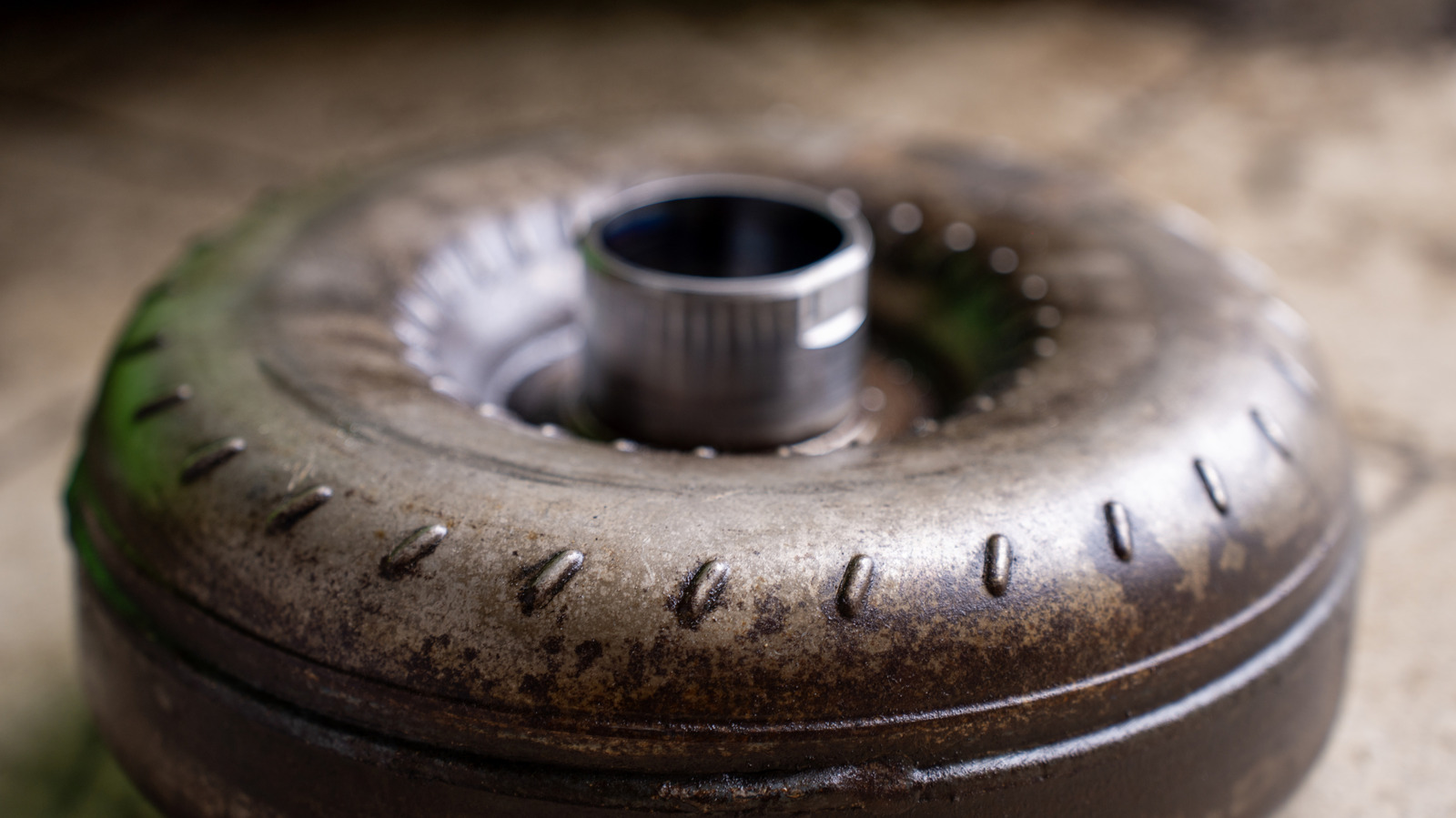
Torque converter degradation is rarely an overnight event. It is a progressive failure that follows a predictable, if frustrating, timeline.
Phase 1: The Subtle Inconsistencies
In the early stages, the failure manifests as "driveability" issues. Drivers may notice a slight loss of throttle response or inconsistent acceleration. The vehicle may feel as though it is "hesitating" before it gathers speed, a sign that the fluid coupling is not achieving the necessary pressure or efficiency to transfer torque effectively.
Phase 2: The "Shudder" and Slippage
As internal wear progresses—often due to a failing lock-up clutch—the driver will begin to feel a distinct shudder, particularly during steady-state cruising or when the transmission attempts to engage its overdrive gear. This is often misdiagnosed as an engine misfire. Gear slippage, where the engine RPMs rise significantly without a corresponding increase in vehicle speed, becomes more frequent.
Phase 3: The Thermal Cascade
Heat is the enemy of the transmission. As the torque converter slips, it generates excessive friction and heat. This thermal buildup causes the automatic transmission fluid (ATF) to break down chemically. Once the fluid loses its lubricating and cooling properties, the damage to the transmission’s internal bushings, seals, and gear sets accelerates exponentially.
Phase 4: Total Immobilization
The final stage is catastrophic failure. Whether it is a snapped turbine blade, a failed lock-up solenoid, or a complete loss of hydraulic pressure, the result is the same: the link between the engine and the wheels is severed. The engine will rev, but the vehicle will remain stationary.
Supporting Data: Why Maintenance is the Primary Variable
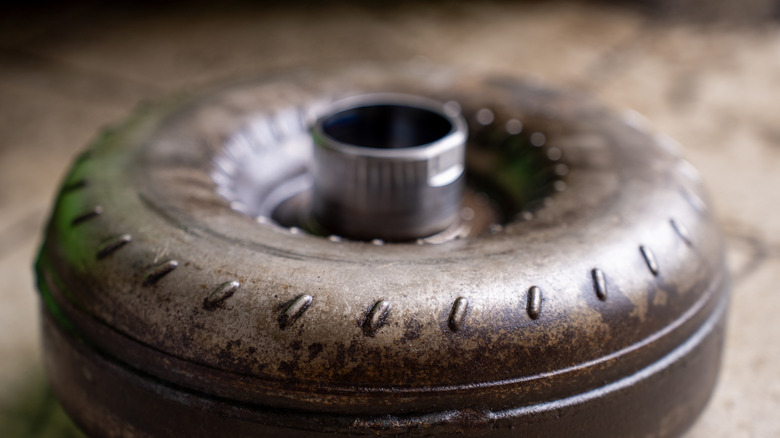
The automotive industry often categorizes torque converters as "lifetime" components, but this is a relative term that assumes ideal operating conditions. Data from automotive service centers indicates that while modern torque converters are engineered to last upwards of 150,000 miles, the actual lifespan is dictated almost entirely by the health of the transmission fluid.
- Fluid Degradation: ATF is not just a lubricant; it is a hydraulic fluid and a coolant. Over 60,000 miles, the fluid accumulates microscopic metal shavings and oxidation products. If this debris enters the torque converter, it can score the internal bearing surfaces.
- The Towing Factor: Vehicles utilized for heavy towing or frequent stop-and-go traffic in hot climates experience fluid temperatures significantly higher than the average commuter car. In these instances, service intervals should be cut by 50%—moving from 60,000 miles to 30,000 miles.
- The Cost of Neglect: A preventative transmission fluid flush costs a few hundred dollars. Replacing a failed torque converter—which requires removing the entire transmission from the vehicle—often costs between $2,000 and $5,000 depending on the vehicle’s make and model.
Diagnostic Indicators: What to Look For
Technicians and enthusiasts look for a specific set of red flags when diagnosing a torque converter:
- Discolored Fluid: If the transmission dipstick reveals fluid that is dark brown or smells like burnt toast, the torque converter is likely overheating.
- Increased Idle RPM: If the engine struggles to maintain a smooth idle or experiences erratic fluctuations when the vehicle is in "Drive" but held by the brakes, the converter may be failing to decouple properly.
- High RPM/Low Speed: If the car feels like it is "straining" to keep up with highway speeds, the lock-up clutch may be failing to engage, forcing the engine to work significantly harder than intended.
Implications for Vehicle Ownership
The modern automotive market has seen a shift toward "sealed" transmissions, where manufacturers claim no fluid service is required for the life of the vehicle. However, independent mechanics and transmission specialists warn that this is a dangerous marketing tactic.
The Myth of "Lifetime" Fluid
The "lifetime" of a vehicle, in the eyes of an automaker, often ends at the expiration of the powertrain warranty. By ignoring the transmission fluid, the owner may ensure the car survives the first 60,000 to 100,000 miles without issue, but they are significantly shortening the long-term viability of the drivetrain.
Strategic Recommendations for Owners
- Monitor the Fluid: Even if the manufacturer claims it is sealed, find a way to check the fluid condition. If the fluid is dark, change it.
- Listen to the Drivetrain: A healthy transmission should be near-silent. A "whirring" or "humming" sound originating from the bellhousing area is often the sound of a pump struggling to build pressure within the converter.
- Avoid "Neutral Drops": Never shift from Neutral to Drive while the engine RPMs are elevated. This creates a massive shock load on the torque converter’s internal vanes, leading to premature mechanical failure.
Conclusion: A Proactive Approach to Transmission Health
The torque converter is a testament to the ingenuity of fluid dynamics, turning the chaotic power of an engine into the smooth, controlled momentum of a modern vehicle. Because it is hidden behind the engine and inside the transmission casing, it is easy to forget. However, by acknowledging that the torque converter is a mechanical component subject to heat, friction, and wear, owners can shift their mindset from reactive repair to proactive maintenance.
While a failing torque converter is indeed a "pricey repair," it is also a largely preventable one. By adhering to rigorous fluid service intervals and paying close attention to the early warning signs of shuddering and slippage, drivers can ensure their transmission continues to deliver smooth, reliable power for hundreds of thousands of miles. In the world of automotive longevity, the difference between a minor service and a major overhaul is often found in the simple, regular maintenance of the fluid that keeps the "metal bagel" spinning.











