Nana
Nana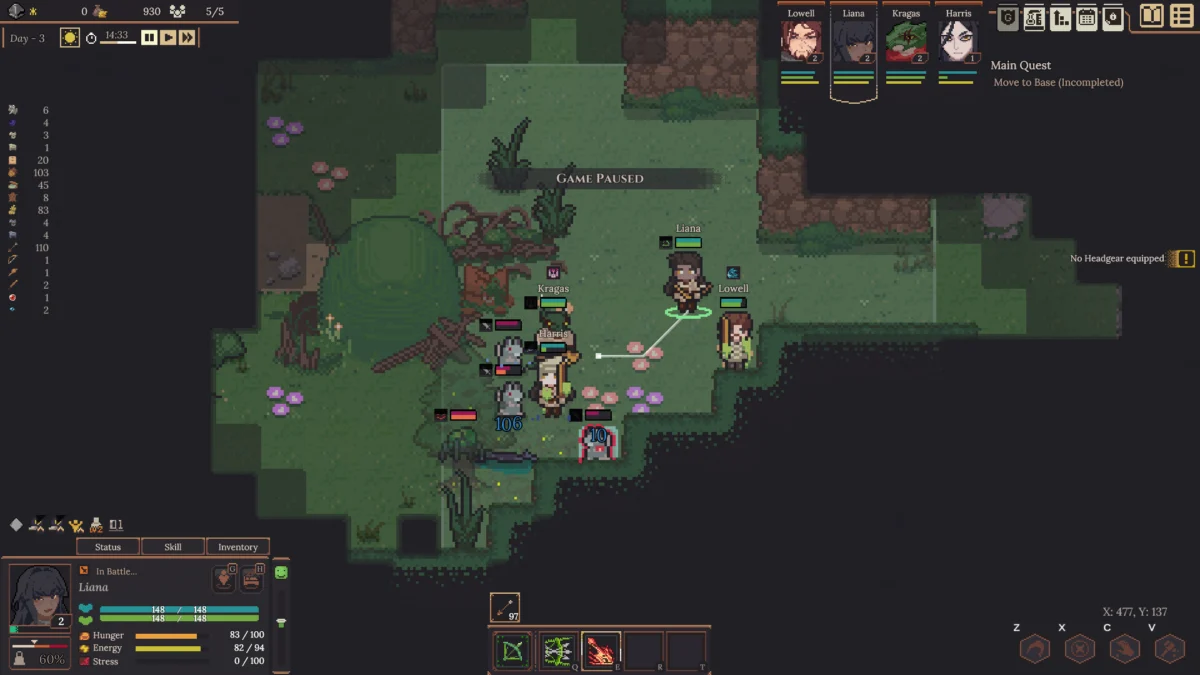
Steam Next Fest is an annual ritual for PC gamers—a week-long digital bazaar where thousands of demos vie for attention. Amidst the clamor of high-budget marketing campaigns and viral indie hits, it is easy for gems to go unnoticed. Occasionally, however, a title emerges that defies simple categorization, hooking the player with a gameplay loop so tight that hours vanish in the blink of an eye.
Dungeon Settlers, a dark fantasy strategy title, is precisely that kind of discovery. Fusing the logistical satisfaction of colony management with the high-stakes tension of tactical dungeon crawling, the game has emerged as the sleeper hit of the most recent festival.
The Core Concept: A Tale of Two Worlds
At its fundamental level, Dungeon Settlers places the player in the role of an expedition leader commissioned by a powerful Guild. The mission is simple in scope but gargantuan in difficulty: locate and neutralize a subterranean menace that has plagued the region with endless calamities. To succeed, the player must balance two distinct but codependent layers of gameplay.
The first layer is the management of a fledgling settlement in a hostile, desolate wilderness. Players are tasked with building the infrastructure necessary to sustain life—bedrooms, dining halls, workshops, and research labs. The second layer involves assembling and equipping specialized adventurer parties to delve into the procedurally generated depths of the titular dungeon.

The brilliance of the design lies in the symbiosis between these two pillars. A successful dungeon run provides the rare resources and artifacts needed to expand the settlement; a well-managed, technologically advanced settlement provides the gear and training necessary to survive deeper, more lethal dungeon floors.
A Chronology of Discovery: From Demo to Obsession
The trajectory of Dungeon Settlers during the recent Steam Next Fest was one of quiet acceleration. Early in the week, it sat as a modest entry in a crowded genre space. However, as players began to engage with the demo, the discourse shifted.
- Initial Engagement: Players were initially drawn in by the visual aesthetic—a dark, gritty fantasy style that evokes classic RPG sensibilities.
- Systemic Realization: As players moved past the tutorial phase, they realized the game was not a standard "base builder." The realization that the settlement was merely a logistical springboard for RPG-style combat caused a surge in positive sentiment.
- The "Just One More Run" Factor: By mid-week, community hubs were filled with anecdotes regarding the game’s addictive quality. The ability to pause combat allowed for a level of strategic depth that resonated with fans of turn-based tactics, even though the game operates in real-time.
- Refining the Loop: As the week concluded, the discourse centered on the game’s potential for long-term replayability, with many users noting that the procedurally generated dungeons ensured that no two sessions felt identical.
Supporting Data: Why the Mechanics Work
The success of Dungeon Settlers is rooted in its deliberate design choices, which strip away the bloat often found in similar titles.
Streamlined Colony Management
If RimWorld is a complex simulator of human social dynamics, Dungeon Settlers is a streamlined machine of efficiency. The developers have opted for an automated approach to basic needs. Settlers will independently prioritize eating, sleeping, and routine maintenance, freeing the player to focus on high-level strategic decisions: resource allocation, research priority, and expedition logistics. This reduction in "micro-management fatigue" is a significant factor in the game’s approachable nature.

The Tactical Depth of Combat
The combat system eschews the traditional "mana bar" in favor of cooldown-based mechanics. This shift is critical: it forces the player to be aggressive and tactical, preventing the "resource hoarding" playstyle that can make RPG combat feel stagnant. Because every ability has a cooldown, the flow of battle is constant, requiring players to manage their party’s positioning and ability usage dynamically.
Key tactical elements include:
- Weapon-Specific Abilities: A warrior’s role is defined by their gear. A mace wielder functions differently than a sword user, creating a layer of party composition strategy that feels meaningful.
- Status Effect Synergy: The game rewards the clever use of burning, bleeding, stunning, and vulnerability. Combat is not about raw stats; it is about setting up a chain reaction of effects that can dismantle even the toughest foes.
- Environmental Interaction: With a day-night cycle affecting visibility and dungeon modifiers changing the rules of engagement, players are constantly forced to adapt their tactics to the environment.
Perspectives from the Frontline: Early Impressions
While the developers have remained relatively quiet, focusing their efforts on the feedback loop of the demo, the response from the player base has been overwhelmingly analytical. Early testers have praised the game’s "tactical responsiveness." One prominent community member noted, "The ability to pause in real-time combat is the glue that holds the tactical elements together. It removes the panic factor and allows for genuine strategic planning."
However, the feedback is not purely celebratory. The community has identified several "rough edges" that require refinement before a full release. Specifically, the deconstruction of buildings—a necessity for base expansion—is currently described as "cumbersome." Similarly, healing mechanics outside of combat currently demand a level of manual input that some players feel detracts from the overall flow of the game.

Implications for the Genre
The success of Dungeon Settlers signals a shift in the survival/management genre. Players are increasingly showing a preference for games that respect their time by automating repetitive tasks while simultaneously deepening the strategic payoff.
The game’s existence suggests that the future of the genre lies in "hybridization." By grafting the party-based progression of a dungeon crawler onto the structural foundation of a city-builder, Dungeon Settlers has created a blueprint that other indie developers will likely seek to emulate.
Looking Toward the Horizon
As the team behind Dungeon Settlers prepares for the next phase of development, the primary challenge will be maintaining this delicate balance. If they can successfully streamline the remaining clunky UI elements and refine the mid-to-late game progression, they have a genuine chance of becoming a breakout hit upon full release.
For now, the game stands as a testament to the power of the "Steam Next Fest discovery." It proves that in an industry often dominated by sequels and massive marketing budgets, there is still significant room for a well-conceived, mechanically sound indie project to capture the hearts and minds of the gaming public.

Whether one is a veteran of colony management games or a newcomer looking for a tactical challenge, Dungeon Settlers is a title that deserves to be on every strategy fan’s wishlist. It is a reminder that the best gaming experiences are often the ones you didn’t know you were looking for, hidden deep within the dark, procedurally generated corners of a humble demo.


 Asro
Asro
 Muslim