

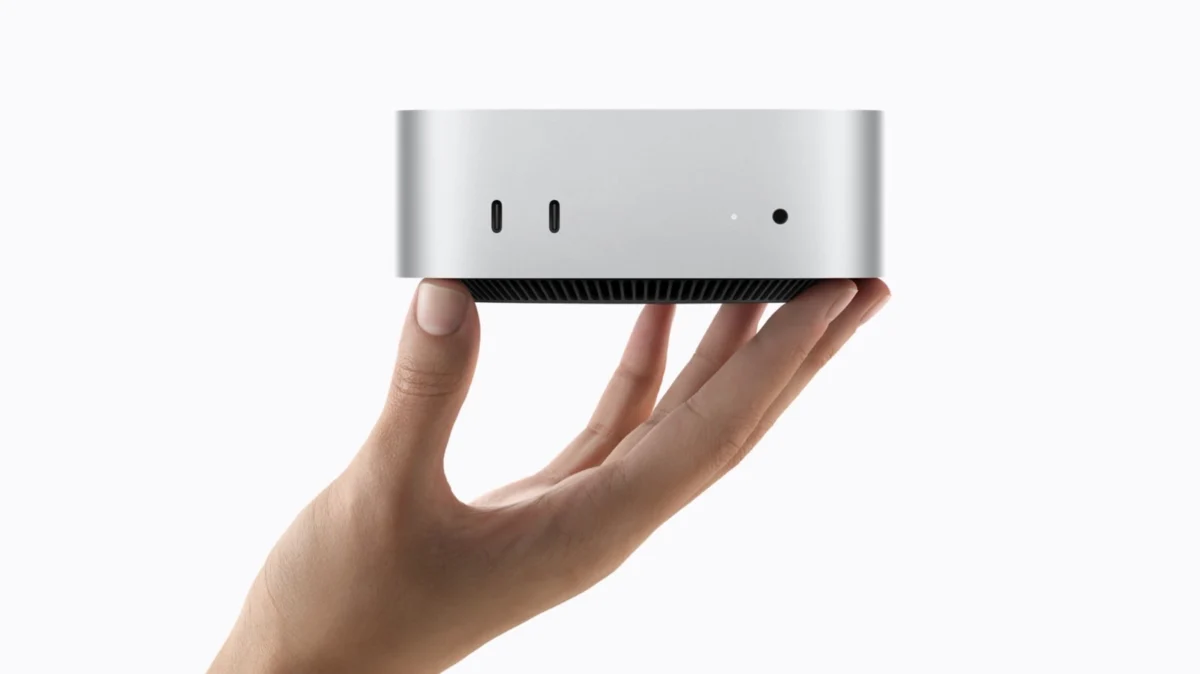
In the intricate ecosystem of Apple Silicon, the traditional rules of consumer electronics—where newer always equates to "better" and "more expensive"—are being rewritten. With the recent, surprise announcement of the latest Mac mini lineup, Apple has presented a curious choice for consumers: a base-model Mac mini featuring the brand-new M6 chip starting at $899, and a significantly more powerful, albeit older, M5 Pro configuration starting at $1,699.
This price discrepancy has left many prospective buyers questioning the value proposition. Is the M6, with its cutting-edge architecture, the superior choice, or does the raw, high-performance pedigree of the M5 Pro justify the near-double entry cost? To understand this, we must look beyond the marketing labels and delve into the technical reality of Apple’s silicon strategy.
The Chronology of Apple’s Silicon Rollout
To grasp why these two machines exist in the same market space, one must view them through the lens of Apple’s release cycle. The M5 Pro, which debuted in March, was designed as a high-performance workhorse, specifically engineered for professional-grade workflows. It sits in a different tier of the Apple Silicon hierarchy, intended to bridge the gap between consumer-level hardware and the ultra-premium Mac Studio.
Conversely, the M6 is the latest iteration of Apple’s entry-level silicon. Its design philosophy prioritizes efficiency and architecture-level advancements, utilizing a new 2-nanometer process. By releasing the M6 within the compact Mac mini chassis, Apple is effectively democratizing the latest architectural gains—such as better thermal management and improved energy efficiency—for the general public.
The confusion stems from the fact that these two machines were updated simultaneously. While the M6 is "new" in the sense that it is a newer generation of chip design, the M5 Pro remains a "pro-class" component. In the world of high-end computing, an older "Pro" chip often retains a higher computational ceiling than a brand-new "Standard" chip.
Technical Breakdown: Power vs. Efficiency
The crux of the price difference lies in the raw hardware specifications. When comparing the M6 to the M5 Pro, we are essentially comparing a highly efficient sprinter to a heavy-duty marathon runner.
CPU Architecture and Multitasking
The M6 architecture is built for balance. It features a configuration of two "super" cores, four performance cores, and six efficiency cores. This 12-core design is incredibly efficient, perfect for the vast majority of users who balance web browsing, streaming, and document management.
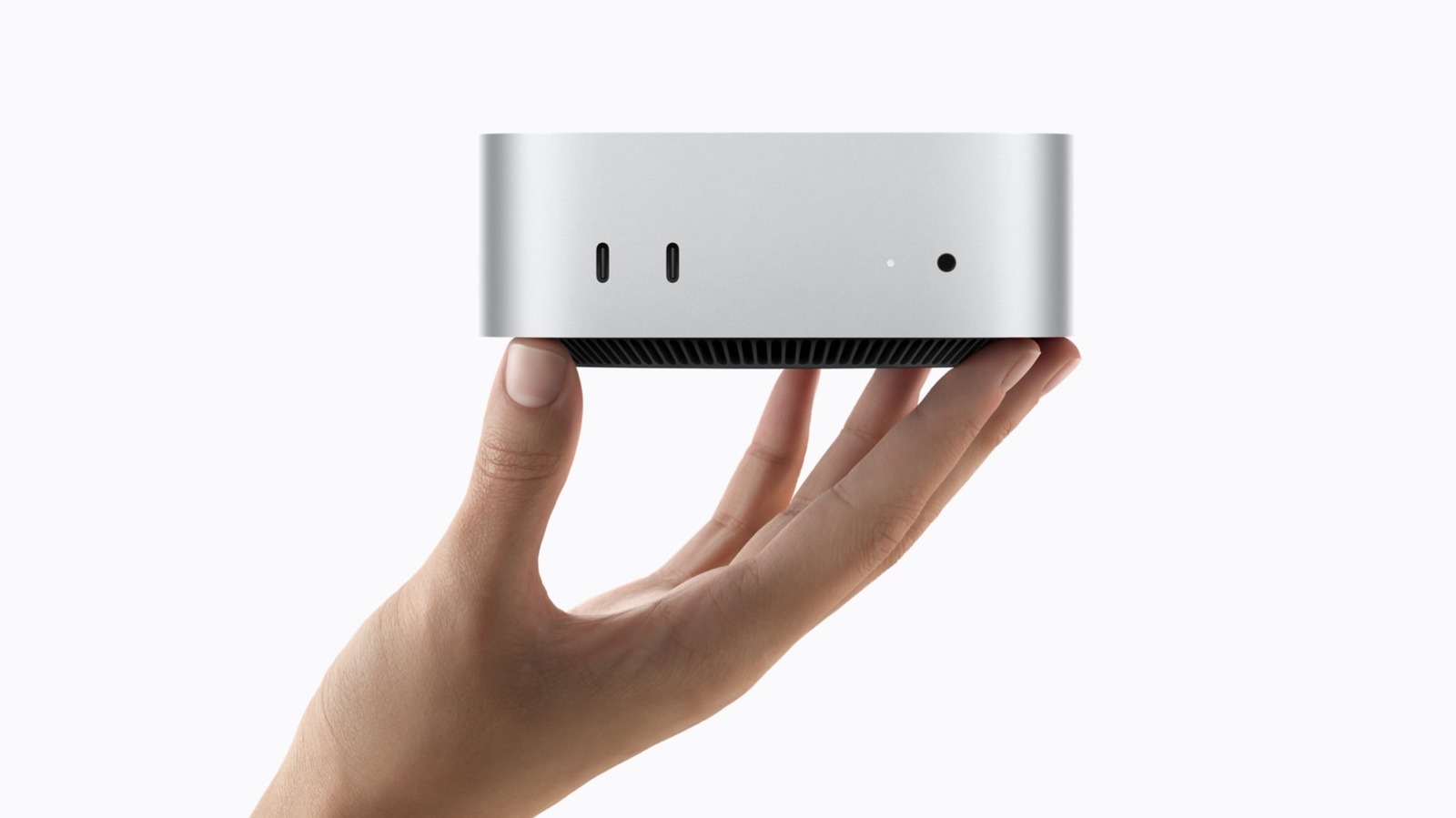
The M5 Pro, however, is built for scale. With 15 to 18 cores—comprised of five or six super cores and 10 performance cores—it is designed to sustain heavy computational loads. For tasks like compiling large codebases, multi-track audio production, or complex spreadsheets, the M5 Pro’s ability to distribute the workload across more high-power cores provides a tangible performance advantage that the M6 simply cannot match, regardless of its newer nanometer process.
GPU and Graphics Processing
Graphics are perhaps the most significant differentiator. The base M6 is equipped with a 12-core GPU, which is perfectly capable for daily tasks and light photo editing. However, the M5 Pro offers 16-core or 20-core GPU options. This is not merely an incremental bump; it represents a significant shift in utility. Professionals engaged in 3D rendering, video post-production (specifically in ProRes formats), and the training of local AI models require the sheer throughput that those additional GPU cores provide.
The Memory and Storage Divide
Beyond the chip, Apple has segmented the tiers through memory (RAM) and storage capacity. The M6 Mac mini is marketed as an entry-level professional tool, starting at 256GB of SSD storage and capping out at 32GB of unified memory.
The M5 Pro is marketed as a workstation. It begins with 512GB of storage and can be configured up to a massive 8TB. Furthermore, its memory architecture starts at 24GB and climbs to 64GB. Given the current market volatility and the high cost of high-bandwidth unified memory, the price jump is not just "Apple Tax"; it is a reflection of the physical hardware components packed into the chassis.
Supporting Data: When the "Newer" Chip Falls Short
When analyzing benchmarks, the M6 undoubtedly shines in single-core efficiency and power-per-watt metrics. Because it is built on a 2nm architecture, it runs cooler and consumes less power under light-to-moderate loads. For the average user, the M6 is objectively the better choice. It is a technological marvel that offers more performance than most users will ever fully utilize.
However, the data shifts when stress-testing. When running heavy sustained tasks—such as exporting a 4K video project or running a local LLM (Large Language Model)—the M5 Pro’s higher core count allows it to finish the task faster. In these scenarios, the M6 will eventually hit a ceiling. The M5 Pro’s ability to handle high-bandwidth data streams and sustain peak clock speeds for longer durations makes it a superior tool for the professional, despite its older manufacturing node.
The Implications for the Consumer
Apple’s pricing strategy forces a clear distinction between the "content consumer/light creator" and the "professional power user."
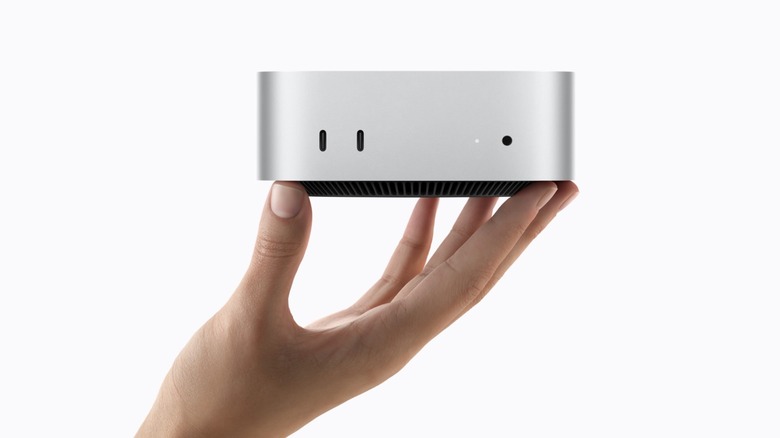
For the average professional—those in education, office management, or creative hobbyists—the M6 is an incredible value. It brings the latest Apple technology into a sub-$1,000 package. The fact that it is "cheaper" than the M5 Pro should not be interpreted as it being "worse." It is simply a different tool.
For the professional, however, the M5 Pro represents an investment in time. The ability to render a project in 10 minutes rather than 15 minutes, or to have a machine that doesn’t stutter while running three professional applications simultaneously, is worth the premium. The M5 Pro is designed to be a workhorse that lasts for years of heavy usage, whereas the M6 is designed to be the most efficient, capable, and accessible Mac ever made.
Official Positioning and Market Philosophy
Apple’s official stance, reflected in its marketing collateral, focuses on "right-sizing" the machine for the user’s needs. By offering both models, Apple is acknowledging that not every Mac user needs the massive multicore throughput of a Pro chip.
By keeping the M5 Pro in the Mac mini lineup, Apple is essentially preventing "feature creep" in the entry-level tier. They are keeping the base price of the Mac mini low by using the M6, while still providing an upgrade path for those who need more power without forcing them to move to the much more expensive Mac Studio.
Conclusion: How to Choose
Choosing between the M6 and the M5 Pro Mac mini is a matter of auditing your own workflow:
- Choose the M6 if: You are a student, a creative hobbyist, a web developer, or an office professional. If your primary work consists of web browsers, Microsoft Office, light video editing, or software development that doesn’t involve heavy containerization or massive data sets, the M6 is the most efficient and cost-effective choice. You are getting the latest architecture, lower power consumption, and more than enough performance for years to come.
- Choose the M5 Pro if: You are a professional editor, a software engineer working with complex environments, a data scientist, or an AI developer. If your work involves sustained loads where the computer is under 80-100% utilization for long periods, or if you require massive amounts of memory for virtual machines or large-scale data processing, the M5 Pro is the essential choice. The extra investment is not just for the "Pro" label; it is for the headroom required to keep your professional workflow fluid and uninterrupted.
Ultimately, the M6 vs. M5 Pro debate is a testament to the maturation of Apple Silicon. We have reached a point where the "base" chip is so capable that the "Pro" chip is no longer a necessity for everyone, but rather a specialized tool for those who truly need to push the boundaries of their hardware. New doesn’t always mean better for everyone; sometimes, "better" is simply a matter of having the right tool for the job.











