Nana Muazin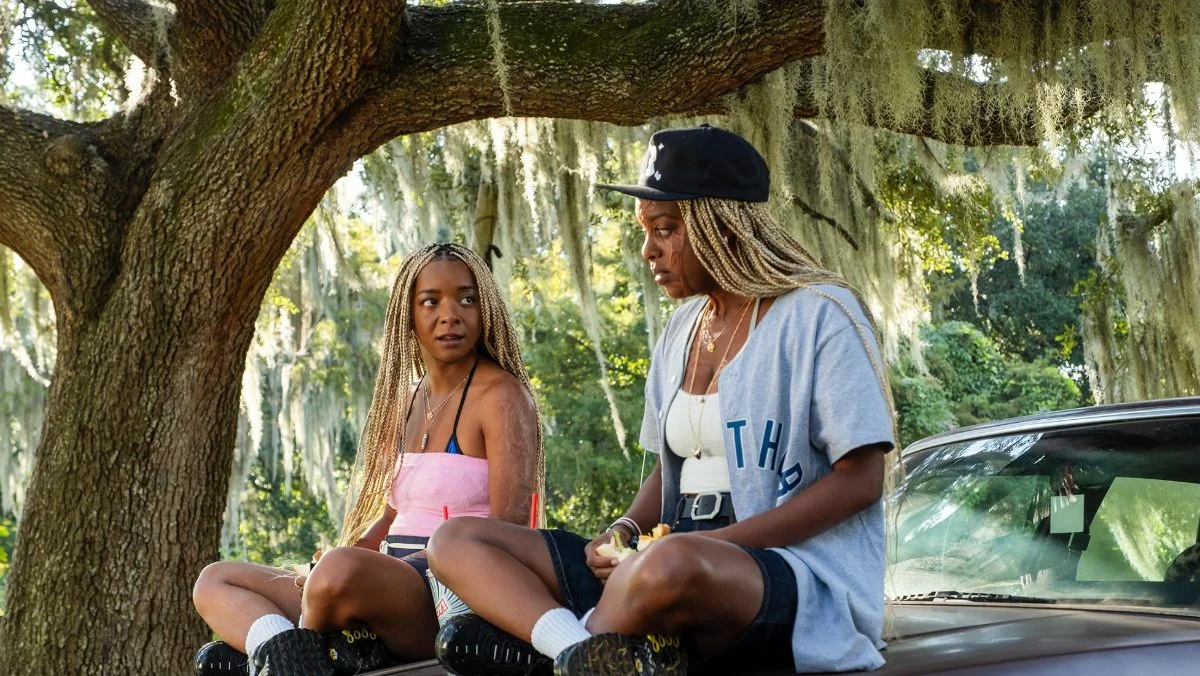
As we cross the midpoint of 2026, the cinematic landscape has proven to be a remarkable tapestry of innovation, nostalgia, and psychological depth. From the claustrophobic corridors of viral horror sensations to the grand, sweeping expanses of space operas, this year has challenged the traditional boundaries of storytelling. At Nerdist, we have closely monitored these releases, witnessing a shift toward narratives that balance high-concept spectacle with intimate human (or non-human) stakes.
The following report analyzes the standout films that have defined the first six months of 2026, exploring the technical craft, thematic resonance, and cultural impact of these defining cinematic achievements.
The 2026 Cinematic Landscape: A Summary of Trends
The first half of 2026 has been defined by a "genre-fluid" approach to filmmaking. We have seen a significant pivot away from purely franchise-driven content toward character-centric dramas that utilize genre tropes to explore modern anxieties. Whether it is the fear of technological obsolescence in The Devil Wears Prada 2 or the examination of parasocial relationships in Obsession, the films of 2026 are deeply preoccupied with how we define ourselves in an increasingly digital and disconnected world.

Chronology of Excellence: A Mid-Year Review
The release schedule of 2026 has been strategic and diverse, offering a rhythm that keeps audiences engaged across all demographics.
Q1: The Sci-Fi and Horror Surge
The year began with the celestial emotional weight of Project Hail Mary, which set a high bar for science fiction. Shortly after, the horror genre saw a revitalization with the release of Hokum, proving that independent, folk-inspired storytelling could dominate the box office.
Q2: The Return of Titans
The second quarter saw the industry lean into established intellectual properties with a modern twist. The Mandalorian and Grogu transitioned from the small screen to the silver screen, while Masters of the Universe offered a high-budget nostalgic romp. Toy Story 5 closed out the quarter, sparking intense debate regarding the role of technology in modern childhood.

Supporting Data: Genre Analysis and Box Office Performance
The commercial success of these films suggests a growing audience appetite for both "elevated" horror and legacy sequels that offer more than just fan service.
- Horror’s New Golden Age: Both Obsession and Hokum have outperformed their budget expectations. Obsession, in particular, has seen a unique viral trajectory, with social media discourse driving ticket sales, proving that "uncanny" visual storytelling remains a powerful marketing tool.
- The "Legacy" Factor: The Devil Wears Prada 2 and Masters of the Universe have demonstrated that nostalgia is a powerful engine when paired with contemporary social commentary. By addressing the decline of print media and the rise of AI, The Devil Wears Prada 2 transcended its predecessor’s framework to become a relevant cultural critique.
Deep Dive: The Standout Films of 2026
Project Hail Mary
Directed with a delicate balance of humor and dread, this space drama centers on the isolation of the human condition. Ryan Gosling’s performance as a stranded astronaut is elevated by the inclusion of Rocky, a breakthrough in creature-design that serves as a profound metaphor for cross-species empathy.
Hokum
Filmmaker Damian McCarthy has successfully adapted Gaelic myth for the modern screen. By utilizing the cailleach—a figure of landscape-altering power—the film moves beyond simple "jump scares." It treats the haunted hotel setting not just as a location, but as an antagonist, grounding the supernatural elements in the visceral fear of ancestral trauma.

Is God Is
Aleshea Harris’s directorial debut is perhaps the most audacious film of the year. By adapting her own off-Broadway play, Harris has crafted a revenge thriller that refuses to shy away from the brutality of the cycle of abuse. The film’s ability to weave dark comedy into the fabric of a story about survivors with life-altering scars is a testament to its narrative complexity.
The Devil Wears Prada 2
Returning to the hallowed halls of Runway magazine, the sequel serves as a mirror to the current state of journalism. By placing Andy and Miranda in the crosshairs of AI and the "clickbait" era, the film provides a sharp, biting look at how the creative class survives in a digital-first economy.
Backrooms
The transition of Kane Pixels’ YouTube series to a full-length feature is a watershed moment for internet-born creators. The film retains the "found footage" aesthetic while expanding the lore of the liminal, neon-lit labyrinths. It is a masterclass in psychological horror, proving that the most terrifying entities are those that remain unseen.

Obsession
This film serves as a cautionary tale for the modern romantic era. By exploring the psychological toll of idealizing a partner, Obsession shifts the horror from the external to the internal. It asks the uncomfortable question: is a partner who exists solely to love you a fantasy, or is it the ultimate nightmare?
The Mandalorian and Grogu
The decision to scrap a full season of television in favor of a feature film was a bold move by Lucasfilm. By focusing on the core archetype of the "hardened warrior and his charge," the film successfully widened the Star Wars tent, allowing for a cinematic experience that remains accessible even to those unfamiliar with the series’ deep lore.
Masters of the Universe
Nicholas Galitzine’s portrayal of He-Man succeeds where its 1987 predecessor failed: it leans into the absurdity of the source material while maintaining an earnest, heroic heart. It is a colorful, high-stakes adventure that honors the 1980s aesthetic while updating the visual effects to modern standards.

Toy Story 5
The decision to bring back Woody and the gang was met with skepticism, but the film ultimately justified its existence. By contrasting 1990s analog imagination with the modern era of screen-addicted youth, Toy Story 5 serves as a profound call to action for parents, emphasizing that play is an essential component of development.
Official Responses and Creative Vision
The creative teams behind these projects have been vocal about the intentionality behind their work. Jon Favreau, regarding The Mandalorian and Grogu, noted that the film was designed to be a "standalone gateway" into the Star Wars universe.
Similarly, the discourse surrounding Toy Story 5 highlights a concerted effort by Pixar to engage with the sociological impact of the internet. Critics have noted that the film acts as a mirror to modern parenting, providing a narrative that challenges the "complacency" of digital babysitting.

Implications for the Future of Film
The implications of this year’s successful slate are clear: audiences are looking for films that respect their intelligence. Whether it is the existential dread found in Obsession or the structural innovations of Backrooms, viewers are gravitating toward stories that tackle the complexities of our current, rapid-fire reality.
The success of these films also signals a shift in power dynamics within Hollywood. When internet-born creators like Kane Pixels can command a box office, and off-Broadway playwrights like Aleshea Harris can deliver critical hits, it suggests that the gatekeepers of film are becoming more receptive to diverse, grassroots, and unconventional voices.
As we look toward the latter half of 2026, the industry appears to be in a state of healthy transition. If the first six months are any indication, the remainder of the year will continue to blur the lines between genre, medium, and expectation, ultimately benefiting the moviegoers who continue to seek out stories that challenge, thrill, and resonate.

Originally published on June 22, 2026. Additional reporting by Ella R. Dunn.

 Siti Muinah
 Azzam Bilal Chamdy