

Date: July 14, 2026
Location: Kami Town, Hyogo Prefecture, Japan

For many travelers navigating the Kansai region, the name "Kinosaki Onsen" is synonymous with the quintessential Japanese hot spring experience—willow-lined canals, yukata-clad strollers, and centuries of tradition. Yet, a mere 30-minute train ride west along the rugged coastline of the Sea of Japan lies a destination that remains one of the region’s best-kept secrets: the fishing town of Kasumi.

Kasumi is more than just a transit point; it is a profound immersion into the intersection of geological wonder and maritime heritage. With its inclusion in the UNESCO-certified San’in Kaigan Geopark and a culinary reputation built on the bounty of the Japan Sea, Kasumi offers a tranquil, authentic alternative to the more heavily trodden tourist paths of Hyogo.

I. Main Facts: The Essence of Kasumi
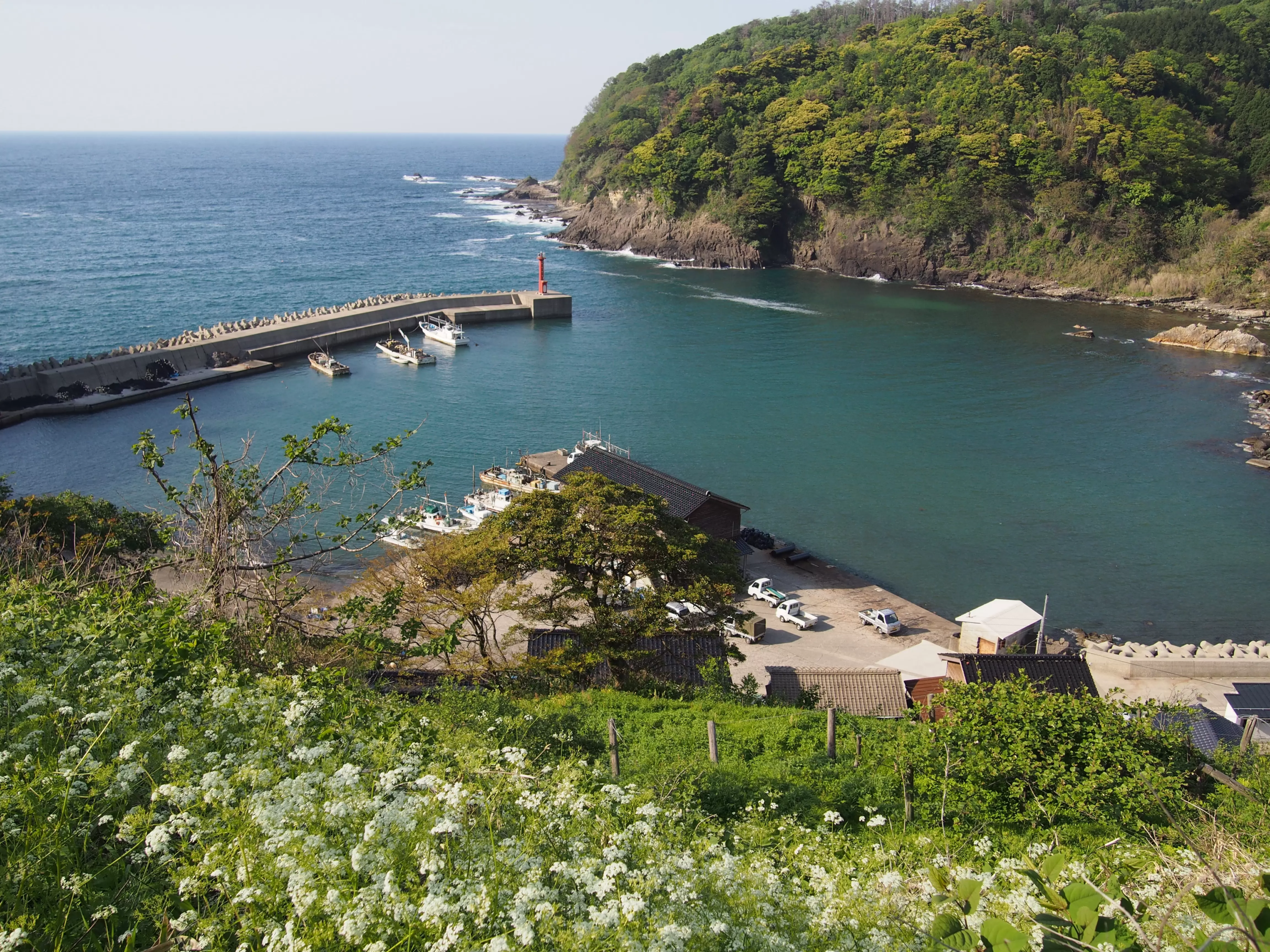
Kasumi, situated in Kami Town, serves as a gateway to the dramatic landscapes of the San’in coastline. Unlike the structured, resort-like atmosphere of major tourist hubs, Kasumi retains the raw, nostalgic charm of a historic Japanese fishing port.
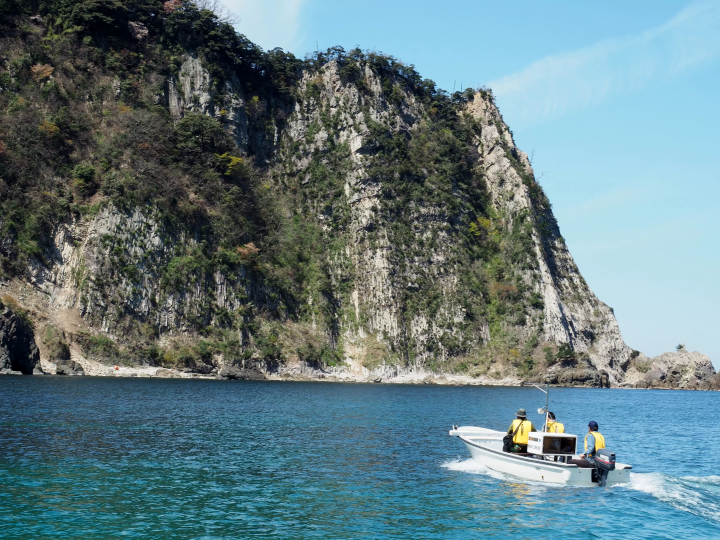
- Geological Significance: As part of the San’in Kaigan Geopark, the area showcases rare rock formations, sea caves, and cliffs shaped by volcanic activity and the relentless erosion of the Japan Sea.
- Culinary Identity: The town is renowned for its crab industry, particularly red snow crab, and its unique agricultural output, including specialized pear varieties and the rare "Mikata Dainagon" azuki beans.
- Accessibility: Located just 30 minutes by train from Kinosaki Onsen via the JR San’in Main Line, it is an ideal day-trip destination that feels worlds away from the urban bustle of Osaka or Kyoto.
II. A Chronology of Discovery: Navigating the Town
Our exploration of Kasumi followed a path that bridged the gap between natural wonders and historical artifacts.

The Marine Perspective (Morning)
The journey began at the docks, where we boarded a "Sea Sightseeing Cruise." Navigating the coast in a small vessel piloted by a veteran local fisherman provided a perspective that land-based travel cannot match. We navigated through sea caves and circled "Hawk’s Nest Island"—a natural monolith named for the birds of prey that once claimed its summit as their sanctuary. The proximity to these volcanic sculptures, forged by solidified lava millions of years ago, offers a visceral connection to the region’s geological timeline.

Cultural Reflection (Midday)
Following the maritime excursion, we moved inland to Daijo-ji Temple, often referred to as "Okyo-ji." Founded in 745 by the monk Gyoki, the temple houses 165 sliding screen paintings by the famed Edo-period master Maruyama Okyo. Walking through the temple is akin to entering an art museum where the architecture itself is a relic of the past. The presence of a 1,000-year-old camphor tree on the grounds serves as a silent witness to the centuries of history that have unfolded in this quiet valley.

The Evolution of Okami Park (Afternoon)
Our afternoon was spent at Okami Park, a site that tells the story of the town’s geographical evolution. Once an island known as Ichikishima, the site became connected to the mainland through sediment buildup over centuries. Historically used by sailors as a shelter while waiting for favorable winds, it has transformed into a scenic overlook. Archival photos from 1962 reveal its past as a popular destination for honeymooners, a tradition of romance that persists today as visitors gather to watch the sunset over the Japan Sea.

III. Supporting Data: The Culinary Economy of Kasumi
Kasumi’s economy is deeply rooted in its geography. The town’s culinary prestige is supported by a meticulous supply chain that favors quality and freshness above mass production.

The "Fish Wholesaler" Advantage
At the popular restaurant KAN-ICHI, the commitment to quality is institutionalized. The owner, who holds a professional fish wholesaler license, attends the local auctions almost every morning. This direct-to-table model explains the unparalleled freshness of the seafood rice bowls served here. By bypassing traditional middlemen, the establishment ensures that the local catch reaches the consumer at its peak nutritional and flavor profile.

The "Nashiyama" Agricultural Model
The town’s pear orchards, or "Nashiyama," operate on a symbiotic model. Farmers utilize organic fertilizer enriched with shells from the red snow crabs harvested at the local port. This circular approach to agriculture not only minimizes waste but also contributes to the distinct sweetness and mineral complexity of the ten varieties of Kasumi pears grown there, including the famous "Nijisseiki" and "Nashi Otome."

Mikata Dainagon: The Ruby of the Mountains
The high-altitude temperature fluctuations of the mountainous Kami region produce the "Mikata Dainagon" azuki bean. Research indicates that these beans contain higher levels of glutamic acid and polyphenols than standard varieties. Their deep, ruby-like color has earned them the moniker "Mikata Ruby." At aoite.azuki.base, this legacy is preserved through artisanal production, where the owner controls the entire process from soil cultivation to the creation of traditional ohagi (sweet rice cakes).

IV. Official Perspectives and Infrastructure
Local stakeholders have invested heavily in sustainable tourism to preserve the character of the town.

The Kami Town Tourism Guide emphasizes the importance of the Kami Town Geopark and Marine Culture Museum. This facility serves as an educational hub, providing visitors with context for the natural phenomena they witness on the coast. Staff at the museum act as docents, bridging the gap between scientific geological data and the lived experiences of the local maritime community.

Furthermore, the town has implemented a low-impact mobility strategy. By offering affordable bicycle rentals (including electric-assist models) at the train station, the Tourism Association encourages visitors to explore the narrow, historic streets without the noise or pollution of motorized traffic. This infrastructure supports the "slow travel" movement, allowing tourists to engage more deeply with the local culture.

V. Implications: Why Kasumi Matters
The rise of Kasumi as a destination highlights a broader trend in Japanese tourism: the shift toward "secondary destinations." As major cities experience the pressures of over-tourism, travelers are increasingly seeking regions that offer an authentic glimpse into the Japanese satoyama (mountain-side) and satoumi (seaside) lifestyles.

Preservation of Heritage
The meticulous preservation of Maruyama Okyo’s paintings at Daijo-ji and the continued traditional fishing practices demonstrate a commitment to cultural continuity. Kasumi is not merely "selling" a view; it is protecting a way of life that has thrived for centuries on the edge of the Sea of Japan.

A Lesson in Resilience
For the modern traveler, Kasumi offers a lesson in resilience. From the "wave flowers" created by winter storms to the centuries-old camphor trees that have survived countless typhoons, the town is a testament to the endurance of nature and the people who live in harmony with it.

Final Recommendations
For those currently planning a visit to the Kansai region, the inclusion of Kasumi is highly recommended. Whether you are seeking the thrill of a sea-cave exploration, the intellectual stimulation of Edo-period art, or the simple, profound joy of eating a bowl of fresh seafood caught that morning, Kasumi provides a restorative experience.

As we departed, the sunset over the Japan Sea from the cliffs of Okami Park served as the perfect punctuation to our journey—a reminder that in the hidden corners of the world, beauty is not something to be consumed, but something to be observed, respected, and carried forward in our memories.

Travel Tip: When visiting, be sure to stop by COMETE rice&vegetable near the station to sample their rice flour chiffon cake, a perfect example of how local agriculture is being reimagined for the modern palate.











