

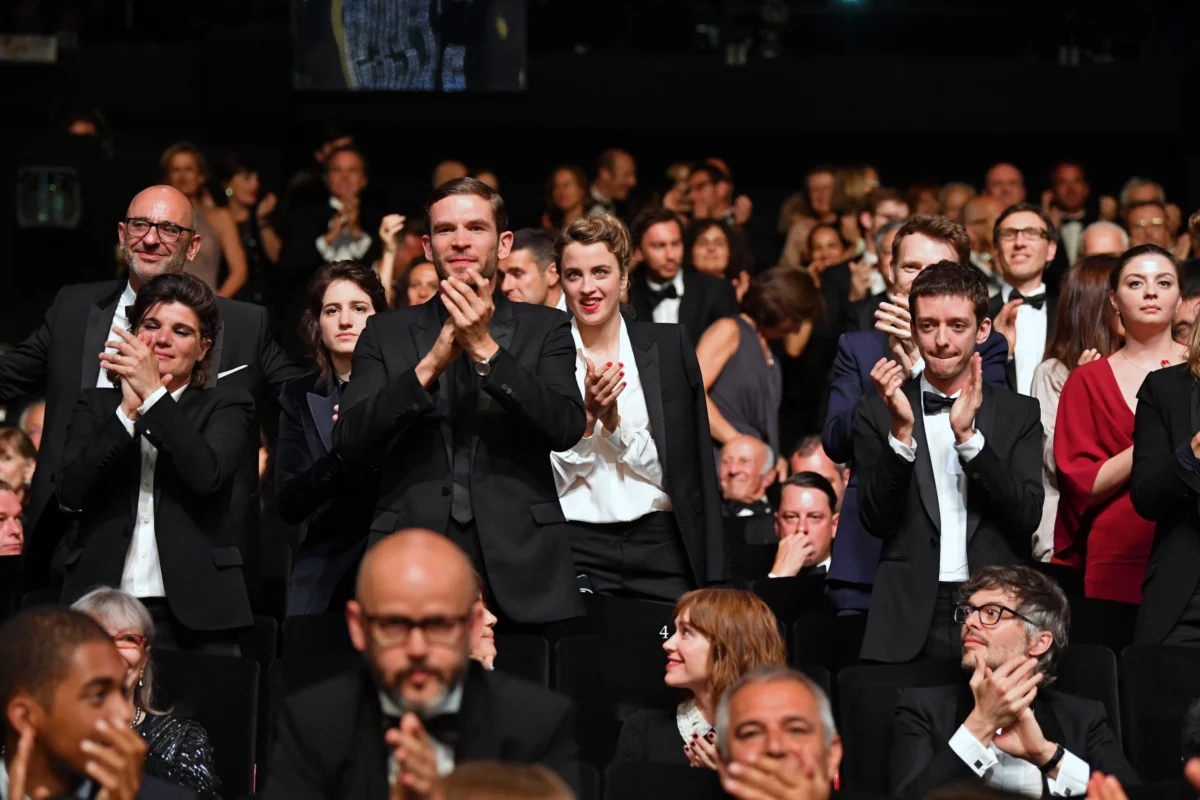
As the industry descends upon the 2026 Cannes Film Festival, the familiar rituals of the croisette—the midnight standing ovations, the frantic bidding wars, and the high-stakes industry mixers—are once again underway. For decades, this annual pilgrimage has served as the heartbeat of independent cinema. It is where careers are minted, where buyers find their next slate of hits, and where the "official" value of a film is determined by the collective gaze of the elite.
Yet, beneath the glamour, a profound structural rupture is occurring. The implicit agreement that has governed independent film for nearly half a century—the idea that a film’s worth is forged in a single, concentrated moment of industry convergence—is no longer reflecting the reality of how movies succeed in the modern landscape.
The Traditional Bargain: A System Under Strain
For generations, the "festival model" was the gold standard for independent filmmakers. The strategy was rigid: build a film around the festival calendar, keep it under wraps, avoid market exposure, and wait for the "big premiere" to act as a catalyst for acquisition. Filmmakers would rush to finish final cuts and forgo early audience engagement, all for the chance to compete for a handful of prestigious slots.
In exchange, festivals offered something no other platform could: a massive, concentrated surge of attention that functioned as a singular point of leverage. When it worked, it was transformative. When it didn’t, it often left creators stranded.
Today, that deal is fundamentally broken. The "overnight sale"—the dream that shaped filmmaker strategy since the peak of the Sundance era—has become an outlier. Minimum guarantees have shifted from significant industry benchmarks to de minimis figures, if they exist at all. Buyers are becoming increasingly selective, concentrating their capital on fewer titles at fewer events, and moving with a caution that leaves even the most buzz-worthy projects struggling to find a home.
Consider the data from Sundance 2025: only three major sales were finalized during the festival itself. While roughly 75 percent of the program eventually secured some form of distribution, it took the better part of the calendar year to close those deals. The festival, once a high-speed launchpad, has evolved into a slow-moving, uncertain lobby.
A Chronology of Disconnection
To understand how we reached this point, we must look at the shifting timeline of independent distribution:

- The Golden Age (1990–2010): Festivals acted as the central nervous system for the industry. A premiere at Sundance, Cannes, or Toronto was a prerequisite for serious theatrical distribution. The market was centralized, and the gatekeepers held absolute power.
- The Streaming Disruption (2010–2020): The rise of SVOD platforms introduced a new buyer, but also signaled the beginning of decentralized discovery. Festivals began to compete with algorithms for audience attention.
- The Post-Pandemic Pivot (2021–2025): Attendance rebounded, but the nature of that attendance changed. Virtual screenings gained a permanent foothold, reducing the "urgency" of physical presence.
- The 2026 Reality: We now face a bifurcated system. Festivals are enjoying record-high audience attendance, but industry participation is thinning. The "concentrated attention" that festivals provide is no longer translating into the durable commercial value required to sustain a production cycle.
Supporting Data: The Audience vs. The Industry
Paradoxically, the festival experience has never been more popular with the public. A recent white paper from Eventive, which analyzed over 15 million ticket sales across 6,000 festival editions, paints a surprising picture. Attendance has not only rebounded from the pandemic; it has stabilized at a higher baseline than pre-2020 levels. Average attendance per festival is up approximately 34 percent since 2021, and revenue per ticket is at an all-time high.
However, these numbers create a "nest of structural tensions." While festivals are becoming more meaningful to audiences, they are becoming less essential to the industry. Virtual screenings now account for nearly a quarter of total attendance. While this is a victory for accessibility and engagement, it is a point of friction for the market. Sales agents report that because buyers no longer feel the "fear of missing out" (FOMO) that comes with physical attendance, they are sending smaller staffs to festivals, resulting in a cooling of the marketplace.
The Move to Boulder: A Symptom of Larger Shifts
The most telling indicator of this crisis is the relocation of the Sundance Film Festival to Boulder, Colorado. The decision to leave Park City was not merely about logistics; it was a candid acknowledgement that the traditional festival model had become prohibitively expensive.
For decades, the high cost of entry effectively priced out a generation of creators—the digital natives who have learned to build audiences online without waiting for a festival’s permission. By moving to a more tech-friendly, accessible hub, Sundance is signaling that it must court a new demographic of filmmakers who operate outside the old gatekeeper system. If the festivals cannot lower the barrier to entry, they risk becoming obsolete relics of an analog era.
Implications: The Shift from Gatekeeping to Curation
The core issue is a failure of translation. Festivals are excellent at gathering attention, but they are increasingly poor at converting that attention into long-term value for the filmmaker.
We are currently seeing a move toward decentralized distribution. Filmmakers who were once dependent on a festival premiere are now utilizing social media, direct-to-consumer platforms, and creator-led strategies. The Markiplier livestream model—where the creator builds their audience in real-time, waiting for them to arrive rather than waiting for a gatekeeper to announce them—is the antithesis of the festival model. It operates on the premise that the work begins when the audience is engaged, not when the industry has finished its screening.
This does not mean festivals are going to disappear. There is a distinct, non-replicable value in gathering people in a physical space for a shared experience. However, the festival’s role must shift from being the gatekeeper of the industry to the curator of attention.

The traditional launchpad is no longer the sole leverage point. It is merely one stop on a long, fragmented road. For the filmmaker of 2026, the question is no longer "How do I get into the festival?" but rather "What does the festival make possible after the credits roll?" If the answer remains "nothing," then the festival’s influence will continue to wane, regardless of how many standing ovations occur in the dark.
Future of Filmmaking: Top 5 Weekly Recommendations
Curated by IndieWire Managing Editor Christian Zilko
5. The Reality of the Micro-Drama Boom
Kelli McNeil-Yellen provides a sobering look at the rise of vertical dramas. While some analysts hype these as the future, McNeil-Yellen offers a necessary "bear case" that every independent filmmaker should read to understand the economic limitations of the format.
4. Top 10 Mistakes First-Time Microbudget Producers Make
Donny Broussard breaks down the chaos of the independent shoot. While no article can replace the experience of being on set, this guide is an essential primer for avoiding the common pitfalls that can derail a project before it even reaches the editing room.
3. The Other Side of the Mountain
Jake S. Weisman delivers a refreshingly practical essay on filtering industry advice. In an environment where "metaphorical" wisdom is cheap, Weisman highlights the specific, actionable strategies that actually proved useful in his own career journey.
2. Why Scripts Still Matter the Most
Spyder Dobrofsky argues against the growing trend of younger writers focusing on pitch decks and social media treatments over the actual screenplay. Even in a world of shortened attention spans, the craft of the script remains the most valuable asset in a writer’s toolkit.
1. The Power of Direct Audience Engagement
This week’s top pick is a case study on supplying your own audience. As the festival model weakens, filmmakers who can build their own base of supporters—and provide them with unique, theatrical-quality experiences—are the ones who will define the future of independent cinema. The creativity behind this strategy is not just impressive; it is the new requirement for survival.











No comments yet. Be the first to join the conversation!