In the sprawling, high-stakes universe of HBO’s Lanterns, the visual spectacle is matched only by its intricate, character-driven sonic landscape. As the series peels back the layers of its titular heroes—the seasoned Hal Jordan (Kyle Chandler) and the emerging John Stewart (Aaron Pierre)—the music has become a vital, breathing entity. Composer Stephanie Economou, tasked with anchoring the show’s emotional core, has crafted a score that mirrors the series’ shift from terrestrial, noir-inspired mystery to the cosmic grandeur of the Green Lantern Corps.
In a recent, wide-ranging discussion, Economou pulled back the curtain on the creative process behind Lanterns, detailing how she moved beyond the traditional orchestral tropes of the superhero genre to find a sound that felt both grounded and, at times, hauntingly unstable.
The Genesis of a Sound World: Building the Suite
When Economou first approached the Lanterns project, she was faced with the challenge of defining a "sound world" that would encapsulate both the gritty, grounded nature of Earth-bound police procedural elements and the cosmic, alien threats that haunt the edges of the narrative.
"My first port of call was to start writing some theme suites away from picture," Economou explains. "I wanted to gauge [showrunner] Chris Mundy’s reaction to questions like: Do you feel like this is the right sound world? Do you feel like this tune speaks more profoundly to the Green Lanterns?"
The process began with a two-to-three-minute suite that incorporated piano, GuitarViols, strings, and synthesizers. The result was a thematic foundation that could flex—capable of extreme intimacy one moment and immense, crushing scale the next. Crucially, the theme needed the capacity to sound "unsettling" and "unstable," a direct reflection of the narrative’s exploration of corruption within the ranks of the Guardians of the Universe.
The Anatomy of John Stewart’s Theme
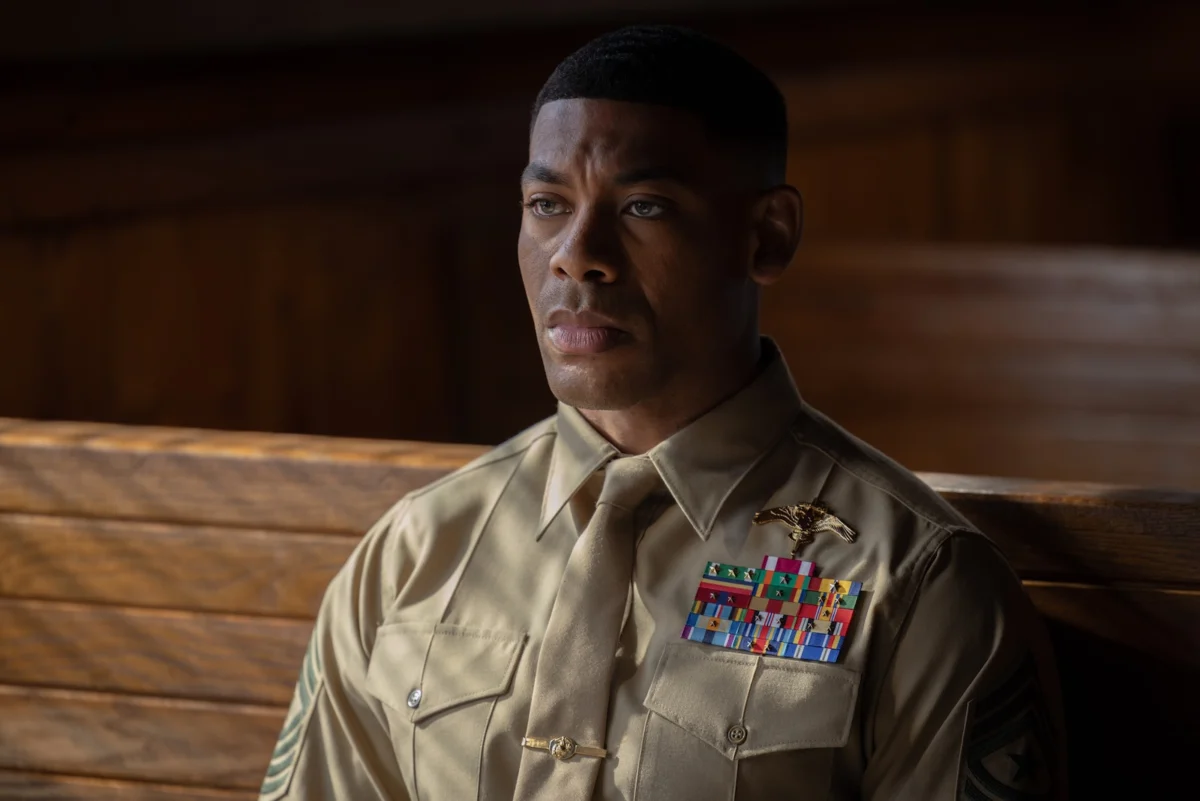
Perhaps the most anticipated element of the series is the introduction of John Stewart. The show’s third episode, "OutKast," has been lauded for its deep dive into Stewart’s formative years. For Economou, the music had to capture a paradox: the quiet, lonely burden of his past and the undeniable, kinetic "badassery" of his present.

"I started strumming these really simple chords that, to me, felt like John," Economou notes. "They were quite lonely. They were steady and confident, but sad in a way. There was a sadness to it."
The origin of Stewart’s theme is inextricably linked to the show’s first episode, which features a flashback of a young John Stewart and his father. It was here, while sitting outside her studio with a baritone rubber bridge guitar, that Economou found the melody. By layering a distorted electric bass riff over the acoustic strumming, she managed to create a sound that felt simultaneously organic and technologically dangerous.
The Role of Needle Drops and Narrative Intent
The use of music in Lanterns is not limited to the original score; the series employs deliberate, high-impact needle drops, such as the prominent use of OutKast’s "Gasoline Dreams" in the third episode. For a composer, such moments present a choice: should the score compete with, or complement, the pre-existing song?
Economou describes her approach as a delicate balance. "If the songs are so important to the tapestry of the music and the show, sometimes I’ll take a thread out of it and have it influence the score, too, so they inhale and exhale together," she says. "Or I just do something completely different, and I don’t."
In the case of "Gasoline Dreams," Economou opted for the latter. She consciously allowed the OutKast track to stand alone, viewing it as a specific, gritty aspect of John Stewart’s persona that her score was not intended to mirror. However, for Hal Jordan, the influence of licensed music worked differently, informing the "swagger and ruggedness" that she built into his bass-heavy soundscape.
Discordance as a Narrative Device
A striking feature of the third episode is the sequence in which John Stewart first wears the ring and brings the watch into existence. Rather than the soaring, triumphant brass fanfares typical of the genre, the audience is met with a sense of unease.

"I wanted to not have it be this shiny, triumphant, proud thing, because the Guardians themselves have an instability and a sort of corruption that you see in a lot of the comics," Economou explains. The music uses sliding synth chords that move at slightly different rates, ensuring that the listener never feels a sense of perfect resolution. It is a brilliant piece of foreshadowing—a reminder that in the world of Lanterns, power is rarely a clean or benevolent force.
Character Evolution: A Nonlinear Journey
Because Lanterns employs a nonlinear narrative, jumping between different time periods and psychological states, the score is required to evolve constantly. Economou emphasizes that she deliberately avoids having a "static" theme that remains unchanged throughout the season.
"John’s theme gets put through several different stylistic treatments," she reveals. "Coming up in the next episode, there’s a scene that’s a lot more trip-hop influenced, but you still have his theme on bass."
Similarly, Hal Jordan’s theme undergoes a metamorphosis in the future timeline. It is stripped of its initial swagger, becoming colder and more isolated, featuring prominent string arrangements that highlight his character’s aging, world-weary arc. This evolution is vital to the series’ success; it ensures that the music is a participant in the growth and decay of the protagonists rather than merely a background atmospheric element.
Scoring the Silence: The Military Stakeout
When asked about her favorite sequence to score, Economou highlights a specific, grounded set of scenes where John Stewart is on a long-term military stakeout. Eschewing the grand, epic sounds of a superhero score, she opted for a tactile, percussive approach.
"I recorded just layers and layers of really close mics, percussion, wood stuff, this log drum—that stuff doesn’t really sound like anything else in the score," she says. "I wanted it to feel like you’re in the dirt there with him. It feels a little like a clock ticking in some ways, and you feel time passing with him."

This dedication to environmental storytelling is what sets Lanterns apart from its peers in the genre. It is a series that respects the silence and the grit, using music not to tell the audience how to feel, but to immerse them in the specific, localized reality of the characters’ lives.
Implications for the Future of the Genre
The work of Stephanie Economou on Lanterns suggests a shift in how major franchises approach television scoring. By prioritizing character-specific suites that draw from rock, trip-hop, and experimental synthesis, the show is establishing a template for "prestige superhero" television.
The success of these themes relies on the collaboration between composer and showrunner. Because Mundy was receptive to "unsettling" and "imperfect" sounds early on, Economou was given the creative freedom to lean into the darker, more human elements of the Green Lantern mythos. As the season progresses, viewers can expect these themes to continue their transformation, mirroring the moral ambiguity that defines the series’ central conflict.
For fans of the source material, the score offers a new way to experience the weight of the ring—not just as a weapon of great power, but as a source of great, complicated burden. As new episodes premiere on HBO Max, the music remains one of the most compelling reasons to keep tuning in, ensuring that while the Green Lanterns may be cosmic, their problems—and their sounds—remain profoundly, and sometimes painfully, human.