

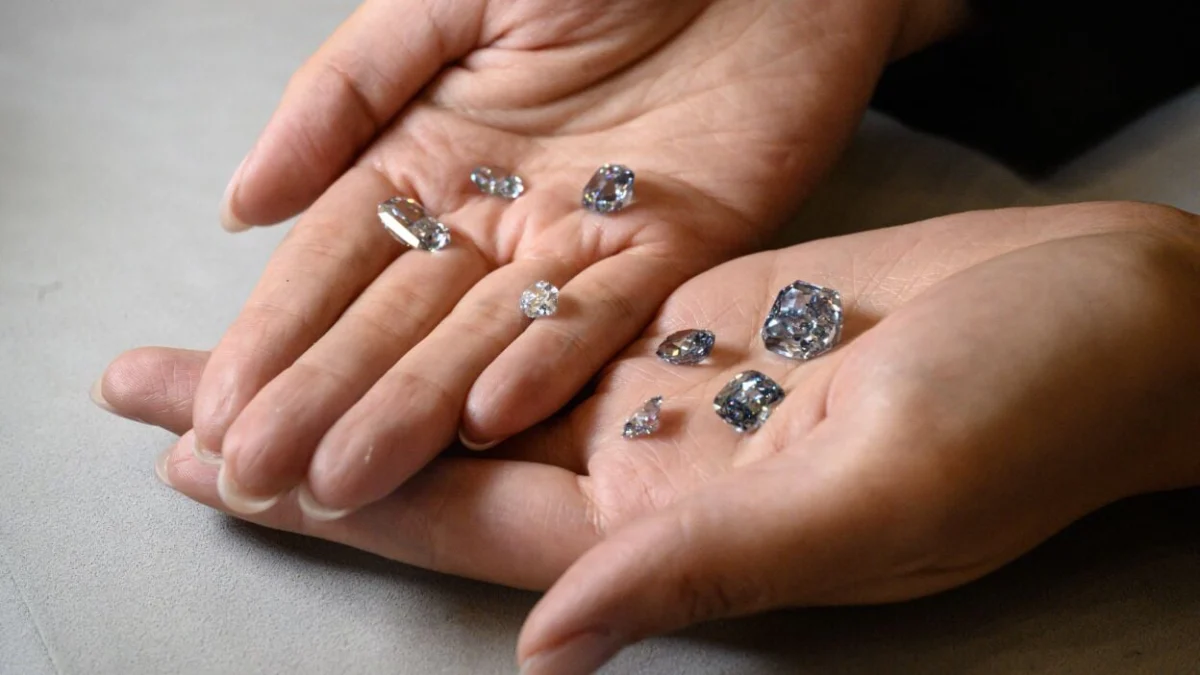
In the digital age, the traditional jewelry shopping experience—characterized by hushed showrooms, intimidating appraisal desks, and hefty retail markups—is being dismantled by a 15-second countdown timer and a scrolling feed. TikTok Shop, the e-commerce arm of the ubiquitous video platform, has successfully pivoted from hawking viral pickle kits and dubious supplements to selling high-value, loose lab-grown diamonds in rapid-fire, high-energy livestreams.
For many users, what begins as a casual scroll through their "For You" page has morphed into a full-blown collecting obsession. These viewers are purchasing loose gemstones at a rate that defies conventional retail logic, often without a clear plan for the stones once they arrive at their doorstep. It is a phenomenon where the thrill of the auction—the "gamification" of luxury—has become a form of appointment television.
The Mechanics of the "Mega Live"
The trend is primarily anchored by specialized accounts like Royale Diamonds, which have mastered the art of the high-octane auction. To an uninitiated observer, these livestreams resemble a hyper-caffeinated version of QVC or the Home Shopping Network.
Under the glare of high-intensity studio lights, an auctioneer displays a loose diamond, flashes a digital copy of its grading report, and initiates a countdown timer ranging from just 10 to 30 seconds. As the clock ticks down, the chat box becomes a frantic stream of bids. The pressure is palpable: once the timer expires, the winner is announced, and the host immediately moves to the next stone. This pacing leaves little room for second-guessing, creating a psychological "fear of missing out" (FOMO) that drives users to bid impulsively.
A Chronology of the Trend
The rise of the diamond-auction ecosystem didn’t happen overnight, but its acceleration in the summer of 2026 has been marked.

- Early 2026: Small-scale jewelry sellers began experimenting with TikTok Live as a means to move inventory. The format was rudimentary, often focusing on finished jewelry rather than loose stones.
- Late Spring 2026: Companies like Royale Diamonds began to refine the model, shifting the focus to loose, lab-grown stones. The transparency of grading reports (typically from the International Gemological Institute) provided just enough legitimacy to lower the barrier of entry for cautious buyers.
- August 2026: The trend hit a fever pitch. On August 23, 2026, Royale Diamonds hosted a "mega live" event that lasted nine hours. The event effectively turned the act of buying expensive jewelry into an all-day, endurance-based entertainment spectacle.
- Present Day: Social media is now flooded with "haul" videos. Creators are showing off their collections, discussing their strategies for bidding, and, in many cases, confessing that they have become "addicted" to the process.
Supporting Data: The Scale of the Shop
The diamond craze is merely a microcosm of a much larger seismic shift in e-commerce. TikTok Shop is no longer a peripheral experiment; it is a titan of the digital retail landscape.
According to industry data, global spending on TikTok Shop reached an estimated $50.3 billion in the first half of 2026 alone—a staggering 92 percent increase year-over-year. In the United States, shoppers contributed $11.8 billion to that total. By July 2026, TikTok Shop commanded approximately 2 percent of all U.S. online retail spending. To put that in perspective, the platform’s monthly performance has surpassed the online sales volume of legacy retail giants like Target, Costco, and Home Depot.
Perhaps most revealing is the demographic shift. While younger generations are participating, consumers over the age of 35 have emerged as the fastest-growing segment of the platform. Furthermore, the economy of the shop is driven by a "power user" dynamic: roughly 5 percent of buyers, who make 20 or more purchases per quarter, are responsible for 30 percent of the total revenue. These are the collectors, the people who have replaced traditional hobbies with the accumulation of gemstones.
Why Lab-Grown? The Economics of Affordability
The primary driver of this trend is the rapid commoditization of lab-grown diamonds. These stones are chemically and physically identical to their mined counterparts; they are not "fakes" or simulants. However, because they are manufactured in a controlled environment, the cost of production has plummeted as technology has improved.
On these livestreams, smaller stones can be snapped up for under $100, while even significant, high-quality diamonds often trade for $100 to $200 per carat. This affordability has democratized the experience of owning a diamond. It has moved the gemstone from the pedestal of "engagement ring only" to a casual, collectible item that one might buy while lying in bed at midnight.

However, the cost of the stone is only the entry point. Savvy buyers are realizing that the secondary costs—such as having the stones set into 14-karat gold rings or necklaces—can often exceed the price of the diamond itself. One collector noted that a $500 purchase led to an additional $1,100 in mounting fees, proving that the diamond auction is just the beginning of the transaction.
The Risks and Official Guidance
Despite the excitement, the platform is not without its risks. The Federal Trade Commission (FTC) maintains strict guidelines regarding the advertising of gemstones, requiring clear disclosure when a diamond is lab-grown rather than earth-mined.
Furthermore, the environment of a livestream is designed to obscure as much as it reveals. Bright, filtered lighting can hide inclusions or structural flaws that a buyer would easily spot in a traditional jewelry store. TikTok’s own policies mandate that sellers provide accurate descriptions and testing results, but the "final sale" nature of many auction listings means that buyers have very little recourse if they realize upon delivery that the stone is not what they envisioned.
Industry experts warn that while an IGI report is a helpful baseline, it does not account for the "sparkle factor"—the way a stone catches the light, which is subjective and often fails to translate through a compressed smartphone camera feed. Potential buyers are urged to verify any provided grading report against the issuing laboratory’s database before confirming a purchase.
Implications for the Future of Retail
The rise of the diamond auction on TikTok signals a fundamental change in how we perceive value and luxury. We are moving toward a model of "entertainment-commerce," where the line between content and checkout is effectively erased.

For many, the appeal is not just the stone, but the social experience of the hunt. There are reports of families projecting these livestreams onto large television screens, treating them like a sporting event. This "appointment shopping" turns the act of spending money into a collective ritual.
As TikTok continues to refine its logistics and checkout flow, the friction between wanting a product and owning it will continue to vanish. The diamond auctions prove that if you provide a customer with enough dopamine, a fast-moving timer, and a beautiful, shiny object, the "need" for the item becomes secondary to the visceral, immediate satisfaction of the win.
Ultimately, the diamond craze isn’t about jewelry. It is about the evolution of the shopping cart into a scrolling feed, and the realization that in 2026, you don’t need a jeweler to sell you a diamond—you just need a stable internet connection and the willpower to stop tapping "bid."











