In an era defined by the cynicism of algorithmic feeds and the polarization of digital discourse, the internet occasionally pivots, transforming its immense, often chaotic energy into a force for genuine, tangible good. This September, a heartwarming phenomenon took hold of social media: a grassroots, celebrity-backed movement of strangers purchasing baby registry items for expectant parents they have never met.
What began as a personal effort by Call Her Daddy host Alex Cooper to connect with her community has blossomed into a widespread digital phenomenon known as #BabylistItForward. The movement has effectively dismantled the barriers of parasocial relationships, turning passive "likes" into literal cribs, car seats, and diapers delivered to the doorsteps of families across the country.
The Catalyst: A Creator’s Personal Journey
The spark for this digital wildfire was lit by Alex Cooper, the powerhouse creator behind the Call Her Daddy podcast and the Unwell media network. In May 2026, Cooper announced that she and her husband, film producer Matt Kaplan, were expecting their first child. As she navigated the daunting, often overwhelming world of pregnancy, Cooper turned to her massive, dedicated audience—a community that has followed her professional and personal evolution for years—for advice, product recommendations, and shared experiences.
Recognizing the immense value of this community support, Cooper sought a way to reciprocate. She began quietly clearing the registries of followers who had shared their own pregnancy journeys. "Clearing out registries was a way to thank the community for all their incredible support and advice," Cooper explained in a statement. "Reading their stories and seeing what that meant to them made me want to find a way for Unwell to keep paying that forward."

The initial videos of these surprises were met with an outpouring of emotion. Followers posted unboxing videos of high-end nursery essentials—mattresses, swaddles, and safety equipment—arriving at their homes, often accompanied by tearful testimonials about the relief and joy these gifts provided.
A Chronology of Kindness: From Individual Action to Global Trend
The trajectory of this movement is a masterclass in the "ripple effect" of social media.
- Late August 2026: Alex Cooper begins her surprise gifting initiative, documenting the impact on her social channels.
- Early September 2026: The behavior becomes contagious. Fans of the show begin tagging other expectant parents, offering to purchase items from their registries. This organic, peer-to-peer generosity quickly outgrew the celebrity circle.
- September 2, 2026: The platform Babylist, noting the explosion in activity, officially formalizes the trend under the #BabylistItForward banner, partnering with Cooper and the Unwell network to streamline the process.
- Mid-September 2026: Corporate entities, including legacy baby brands and boutique retailers, join the fray, pledging to clear dozens of registries in one sweep.
The movement quickly transcended the boundaries of the Call Her Daddy fan base. It became a communal space where the "digital village" actually showed up. As people realized that even a modest donation—a pack of bottles or a box of diapers—could make a difference, the velocity of the gifting increased. For many, it wasn’t just about the financial relief; it was about the psychological support of feeling seen and cared for by a community of strangers.
Supporting Data: By the Numbers
The sheer scale of the #BabylistItForward campaign is staggering, illustrating the efficiency of modern digital mobilization. According to data provided to Mashable, the response was instantaneous:

- Engagement Velocity: Within the first hour of the campaign’s official launch, more than 15,000 expectant parents had replied to the announcement, either sharing their own registry links or nominating friends and family members in need.
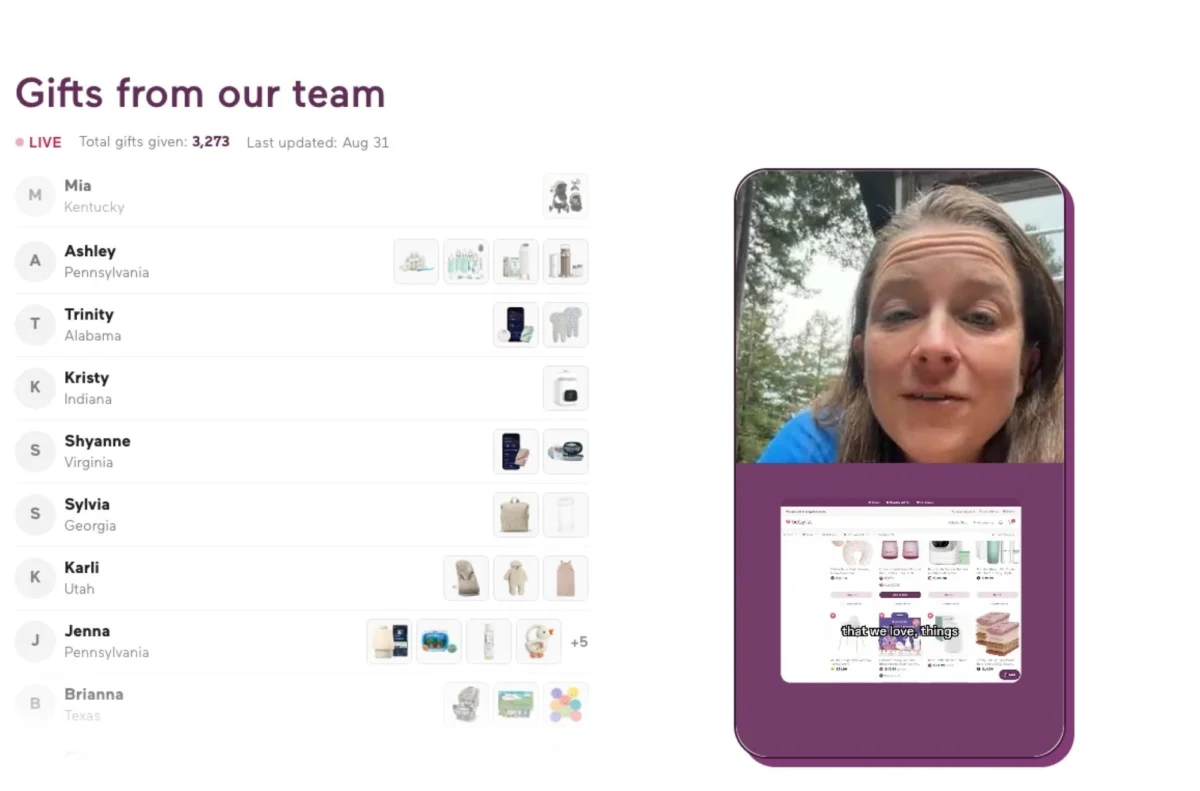
- Gift Distribution: As of August 31, 2026, the internal tracking page maintained by Babylist recorded over 3,279 individual gifts donated by the company’s own team, a number that has continued to climb daily.
- Corporate Participation: Major industry players stepped in with massive commitments. UPPAbaby, a premium stroller manufacturer, pledged to clear five full registries and provide strollers to an additional 50 families. Similarly, brands like Mina Baie and Itzy Ritzy committed to providing hundreds of dollars in products to selected registries.
The data suggests that the movement acted as a catalyst for a broader, necessary conversation about the costs of parenting. Between the requests for registry support, comment sections transformed into forums for peer-to-peer mentorship, where experienced parents debated the necessity of specific products, suggested cost-effective alternatives, and provided essential emotional reassurance to first-time mothers and fathers.
Official Responses and Corporate Strategy
The involvement of Babylist, a leading registry platform, was critical to the movement’s success. Jennifer Hyman, the incoming CEO of Babylist, emphasized that the partnership was about more than just supply chains and logistics.
"The goal is to reach parents at the exact moment they need answers, reassurance, and connection," Hyman noted. By formalizing the effort, Babylist provided a secure, transparent environment for the gifting to occur. The company’s strategy moving forward includes an ongoing commitment to crowdsourcing parenting advice, creating content that spotlights the stories of these families, and providing a platform for charities that support prenatal and postpartum health.
This isn’t merely a marketing win; it represents a shift in corporate social responsibility. By aligning themselves with a user-led trend, these brands have tapped into a model of "community-first" engagement that feels authentic to Gen Z and Millennial parents.

The Broader Implications: Is the Internet Becoming Kinder?
The success of #BabylistItForward raises a significant question about the nature of online communities: Is the internet becoming a kinder place, or are we simply witnessing a highly visible outlier?
The history of online generosity is long, spanning from GoFundMe campaigns for medical emergencies to "kindness creators" who build channels around acts of charity. However, #BabylistItForward feels distinct. It is less about the "spectacle" of the donor and more about the "utility" of the gift. It removes the ego often associated with viral charity and focuses entirely on the practical needs of the recipient.
The Human Element
Consider the story of Wyatt and Breanna Morris. Wyatt, an active-duty service member, posted their registry on TikTok, likely with little expectation of a massive response. The ensuing viral support—culminating in the purchase of their entire registry by strangers—is not just a feel-good news story. It is a testament to the fact that, despite the algorithm’s tendency to amplify negativity, users retain the agency to direct that same technology toward altruism.
The Sustainability of the Trend
While trends in the digital age are notoriously ephemeral, the impact of this one is lasting. The products purchased are not abstract; they are durable goods that will assist these families for months, if not years.

Furthermore, the movement has established a new "social protocol" for how we interact with strangers online. By normalizing the act of asking for help—and providing a safe, centralized space for that help to be offered—the movement has created a blueprint for future charitable initiatives. Whether this trend persists or evolves into something new, it has undeniably proven that the digital landscape is capable of radical, decentralized, and deeply human kindness.
As we look toward the future of social media, the #BabylistItForward movement stands as a reminder that the "digital village" is not a myth. It is a living, breathing, and occasionally very generous reality, provided the right tools are placed in the hands of people who are looking for a reason to connect.