

As the calendar turns to the first day of May, the literary world turns its gaze toward the ongoing drama of the 11th annual Self-Published Fantasy Blog-Off (SPFBO). For the indie publishing community, this date marks a significant milestone: the second round of eliminations. The competition, a rigorous gauntlet designed to spotlight the best in self-published genre fiction, continues to whittle down its massive field, reminding both readers and writers that the road to the semi-finals is paved with both triumph and heartbreak.
The Nature of the Contest: Subjectivity in the Spotlight
The SPFBO operates on a philosophy that is as vital as it is controversial: reading is inherently subjective. The panel of judges—a diverse collective of critics, bloggers, and industry enthusiasts—does not evaluate entries in a rigid, linear "worst-to-best" fashion. Instead, the process is a series of strategic culls. Books are reviewed in batches of five, with the goal of identifying standouts to propel toward the semi-finalist round.
This structure is a deliberate attempt to manage a field of 300 entries, providing a fair, if demanding, platform for authors who have bravely stepped into the arena. By the time the dust settles, those who do not advance are not necessarily "losers" in the traditional sense; rather, they are books that failed to resonate with the specific chemistry of this year’s judging panel. For readers, this transparency is a call to action: if a book is cut, it does not mean it lacks merit—it simply means it didn’t find its champion among the current team of evaluators.

The Second Five to Fall: A Retrospective
In this latest cycle of the contest, five distinct titles faced the chopping block. Each submission offered a unique entry into the vast lexicon of fantasy, ranging from high-stakes portal adventures to gritty, dragon-centric epics.
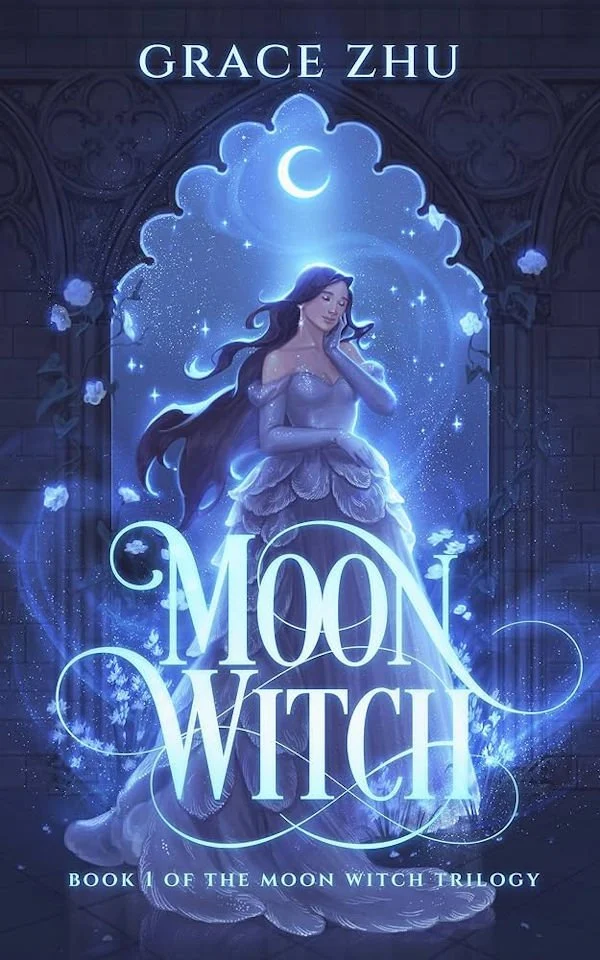
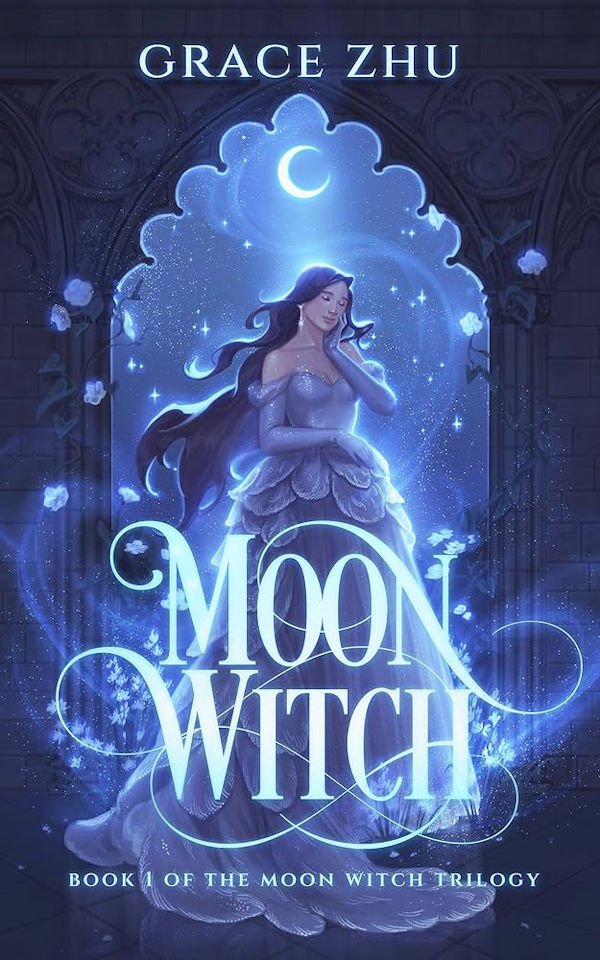
1. Moon Witch (Moon Witch, #1) by Grace Zhu
Grace Zhu’s Moon Witch presented a classic portal fantasy trope: a young photographer, Evangeline, and her friend Alice stumble through a rift into a realm governed by witchcraft. The narrative hook—the tension between the allure of a magical new world and the pull of home—was initially promising. While judges lauded Zhu’s vocabulary and atmospheric intent, the consensus ultimately leaned toward a disconnect in character resonance and prose density. Despite the positive reception of the worldbuilding, the book failed to maintain the momentum required to advance.
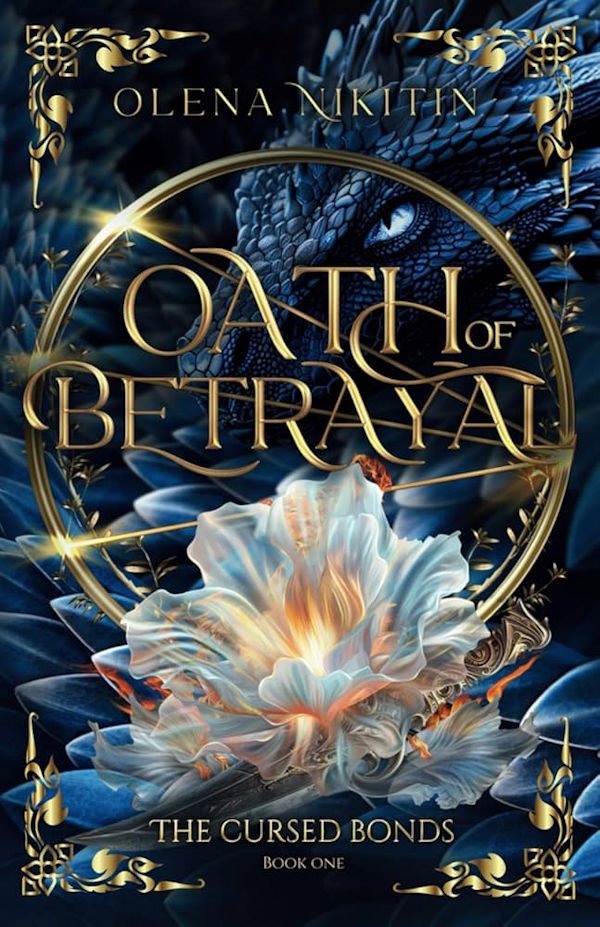
2. Oath of Betrayal (The Broken Bonds, #1) by Olena Nikitin
Oath of Betrayal stood as a testament to the surging popularity of "romantasy." Featuring a protagonist in her 30s, polyamorous dynamics, and unabashedly spicy content, it aimed squarely at a mature audience. However, the technical aspects of the storytelling proved to be a barrier. The judges noted that the use of multiple first-person perspectives and a heavy reliance on complex, dense lore hampered the immersion. Furthermore, the critique of the world’s gender dynamics—specifically the usage of "females" as a descriptor—drew negative attention, preventing the book from securing a spot in the next tier.
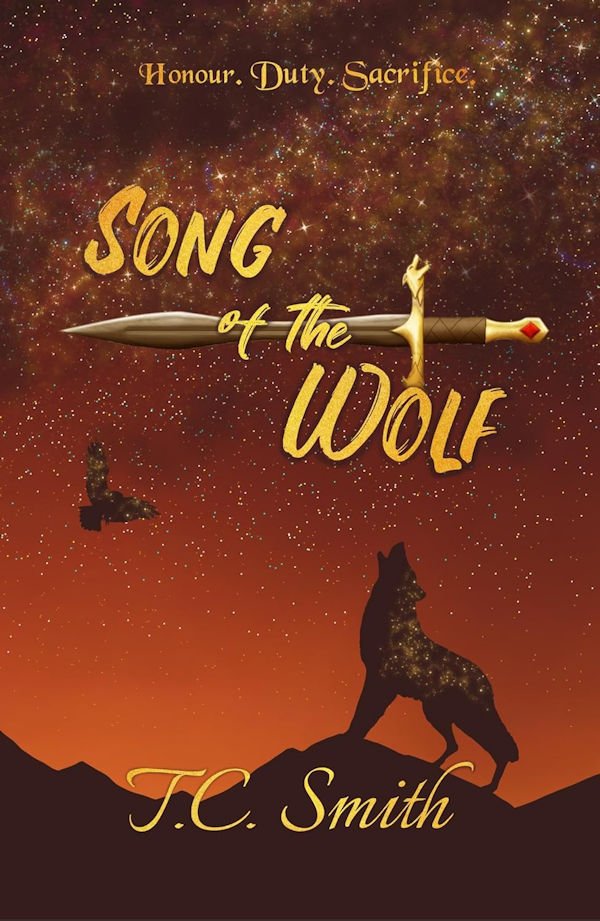
3. Song of the Wolf by T. C. Smith
T. C. Smith’s Song of the Wolf provided perhaps the most frustrating experience for the panel: a masterclass in worldbuilding coupled with a struggle in narrative execution. Set against the backdrop of an elven kingdom in turmoil, the book featured well-crafted characters, yet the plot was frequently undermined by illogical character choices. In the world of competitive fantasy, where internal consistency is paramount, these "odd decisions" acted as a roadblock, making it impossible for the judges to remain emotionally tethered to the protagonist’s journey.
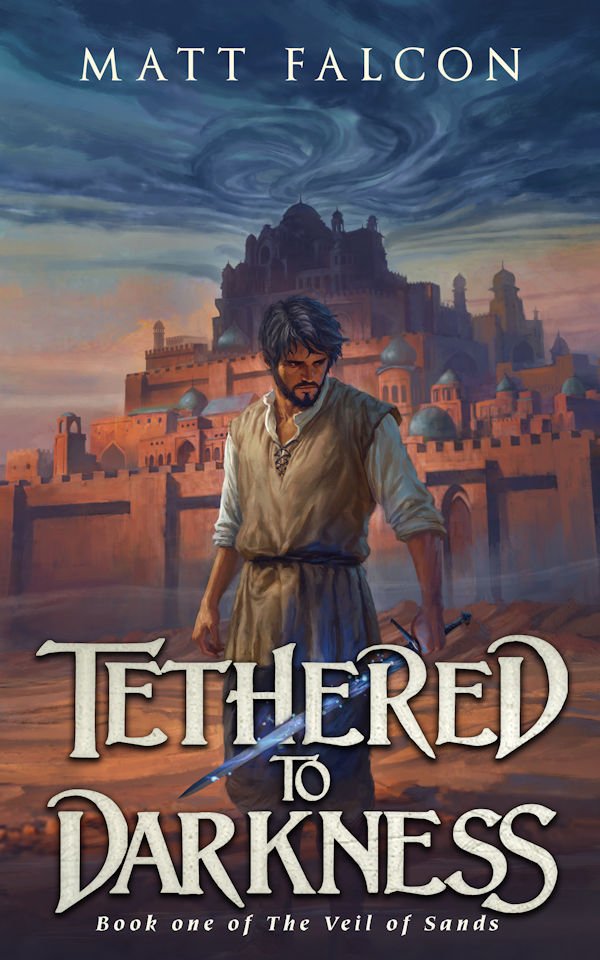
4. Tethered to Darkness by Matt Falcon
Dragon-focused fantasy is a staple of the SPFBO, and Tethered to Darkness arrived with high expectations. Despite a compelling premise involving a dystopian city trapped by encroaching sands and a dark, divine legacy, the book suffered from a "lack of urgency." One judge summarized the sentiment perfectly: "I never found a reason to put it down, but I also never found myself desperate to pick it back up." It was a technically competent novel that ultimately failed to ignite the specific passion needed for a high-tier ranking.
5. The Fire Within by John B. Cheek
Finally, The Fire Within highlighted the crucial role of the editorial process in the indie sphere. The book possessed "good bones"—a solid, classic fantasy premise involving an impending invasion and three tortured souls fighting for survival. One judge even completed the volume in a single sitting, proving the narrative’s baseline appeal. However, the lack of a final, rigorous polish meant the book felt "rough around the edges." In a contest of this magnitude, prose refinement is often the difference between moving forward and being cut.
Supporting Data and Judging Logistics
The SPFBO 11 is a massive logistical undertaking, spearheaded by fantasy stalwart Mark Lawrence. The sheer volume of 300 books requires an immense level of coordination. This year’s judging panel is comprised of 14 seasoned readers, including Adawia Asad, Eva Geraghty, Evelyn Grimald (“E.G.” Stone), Julia Kitvaria Sarene, Karen Lucia, Kerry Smith, Kit Caelsto, Maureen Neuman, Robert Max Freeman, Sara Rosevear, Sherry Cammer, Stacey Markle, Tianna Twyman, and Yaniv Rosenfeld Cohen.
The panel’s methodology relies on a rotational review system. Each judge brings their own biases, preferences for pacing, and tolerance for specific sub-genres. This diversity is the primary defense against the critique of unfairness; if a book is rejected by one group, it has likely been scrutinized by several lenses before the final verdict is reached.
Official Responses and Industry Implications
The authors involved in this cull were treated with the respect due to those who subject their creative output to public scrutiny. The SPFBO organizers consistently emphasize that the contest is not an objective measure of quality, but a filter for reader preference.
For the indie industry, these results serve as a mirror. The feedback regarding The Fire Within (editing) and Oath of Betrayal (POV and terminology) provides a roadmap for authors looking to improve their craft. In the self-published space, where there is no traditional gatekeeping by a publishing house editor, these blog-off reviews have become the de facto quality assurance mechanism. Authors who do not advance are encouraged to view these critiques as professional development.
Conclusion: The Road Ahead
With these five books departed, the SPFBO 11 moves forward with 20 fewer titles to manage, though 20 remains a significant number in the current phase. The remaining candidates are now in a heightened state of scrutiny. For those authors still in the running, the stakes have never been higher.
The broader implications of this process are clear: the barrier to entry for fantasy is lower than ever, but the barrier to excellence remains as high as it has always been. As the contest continues through the spring, the focus will shift toward identifying the semi-finalists who possess that elusive "X-factor"—the ability to captivate a panel of experts through a combination of polished prose, tight plotting, and resonant characterization.
For readers, the list of 300 books—available in full on Mark Lawrence’s official blog—remains a goldmine. Whether a title was cut in the first round or the current one, the beauty of the SPFBO is that it provides a permanent record of discovery. Every reader is encouraged to browse the list, sample the works, and decide for themselves. After all, as the panel reminds us, one judge’s "pass" might just be another reader’s next favorite book.
For more information on the ongoing progress of the 11th Annual SPFBO, readers can follow the updates at the official SPFBO website. Direct queries regarding the judging process or future submissions may be directed to the lead editor, Jennie Ivins, via social media channels on Bluesky or Threads.












No comments yet. Be the first to join the conversation!