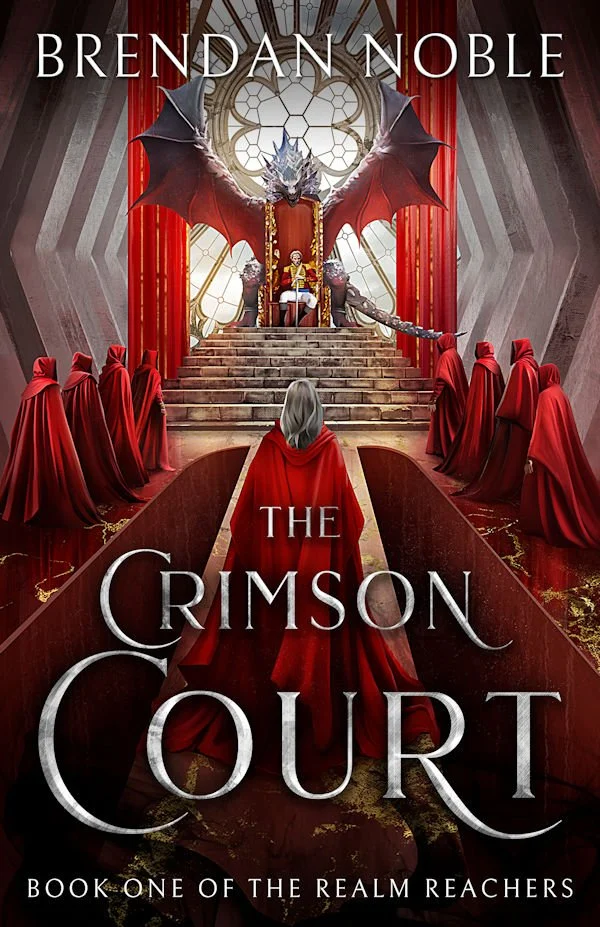
The literary landscape of independent publishing is currently fixated on the eleventh annual Self-Published Fantasy Blog-Off (SPFBO-11), a prestigious competition that has become the gold standard for uncovering hidden gems within the genre. As the contest nears its climax, the judging panel—a diverse collective of fifteen seasoned fantasy reviewers—has reached a critical juncture. The "Sixth Fall" of the competition has concluded, resulting in the elimination of three more titles.
With only a single cut post remaining before the transition to the highly anticipated semi-finalist round, the stakes have never been higher. The following report provides a comprehensive look at the recent eliminations, the critical consensus behind the judges’ decisions, and the implications for the authors navigating this rigorous, high-profile selection process.
The SPFBO-11 Selection Process: An Overview
To understand the significance of these eliminations, one must first recognize the structure of the SPFBO. The competition does not operate on a linear "worst-to-best" ranking system; instead, it is a process of attrition. Judges engage with the massive pool of entries in small, manageable batches, constantly refining their focus until a final group of four semi-finalists emerges.
Each of these semi-finalists will eventually be granted the distinction of a full, dedicated critique. This iterative methodology ensures that every book is given a fair opportunity to capture the judges’ attention. However, as the field narrows, the scrutiny intensifies. The current phase represents the final culling before the judges turn their full attention toward the books that have shown the most promise, coherence, and commercial potential.
Eliminated Titles: A Critical Analysis
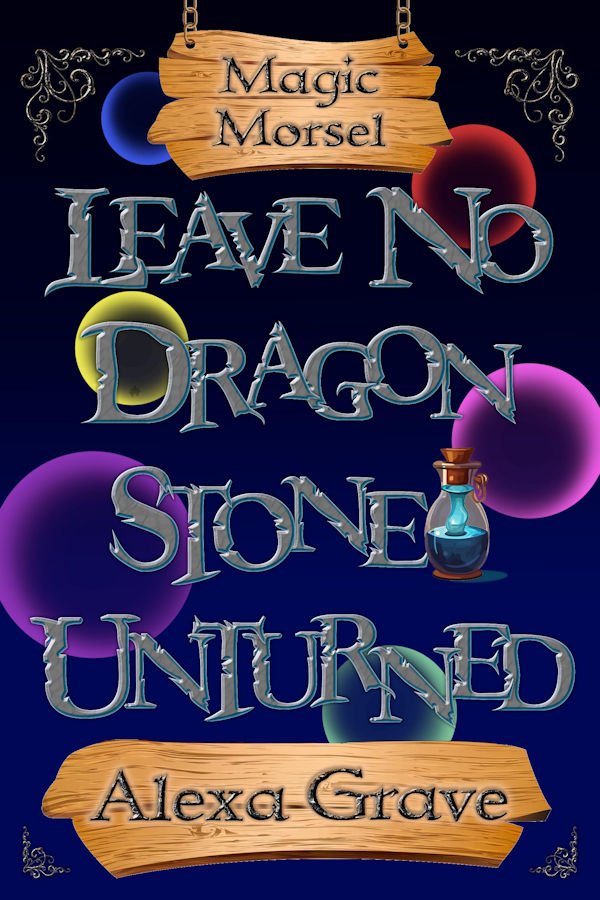
The three books eliminated in this round—Leave No Dragon Stone Unturned, The Crimson Court, and Remnant—represent the diverse spectrum of modern self-published fantasy, ranging from lighthearted "cozy" urban fantasy to ambitious, multi-POV epic narratives.

1. Leave No Dragon Stone Unturned by Alexa Grave
Leave No Dragon Stone Unturned presented a unique premise: a "tech-mage" protagonist named Lila, who operates a neutral-ground establishment for magical entities in the Triopolis area. The judges initially lauded the novel for its inventive fusion of modern technology and magical tropes.
The Critical Divide
The consensus regarding this title was remarkably polarized. While the breezy pacing and the "Magic Morsel" setting drew significant praise, the novel’s focus on the protagonist’s romantic life proved to be the primary point of contention. Judges Kerry and Julia noted that the narrative frequently shifted from world-building to internal monologues regarding the protagonist’s libido.
For readers who prioritize high-octane romantic tension, the book likely succeeds. However, for a judging panel looking for a balance between plot momentum and character development, the constant fixation on the protagonist’s physical attractions acted as a distraction. Ultimately, the novel was viewed as a "comfort food" read—pleasant and light, but perhaps lacking the narrative depth required to advance to the semi-finalist stage.
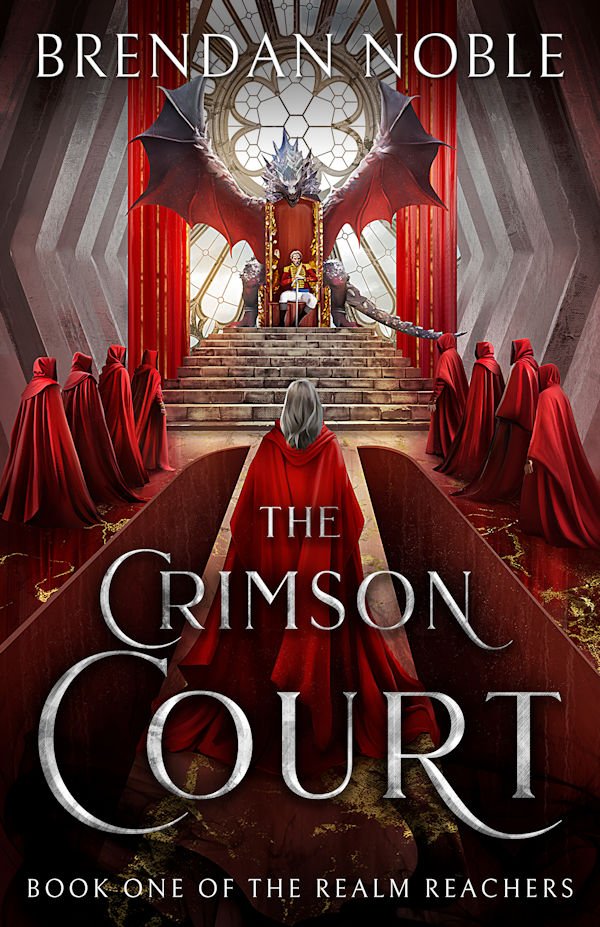
2. The Crimson Court by Brendan Noble
Brendan Noble’s The Crimson Court was perhaps the most frustrating elimination for the panel, as it showcased immense potential that ultimately struggled under its own weight.
Strengths and Structural Challenges
The novel’s world-building—which draws heavily from Russian and Siberian influences—was widely praised. The magic system, predicated on "Reachers" drawing power from fifteen distinct realms, was hailed as one of the most creative concepts in this year’s batch. Furthermore, the inclusion of a naturally inclusive, LGBTQIA+ normative cast was noted as a refreshing element of the writing.
The Turning Point
The decline in the judges’ engagement began with the book’s sheer scale. At over 700 pages, the pacing faltered significantly after the first half. While the opening chapters promised a taut, political thriller, the narrative became increasingly long-winded. The judges noted that while the "bones" of the story were strong, the lack of a tighter, more ruthless edit left the emotional arcs feeling thin. It serves as a potent reminder that in the crowded self-publishing market, structural pacing is just as vital as world-building.
3. Remnant by K. R. Solberg and C. R. Jacobson
Remnant faced the most significant uphill battle with the panel. Despite a compelling opening hook centered on the death of an immortal—a classic inciting incident for epic fantasy—the momentum failed to sustain itself.
The Complexity Barrier
The primary criticism leveled against Remnant was the overwhelming influx of characters introduced early on. The judges reported that because the narrative lacked the necessary focus to anchor these characters, they remained "names on a page" rather than fully realized individuals. The prose, described as wordy and flat, hindered the readers’ ability to immerse themselves in the world. As a result, the panel found it difficult to maintain enthusiasm, and the book was ultimately set aside before completion.
Supporting Data: The Judging Panel’s Criteria
The SPFBO-11 panel is comprised of fourteen distinguished voices, including Adawia Asad, Julia Kitvaria Sarene, and Stacey Markle, among others. Their collective evaluation metrics focus on four core pillars:
- Narrative Drive: Does the story maintain momentum?
- World-Building: Is the setting internally consistent and immersive?
- Character Depth: Do the motivations and emotional responses resonate with the reader?
- Prose Quality: Is the writing style engaging and free of clunky exposition?
The recent cuts underscore the subjectivity of the contest. While a book like The Crimson Court was lauded for its world-building, it was still eliminated due to pacing issues. This highlights that for the SPFBO judges, no single strength can compensate for a lack of narrative cohesion.
Official Responses and Author Advocacy
In an official statement regarding the cuts, the organizers emphasized the difficulty of the process. "Putting your work forward for a competition takes real courage," the blog post noted, acknowledging the emotional and professional labor invested by every author.
The SPFBO has always been as much about visibility as it is about winning. Even for the authors whose works were cut, the exposure provided by the competition—and the detailed feedback from professional reviewers—serves as a valuable roadmap for future revisions and marketing strategies. The organizers maintain a firm stance: reading is subjective, and a book that "doesn’t click" for the panel may very well find a devoted audience elsewhere.
Implications for the Future of Indie Fantasy
The trends identified in the "Sixth Fall" offer a glimpse into the current state of independent fantasy:
- The Rise of Niche Sub-genres: Readers and judges are increasingly hungry for inventive fusions, such as the "tech-mage" urban fantasy seen in Leave No Dragon Stone Unturned.
- The Peril of Length: As seen with The Crimson Court, authors must be disciplined. Even a brilliant, inclusive, and richly imagined world can be undermined by a bloated page count that obscures the core emotional arc.
- The Clarity of Cast: Epic fantasy, while known for large casts, requires a delicate hand. Remnant serves as a cautionary tale: characters must be introduced with purpose, or they risk becoming invisible to the reader.
As the SPFBO-11 marches toward its conclusion, the focus shifts to the final two books on the chopping block. The remaining contestants face a high bar: the judges are now looking for the "best of the best," the stories that don’t just hold the reader’s attention, but demand it. For those interested in tracking the final developments, the official SPFBO website and the associated social media channels (Bluesky and Threads) remain the primary hubs for updates.
The journey for the eliminated authors may have concluded in this contest, but in the world of independent publishing, their narratives are far from over. The courage to participate in such a public gauntlet is, in itself, a testament to the vitality of the genre.