

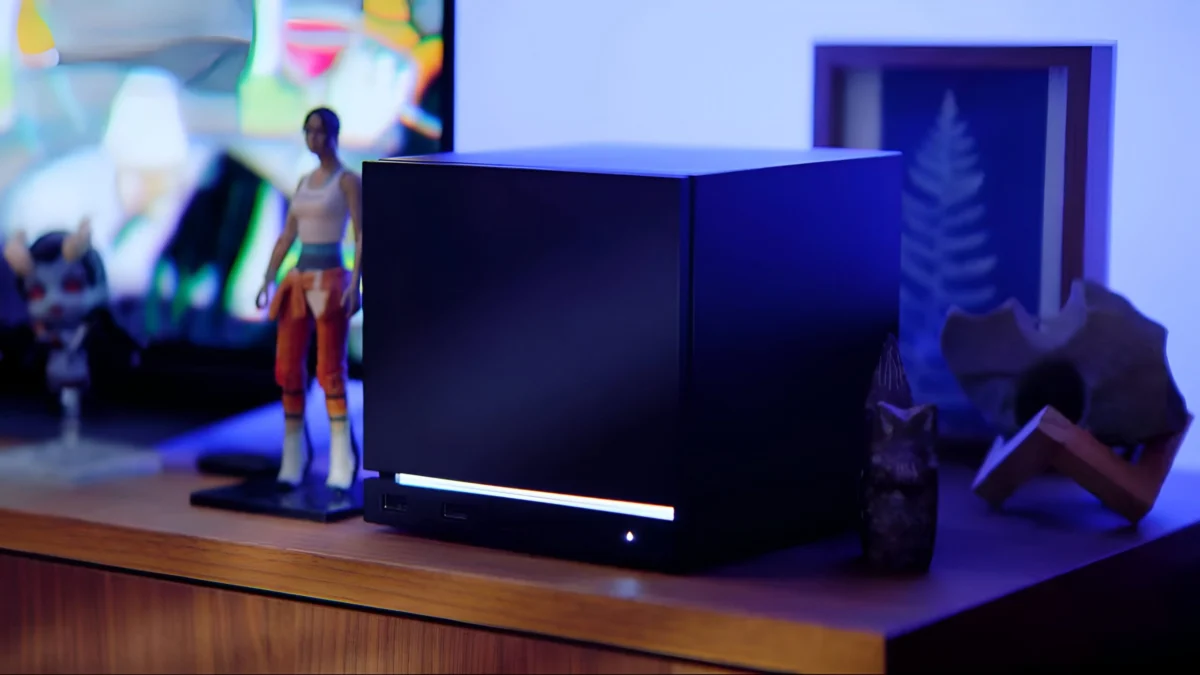
Valve Corporation has long occupied a unique, almost mythical status within the gaming industry. From its dominance as the world’s primary digital storefront to its groundbreaking forays into hardware like the Steam Deck and the Steam Controller, Valve is a company that defines industry trends rather than following them. However, as the industry looks toward the highly anticipated 2026 launch of the new "Steam Machine," a cloud of skepticism hangs heavy over the project.
While Valve has successfully proven that it can curate a frictionless ecosystem, the upcoming Steam Machine represents a challenging departure from the handheld success of the Steam Deck. Marketed not as a traditional console, but as a specialized PC running SteamOS capable of 4K/60 FPS gaming, the device faces a precarious path. With internal specifications that mirror mid-range components, a pricing structure that rejects the "subsidized console" model, and an increasingly crowded DIY market, one must ask: who is this device actually for?
The Anatomy of the Device: Specs vs. Reality
When rumors first solidified into confirmation, the gaming community’s initial excitement was quickly tempered by a technical reality check. The upcoming Steam Machine is slated to house a semi-custom AMD Zen 4 6-core/12-thread CPU paired with a semi-custom RDNA 3 GPU. With 16GB of DDR5 RAM and a 110W TDP, the internal architecture closely mirrors a desktop build featuring a Ryzen 5 7600 and an RX 7600.
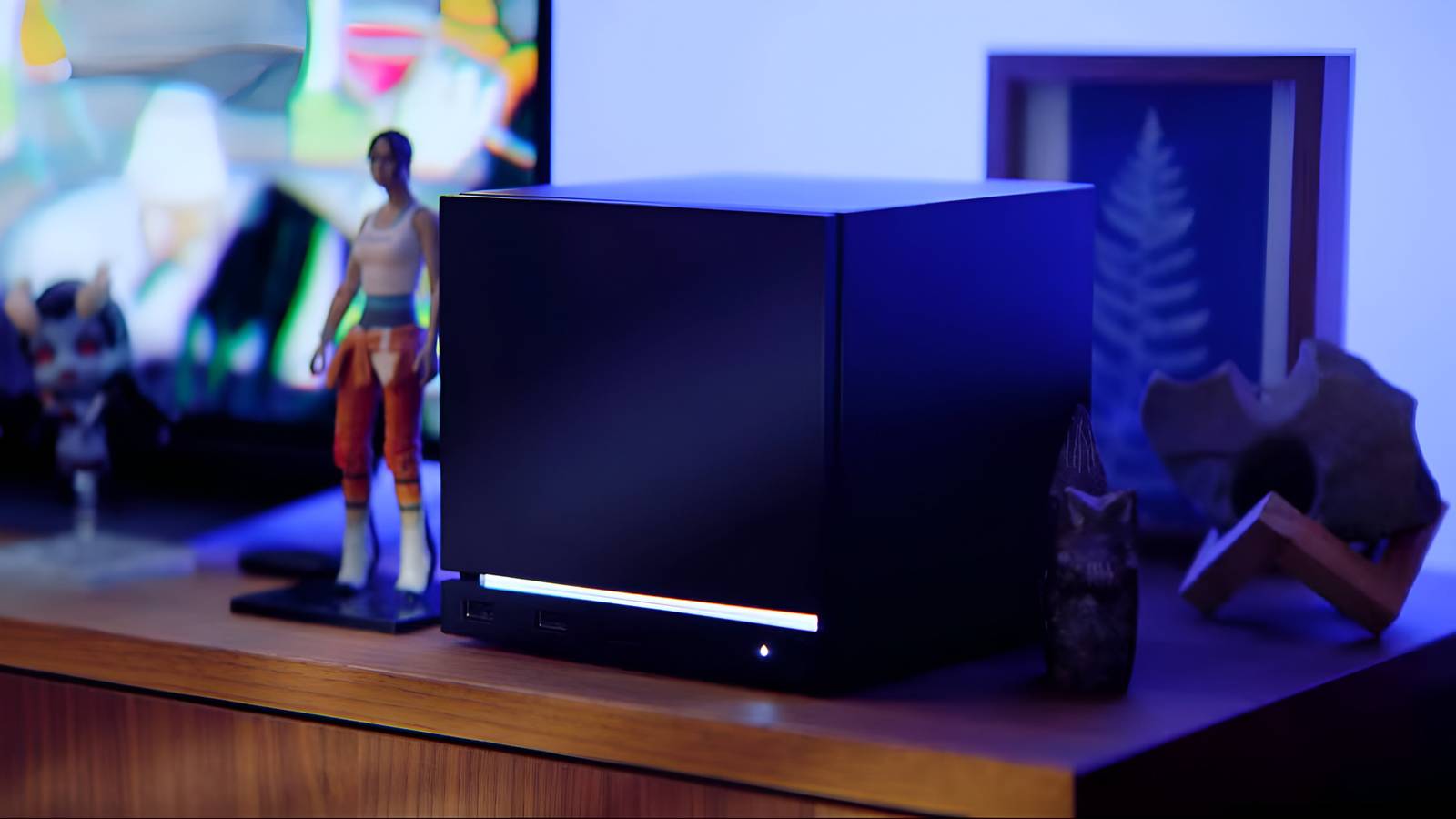
While these specifications are adequate for 1080p gaming, the promise of 4K/60 FPS output appears ambitious at best. Valve has pinned its hopes on the "magic" of software optimization and the streamlined nature of SteamOS to bridge the gap between mid-range hardware and high-end performance. However, there are physical limits to what features like FSR (FidelityFX Super Resolution) can achieve. In an era where modern AAA titles are increasingly demanding, this hardware configuration sits in an awkward middle ground—too powerful to be "budget-friendly," yet too constrained to truly compete with enthusiast-grade gaming PCs.
A Chronology of the Struggle
The path to the 2026 launch has been anything but smooth. The history of Valve hardware is a story of two distinct eras: the experimental, somewhat disastrous first attempt at "Steam Machines" a decade ago, and the refined, calculated success of the Steam Deck.
- 2015-2017 (The First Era): Valve’s initial attempt to enter the living room failed largely due to a lack of a cohesive software strategy and hardware that was fragmented across various manufacturers, leading to inconsistent performance and high prices.
- 2022 (The Steam Deck Success): Valve struck gold by focusing on a "blue ocean" strategy. By creating a handheld that had no direct competitors, they captured a market that didn’t know it needed a PC-powered portable.
- 2025 (The AI-Induced Crisis): The original roadmap for the new Steam Machine was pushed back significantly. The global semiconductor landscape, disrupted by the massive surge in AI-related hardware manufacturing, caused component costs to skyrocket.
- 2026 (The Current Outlook): With the launch finally in sight, the market has evolved. DIY enthusiasts are now more capable than ever of building their own Linux-based gaming rigs, potentially cannibalizing the demand for a proprietary, non-upgradable Steam Machine.
The Financial Implication: Pricing in a Volatile Market
Valve has been transparent about one crucial detail: the Steam Machine will not be sold at a loss. Unlike Sony or Microsoft, who frequently subsidize hardware costs to build an install base for their subscription services and ecosystem, Valve is positioning the Steam Machine as a premium hardware product.

Current market analysis suggests a price point hovering near the $1,000 mark. This creates a massive value proposition hurdle. If a consumer can build a desktop PC with a more powerful GPU (such as the RX 9060 XT) and an easily upgradeable chassis for roughly $1,200, why would they opt for a locked-down, proprietary unit? The Steam Machine lacks the "closed ecosystem" benefit of the PlayStation or Xbox, yet it lacks the "open, modular freedom" of a custom-built PC. It is currently the worst of both worlds.
The Compatibility Elephant in the Room
Perhaps the most significant barrier to the Steam Machine’s success is the software landscape. Despite the immense strides made by Proton and SteamOS, the platform still faces a major hurdle: kernel-level anti-cheat.
Many of the world’s most popular competitive titles, including Call of Duty, Valorant, and League of Legends, remain incompatible with the Linux-based environment of SteamOS. For a device that intends to sit in the living room as a primary gaming machine, the inability to play these massive, persistent-service games is a critical flaw. Valve is effectively asking users to give up a significant portion of their library to adopt this hardware. Unless Valve can negotiate deeper integration with these publishers, the Steam Machine will remain a "secondary" device for most users, which is a hard sell at a four-figure price point.
Supporting Data: The Competition
The landscape is shifting beneath Valve’s feet. Alternatives like the "Playnix" console are already hitting the market, offering comparable hardware at prices that undercut what analysts expect from Valve. Furthermore, the rise of "Bazzite" and other Linux distributions has empowered users to turn existing mini-PCs and aging laptops into makeshift Steam Machines.
According to the latest Steam Hardware Survey, the vast majority of PC gamers are already running hardware that meets or exceeds the rumored specs of the Steam Machine. The "target demographic" for a pre-built, locked-down device is essentially restricted to users who are intimidated by the PC building process but desire the Steam ecosystem—a demographic that is historically small and shrinking as pre-built gaming PCs become more accessible.
Implications for Valve and Linux Gaming
If the Steam Machine fails to gain traction, does it spell disaster for Valve? Likely not. The company’s primary strength is the Steam storefront itself, which generates revenue regardless of the hardware used to access it. However, the strategic implication is profound.
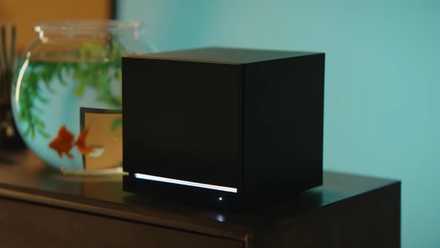
Valve is clearly betting on a future where Windows is not the default environment for PC gaming. The Steam Machine is, in many ways, an insurance policy. If Microsoft continues to tighten its grip on the Windows ecosystem, Valve needs a viable, hardware-backed alternative.
Even if the Steam Machine becomes a commercial flop, the R&D invested into the device will yield long-term dividends for Linux gaming. Every optimization Valve develops for this hardware makes the Steam Deck better and strengthens the overall viability of Linux as a gaming platform. The project is a long-term play for platform independence, even if it appears to be a short-term headache.
Conclusion: A Heart vs. Mind Dilemma
My heart wants the Steam Machine to succeed. The idea of a sleek, purpose-built, "console-like" experience that retains the power and library of a PC is the holy grail of gaming. It represents the dream of a frictionless, high-performance future that Valve has been chasing since the inception of the Steam Controller.
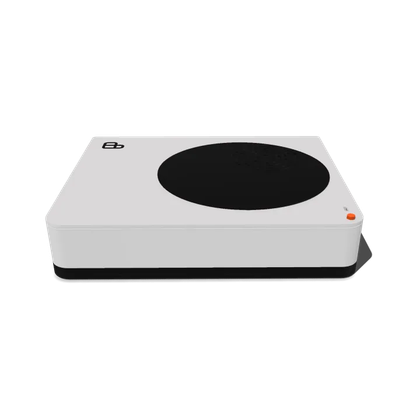
However, my mind remains unconvinced. The device is arriving in a market that has moved faster than the hardware development cycle. It is priced as a premium product but designed with the limitations of a budget machine. It offers the constraints of a console without the exclusive games or the massive, subsidized install base.
Valve is undoubtedly the most capable company in the industry to navigate these waters, but they have their work cut out for them. If the Steam Machine is to avoid the fate of its predecessors, Valve must do more than just build a good computer—they must justify its existence in a market that already has everything it needs. Whether this will be a masterstroke or a massive miscalculation remains to be seen, but one thing is certain: the PC gaming world will be watching in 2026.












No comments yet. Be the first to join the conversation!