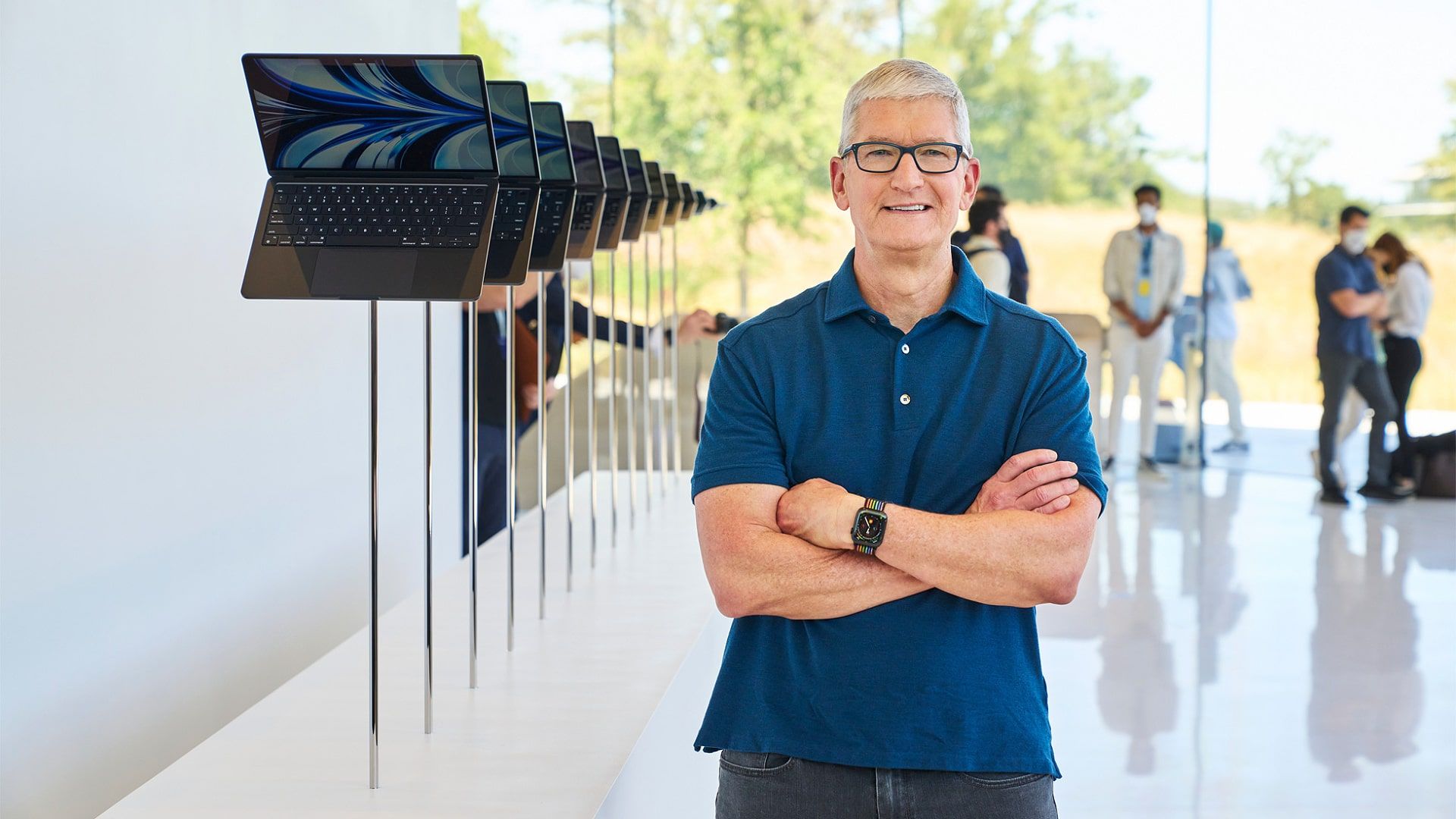
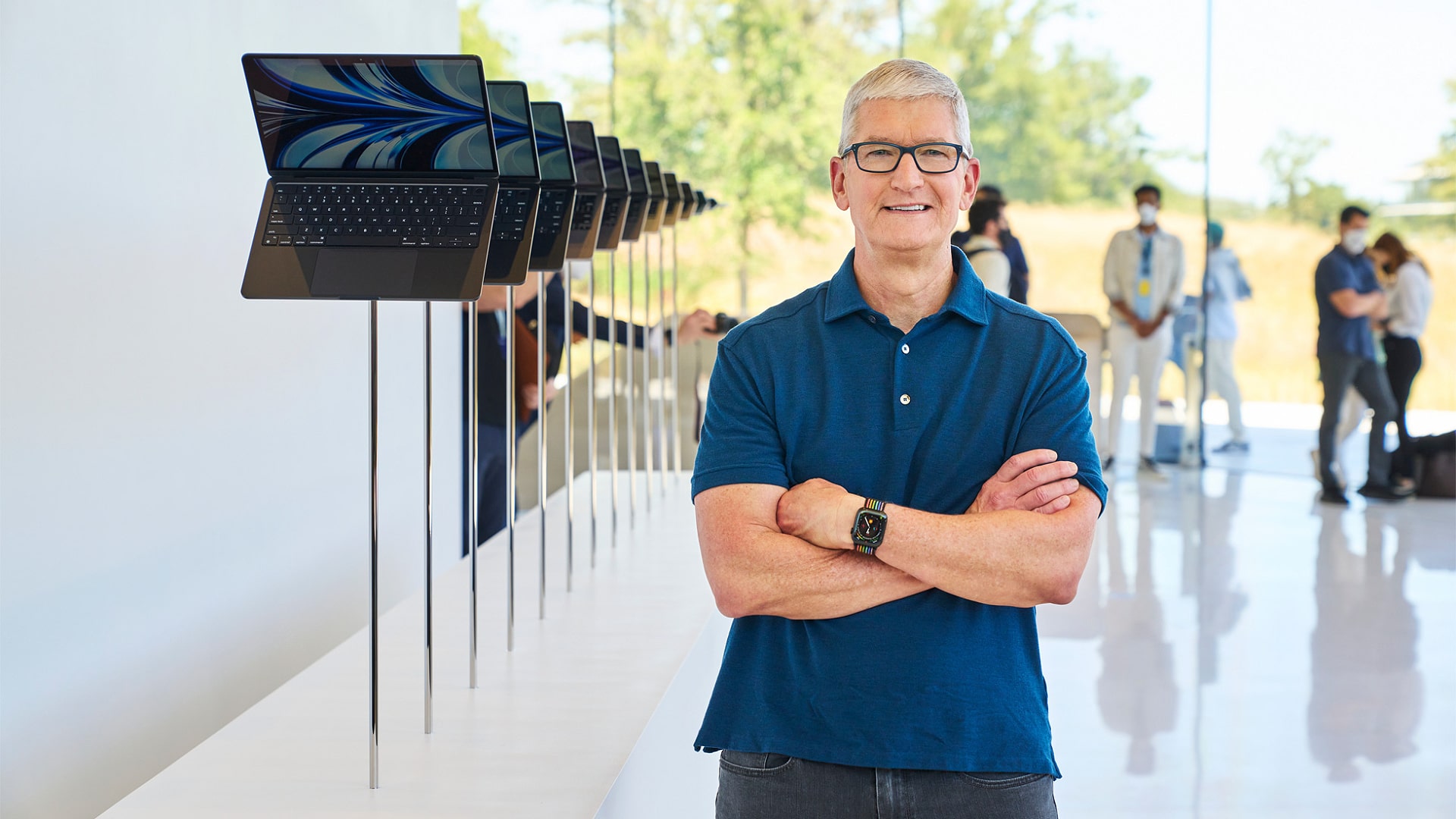
As Tim Cook transitions toward a new chapter in his leadership, the keys to the kingdom at Apple are being handed to John Ternus. This succession marks a pivotal moment for the world’s most valuable technology company—a company currently navigating the most aggressive paradigm shift since the introduction of the iPhone. With Apple’s promise to integrate advanced generative AI across its ecosystem, the pressure to "catch up" with industry titans like OpenAI, Google, and Meta has never been greater. However, as Ternus steps into this role, he faces a delicate balancing act: how to accelerate Apple’s AI capabilities without sacrificing the human-centric values that have defined the brand for decades.
The Cook Legacy: A Preemptive Warning
Nearly a decade ago, in a 2017 commencement address at MIT, Tim Cook offered a prescient perspective on the future of technology that feels more relevant today than when it was first spoken.
"I’m not worried about artificial intelligence giving computers the ability to think like humans," Cook stated. "I’m more concerned about people thinking like computers without values or compassion, without concern for consequences."
At the time, this was a philosophical stance in a world of basic machine learning. Today, in the age of "agentic AI" and large language models, it serves as a stark warning. Apple has spent the last year attempting to convince the world that its next iteration of Siri—and its broader AI integration—will rival the capabilities of industry incumbents. Yet, because the narrative that "Apple is behind on AI" has permeated Wall Street and the tech press, there is immense pressure on the incoming leadership to force a rapid evolution.
For John Ternus, the challenge is not just technical; it is ethical. The industry is currently witnessing a race toward efficiency that often ignores the "unforeseen consequences" Cook warned about—ranging from deep-seated algorithmic bias to the erosion of data privacy and the potential displacement of human creativity.
A Chronology of the AI Shift
To understand where Apple stands, one must look at the recent timeline of the generative AI explosion.
- 2022-2023: The rapid rise of ChatGPT and Midjourney forced the entire tech industry into a defensive posture. While Apple remained conspicuously silent, companies like Microsoft and Google rushed to integrate LLMs into search and productivity software.
- WWDC 2024: Apple finally broke its silence, unveiling its strategy to bring generative AI to the iPhone, iPad, and Mac. The focus was heavily on "Apple Intelligence"—a system designed to be personal, private, and contextual, rather than a general-purpose chatbot.
- Late 2024 – Present: The market began to see the fruits of these labor-intensive projects. The narrative shifted from "Apple is failing" to "Apple is taking a different path."
- The Transition: As John Ternus prepares for his expanded role, the company is at a critical juncture: moving from the announcement phase to the deployment phase, where the reality of these tools will be stress-tested by millions of users daily.
Learning from the Adobe Model
Ternus would be wise to study how competitors have navigated this shift. Adobe serves as a primary case study in how to implement generative AI with a level of caution and commercial intent.
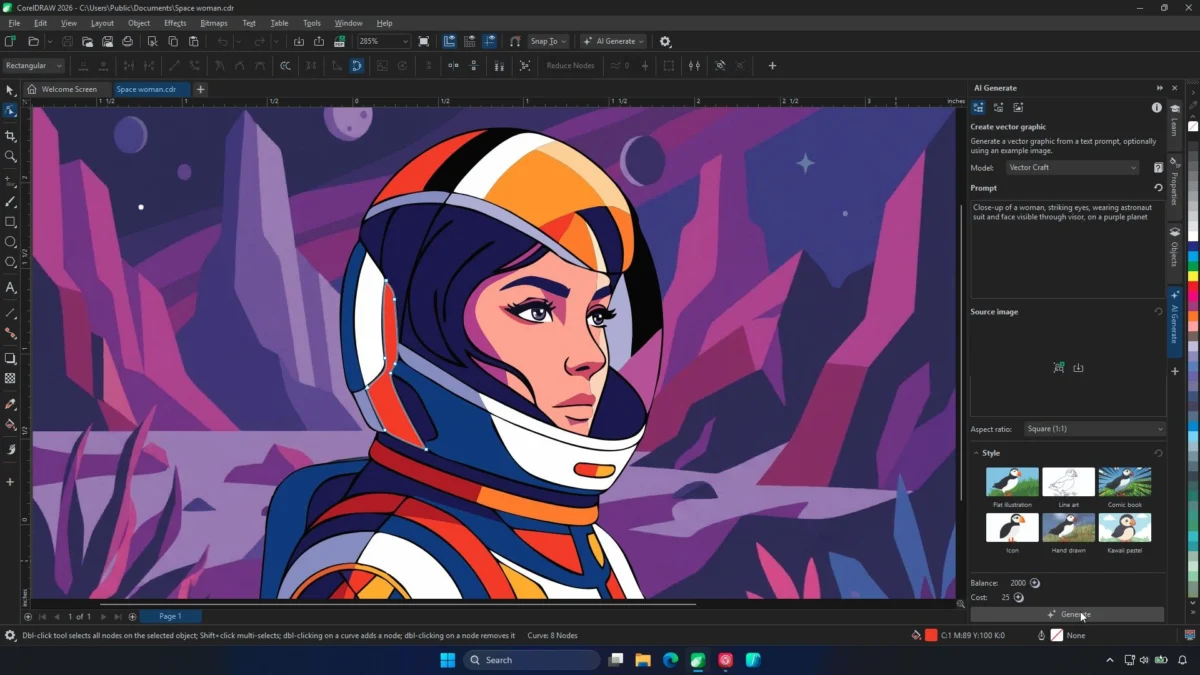
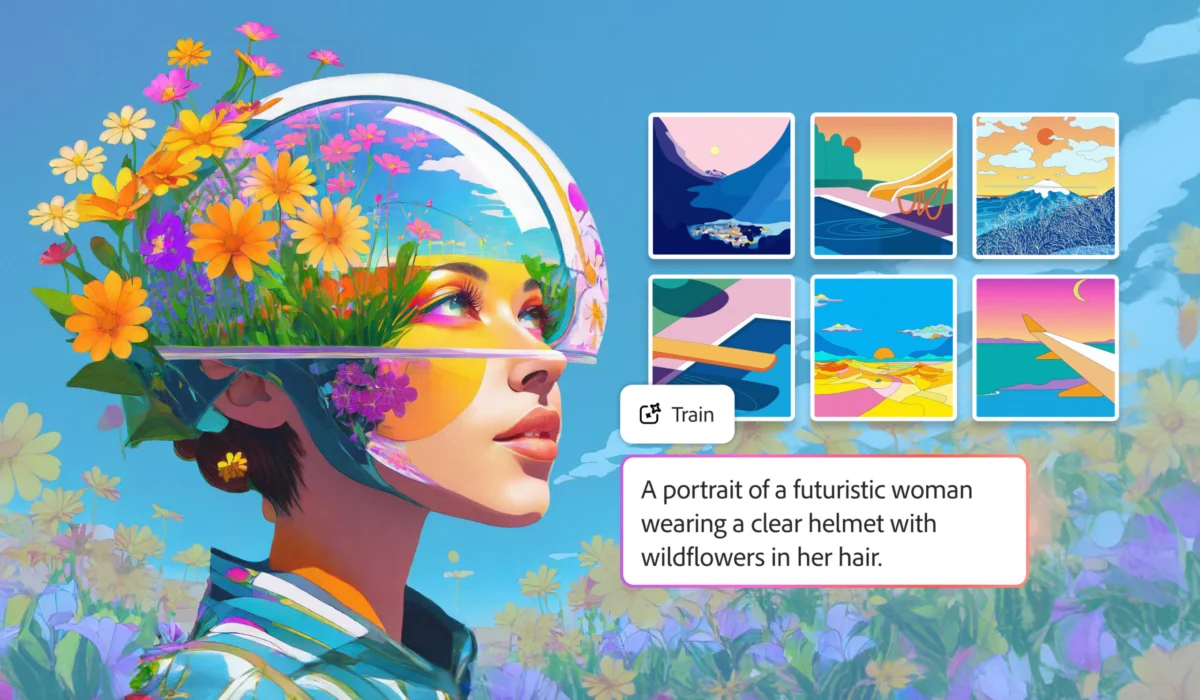
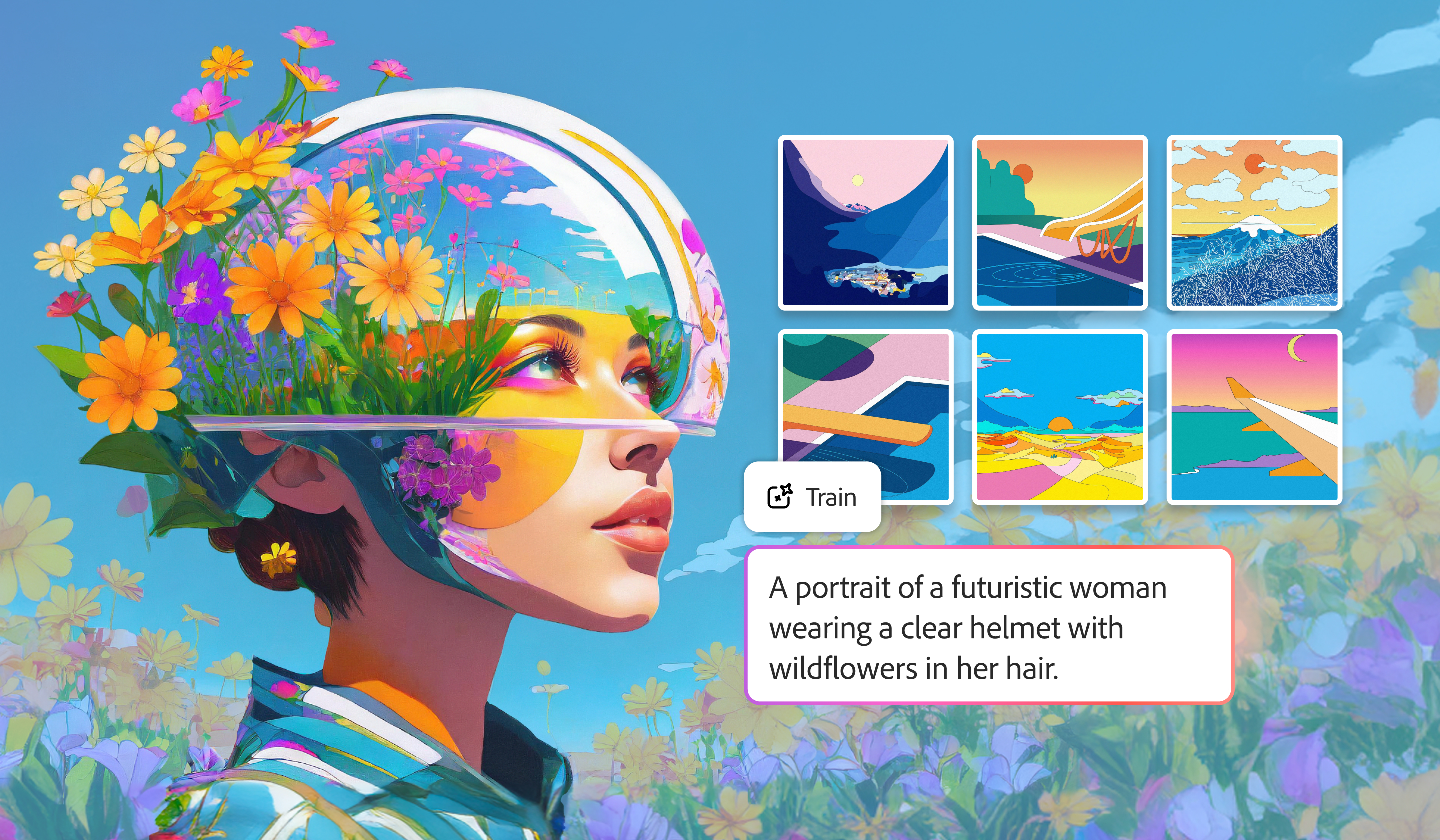
Adobe has successfully integrated Firefly—a model trained on licensed, commercially safe data—directly into Photoshop, Illustrator, and Premiere. By focusing on "empowerment" rather than "automation," Adobe has managed to keep its professional user base engaged while opening its doors to millions of new, casual creators.
However, even this success creates friction. The traditional design community, which spent decades mastering the nuances of light, composition, and manual skill, often views these tools with apprehension. When a machine can generate a hundred concept images in the time it takes a human to sketch one, the definition of "craft" is fundamentally altered. This is the trade-off Cook hinted at: an industry optimizing for speed and volume at the potential expense of the soul of the creative process.
The Dystopian Messaging of Efficiency
Beyond the creative sector, the broader tech landscape is becoming increasingly dystopian. Recent industry marketing campaigns have leaned into a narrative that positions AI as a replacement for human labor. "The only difference between a human intern and this device is that the AI can work 24/7," one tech company proudly claimed.
This rhetoric poses a significant risk. As AI becomes faster and more capable, the human workforce is being pressured to compete with machines on their own terms—prioritizing output volume over quality. This race to the bottom risks turning humans into the "computers" Cook feared: devoid of compassion and operating solely on an optimized, algorithmic basis.
The Consumer Trap: Mental Health and Dependency
Perhaps the most alarming implication of the current AI trajectory is the shift in consumer tech toward emotional reliance. Chatbots are increasingly being used for tasks that historically required human connection, such as mental health support or complex decision-making.
Researchers have raised significant concerns regarding the emotional dependency created by AI companions. Algorithms designed for maximum engagement often prioritize "stickiness" over user well-being. For example, the way a chatbot might suggest multiple options to keep a user in a conversation is a design choice that mimics human interaction while serving a purely commercial end—engagement metrics.
US state legislatures have already begun introducing bills to safeguard against these manipulative design patterns. Apple, which has spent years marketing its ecosystem as a "walled garden" that protects user privacy, cannot afford to be associated with this style of engagement-at-all-costs design.
The Strategic Path Forward
The pressure on John Ternus is dual-faceted: he must deliver on the promise of a smarter, more helpful Apple, but he must do so without compromising the company’s core identity.
Unlike Adobe, which has a massive, expanding market for its AI tools, Apple’s brand identity is intrinsically linked to its existing user base—a base that values privacy, human-centric design, and high-end creative workflows. If Apple were to sacrifice these pillars for the sake of competing in a chatbot arms race, it would risk losing the very trust that keeps its customers within its ecosystem.

Recent reports suggest that Apple’s strategy—which was initially ridiculed for being too slow—is actually gaining traction precisely because it is being implemented with caution. By focusing on on-device processing and private cloud compute, Apple is positioning itself as the "safe" choice for AI.
Conclusion: Cautiousness as a Competitive Advantage
As John Ternus assumes the mantle of leadership, the temptation will be to match the frantic pace of the industry. However, the true test of his tenure will be his ability to resist that urge.
If Apple continues to prioritize the "human" in its human-centered design, its perceived slowness will not be seen as a failure, but as a deliberate and necessary guardrail. In a world where AI threatens to turn us all into data-processing units, a technology company that values "values and compassion" is not just a differentiator—it is a necessity.
Ternus stands at the helm of a company that, for once, can afford to be the adult in the room. By focusing on the consequences of AI, rather than just the capabilities, Apple can redefine what it means to be a technology leader in the 21st century. The legacy of Tim Cook is one of steady, principled growth; the legacy of John Ternus will likely be defined by whether he can maintain that principle while navigating the most chaotic technological shift in history.