Suro Senen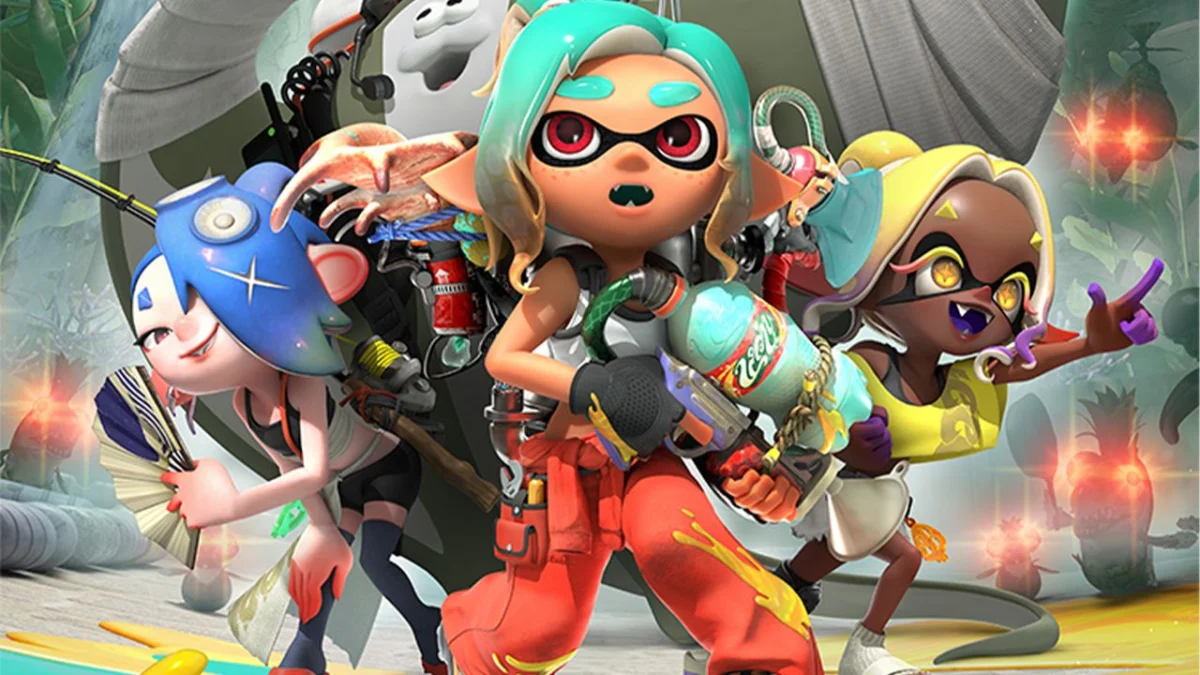
Verdict: A spin-off that’s both substantial and slight, Splatoon Raiders is a novel experiment that will please both fans and newcomers hoping for this colourful shooter to cater to better solo players, even if at times it feels like it’s been cobbled together from last season’s washed-out fashions.
Main Facts: A New Direction for an Iconic IP
For over a decade, Splatoon has reigned as Nintendo’s freshest, most vibrant intellectual property. In an industry increasingly reliant on rehashing legacy content, the franchise has consistently stood out as a beacon of artistic innovation. Yet, for all its style, the series has historically been anchored by its iterative multiplayer roots. Splatoon Raiders, the series’ first true standalone spin-off, represents a pivotal shift.
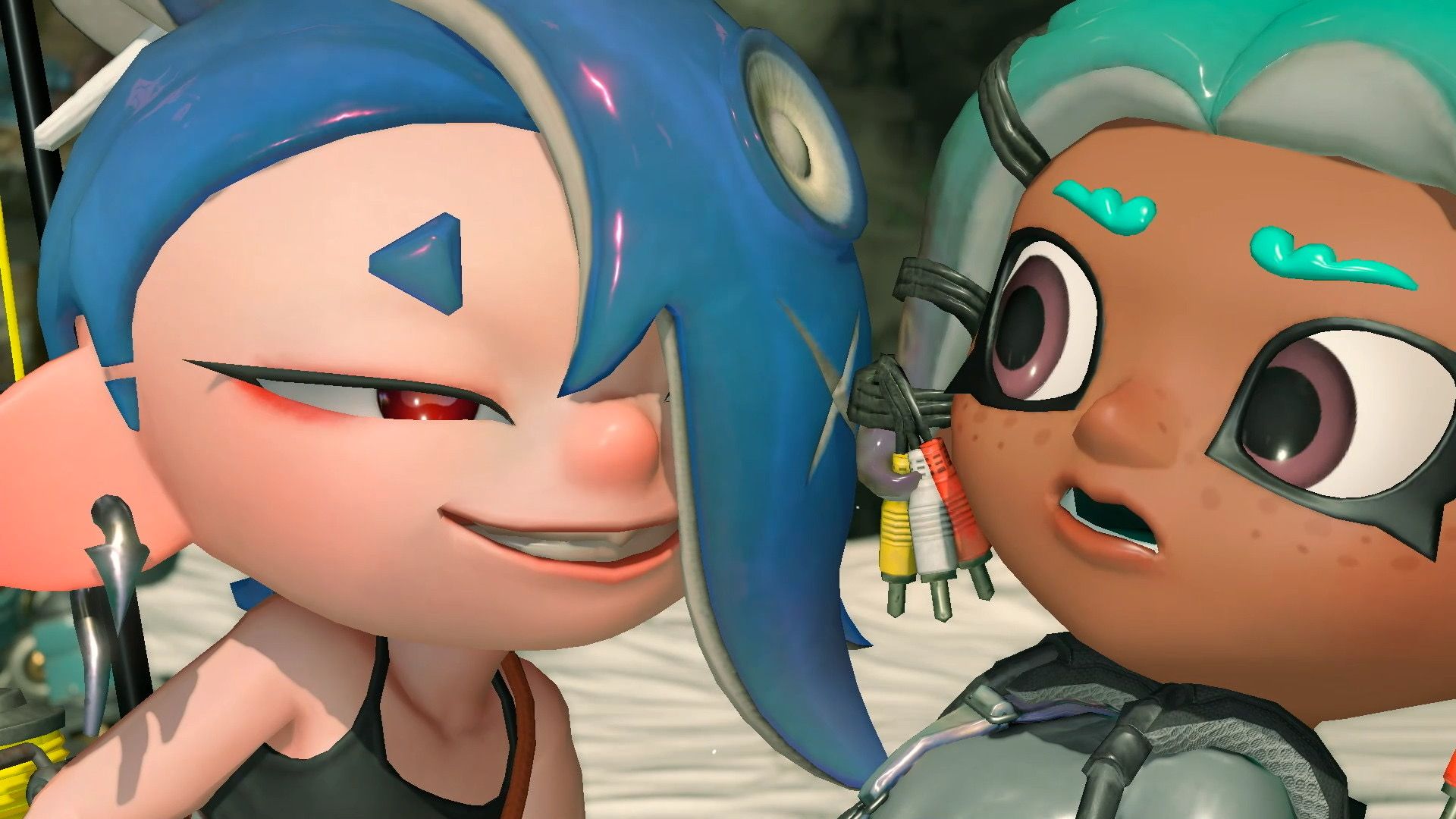
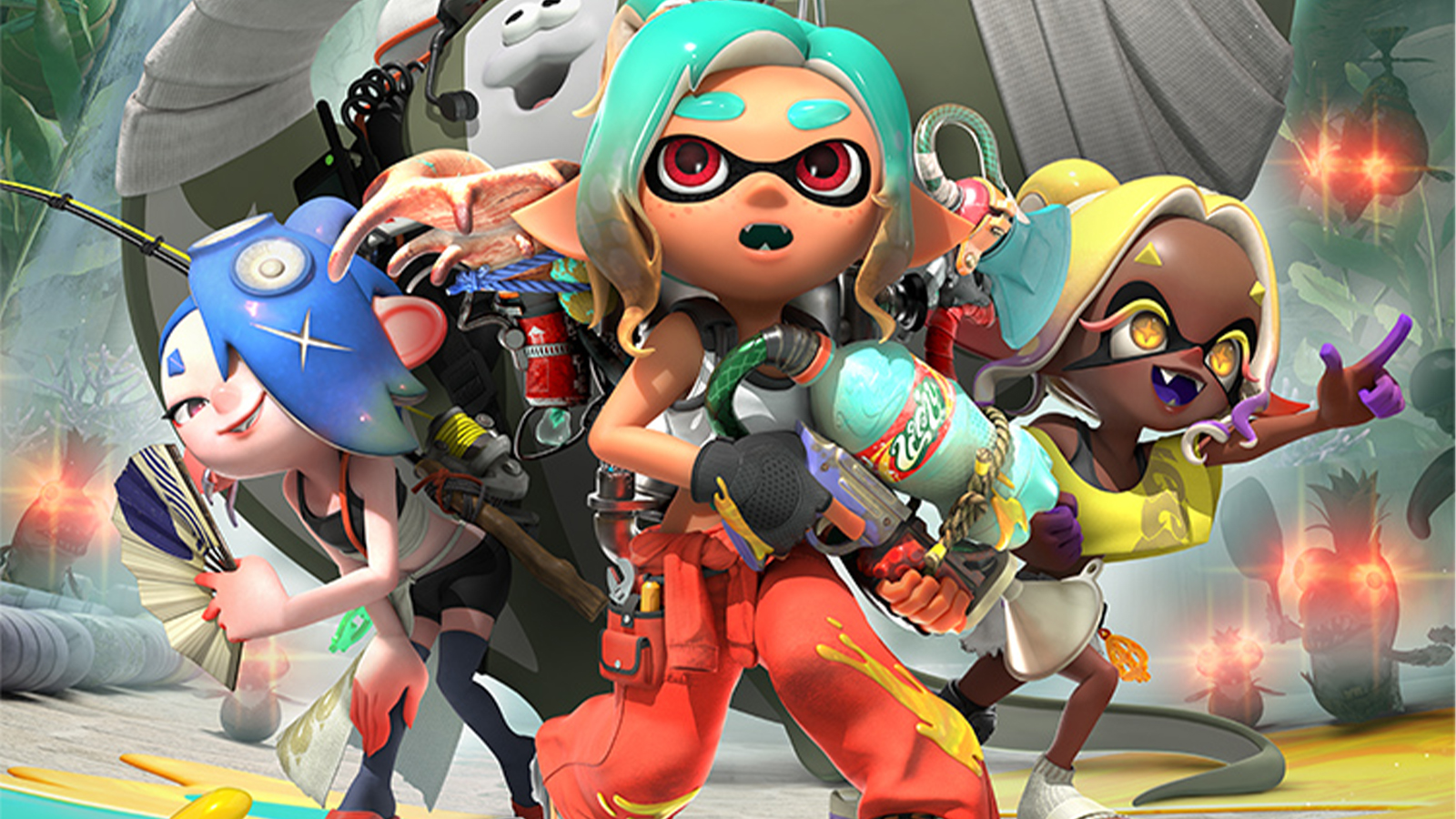
Released on July 23, 2026, for the Nintendo Switch 2, Splatoon Raiders pivots away from the competitive arenas of the main series to focus on a robust single-player experience. Developed by Nintendo EPD, the game casts players as "the Mechanic," a new protagonist tasked with exploring the mysterious, uncharted Spirhalite Islands. Accompanied by a sentient exploration bot piloted by a member of the beloved Splatoon 3 musical trio, Deep Cut, the game promises a narrative-driven adventure that feels both familiar and fundamentally different from the turf wars of the past.
Chronology: From Multiplayer Staple to Single-Player Odyssey
The history of Splatoon is one of slow, steady evolution. From the Wii U’s original chaotic ink-fests to the refined, deep-meta competitive play of Splatoon 3, the series has always flirted with single-player content through its episodic campaigns and the wave-based co-op mode, Salmon Run.
Splatoon Raiders effectively takes the DNA of Salmon Run and expands it into a fully-fledged, looter-shooter campaign. The development cycle for this title was kept largely under wraps, with Nintendo positioning it as a showcase for the capabilities of the Switch 2. Following its mid-summer 2026 launch, the game has been noted for its "snappy" mission design, which fluctuates between linear, narrative-driven stages and high-intensity, time-limited arena challenges. By transplanting the Salmonid enemies—the primary antagonists of the co-op mode—into a solo exploration context, Nintendo has created a playground that feels like a remix of established lore.
Supporting Data: The Mechanics of the "Mechanic"
Despite the recycled nature of its enemies and certain aesthetic elements, Splatoon Raiders succeeds because of how it reimagines the core Splatoon gameplay loop.
The Looter-Shooter Transformation
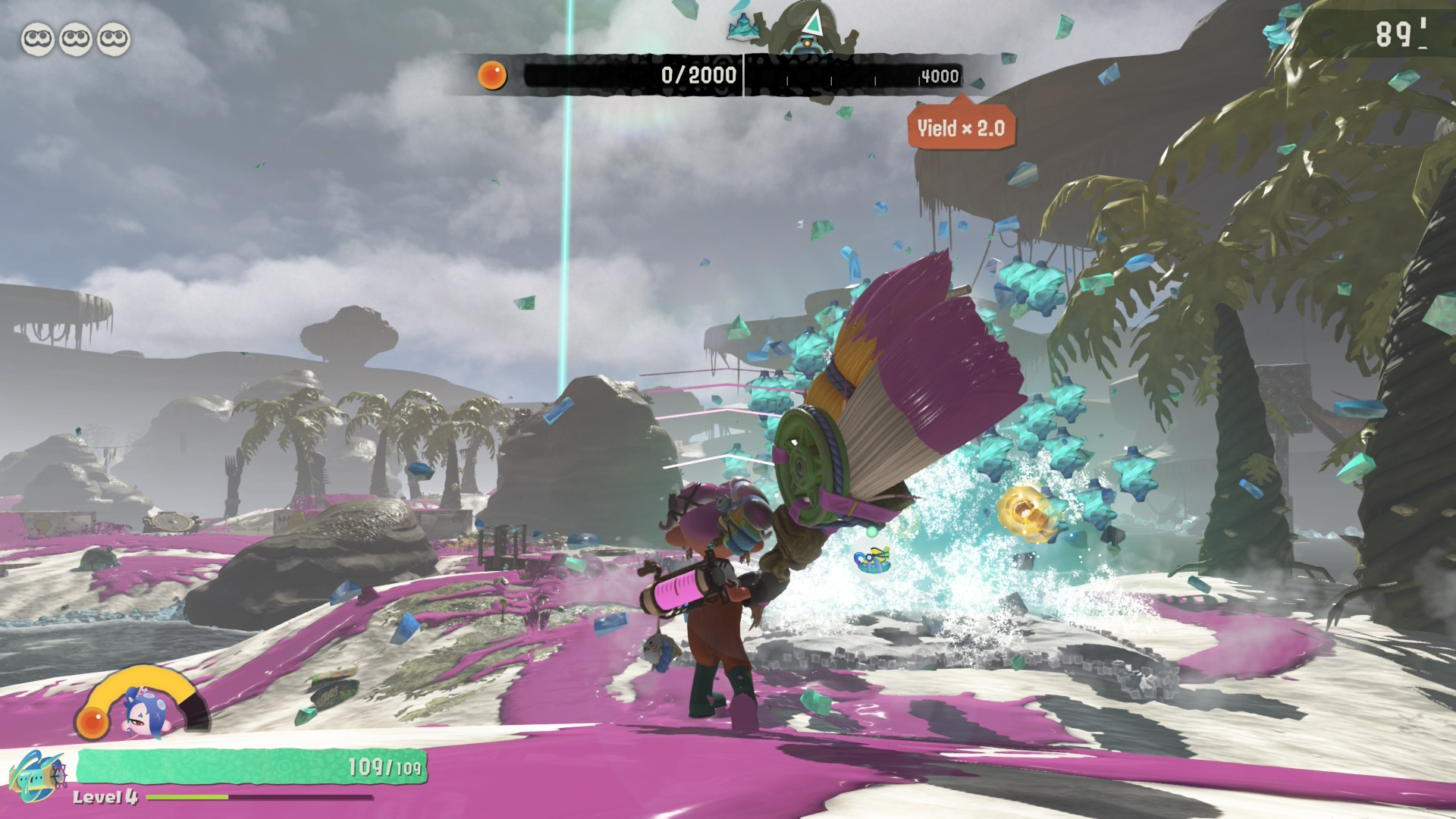
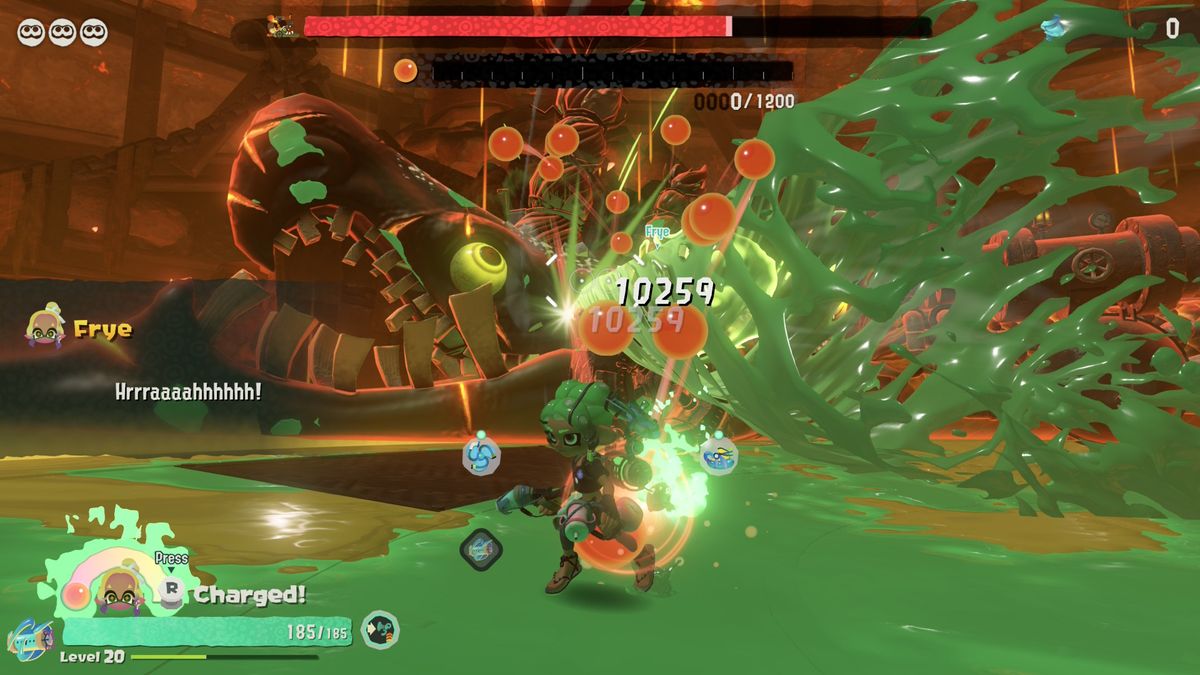
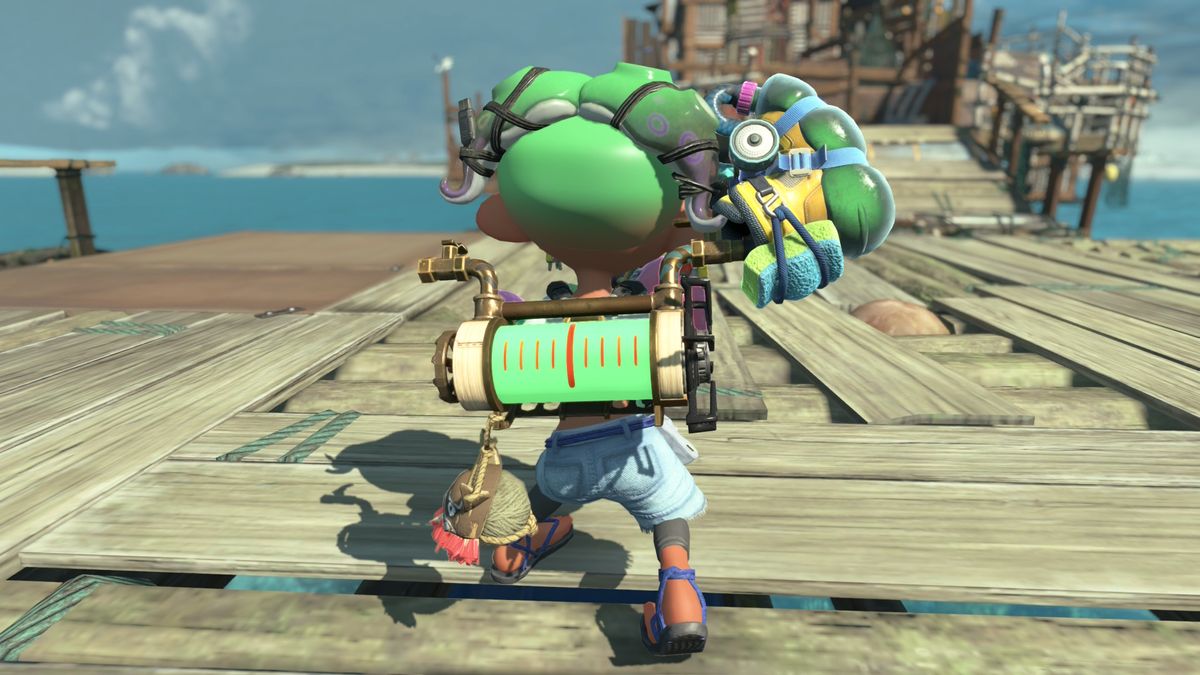
The game replaces the traditional, bomb-heavy loadouts of the mainline series with a new, three-tiered "Ink Tank" system. Players choose between three distinct playstyles:
- Speed: Focused on agility, allowing players to leap away from danger and trigger ink-explosions upon landing.
- Power: Tailored for heavy-duty combat, emphasizing sustained damage and direct confrontation.
- Tactical: Built around the use of gadgets, offering players utility-heavy options like zip-wires to reach elevated terrain.
The integration of "gadgets" is the game’s most significant departure from tradition. These cooldown-based abilities replace standard sub-weapons and allow for a level of customization rarely seen in the franchise. Players can eventually equip up to three gadgets, each of which can be modified with specific parts found throughout the Spirhalite Islands. This "numbers-go-up" approach to character building transforms Splatoon from a reflex-based shooter into an RPG-lite experience, where the player is constantly incentivized to return to their hub to upgrade their gear and workshop.
The Bot Buddy and Showstoppers
The player’s exploration bot, while visually utilitarian, serves as both a weapon and a mobility tool. It allows for vertical movement, enabling players to escape overwhelming hordes of Salmonids or gain a vantage point for a sniper-style assault. The "personality" of the game is delivered through the members of Deep Cut, who provide "showstoppers"—ultimate-style abilities that clear the screen of enemies. These moments of visual chaos are where the game truly shines, displaying a level of particle density that likely would have pushed the original Switch to its breaking point.
Official Responses and Industry Context
Nintendo’s decision to develop Splatoon Raiders as a Switch 2 exclusive has sparked significant industry discourse. Critics have noted that, on a purely aesthetic level, the game feels like a cross-generational title. The palette is, at times, surprisingly muted compared to the neon-soaked vibrancy of Splatoon 3.
However, the "looter" loop provides a satisfying, if sometimes grindy, experience. The game’s reliance on "spongey" enemies—foes that require significant firepower to take down—has drawn both praise and criticism. While the difficulty can be tuned down to a "Tourist" setting, the inherent structure encourages the player to "rinse and repeat" earlier missions to gain the necessary power levels to progress. For some, this is a meditative, rewarding loop; for others, it feels like an artificial extension of gameplay time.
Implications: Where Does the Series Go From Here?
The release of Splatoon Raiders raises profound questions about the future of the franchise. It proves that Splatoon can thrive as a single-player entity, but it also highlights the limitations of its current experimental framework.
The Co-op Conundrum
Perhaps the most glaring limitation is the lack of robust online matchmaking. While the game features an "SOS" call system for struggling players, it is restrictive and prohibits players from using it in successive missions. Given the depth of the build-crafting system, the absence of a true, collaborative multiplayer mode feels like a missed opportunity. Seeing multiple "Mechanics" with wildly different, optimized builds colliding in a high-intensity arena would have been the natural evolution of this title.
Looking Toward the Future
The game also fails to utilize the potential of the Switch 2’s "GameShare" capabilities to their fullest extent. A more integrated social experience—perhaps allowing friends to visit your base and inspect your custom-built gadgets—would have added much-needed longevity.
As it stands, Splatoon Raiders is a successful experiment that justifies its existence through its satisfying gameplay loops and creative use of existing IP assets. Whether it becomes a new pillar of the franchise or remains a one-off curiosity depends on player reception. If the demand for this style of "looter-shooter" gameplay continues to grow, there is certainly enough "room for more tinkering" to warrant a potential sequel.
Conclusion: A Fresh Coat of Paint
Splatoon Raiders is a testament to Nintendo’s ability to take familiar parts and reassemble them into something that feels fresh. It isn’t the sequel fans of the competitive scene might have expected, but it is a welcome expansion of the Splatoon universe. It manages to capture the frantic, ink-spilling joy of the series while providing a layer of strategic depth that is entirely its own.
For those who have long desired to explore the world of the Inklings and Octolings without the pressure of the online arena, Splatoon Raiders is an essential addition to the Switch 2 library. It may feel like it’s wearing some of last season’s fashions, but the underlying design is as sharp and creative as ever. As the industry looks toward the next generation of gaming, Splatoon Raiders serves as a reminder that even the most established franchises still have room to evolve, experiment, and surprise us.


 Asro
Asro
 Sagoh
Sagoh