

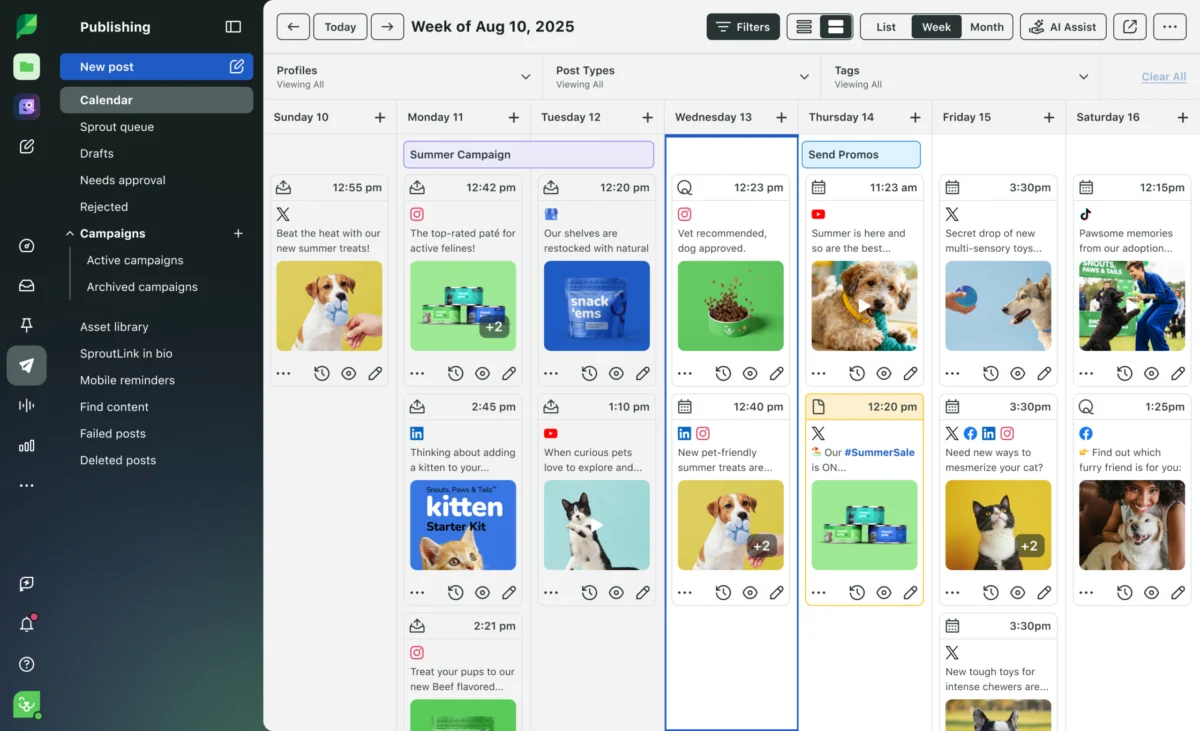
In the high-velocity world of digital marketing, the difference between a brand that captures attention and one that fades into the noise is consistency. Managing multiple social media accounts—across platforms like LinkedIn, Instagram, TikTok, and X—requires constant decision-making. You must determine what to post, when to post, and how to ensure every piece of content aligns with your broader organizational objectives.
This is where the social media calendar shifts from being a mere administrative tool to a critical strategic asset. By moving away from reactive posting and toward a structured, forward-looking plan, teams can transform their social presence into a high-impact engine for growth.
The Core Concept: What is a Social Media Calendar?
A social media calendar is a master plan of all scheduled posts across your various platforms, organized by publish date, time, and network. It serves as the single source of truth for your social media team, capturing every granular element of a post: copy, hyperlinks, @-mentions, tags, and rich media assets like high-resolution images or edited videos.
Unlike a general marketing content calendar, which tracks long-form blogs, whitepapers, or email campaigns, a social media calendar is execution-focused. It answers three essential questions: What is being published? Where is it going? And who is responsible for every stage of the process? Whether maintained in a spreadsheet, a digital whiteboard, or a sophisticated management platform like Sprout Social, the calendar acts as the heartbeat of your social media operations.

The Chronology of Effective Planning
Building a high-impact calendar is not a static event; it is a cyclical process that requires careful sequencing. To move from chaos to clarity, marketing teams should follow this chronological workflow:
1. The Audit Phase
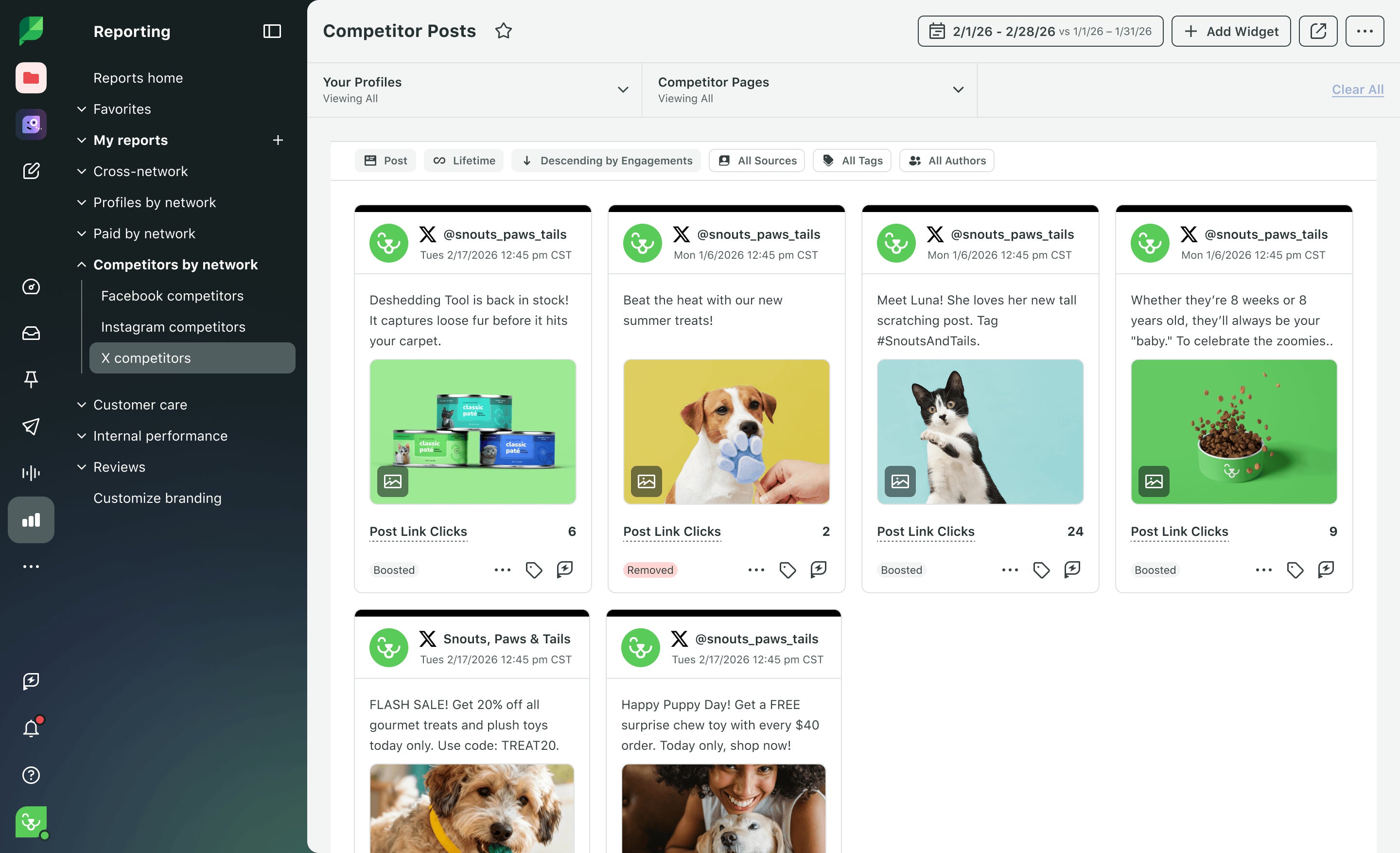
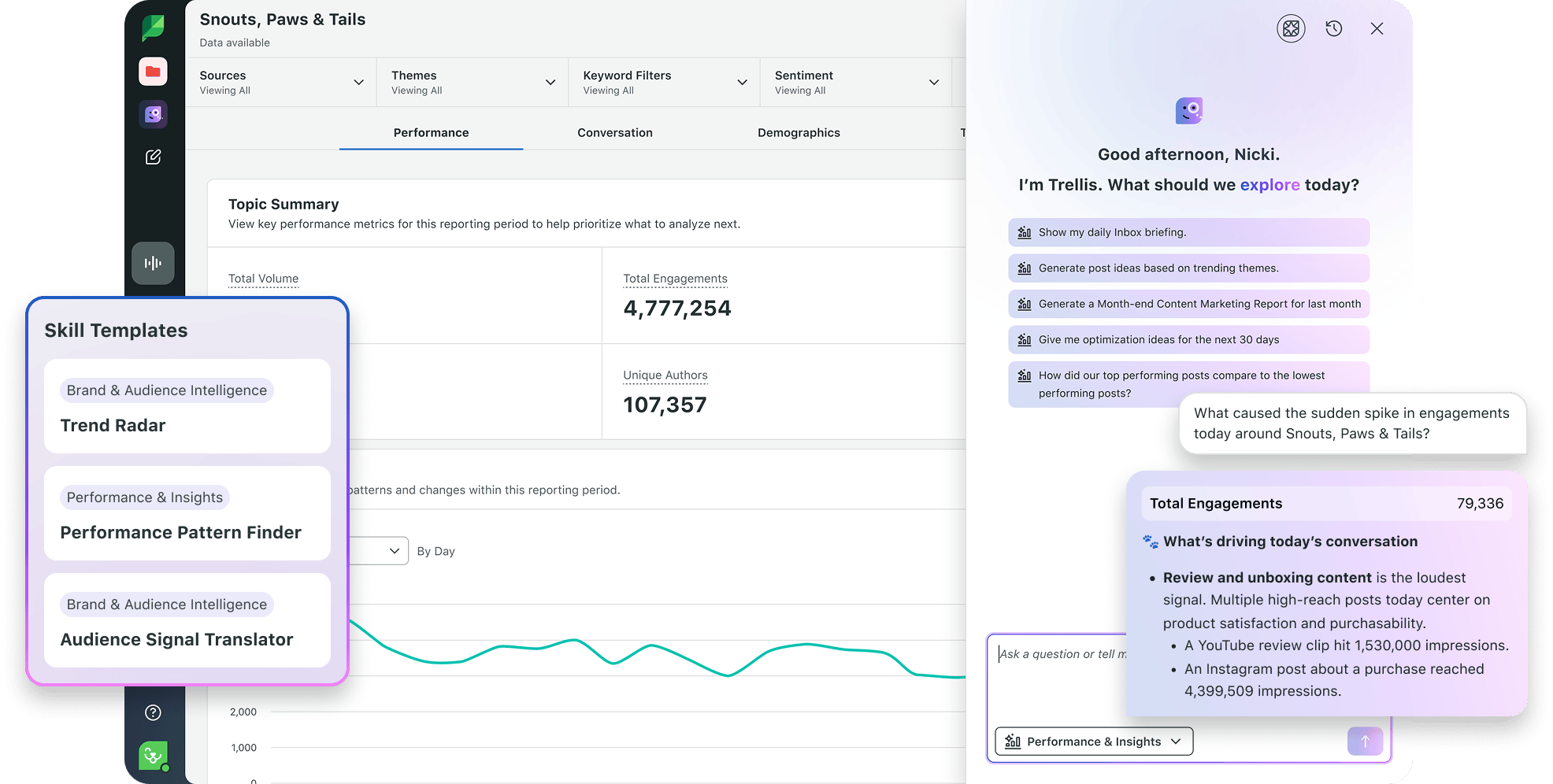
Before writing a single caption, you must understand your baseline. Use analytical tools to conduct a comprehensive audit of your existing accounts. Review which content types performed best over the last quarter—perhaps short-form video outperformed static images—and identify engagement gaps.

2. The Research and Listening Phase
Content should never be created in a vacuum. Utilize social listening tools to identify the keywords, burning questions, and trending topics currently dominating your audience’s conversations. By feeding these insights into your planning phase, you ensure that every post is relevant and timely.
3. The Structural Phase
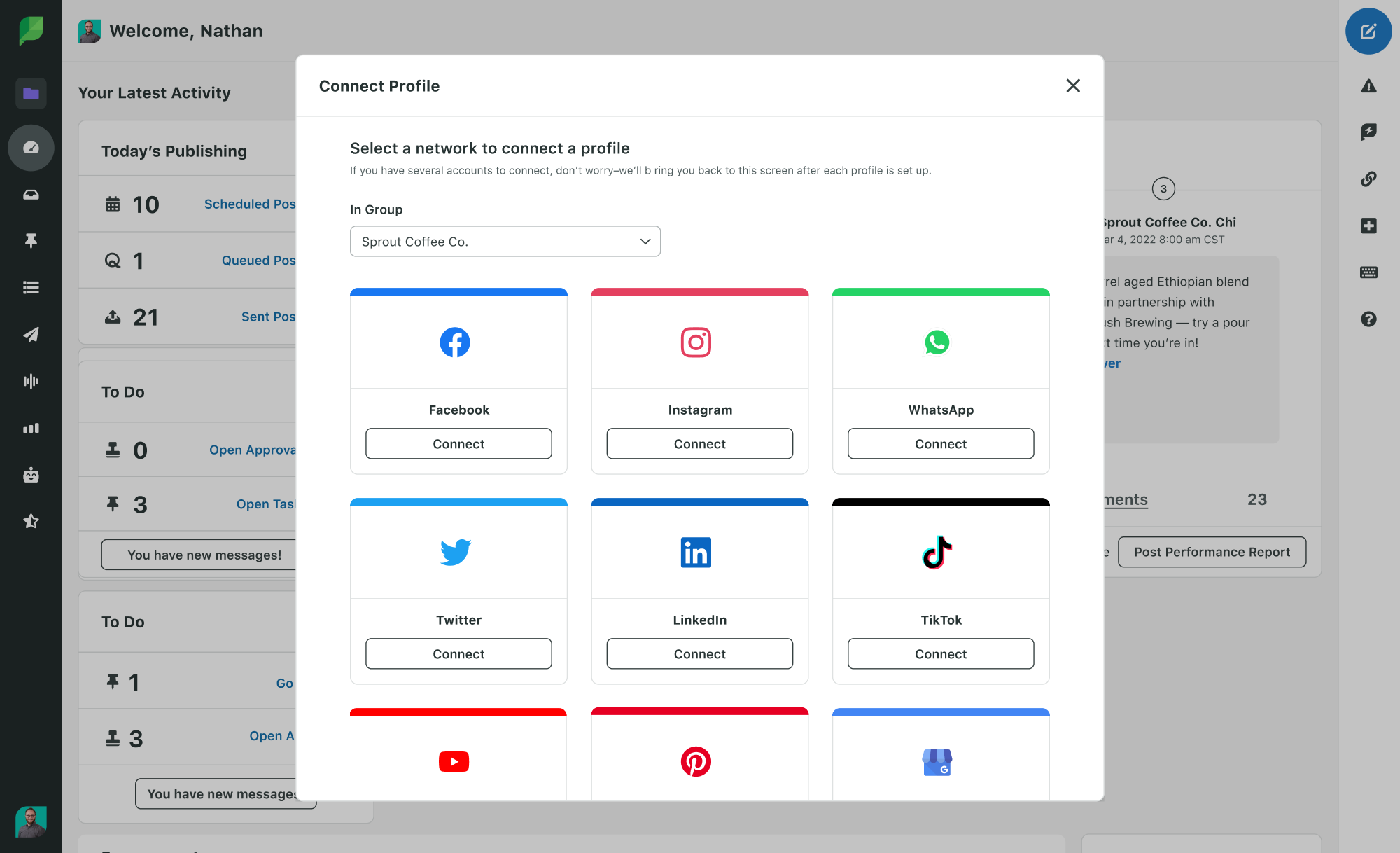
Choose your cadence and platforms. Based on your audience’s habits, determine which channels deserve the most attention. If your target demographic is B2B professionals, LinkedIn will naturally demand more resources than TikTok. Once the platforms are set, map out your posting frequency to ensure a steady stream of content without burning out your creative team.
4. The Asset Creation and Approval Phase
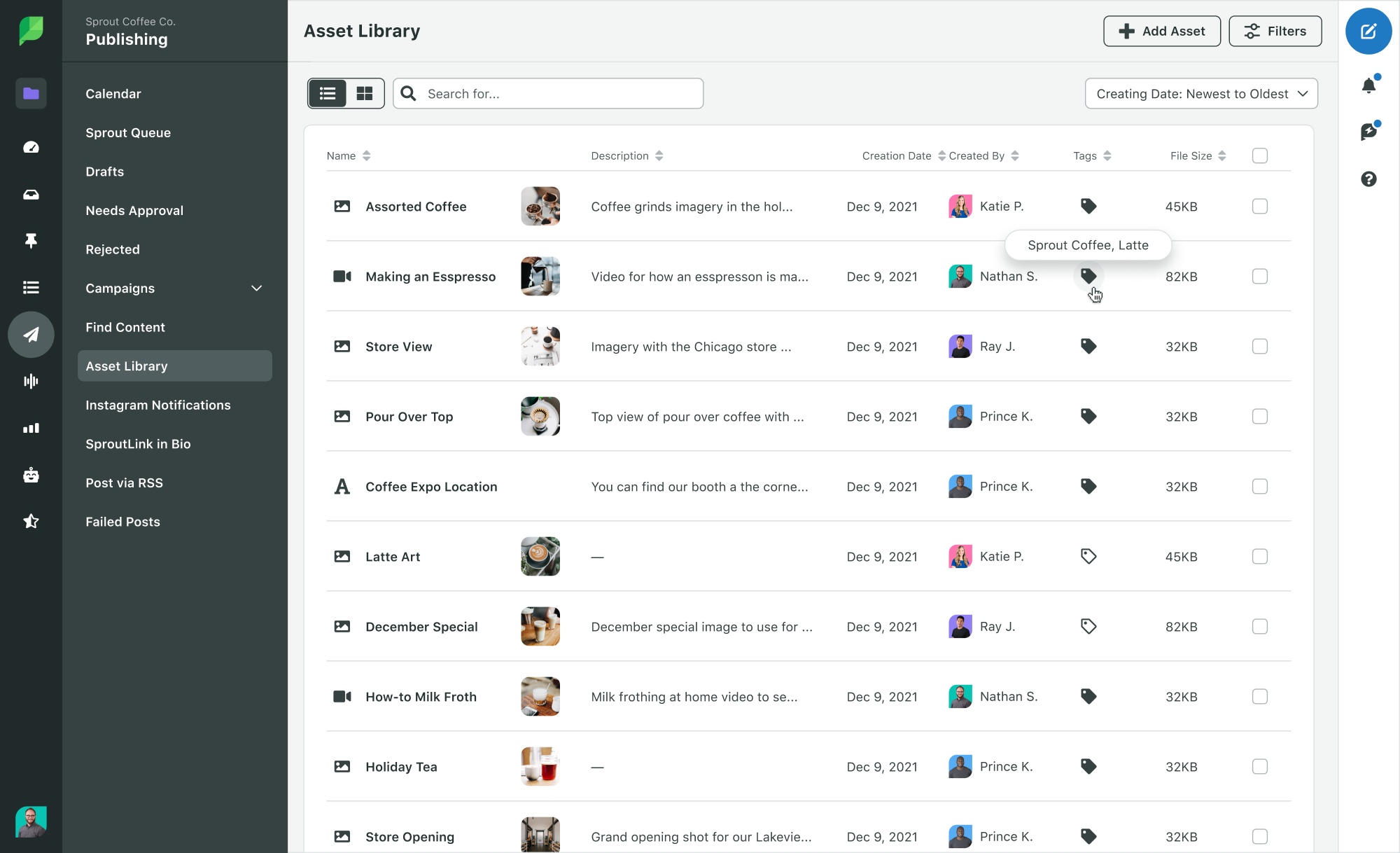
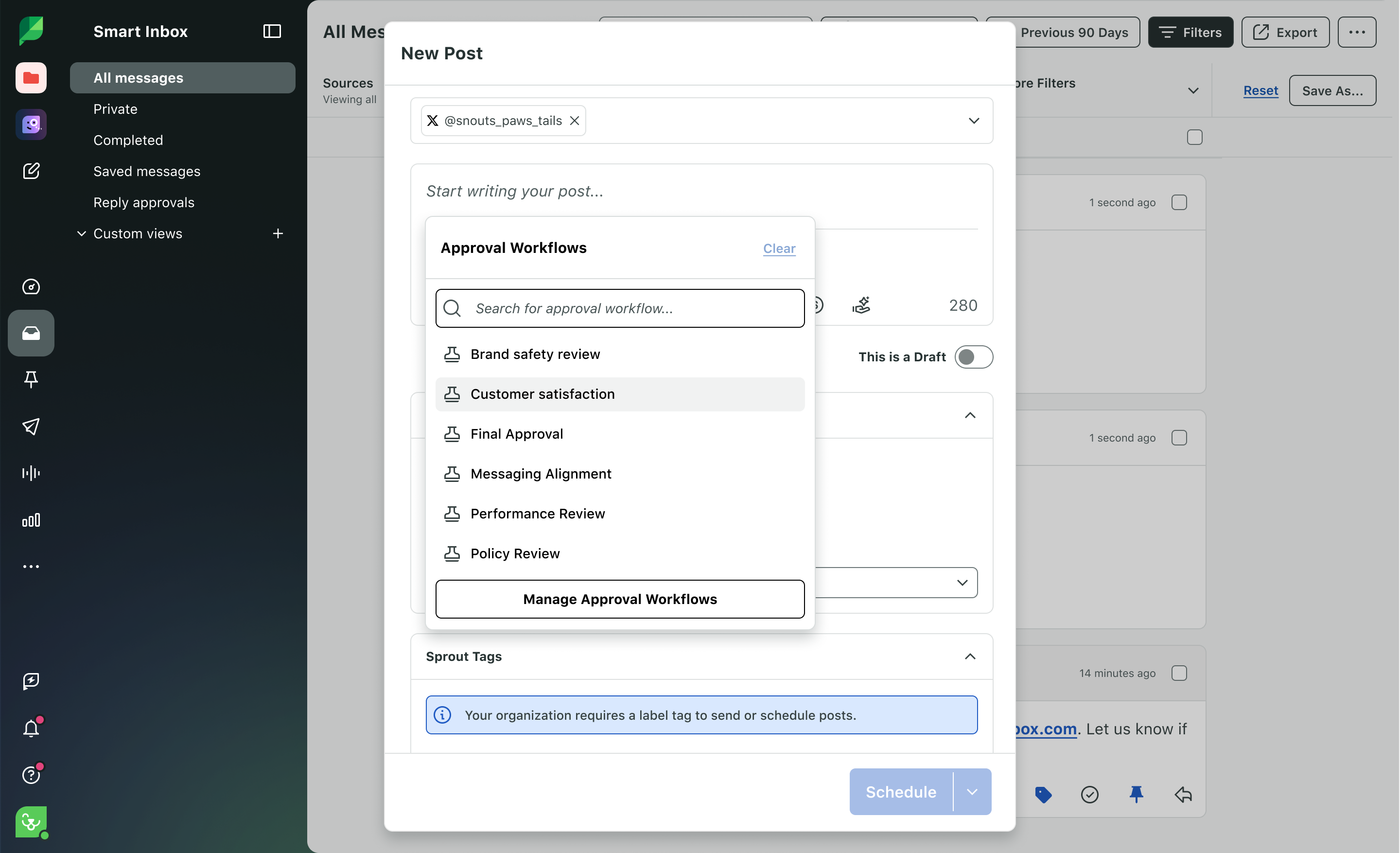
This is where the heavy lifting occurs. Utilize an asset library to house approved, on-brand creative materials. Once content is drafted, push it through a formal approval workflow—involving legal, brand, and leadership stakeholders—to ensure quality control before the content hits the public feed.
5. The Scheduling and Optimization Phase
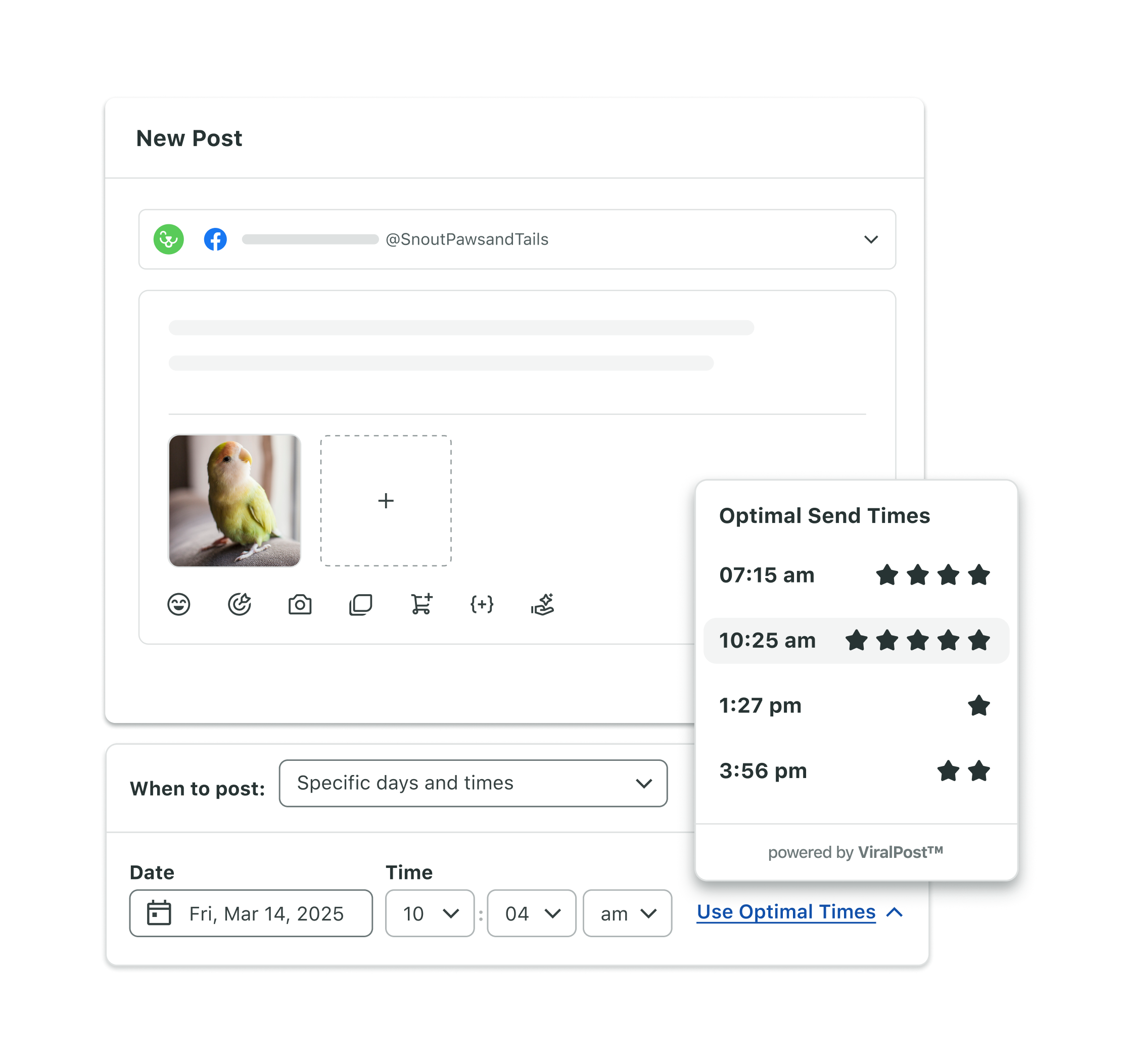
Finally, use automated scheduling to push content live. Advanced platforms allow you to use "optimal send time" features, which leverage historical data to predict exactly when your specific audience is most likely to be online and receptive to your messaging.
Supporting Data: Why Strategic Planning Pays Off
The shift toward a formal social media calendar is supported by compelling economic data. According to a Forrester Total Economic Impact™ study, teams utilizing the comprehensive capabilities of Sprout Social have realized $1.1 million in time savings over a three-year period. This efficiency is achieved by reducing the "daily scramble"—the frantic search for last-minute ideas—and replacing it with a streamlined, collaborative workflow.
Furthermore, consistency remains the primary driver of audience trust. Data from the Sprout Social Q2 2025 Consumer Pulse Survey indicates that 57% of social media users prioritize original content series. This suggests that brands are no longer rewarded for generic, high-volume posting; they are rewarded for thematic, reliable, and high-quality storytelling that can only be achieved through long-term planning.

Additionally, the 2025 Sprout Social Index™ reveals that 81% of consumers feel compelled to make spontaneous purchases after engaging with social content. When a calendar is tied to performance metrics, teams can directly correlate their publishing schedule to tangible business outcomes, such as website clicks, leads, and conversions.
Professional Perspectives: The Importance of Process
Industry experts and internal teams alike agree that the primary benefit of a social media calendar is the protection of brand reputation. By providing a "birds-eye view" of all upcoming content, stakeholders—from legal departments to product managers—can identify potential PR missteps before they occur.
One of the most critical, yet often overlooked, features of a modern social media management tool is the "Pause All" functionality. In the event of a global crisis or a sensitive news cycle, the ability to stop all outgoing posts across every connected profile with a single click is a non-negotiable safeguard for brand safety. This level of control allows teams to respond thoughtfully to the world around them rather than appearing tone-deaf due to an automated, pre-scheduled post.
The Implications of Ineffective Management
The implications of failing to utilize a structured calendar are significant. Without a central hub, teams suffer from:

- Approval Bottlenecks: When reviews happen via email or fragmented message threads, content quality suffers and deadlines are missed.
- Cross-Functional Silos: When the social team is not aligned with product or event teams, messaging becomes disjointed. A product launch might be announced on a website but forgotten on social media, leading to a loss of momentum.
- Performance Blind Spots: When scheduling and reporting live in different environments, teams lose the ability to iterate. If you cannot see how a specific post performed, you cannot refine your strategy for the next week.
Selecting the Right Tool for Your Team
While startups and freelancers may find success with basic tools like Google Sheets or Notion, growing organizations require more robust infrastructure. A dedicated social media management platform provides several competitive advantages:
- AI-Assisted Creation: Modern tools now offer AI-powered caption suggestions and image optimization, which can accelerate the drafting process by hours each week.
- Integrated Analytics: A professional-grade tool merges your calendar with your reporting suite. This means you can view your content plan and its performance metrics on the same screen, allowing for immediate data-backed pivots.
- Collaborative Ecosystems: Features like external approval links allow for seamless collaboration with stakeholders who do not have full platform access, eliminating the need for back-and-forth email chains.
Conclusion: Moving Toward Intentional Execution
The transition from reactive posting to intentional, calendar-driven strategy is a milestone in any brand’s digital maturity. By centralizing your content operation, you do more than just save time—you create the space for your team to produce higher-quality work that resonates with your audience.
A social media calendar is not a prison for your creativity; it is a foundation for your success. It allows you to plan the "what" and the "when" so that you can focus on the "why." Whether you are a small team just starting to coordinate your first few posts or an enterprise-level organization managing global campaigns, the principles of planning, auditing, and optimizing remain the same.
By integrating these practices into your daily operations, you ensure that every post serves a purpose, every asset is on-brand, and every campaign contributes to your bottom line. As the digital landscape continues to evolve, the brands that win will be those that have mastered the art of disciplined, data-informed, and highly organized social media execution.
Frequently Asked Questions (FAQ)
How far in advance should I plan my social media calendar?
A standard industry practice is to map out your core content two to four weeks in advance. This lead time provides enough runway for asset creation and internal reviews while leaving sufficient flexibility to insert reactive, timely content based on breaking news or trends.
What is the difference between a social media calendar and a content calendar?
A content calendar is a broad, high-level document that tracks all marketing materials across all channels (blogs, email, ads). A social media calendar is a tactical, execution-focused document that specifically outlines the posts, timing, and creative assets for individual social channels.
Can I manage a social media calendar without a dedicated tool?
Yes, for smaller teams or simple strategies, spreadsheets or note-taking apps like Notion are excellent starting points. However, as your team grows or you manage more than three platforms, the administrative burden of manual scheduling and fragmented analytics often leads to burnout and performance gaps. Transitioning to an integrated platform is usually necessary to scale.











No comments yet. Be the first to join the conversation!