The landscape of global entertainment underwent a seismic shift on January 21, 2025, as Netflix and the powerhouse Japanese animation studio MAPPA announced a comprehensive "strategic partnership." This collaboration, aimed at revolutionizing how anime is developed, produced, and distributed, marks a definitive turning point in the "streaming wars." By bridging the gap between one of the world’s most prolific animation houses and the world’s largest streaming platform, the deal sets the stage for a new era of "global-first" content that could redefine the boundaries of the medium.
Main Facts: A New Blueprint for Anime Production
The core of the partnership revolves around a shared vision to expand the global anime audience through deep-level collaboration. Unlike traditional licensing deals where a streamer simply purchases the rights to an existing show, this strategic alliance involves the two entities working together from the earliest stages of "story development" through to "merchandising."
Key pillars of the agreement include:

- Exclusive Worldwide Premieres: Netflix will be the exclusive global home for a new slate of original MAPPA-produced anime titles. These will premiere simultaneously worldwide, eliminating the traditional delays between Japanese broadcasts and international releases.
- Integrated Development: The partnership covers the entire lifecycle of a project, including creative conceptualization, production, and the expansion of related businesses such as consumer products.
- Volume and Scale: Official statements confirm that "multiple new anime projects" are already in the planning and production phases under this new framework.
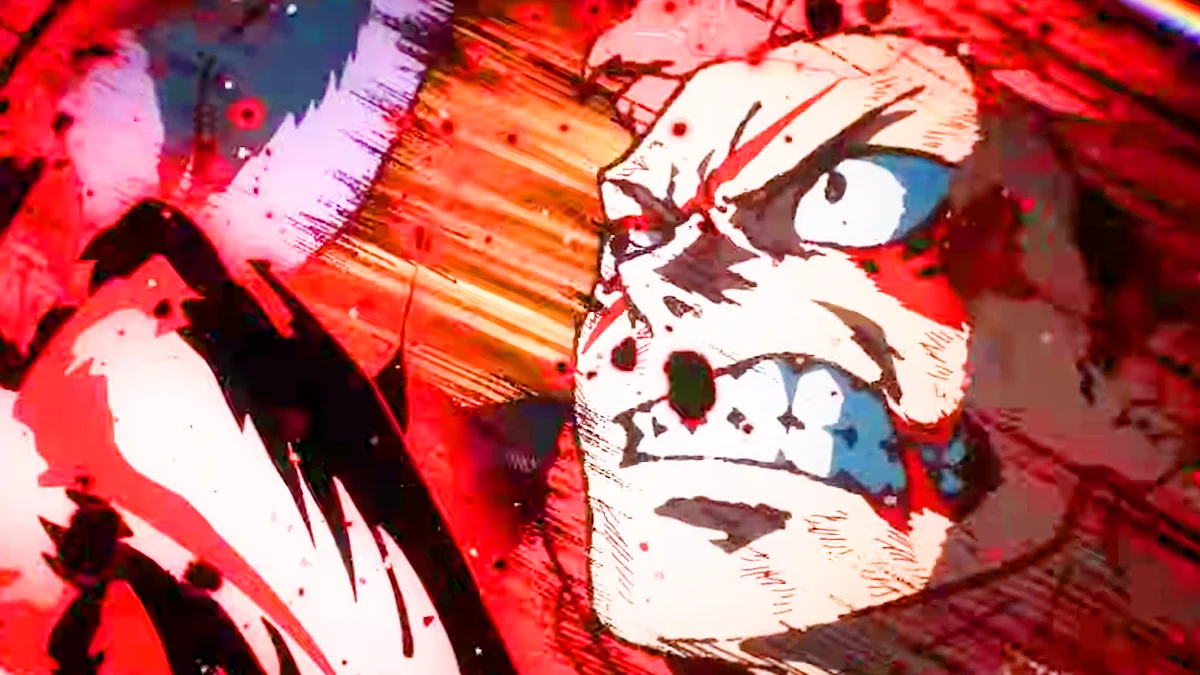
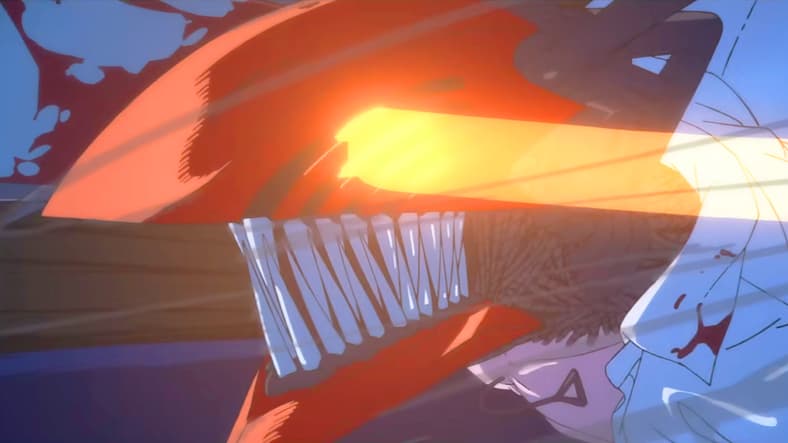
While the announcement focused primarily on animated content, industry analysts and fans alike have noted that the terms are broad enough to facilitate cross-media adaptations. This has sparked intense speculation regarding the future of MAPPA’s "crown jewel" properties, such as Jujutsu Kaisen and Chainsaw Man, and whether this partnership paves the way for high-budget live-action interpretations.
Chronology: The Evolution of a Digital Alliance
The relationship between Netflix and MAPPA did not materialize overnight; it is the culmination of nearly a decade of incremental cooperation and shifting industry trends.
2018–2021: The Licensing Era
Early interactions between the two companies were characterized by non-exclusive licensing. Netflix recognized the growing demand for "dark shonen" and adult-oriented animation, leading to the acquisition of streaming rights for MAPPA titles like Dorohedoro and Kakegurui. During this period, Netflix acted primarily as a distributor, bringing MAPPA’s unique visual flair to a Western audience that was increasingly moving away from cable television.

2021–2024: The "Netflix Original" Experiments
The relationship deepened with the release of Yasuke, an original anime series produced by MAPPA specifically for Netflix. While the project received mixed reviews, it proved that MAPPA could work within a Western production framework, collaborating with international creators like LeSean Thomas. This was followed by the global success of Vinland Saga Season 2 and Pluto, which further cemented MAPPA’s reputation as a studio capable of handling complex, prestige narratives that resonated with Netflix’s global demographic.
January 21, 2025: The Strategic Leap
The formal announcement of the strategic partnership represents the final evolution of this relationship. It moves from a project-by-project basis to a structural alliance. The timing is significant, occurring just as MAPPA dominates the theatrical space with films like Jujutsu Kaisen: Execution and Chainsaw Man – The Movie: Reze Arc, signaling that the studio is ready to leverage its massive commercial clout to secure more favorable business terms.
Supporting Data: The Rising Tide of Global Anime
The data underlying this deal highlights why both companies felt compelled to formalize their bond. Netflix’s internal metrics reveal a staggering trajectory for the medium.

1. Viewership Growth:
According to Netflix’s official statement, anime viewership on the platform has tripled over the last five years. This is not a niche phenomenon; more than half of all Netflix members—representing over 100 million households—regularly engage with anime content.
2. The "Global-First" Metric:
Data suggests that anime titles often perform better on a global scale than traditional live-action series from specific regions. For instance, a high-quality anime produced in Tokyo can trend in Brazil, France, and the United States simultaneously. By securing MAPPA’s output, Netflix is essentially securing a "global hit generator."
3. MAPPA’s Market Dominance:
MAPPA has seen exponential growth since its founding in 2011 by Masao Maruyama. Under current CEO Manabu Otsuka, the studio has expanded its workforce and production capacity to handle multiple "Triple-A" franchises at once. In the 2023-2024 fiscal years, MAPPA titles accounted for a significant percentage of total social media engagement regarding anime worldwide, making them the most valuable partner for a streamer looking to dominate the conversation.

Official Responses: Independence and Innovation
The leadership of both organizations framed the partnership as a "win-win" scenario that balances creative freedom with massive industrial reach.
The Creative Perspective
Manabu Otsuka, President and CEO of MAPPA, emphasized that the deal is designed to protect the studio’s autonomy while expanding its business horizons. "This expanded partnership is based on MAPPA’s core belief in being an independent studio—both creatively and in business," Otsuka stated. He noted that for Japanese studios to survive in the modern era, they must "proactively lead every stage," from understanding global needs to managing merchandising.
The Platform Perspective
Kaata Sakamoto, Vice President of Content for Netflix Japan, praised MAPPA’s "bold challenges" and "unprecedented forms of expression." Sakamoto highlighted that Netflix is willing to take the "risks" necessary to support MAPPA’s vision. "By combining MAPPA’s unique approach… with Netflix’s global reach and the courage to take risks, we hope to further expand the possibilities of anime," Sakamoto said.
Implications: Live-Action Risks and Industry Shifts
While the press release was celebratory, the partnership carries profound implications for the future of the anime industry and its most popular intellectual properties.
The Specter of Live-Action Adaptations
The most contentious point of speculation involves the potential for live-action versions of Chainsaw Man or Jujutsu Kaisen. Netflix has a complicated history with live-action anime; while One Piece (2023) was a resounding critical and commercial success, previous attempts like Cowboy Bebop and Death Note were widely panned by fans.
A strategic partnership with MAPPA could provide Netflix with a "creative guardrail." If the original animation studio is involved in the planning stages of a live-action project, the chances of maintaining the "spirit" of the source material increase. However, the legal reality remains a hurdle: MAPPA does not own these IPs. Rights are held by the publisher, Shueisha. Any live-action move would require a three-way negotiation between Netflix, MAPPA, and Shueisha—a "holy trinity" of media power that could either produce a masterpiece or a corporate disaster.

The "Monopsony" Concern
Industry critics have raised concerns about the "Netflix-ification" of anime. If a single global entity becomes the exclusive gatekeeper for the world’s top studio, it could lead to a "monopsony" (a market with only one buyer). This might eventually pressure studios to sanitize content to suit broad global tastes, potentially diluting the specific Japanese cultural nuances that made anime popular in the first place.
Production Pressures and Labor
MAPPA has faced public scrutiny in the past regarding "crunch" culture and the intense pressure placed on animators to meet high-quality standards on tight deadlines. Critics argue that a "strategic partnership" with a global giant like Netflix—which demands a constant stream of content—could exacerbate these issues. Conversely, the influx of Netflix’s capital could allow MAPPA to invest in better infrastructure and more sustainable production cycles, provided the funds are allocated toward labor rather than just expansion.
The Future of Distribution
Finally, this deal signals the end of the "regional windowing" era. For decades, fans outside Japan had to wait months or rely on piracy to see the latest hits. The Netflix-MAPPA alliance codifies the "simultaneous release" model as the new gold standard. This move is designed to combat piracy and capture the maximum "hype" value of a show’s release, forcing other competitors like Crunchyroll (owned by Sony) and Disney+ to reconsider their own production and acquisition strategies.

In conclusion, the Netflix-MAPPA partnership is more than a simple business deal; it is a manifesto for the future of global media. As the lines between Japanese production and Western distribution continue to blur, the coming years will reveal whether this alliance results in a creative renaissance or a cautionary tale of corporate consolidation. For now, the world watches with bated breath as the first "jointly developed" projects begin their journey from the drawing boards of Tokyo to screens in every corner of the globe.