

The world of Subnautica 2 is a masterclass in atmospheric tension, designed to lure players into a false sense of security before pulling the rug out from beneath them. If your initial time spent in the starter biomes felt like a manageable introduction to survival, the journey to the Alien Ruins serves as the definitive "welcome to the real game" moment. This transition marks the point where the environment shifts from a playground to a gauntlet, requiring players to master resource management, navigation, and—perhaps most importantly—the art of evasion.
Reaching the Alien Ruins is not merely a geographic objective; it is a fundamental shift in your survival trajectory. It requires crossing an open, exposed stretch of seabed patrolled by one of the ocean’s most formidable apex predators: the Collector Leviathan. This guide will walk you through the essential preparations, the harrowing journey, and the critical post-arrival milestones that will define your experience in this dangerous new frontier.
The Strategic Importance of the Alien Ruins
The Alien Ruins represent the first major "gate" in Subnautica 2. Upon investigating the Tadpole Pens, players are pushed to venture over 600 meters east. This location serves as your gateway to the mid-game, housing the Research Station, which acts as the primary hub for unlocking the narrative progression and high-tier technological blueprints.
The environment here is significantly more hostile than the starting zones. The water is deeper, the light is sparser, and the biological threats are far more capable of shredding your submersible—the Tadpole—in seconds. Recognizing that you are entering a high-stakes ecosystem is the first step toward survival.
Chronology: From Tadpole Pens to Research Station
To successfully navigate the transition, players must follow a disciplined progression. Skipping steps here often leads to being stranded in an area where you lack the necessary depth modules to return or the power sources to survive the night.
Phase 1: Pre-Departure Preparations
Before you cast off from your initial base, ensure you have the following:
- Inventory Efficiency: Clear your cargo hold. You will be gathering a significant amount of new raw materials, and space is at a premium.
- Power Reserves: Ensure your Tadpole is fully charged.
- Emergency Repair Kits: You will be taking damage. Do not leave without a Repair Tool and adequate battery supplies.
- Mapping the Route: While in-game markers provide the "what," you must provide the "how." Plan a path that utilizes verticality to avoid the Leviathan’s patrolling patterns.
Phase 2: The Crossing
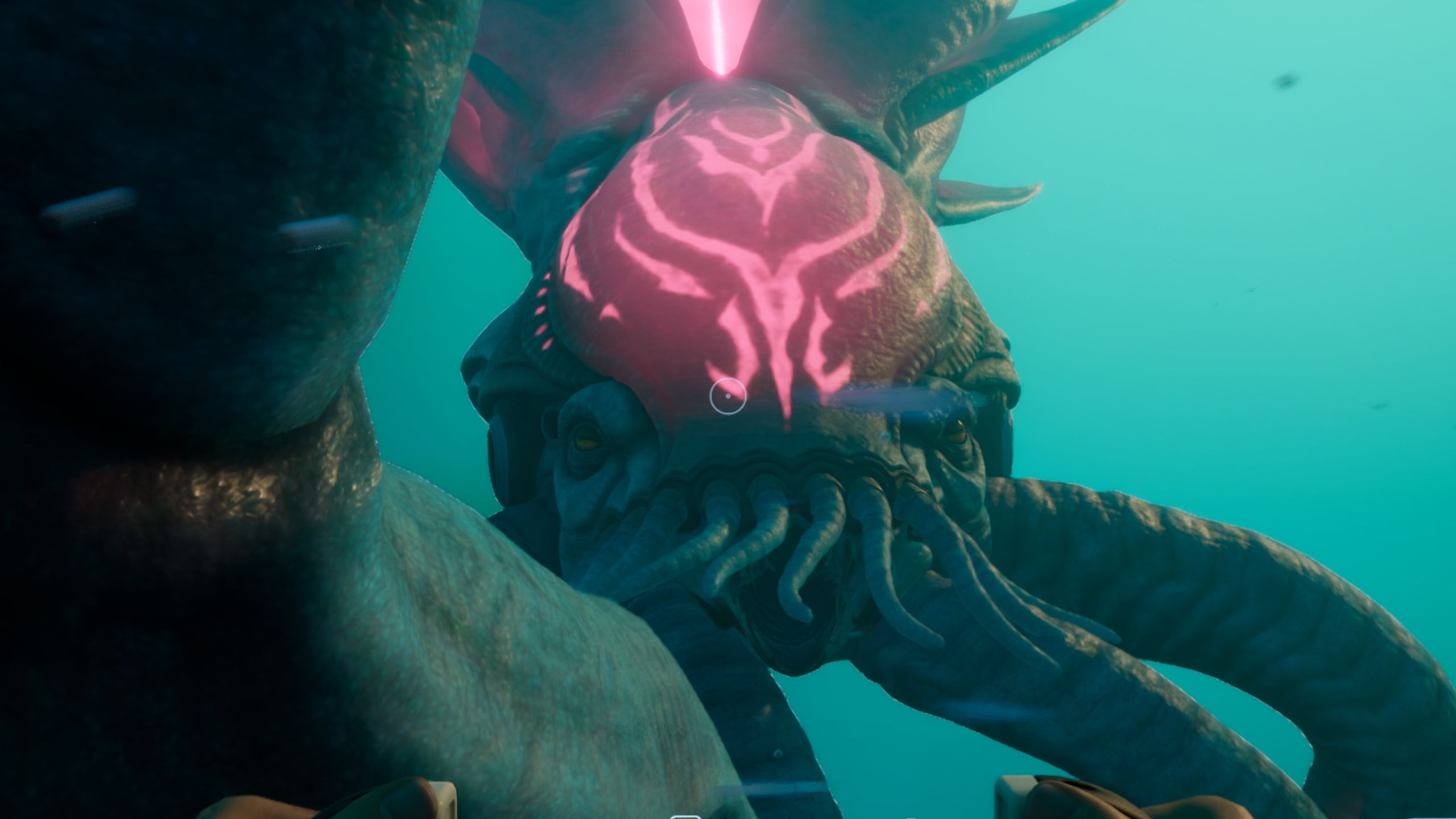
The 600-meter transit is where the game’s difficulty curve spikes. The Collector Leviathan is the largest, most aggressive creature you will have encountered at this stage. It possesses a terrifying ability to latch onto your vessel.
The Tactical Approach:
- Hug the Seabed: The Leviathan often patrols mid-water depths. By sticking to the ocean floor, you utilize terrain geometry as a natural barrier.
- Surface Skimming: Alternatively, if the terrain is too jagged, hugging the surface can sometimes keep you out of the primary detection radius of the beast.
- The "Dash" Method: Once the Leviathan detects you, do not attempt to fight. Boost toward the destination. Upon reaching the cliffs near the ruins, use the rock formations as cover to break line-of-sight and immediately commence vehicle repairs.
Phase 3: Activating the Outpost
Once you touch down at the Alien Ruins, the objective is to bring the facility online.
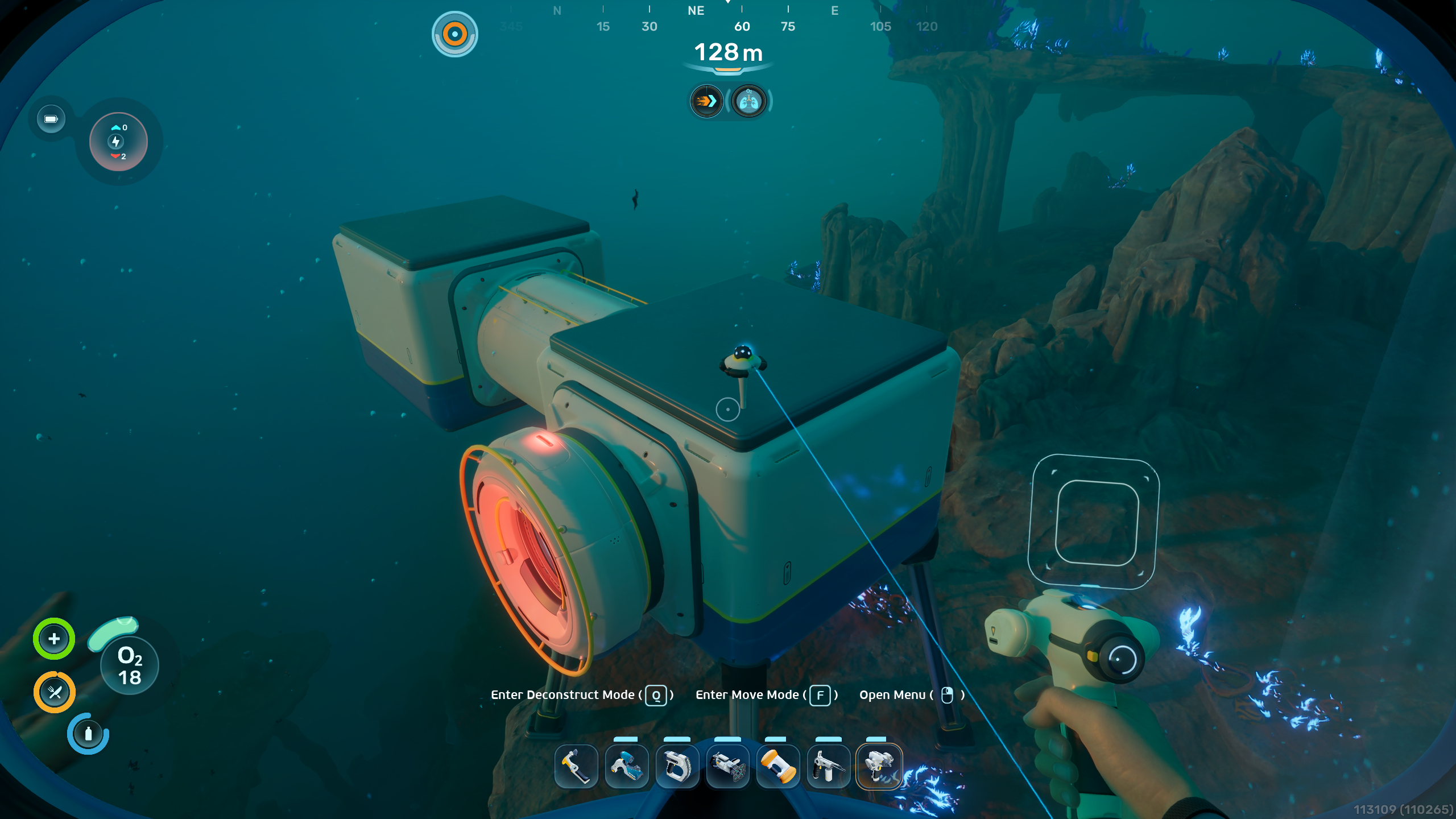
- Power Restoration: Locate the bedroom area and insert a battery into the primary socket.
- The NOA Interface: Navigate to the command room and interact with the NOA (Networked Operations Archive). This system acts as your primary mission tracker, identifying subsequent points of interest that allow for proper exploration.
Supporting Data: Infrastructure and Expansion
Reaching the site is only the beginning. To thrive, you must establish a foothold that allows for long-term research and survival.
Building Your Forward Base
While you can theoretically return to your starting lifepod, the distance is prohibitive. You must build a permanent, self-sustaining base near the Research Station.
- Hydroelectric Potential: The area is rich in natural currents. Prioritize the construction of a Hydroelectric Turbine. Unlike solar arrays, which are useless in deeper or obscured waters, these turbines provide consistent, 24/7 power, which is vital for maintaining your oxygen and charging stations.
Critical Technological Upgrades
The Alien Ruins contain data that shifts the meta-game of your survival.
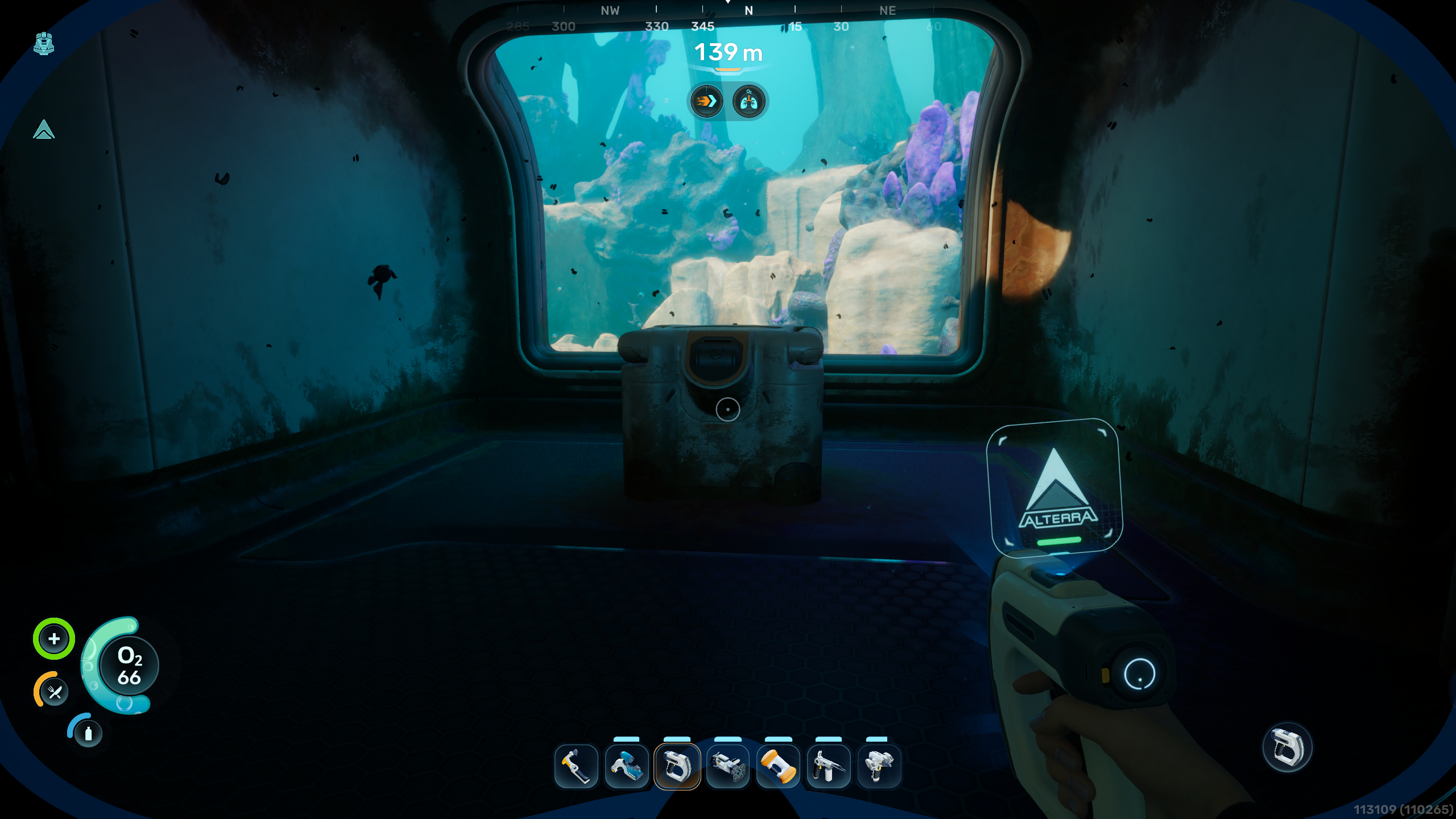
- The Modification Station: Scanning this near the entrance is non-negotiable. It is the only way to craft the upgrades required for the late-game.
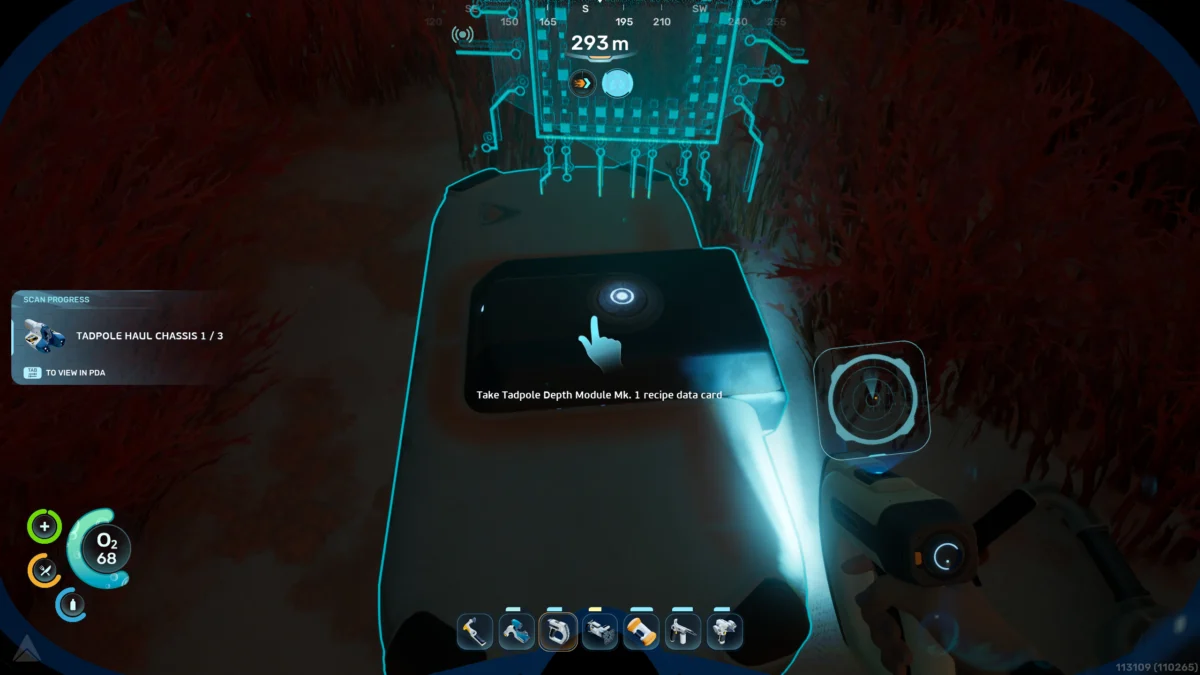
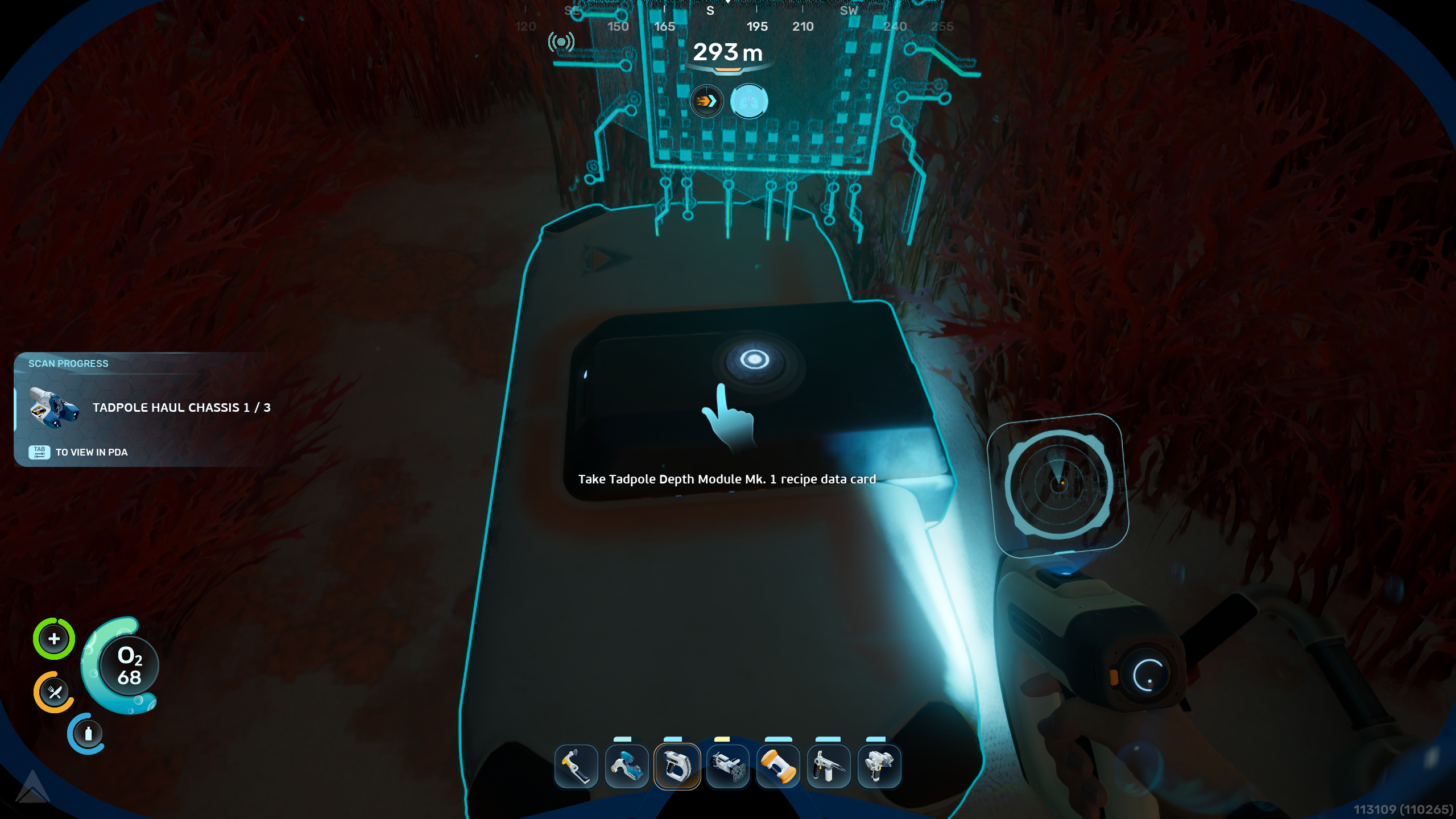
- The Tadpole Depth Module: Found in the cave beneath the Needler nest (roughly 270 meters southeast of the ruins), this is the most critical item in the region. Without it, you are locked out of the deeper, resource-rich trenches that contain the materials necessary for further progression.
- The Bioscanner: Located in the Cicada wreckage (500 meters southeast of the ruins), this tool is essential for gathering "Biomods." By scanning the local fauna, you unlock passive enhancements that increase your survival probability in the hostile environment.
Official Developer Insights and Game Design
While Unknown Worlds, the developers behind the Subnautica series, often keep the finer details of their creature AI shrouded in mystery to preserve the "fear of the unknown," community data and early access patches confirm that the Collector Leviathan is designed specifically to enforce territorial boundaries.
The inclusion of the Collector Leviathan serves a specific design purpose: to teach the player that not every creature is meant to be studied or scanned—some are meant to be feared. The shift from the, at times, serene exploration of the starting biomes to the high-pressure environment of the Alien Ruins is a deliberate attempt to force the player into a "survival-first" mindset. The developers have emphasized that in Subnautica 2, the environment itself is an antagonist, and the Alien Ruins serve as the primary teaching tool for this philosophy.
Implications: The Road Ahead
The implications of reaching the Alien Ruins are profound. Once you have successfully established your base and upgraded your equipment, the map begins to "open up." You are no longer tethered to the safety of the shallow, resource-poor starting zones.
The Shift in Gameplay Loop:
- From Scavenger to Industrialist: With the Modification Station, you move from repairing found items to engineering your own.
- Narrative Escalation: The NOA system provides the narrative breadcrumbs that lead to the deeper, darker secrets of the planet.
- Increased Risk-Reward: The materials found in the surrounding deeper biomes are more valuable but harder to extract. Players must weigh the cost of vehicle durability against the necessity of rare ores.
As you stand on the precipice of this new, alien landscape, remember: Subnautica 2 is a game of patience. The temptation to rush into the deep will be strong, but the graveyard of those who attempted it without the proper Depth Modules and power systems is long. Take your time, build your base, and respect the reach of the leviathans that call these waters home. You are no longer a guest in the shallows; you are an intruder in the deep. Act accordingly.












No comments yet. Be the first to join the conversation!