

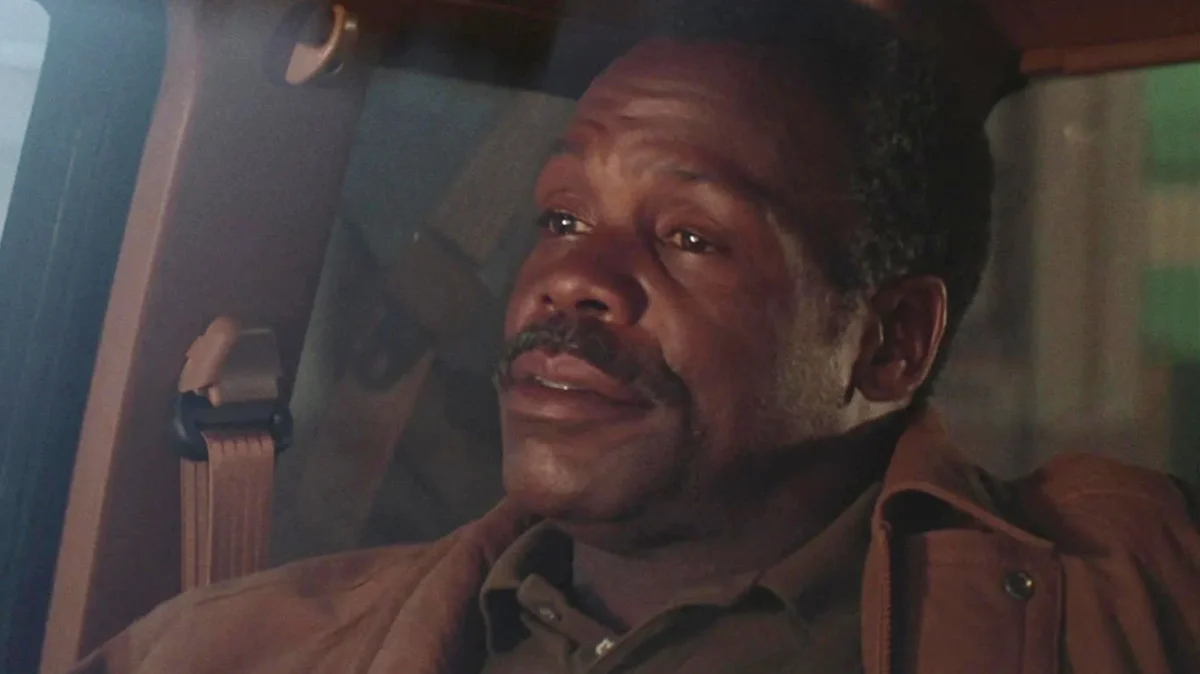
The 1995 Mortal Kombat film is a fascinating artifact of 1990s cinema—a project that navigated the perilous waters of adapting a controversial, hyper-violent arcade sensation into a mainstream blockbuster. While the film is often remembered for its catchy techno soundtrack and its sanitized, PG-13 approach to the source material’s infamous "Fatalities," its production history reveals a chaotic scramble for talent that nearly resulted in one of the most bizarre casting choices in video game movie history: Danny Glover as the God of Thunder, Raiden.
The Genesis of a Phenomenon: From Arcade Cabinets to Hollywood
To understand the absurdity of the casting process, one must first appreciate the cultural gravity of Mortal Kombat in the early 1990s. Released in 1992 by Midway, the game was a technological marvel, utilizing digitized sprites of live actors to create a level of realism that felt jarringly visceral. It was not merely a fighting game; it was a societal flashpoint.
Parents and legislators were horrified by the game’s gore, particularly the signature finishing moves where characters were decapitated or incinerated. Yet, this notoriety fueled its success. As quarters flooded into arcades across the globe, Hollywood took notice. New Line Cinema moved to secure the rights, tasking director Paul W.S. Anderson with bringing the franchise to the silver screen. The result was a film that, despite being a commercial success, fundamentally altered the tone of the property to fit a wider audience, stripping away the visceral horror in favor of a traditional martial arts tournament narrative.
The "Highlander" Dilemma and the Search for Raiden
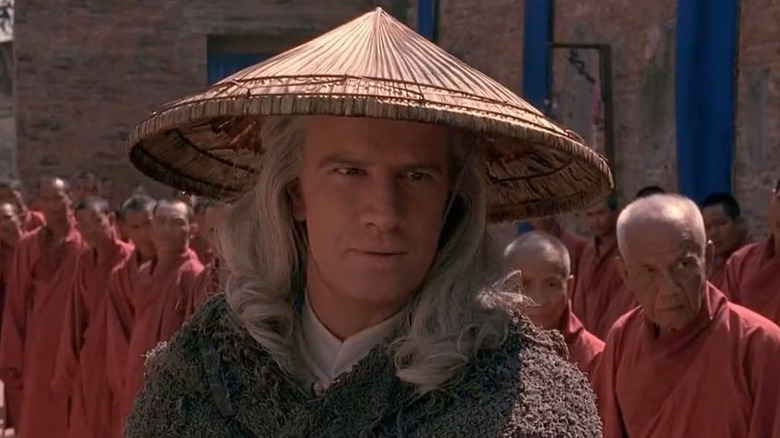
At the heart of the casting turbulence was the role of Raiden. In the game, Raiden is the immortal protector of Earthrealm—an enigmatic, electricity-wielding deity often depicted with a conical douli hat, an accessory deeply rooted in East Asian cultural aesthetics. When the 1995 production commenced, the casting department was tasked with finding a star capable of anchoring the film’s fantasy elements.
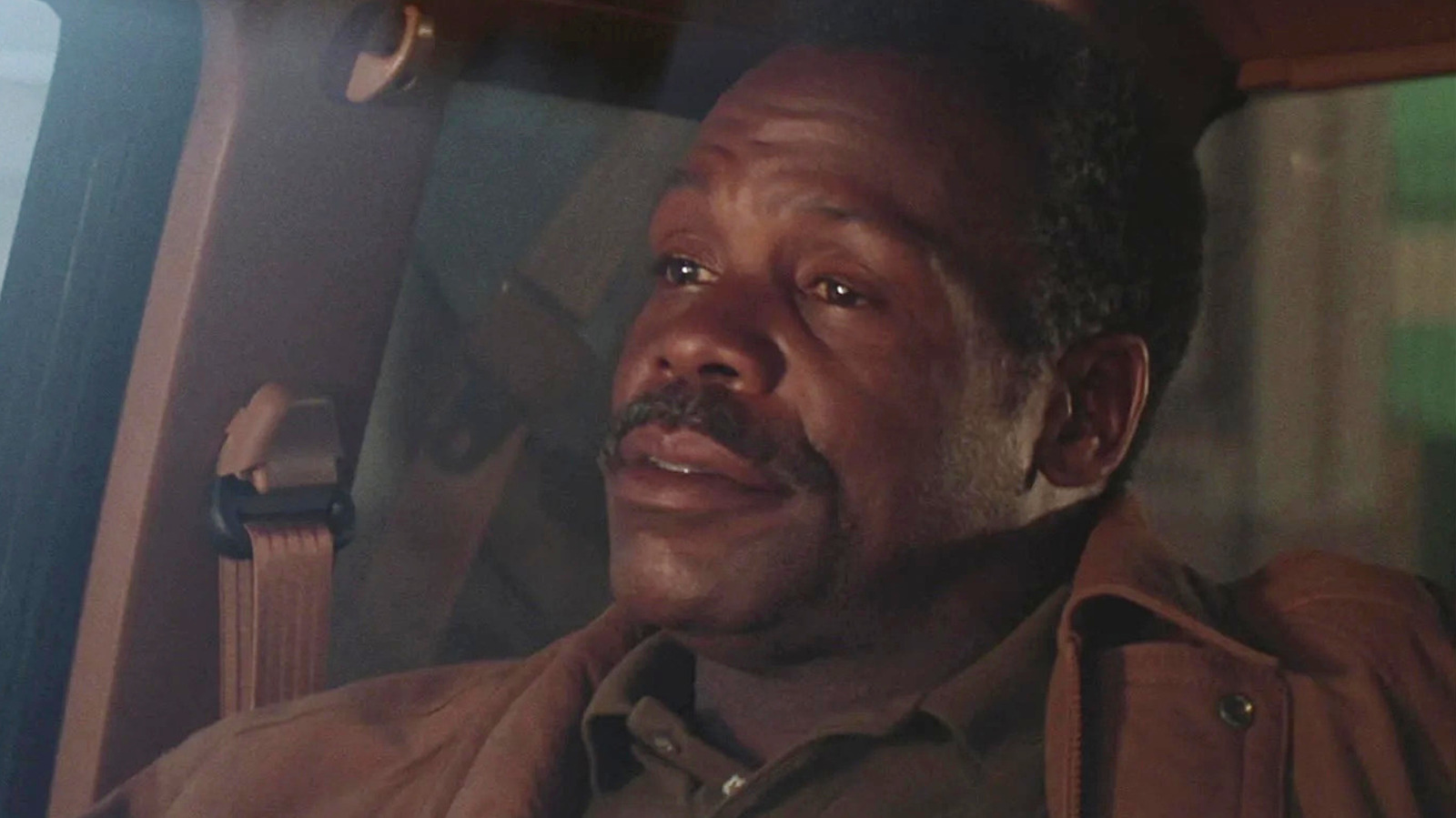
The studio’s primary choice, Christopher Lambert, was ultimately cast, sporting a questionable white wig that remains a point of contention among fans. However, the path to Lambert was paved with unconventional suggestions. In a 2015 oral history conducted by The Hollywood Reporter, the production’s inner circle revealed that the casting process was, at times, disconnected from the source material’s visual identity.
The Danny Glover Proposal
Among the most jarring revelations was the studio’s consideration of Danny Glover. At the time, Glover was an A-list icon, fresh off the massive success of the Lethal Weapon franchise. However, his presence in the gritty, grounded police procedural world of the 1980s and 90s could not have been more tonally distant from the high-fantasy, martial arts-infused world of Mortal Kombat.
Ed Boon, the co-creator of the Mortal Kombat video game franchise, recalled the moment he was presented with the idea. "When the movie was being discussed, I remember not taking it seriously at first," Boon noted. "I thought, ‘This is probably going to be talked about but not happen.’ Then all of a sudden we were getting phone calls about casting… I remember them saying, ‘What do you think of Danny Glover as Raiden?’"
The suggestion highlights a recurring issue in 1990s Hollywood: the tendency to prioritize star power over thematic or visual fidelity. Casting a Black actor in a role that had been visually coded as Asian—by virtue of the character’s traditional hat and mythical origins—would have been a significant departure, one that likely would have been met with even greater scrutiny than the choice of Christopher Lambert.
Chronology of an Immortal: A Character’s Casting History
The evolution of Raiden’s portrayal across live-action media offers a case study in shifting casting sensibilities.
- 1992 (The Origin): Carlos Pesina provides the motion capture and physical performance for the original arcade game. Raiden’s face is partially obscured, and his heritage is left ambiguous, though his costume design remains distinctly influenced by Asian iconography.
- 1995 (The Blockbuster): Christopher Lambert is cast in the Paul W.S. Anderson film. His casting is criticized for ignoring the character’s cultural visual cues.
- 1997 (The Sequel): James Remar takes over the mantle in Mortal Kombat: Annihilation, a film that struggled significantly with both critical reception and performance consistency.
- 2011–2021 (The Transition): The character sees various iterations in animated projects, such as Mortal Kombat Legends, with voice actors like David B. Mitchell defining the modern vocal performance of the god.
- 2021 (The Reboot): Tadanobu Asano is cast in the rebooted Mortal Kombat film, marking the first time a major live-action adaptation committed to an actor of Japanese heritage for the role.
Why the Danny Glover Idea Failed (And Why It Matters)
The "Danny Glover as Raiden" pitch serves as a microcosm of the "Hollywoodization" of intellectual property in the mid-90s. Studio executives often viewed video game characters as blank slates, essentially "skins" that could be filled by any recognizable face to guarantee ticket sales.
However, Mortal Kombat was different. Its fanbase was already deeply invested in the lore and the specific aesthetics of the characters. By the time the movie was in production, players had spent hundreds of hours staring at the douli-hat-wearing warrior. To pivot toward an actor whose public persona was so firmly entrenched in modern American action-comedy would have likely shattered the suspension of disbelief for the core audience.
Moreover, the discourse surrounding the casting of Raiden reflects the broader evolution of diversity and representation in film. In 1995, the studio’s indifference toward the character’s implied ethnic background was reflective of a lack of cultural sensitivity in casting. It took nearly 30 years for the franchise to align its onscreen casting with the visual language established by the original game creators.
Implications for Modern Adaptations
The journey of the Raiden character from the arcade to the screen is a cautionary tale for modern studios. Today, the relationship between video game developers and film producers has become more collaborative, with creators like Ed Boon often having a seat at the table.
When Mortal Kombat (2021) finally cast Tadanobu Asano, it was a deliberate move to honor the character’s origins while utilizing a world-class actor. It represented a maturity in the adaptation process—a recognition that audiences demand authenticity alongside spectacle. The fact that the studio in 1995 even considered a casting choice as eccentric as Danny Glover demonstrates that while they recognized the potential for a "hit," they lacked the foundational understanding of what made the character "Raiden" resonate with his audience.
Conclusion: A Legacy of "What-Ifs"
Looking back, the prospect of Danny Glover as a thunder-god in a white wig is perhaps one of the most amusing "what-if" scenarios in gaming history. It highlights a period of creative uncertainty where executives threw names at a wall, hoping to find a star to carry a property they didn’t quite understand.
While the 1995 Mortal Kombat did succeed in its own way—becoming a nostalgic cult classic—its casting choices remain a bizarre relic of a time when Hollywood was still learning how to translate the language of video games into the language of cinema. We are fortunate that the character of Raiden eventually found a path that balanced the intensity of the game with the respect for its origins, even if it took three decades to find the right bolt of lightning.











No comments yet. Be the first to join the conversation!