While the scent of sunscreen and the heat of mid-summer might seem antithetical to the macabre spirit of October, the retail calendar tells a different story. For the growing legion of Halloween enthusiasts, the true “holiday season” begins not with the first snowfall, but with the highly anticipated drop of The Home Depot’s oversized, animatronic outdoor decor. As the retailer prepares for its 2026 rollout, it has officially unveiled a suite of new, technologically advanced gargantuans that promise to dominate suburban front yards once again.
However, as the scale and sophistication of these displays reach new heights, so too does the conversation surrounding consumer habits, sustainability, and the rising economic impact of the "spooky season."
The Evolution of the 12-Foot Icon: Skelly 2.0
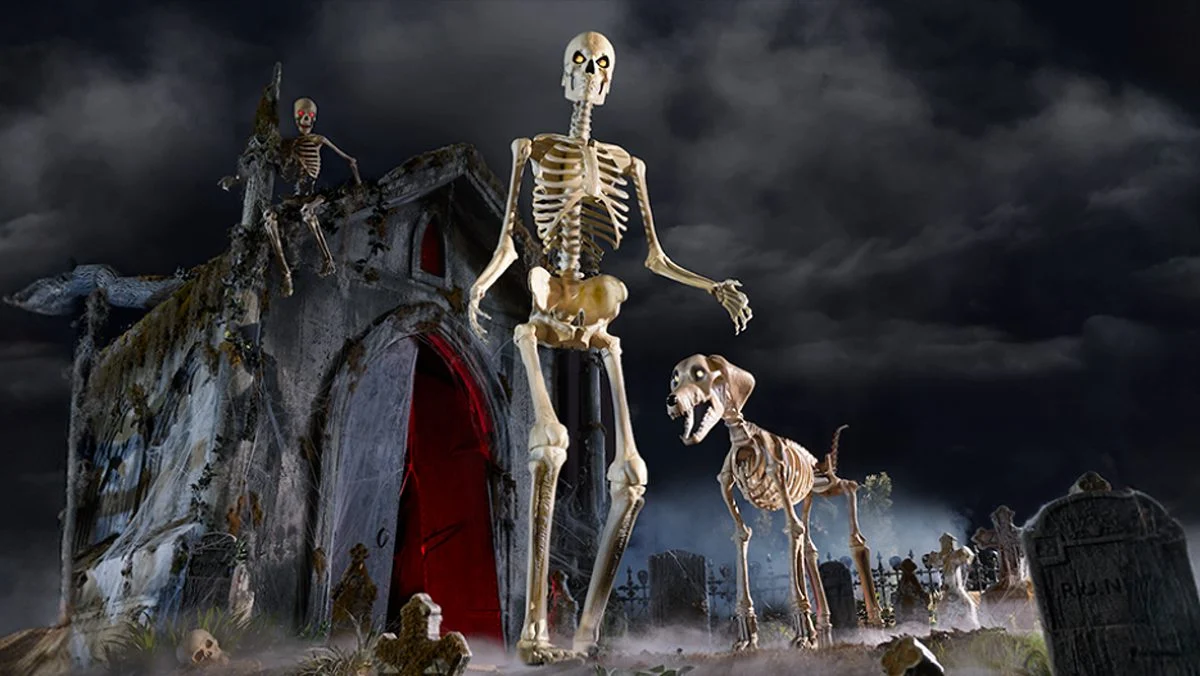
The undisputed king of the lawn, the 12-foot-tall skeleton known affectionately as “Skelly,” has become a cultural phenomenon. Since its debut, the skeletal giant has transitioned from a simple seasonal novelty to a permanent fixture of suburban lore. According to Google’s Frightgeist trends, the popularity of these towering figures has only surged, solidifying their status as the must-have centerpiece for modern Halloween enthusiasts.
This year, Home Depot is raising the stakes. The new iteration of the 12-foot Skelly is not merely a static monument to the afterlife; it is an interactive machine. The latest model features significant technological upgrades, including real-time audio transmission. Owners can now speak through the decoration, allowing the giant to interact with trick-or-treaters or unsuspecting neighbors. Furthermore, the updated model allows for granular control over head and mouth movements, customizable LED eye-lighting effects, and the ability to record and playback custom audio files. While the classic, non-tech version of the skeleton will remain available at its original $300 price point, the upgraded “Skelly 2.0” is expected to carry a premium price tag, reflecting its newfound communicative capabilities.
Expanding the Pantheon: New Terrors for 2026
Home Depot’s strategy for 2026 is clearly one of expansion. Recognizing that a skeleton, no matter how large, needs company, the retailer is introducing two new massive additions to its roster:
- The 11-Foot Mummy: Designed with high-fidelity texture and attention to detail, this towering figure features poseable shoulders and customizable wrappings. It is crafted to offer a more “tactile” horror experience, perfect for those looking to diversify their yard display beyond the standard skeletal motif.
- The 8-Foot Plant Monster: Perhaps the most ambitious of the new arrivals, this animatronic horror utilizes motion-activated sensors to trigger movement. Designed specifically for “jump scares,” the plant monster represents a shift toward more dynamic, interactive yard theater that rewards passerby curiosity with a startling reaction.
These additions arrive as part of a staggered launch. Online sales for the new collection begin on July 16, with a wider in-store release scheduled for August, ensuring that the most dedicated decorators have ample time to plan their neighborhood hauntings.
A Chronology of the “Skelly” Phenomenon
The rise of the 12-foot skeleton was not an overnight success but a calculated shift in seasonal retail.
- Pre-2020: Halloween decor was largely categorized by smaller, table-top items or modest inflatable lawn figures.
- 2020-2022: As the pandemic forced families to focus on home-based celebrations, the original 12-foot Skelly hit the market. It went viral instantly, fueled by social media platforms like TikTok and Instagram, where users documented the logistical challenges and aesthetic rewards of "the big skeleton."
- 2023-2024: Home Depot leaned into the trend, expanding the line to include secondary characters and more advanced lighting kits. The "Skelly community" grew, with owners sharing hacks for repurposing the skeletons for other holidays—dressing them as Santas or Uncle Sam.
- 2025-2026: The current era marks the professionalization of the home haunt. With the introduction of voice-interaction technology and sophisticated motion-activated monsters, the home lawn has effectively become an extension of a commercial haunted attraction.
Supporting Data: The Multi-Billion Dollar Spook
The obsession with home transformation is not merely a social media trend; it is a massive economic driver. In 2025, consumer spending on Halloween—including candy, costumes, and, crucially, home decorations—reached a record-shattering $13.1 billion, according to data from the National Retail Federation (NRF).
This spending trend has seen a consistent, year-over-year increase. The shift toward "over-aestheticizing" the home for the six-week fall period has transformed the Halloween retail sector into a high-stakes arena for companies like Home Depot, Lowe’s, and Spirit Halloween. Retail analysts point to the "influencer effect" as the primary driver: when home decor influencers showcase elaborate, front-to-back lawn displays, it creates a social pressure for homeowners to keep pace, leading to larger, more frequent purchases.
Implications: The Ethics of Overconsumption
As these decorations grow larger and more technologically complex, a critical conversation has emerged regarding the environmental and social costs of this "spooky season" hyper-consumption.
The rise of "fast decor"—similar to the "fast fashion" movement—has drawn criticism from sustainability advocates. Many of these oversized animatronics are constructed from a mix of plastics, metals, and electronic components that are difficult to recycle. When the trend passes or the item breaks, the sheer scale of the waste is significant. Furthermore, the urge to purchase new, trend-driven decorations each year contributes to an cycle of disposal that many argue is at odds with the spirit of a community-focused holiday.
"It is important to shop consciously," notes retail ethicist Sarah Jenkins. "We are seeing a culture where the goal is to make your home look like a film set for forty-five days, only to discard or store the components indefinitely. The carbon footprint of manufacturing, shipping, and disposing of 12-foot-tall electronics is not trivial."
Sustainability in the Shadows
Despite these concerns, there is a counter-movement among enthusiasts who have found ways to practice "sustainable spookiness." Many dedicated Skelly owners have pioneered the art of the year-round display, adapting their decorations for Thanksgiving, Christmas, and even local community events.
By integrating these items into long-term home decor rather than treating them as single-use seasonal items, owners are effectively extending the product’s life cycle. Industry experts suggest that the future of the sector may lie in modularity—creating decorations that can be reconfigured or updated with new skins or accessories rather than being replaced entirely.
The Verdict: A Spooky Future
Home Depot’s 2026 lineup is undoubtedly a feat of engineering and marketing. For the average homeowner, the allure of the 11-foot mummy or the jumping plant monster is clear: they offer a level of spectacle that was previously reserved for professional haunted houses.
However, as the industry continues to grow, both the retailer and the consumer face a balancing act. The record-breaking $13 billion in annual spending signals a vibrant market, but it also underscores the need for greater responsibility. As we look toward the July 16 release date, the question for many will not just be "Where can I fit this 12-foot skeleton?" but rather, "How can I enjoy the season without contributing to the growing pile of seasonal waste?"
The 2026 season promises to be the most "animated" yet, but the true test of this Halloween trend will be whether these gargantuan figures become cherished, long-term companions or just another layer in the landfill of modern consumption. For now, the skeletons are waiting—and this time, they’re ready to talk back.