Laily UPN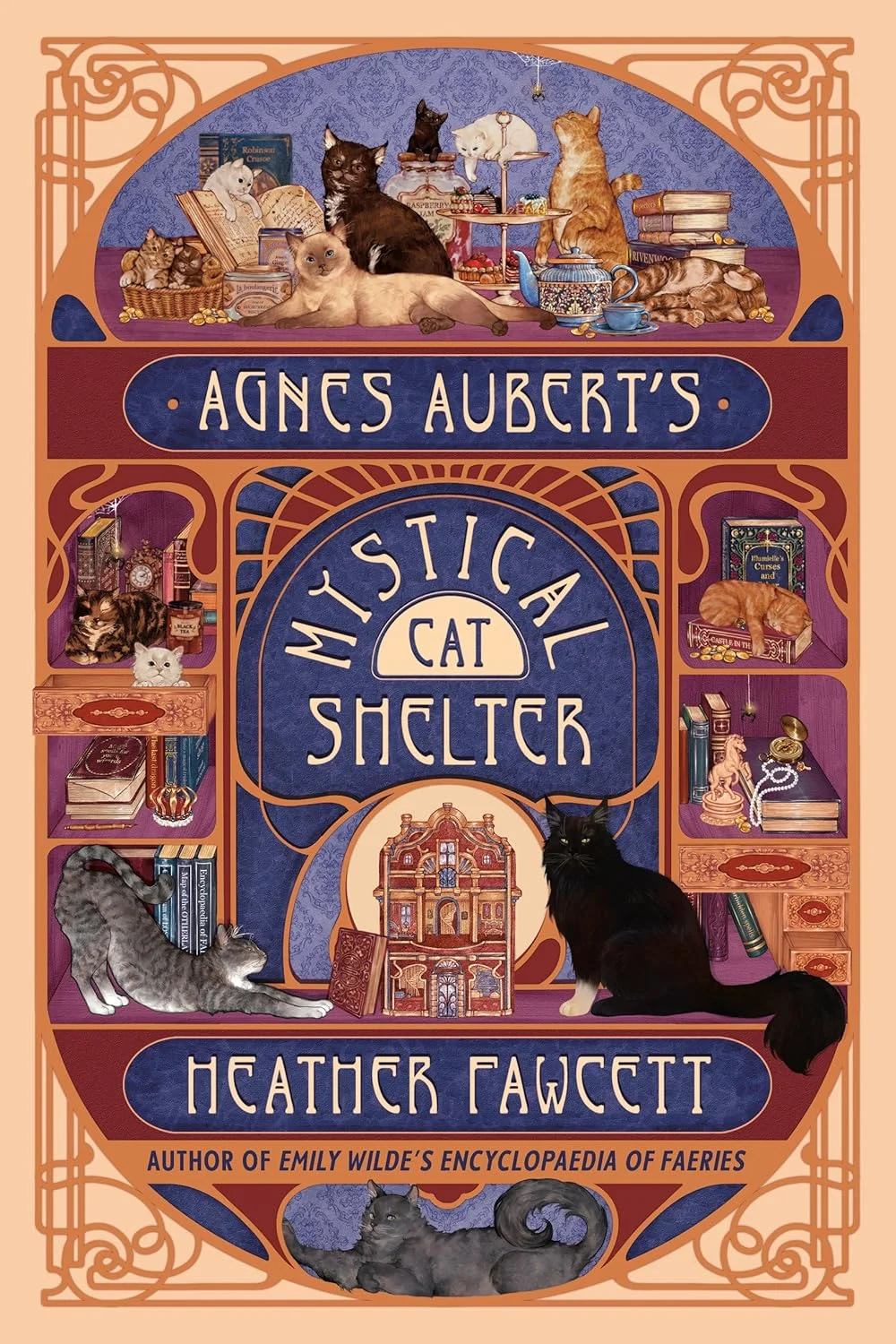
The literary world is in a constant state of flux, driven by reader passion, viral trends, and the enduring power of storytelling. As we analyze the Locus bestseller data for November, it becomes clear that genre fiction is experiencing a period of intense consolidation, with specific authors dominating the public consciousness. From the whimsical charm of cozy fantasy to the unrelenting intensity of grimdark sci-fi, this month’s rankings offer a fascinating snapshot of current reader preferences.
Main Facts: A Shift in Market Dominance
The November charts reveal a significant shift in market dominance, particularly within the hardcover sector. Heather Fawcett’s Agnes Aubert’s Mystical Cat Shelter has ascended to the pinnacle of the hardcover list, displacing established genre titans and capturing the imagination of readers seeking comfort and magic. This rise is emblematic of the broader "cozy fantasy" movement, which continues to gain momentum as a major pillar of speculative fiction.

Conversely, the trade paperback charts tell a different story—one of endurance. Andy Weir’s Project Hail Mary has reclaimed the top spot, proving that high-concept, scientifically grounded science fiction remains a perennial favorite. Alongside Weir, the persistent presence of Matt Dinniman’s Dungeon Crawler Carl series across both hardcover and paperback charts highlights the meteoric rise of the "LitRPG" subgenre, which has evolved from a niche online interest to a powerhouse of print sales.
Chronology: The Trajectory of Success
To understand the current state of the market, one must look at the historical trajectory of these titles.

- The Rise of the Cozy: Agnes Aubert’s Mystical Cat Shelter spent its first month on the list at number five before catapulting to the number one position this month. This rapid acceleration suggests strong word-of-mouth and a successful marketing push that resonated with a growing demographic of readers looking for escapism.
- The LitRPG Phenomenon: Matt Dinniman’s work serves as a masterclass in modern serial publishing. Titles such as The Butcher’s Masquerade and The Eye of the Bedlam Bride have entered the charts with immediate impact, while The Gate of the Feral Gods remains a steady presence after five months. This suggests a deeply loyal readership that is actively keeping backlist titles alive while simultaneously surging to purchase new releases upon arrival.
- The Endurance of Classics: The trade paperback chart shows remarkable stability. Project Hail Mary has held its position for 17 months, a testament to its cultural footprint. Similarly, Sarah J. Maas’s A Court of Thorns and Roses remains a fixture after 44 months, demonstrating how modern fantasy series can achieve the kind of long-tail longevity previously reserved for literary classics.
Supporting Data: By the Numbers
The Locus data, compiled from independent booksellers across North America—including Bakka-Phoenix, Book Moon, and Mysterious Galaxy—provides a raw, unvarnished look at what is actually moving off the shelves.
Hardcover Leaders
- Agnes Aubert’s Mystical Cat Shelter (Heather Fawcett) – 2 months on list
- The Butcher’s Masquerade (Matt Dinniman) – 2 months on list
- Carl’s Doomsday Scenario (Matt Dinniman) – 3 months on list
- The Eye of the Bedlam Bride (Matt Dinniman) – 1 month on list
Trade Paperback Leaders
- Project Hail Mary (Andy Weir) – 17 months on list
- Dungeon Crawler Carl (Matt Dinniman) – 3 months on list
- A Court of Thorns and Roses (Sarah J. Maas) – 44 months on list
Media and Gaming-Related Titles
The gaming-related list was notably dominated by the works of Dan Abnett. His Warhammer 40,000 entries, Horus Rising and Eisenhorn: The Omnibus, effectively locked out the competition. This reflects a growing trend: the synergy between gaming franchises and their novelized counterparts. As the Warhammer universe continues to expand its digital reach, its literary branch is reaping the rewards of a captive, cross-media audience.

Official Responses: Insights from the Industry
While official statements from authors are often reserved for award speeches or social media engagement, the publishing houses themselves speak through their strategic positioning. The dominance of Del Rey, Ace, and Ballantine across these charts indicates that major publishers have successfully identified the "new" core of speculative fiction readers.
The strategy of re-releasing or maintaining inventory for series like Red Rising (Pierce Brown) and Mistborn (Brandon Sanderson) alongside new hits like The Tainted Cup (Robert Jackson Bennett) shows a deliberate attempt to curate a balanced portfolio. By keeping these "gateway" series in print, publishers are ensuring that new readers are funneled into the genre, eventually leading them to the more experimental titles currently climbing the charts.

Implications: Where is the Market Headed?
The data suggests several key implications for the future of the publishing industry:
1. The Death of the "Slow Burn"
In the current climate, if a book does not find its audience within the first two months, its chances of hitting the top ten decrease exponentially. The success of Dinniman’s rapid-release schedule suggests that readers are now conditioned to expect high-frequency content. Publishers that can manage a consistent release cadence are seeing higher engagement than those relying on long intervals between installments.

2. The Power of Independent Bookstores
The reliance on data from independent booksellers—such as Borderlands and Toadstool—underscores the vital role these institutions play in shaping trends. Unlike massive chain algorithms, these stores provide a "human-curated" experience. The fact that Locus reports are derived from these sources means the chart is an accurate reflection of reader culture, not just marketing spend.
3. The Cross-Pollination of Genre
We are seeing a distinct blurring of lines between "Cozy," "Grimdark," and "Sci-Fi." When a reader buys Agnes Aubert and The Butcher’s Masquerade in the same month, it confirms that the modern speculative fiction reader is not a monolith. They are omnivorous, looking for emotional resonance in one book and adrenaline in another.

4. Sustainability and Support
The call to action from Locus regarding donations highlights the fragile nature of independent literary journalism. In an age of automated book recommendation engines, the human element—the critic, the curator, and the independent shop owner—remains the backbone of the industry. The health of these charts is directly tied to the health of the community that produces them.
Conclusion
November’s Locus bestseller report is more than just a list of titles; it is a map of the current zeitgeist. As we move forward, the trends observed—the rise of cozy fantasy, the persistence of LitRPG, and the unyielding popularity of scientifically-grounded narratives—suggest a reader base that is sophisticated, loyal, and hungry for high-quality, frequent content.

Whether you are a casual reader or an industry analyst, these rankings provide a clear window into the future of literature. As the year progresses, it will be compelling to see if the current leaders maintain their grip or if new challengers will emerge to disrupt the status quo. One thing is certain: in the world of speculative fiction, the only constant is change, and the books that resonate most are those that challenge our expectations while providing the comfort we crave.
For those interested in supporting the continued documentation of these trends, please consider visiting the Locus website to support their independent reporting and critical reviews.

 Jia Lissa
 Pevita Pearce