Lina Irawan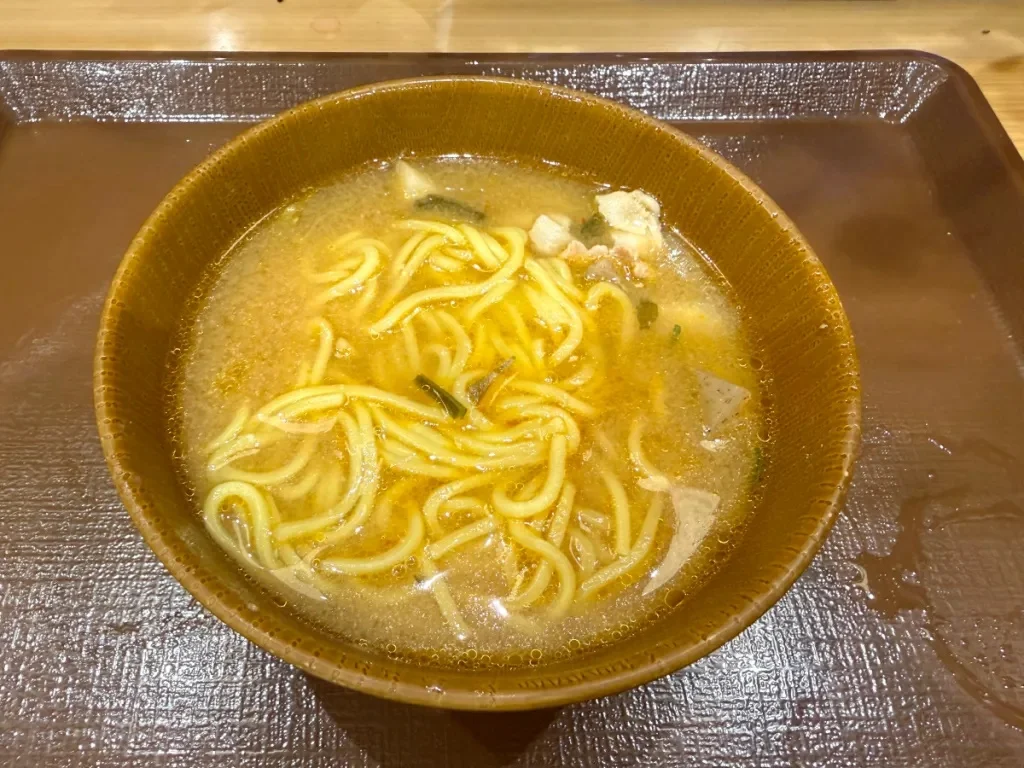
In the competitive landscape of Japan’s fast-food industry, the "Big Three" chains—Yoshinoya, Matsuya, and Sukiya—have long held dominion over the gyudon (beef bowl) market. For decades, these establishments have relied on a proven formula: affordable, high-speed, and consistent meals designed for the salaryman on the move. However, the equilibrium of this sector was disrupted this June when Sukiya, the largest of the three by store count, introduced a radical departure from its standard menu: a series of "Tonjiru Miso Ramen" dishes.
This pivot does not merely represent a new menu item; it challenges the culinary taxonomy of what constitutes ramen in Japan. By integrating tonjiru—a rustic, dashi-based pork and vegetable soup—with traditional ramen noodles, Sukiya has blurred the lines between a traditional Japanese side dish and a standalone noodle entree.
The Genesis of a Culinary Hybrid
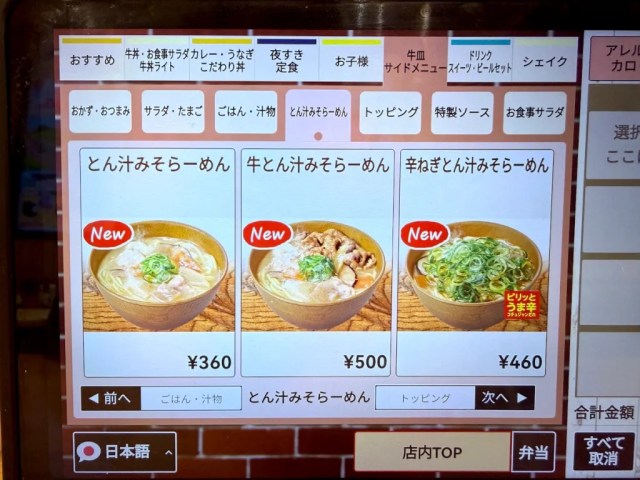
The story of Sukiya’s ramen began quietly at the start of June 2026. Patrons walking into their local Sukiya branches were greeted by updated digital touch-screen ordering panels. Among the familiar icons for beef bowls, curry, and breakfast sets, a new category appeared, labeled with the characters for "ramen."
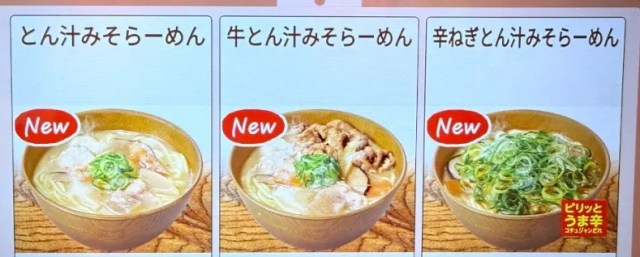
Upon closer inspection, the menu revealed a trio of options: the base Tonjiru Miso Ramen, a Beef Tonjiru Miso Ramen, and a Spicy Green Onion Tonjiru Miso Ramen. While the branding explicitly uses the term "ramen," the secondary descriptors emphasize the foundation of these dishes: tonjiru.
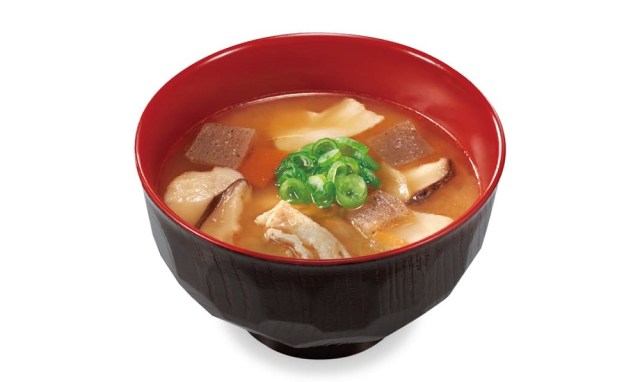
In Japanese cuisine, tonjiru is a staple comfort food. It is a hearty, miso-based soup typically loaded with thin strips of pork belly, daikon radish, carrots, burdock root, and konjac. It is the quintessential "home-style" soup, usually served as a side to a bowl of white rice. By contrast, traditional miso ramen—a staple of Hokkaido-style cuisine—relies on a thick, potent broth often fortified with garlic, ginger, sesame paste, and rendered animal fats to coat the noodles.
Sukiya’s decision to marry these two concepts is, by all traditional metrics, a culinary anomaly. It is not an evolution of ramen; it is a reinvention of the tonjiru experience.
A Chronology of the Development
The development of the menu can be traced back to the chain’s broader strategy of "value-added nutrition." Sukiya has consistently aimed to differentiate itself from competitors by offering a wider array of toppings and vegetable-forward sides.
- Late May 2026: Sukiya releases a cryptic press release regarding an upcoming "seasonal shift" in their side-menu offerings.
- June 1, 2026: The nationwide rollout begins. The items are positioned as limited-time offerings, designed to test market receptivity to a "lighter" ramen alternative.
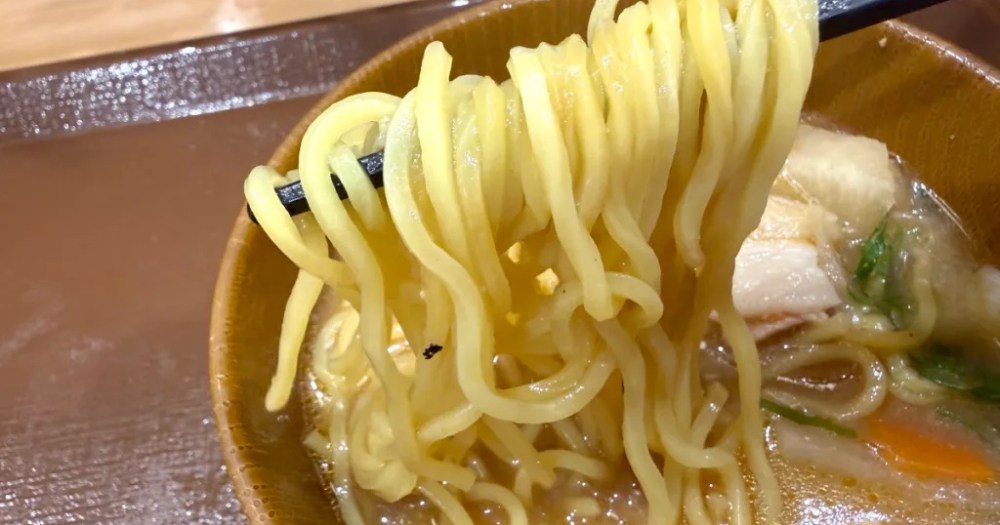
- Early June 2026: Initial consumer feedback begins to permeate social media channels. Early adopters noted the surprising texture contrast between the standard wheat-based noodles and the vegetable-heavy soup.
- Mid-June 2026: Sukiya begins tracking the sales velocity of the Beef Tonjiru Miso Ramen compared to their standard Gyudon, finding that the former is frequently being ordered as a "set-meal" upgrade rather than a replacement.
Analyzing the Flavor Profile: Beyond the Broth
To understand the impact of this dish, one must look past the nomenclature. When one consumes a bowl of "orthodox" miso ramen, the expectation is a heavy, umami-laden experience. The broth is designed to be the protagonist.
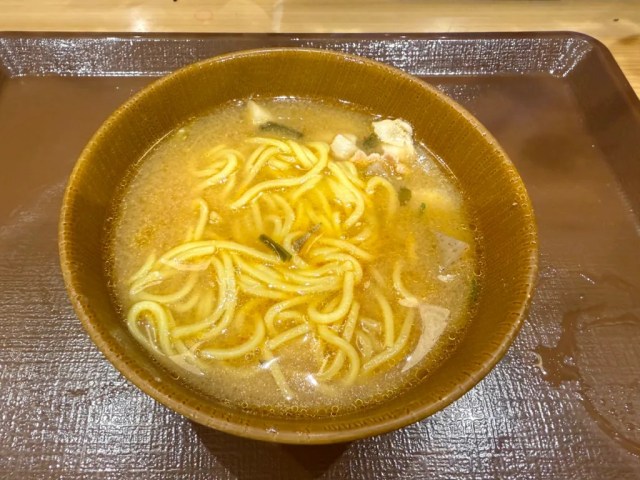
At Sukiya, the experience is inverted. The soup retains the delicate, dashi-forward profile of a home-cooked miso soup. The dashi provides a subtle, oceanic depth, while the pork and root vegetables provide textural variety that is often absent in the smooth, creamy broth of a standard ramen shop.
When the noodles are introduced into this environment, they act as a vessel for the miso-based soup, but they do not demand the same intensity of flavor that a standard tonkotsu or miso ramen requires. The result is a dish that feels "lighter." For the lunch-hour diner, this is a significant benefit. It avoids the "afternoon slump" often associated with the high-sodium, high-fat content of a traditional ramen lunch.
The Menu Hierarchy
- Tonjiru Miso Ramen (360 yen): The entry-level bowl. It offers a straightforward taste of the new concept at a price point that barely exceeds a standard side dish.
- Spicy Green Onion Tonjiru Miso Ramen (460 yen): Designed for the heat-seeking demographic, the addition of the signature Sukiya spicy scallions adds a necessary sharp contrast to the earthy sweetness of the miso.
- Beef Tonjiru Miso Ramen (500 yen): The premium option. This bowl includes the chain’s signature simmered beef, essentially merging their flagship product with their new experiment.
Supporting Data: Consumer Behavior and Market Positioning
Market data suggests that Sukiya is tapping into a demographic that is increasingly conscious of "heavy" eating. The "Big Three" chains have historically struggled with the perception that their food is calorie-dense and vegetable-deficient.
By utilizing the tonjiru base—which is inherently filled with fiber-rich vegetables—Sukiya is effectively "health-washing" the ramen category. A standard bowl of ramen from a specialty shop might exceed 1,000 calories. By providing a version that relies on a soup base that customers already associate with health and comfort, Sukiya provides a guilt-free alternative for the daily commuter.
Furthermore, the pricing strategy is masterful. By starting at 360 yen, the product acts as a bridge. It is an affordable experiment for the customer. If they enjoy it, the option to bundle it with a beef bowl for 850 yen provides an upsell opportunity that increases the average ticket price per customer—a key metric for any fast-food chain.
Official Stance and Corporate Strategy
While Sukiya has remained relatively tight-lipped regarding long-term sales projections, company representatives have hinted that the "limited time" designation is a standard operational procedure for new product launches.
"We are constantly looking for ways to maximize the utility of our existing ingredients," one internal source noted. Because tonjiru is a permanent fixture of the Sukiya menu, the supply chain infrastructure to produce these new ramen dishes already exists. The only variable was the introduction of the ramen noodles themselves.
This makes the transition to a permanent menu item a low-risk, high-reward proposition. Unlike a new specialty sauce or an imported ingredient that would require new logistics, the Tonjiru Miso Ramen utilizes the existing kitchen workflow. If the data remains positive through the end of the summer, it is highly probable that this "temporary" item will become a permanent fixture.
Implications for the Fast-Food Industry
The success (or failure) of Sukiya’s experiment will likely influence how other chains approach menu innovation. If customers respond well to the "hybrid" nature of this dish, we may see a trend toward "deconstructed" fast food, where traditional meal categories are broken down and reassembled into new, more efficient formats.
For the ramen purist, Sukiya’s offering might be considered a blasphemy—an affront to the labor-intensive process of creating a 24-hour pork-bone broth. However, for the average consumer, it is a testament to the versatility of the Japanese kitchen.
The implication is clear: in an era of rising costs and changing health priorities, the most successful chains will not be the ones that adhere most strictly to tradition, but those that can adapt existing, beloved components into something new, efficient, and surprisingly satisfying. Sukiya has not invented the world’s best ramen, but they may have invented the most practical one.


 Neng Nana
 Asro
Asro