Ali Ikhwan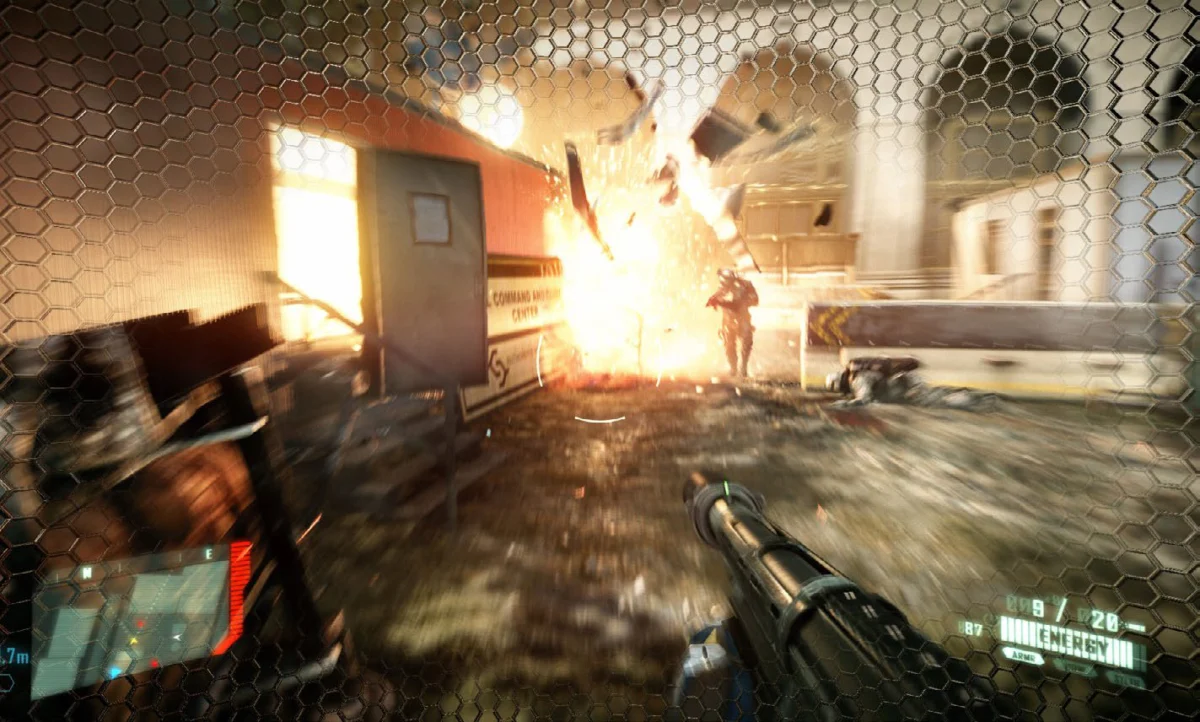
From the archives: This feature originally appeared in PC Gamer (UK) #279, offering a retrospective look at Crytek’s ambitious, flawed, and undeniably spectacular urban shooter.
In the annals of first-person shooter history, few titles carry as much polarizing weight as Crysis 2. Released by Crytek in 2011, it arrived with the burden of following the original Crysis—a title that had become the unofficial benchmark for PC hardware performance and emergent gameplay. When we look back at Crysis 2 today, it stands as a paradox: a game that fundamentally misunderstood what made its predecessor special, yet succeeded in creating one of the most visceral, destructive experiences of its generation.
The Core Contradictions: Where Crysis 2 Stumbled
To revisit Crysis 2 is to confront a catalog of design grievances. Its artificial intelligence remains a point of contention, often veering into "criminally stupid" territory where enemies fail to react with the tactical complexity one would expect from a high-stakes military sci-fi thriller. The narrative, featuring the silent protagonist Alcatraz, is a convoluted mess of jargon, hackneyed archetypes, and confusing plot beats that fail to ground the player in the stakes of the conflict.
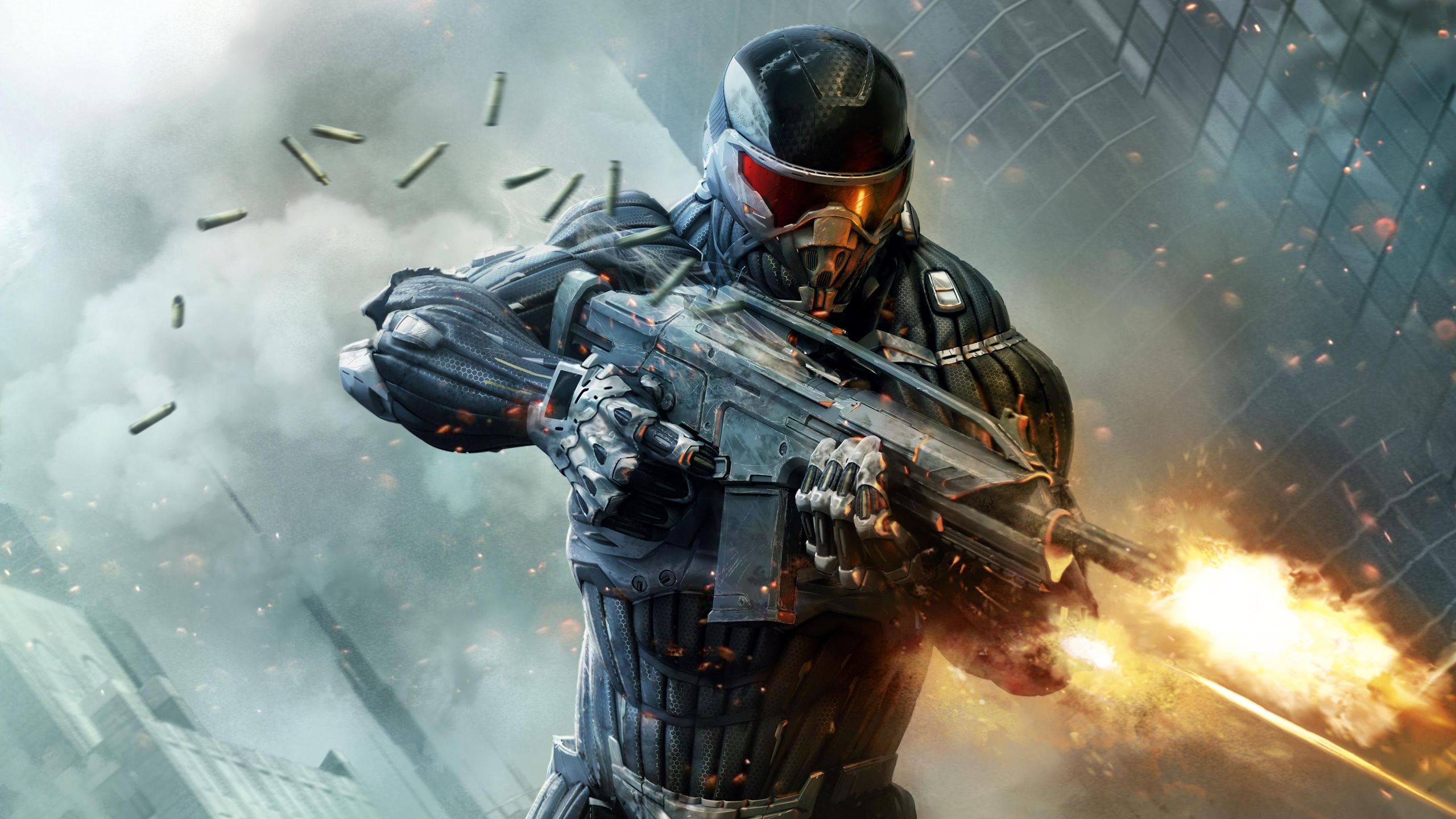
Perhaps most egregious for veteran fans of the 2007 original was the shift in scope. The move from the expansive, open-ended tropical sandbox of Lingshan Island to the claustrophobic, narrow corridors of a besieged New York City felt like a betrayal of the series’ core identity. The Nanosuit, the star of the show, was restricted; the four-mode system of the first game—Strength, Speed, Armor, and Cloak—was streamlined into a dual-mode system (Armor and Cloak), effectively clipping the wings of the player’s potential for emergent play.
A Masterclass in Digital Obliteration
Yet, for all its structural failures, Crysis 2 possesses a singular, saving grace: the art of destruction. It is a grim, beautiful fairytale of a crumbling metropolis. If one chooses to embrace the game’s inherent theme of total obliteration rather than lamenting the loss of the series’ open-world roots, Crysis 2 becomes a masterclass in disaster fiction.
From the quiet, eerie tension of the opening moments to the absolute apocalyptic chaos of the final act, the environmental storytelling through destruction is unparalleled. The game forces the player to witness the city as a living, dying entity. Early in the campaign, an alien spacecraft crashes into a skyscraper, slicing through the architecture like a knife through butter. Later, sections of the FDR highway collapse in a cloud of dust and debris, providing the player with an improvised tactical advantage. These moments are not just set-pieces; they are the game’s heart.
The Nanosuit: Protagonist or Tool?
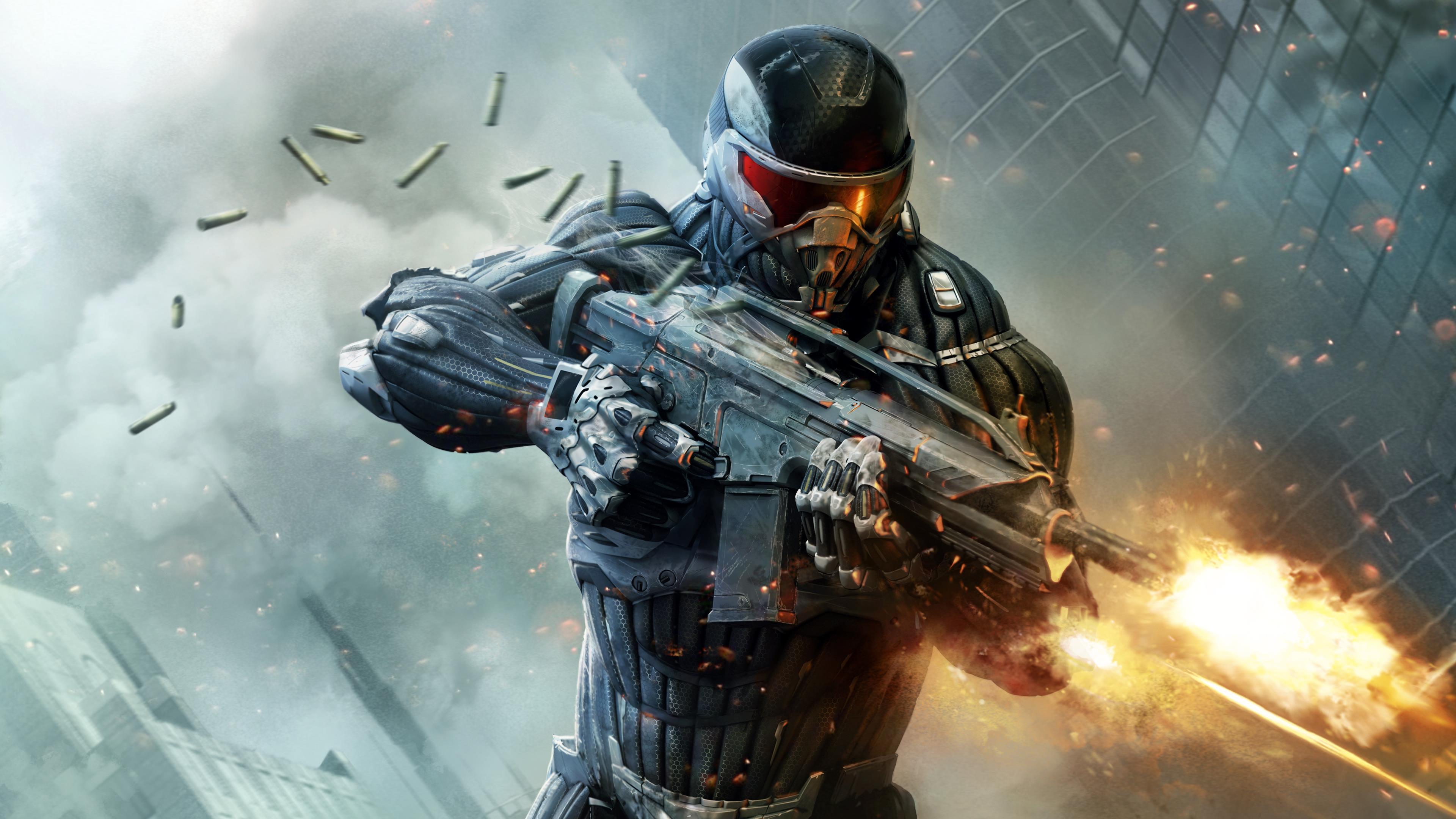
Crytek clearly realized that the Nanosuit was the true face of the franchise. In Crysis 2, the suit is the hero; Alcatraz is merely the "bag of leaky meat" inhabiting it. As the story progresses, the suit synthesizes cures and evolves, turning the player into a walking, tactical anomaly.
While the reduction of active abilities remains a point of contention—the loss of manual strength and speed jumps is felt throughout the game—the core gameplay loop eventually finds a rhythm. Cloaking allows for precise positioning, while the Armor mode provides the grit required to stand your ground against overwhelming odds. When you rip a heavy machine gun from a mounted emplacement and toggle your armor to absorb incoming fire, the game clicks. You aren’t just playing a shooter; you are embodying a force of nature.
Chronology of the Siege
The game’s pacing follows a distinct arc. The first third is defined by stealth and survival, as the player navigates the urban jungle while being hunted by CELL mercenaries. It is during this phase that the game is at its most vulnerable, as it forces the player to engage with the restrictive, linear level design.
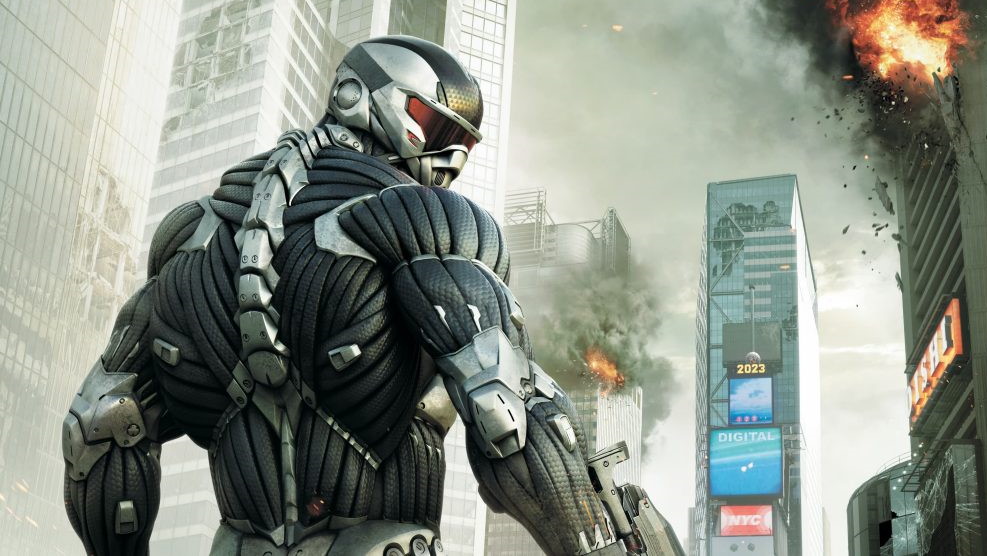
However, once the player links up with the remnants of the U.S. military, the game shifts gear. Manhattan ceases to be a street-level maze and becomes a war zone. The "Unsafe Haven" level stands as the peak of the experience, requiring the player to navigate Ceph battle-lines to detonate explosives that bring an entire building down on enemy artillery. It is a sequence of tactical satisfaction that rivals the best moments of Half-Life 2. The escalation is constant: the city becomes less recognizable, the threats more existential, and the player’s role shifts from a lone wolf to a critical defensive anchor.
Supporting Data: Technical Fidelity and Design Choices
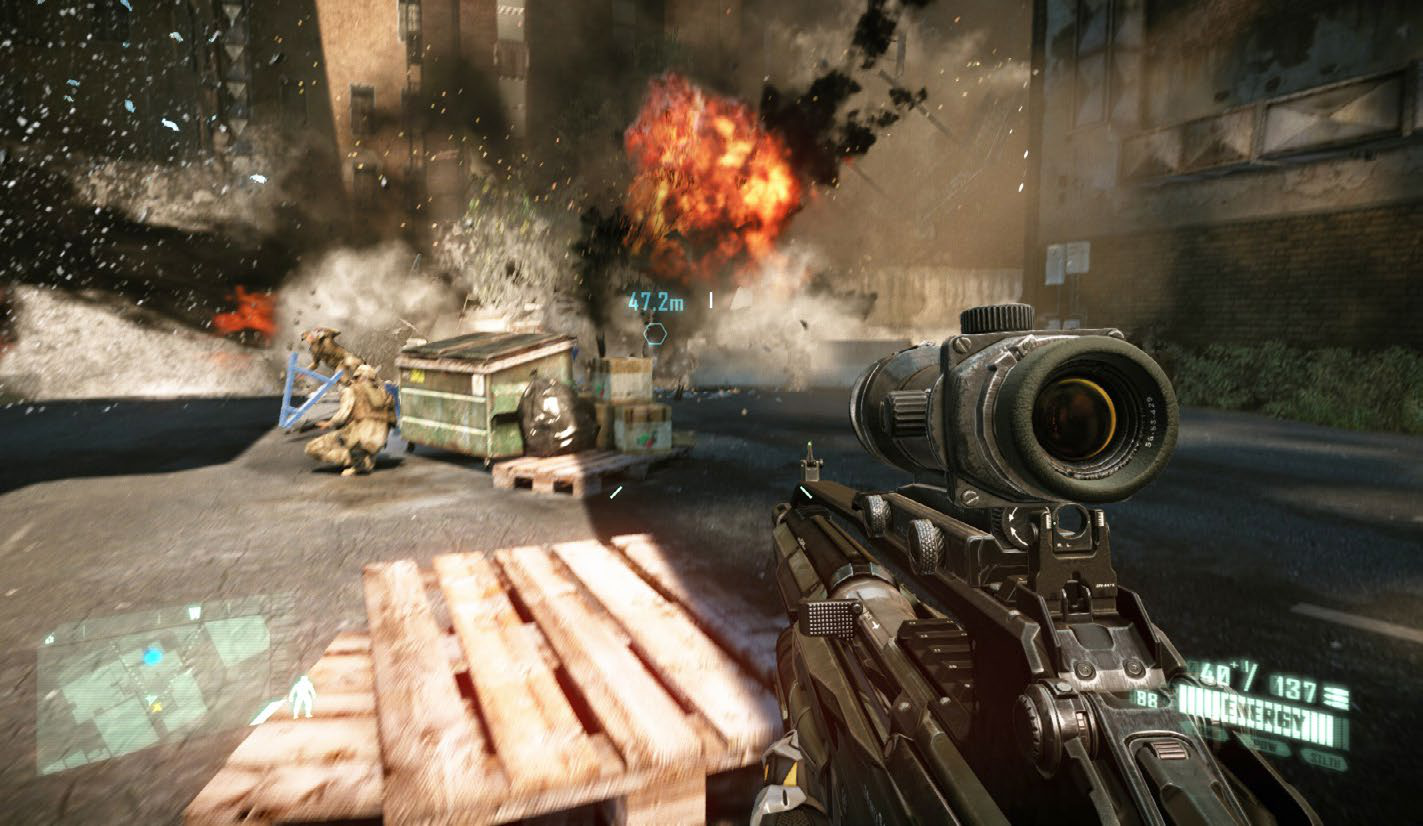
Despite its age, Crysis 2 remains a visual powerhouse, particularly with the inclusion of later HD texture updates. The fidelity of the lighting, the density of the particle effects, and the sheer scale of the environmental collapse demonstrate why Crytek was, and remains, a leader in engine technology.
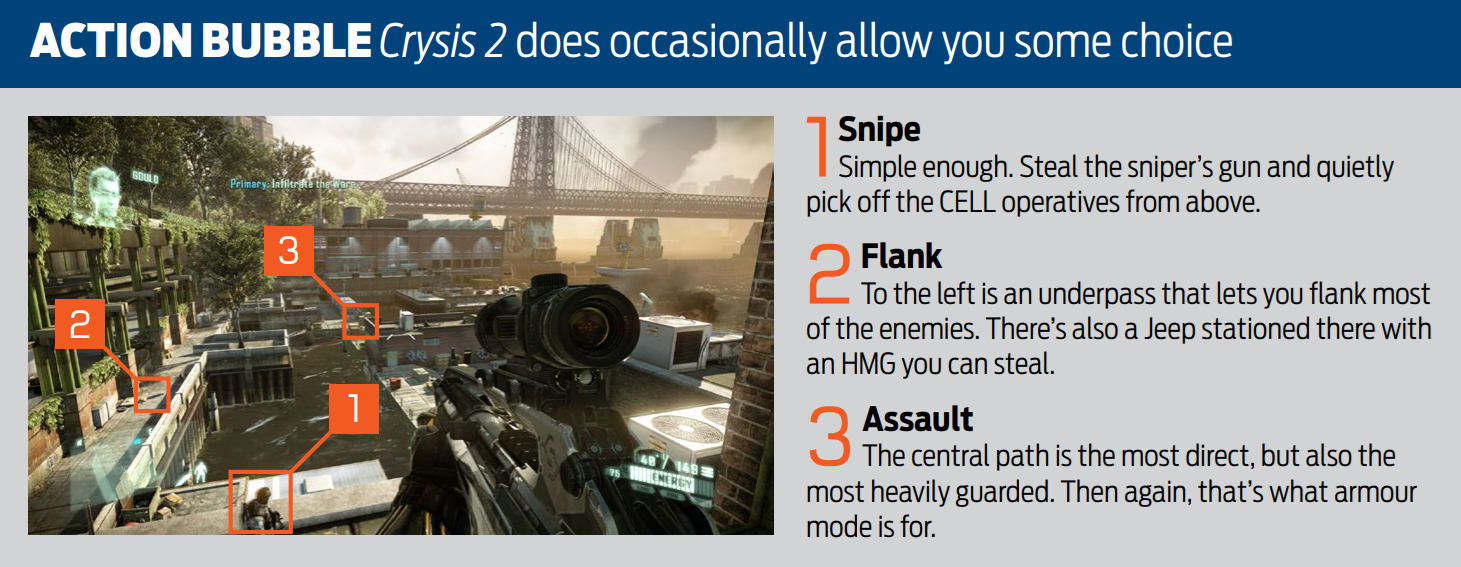
However, the "emergent play" metrics tell a different story. In the original Crysis, players could tackle objectives from a dozen different angles. In Crysis 2, the "combat bowl" design restricts this to two or three paths. While this allows for tighter, more cinematic encounters, it sacrifices the agency that made the franchise a PC gaming icon. This design choice was a calculated risk that many critics at the time felt did not pay off.
Official Responses and Post-Mortem
Following the release of Crysis 2, the discourse within the development community and the press was focused on the "consolization" of PC gaming. Crytek faced significant pushback regarding the limitations of the UI and the simplified Nanosuit controls.
In subsequent years, Crytek’s attempts to address these criticisms in Crysis 3 were widely viewed as "undercooked." The studio tried to bridge the gap between the open world of the first game and the narrative focus of the second, but the result lacked the focused, destructive beauty that made Crysis 2 memorable. The conclusion drawn by the community was that Crysis 2 was a flawed masterpiece—a game that dared to experiment with narrative-driven destruction but ultimately lacked the polish to bridge the gap between its ambitions and its mechanics.
The Final Verdict: Why It Still Matters
The final mission of Crysis 2 remains a significant point of failure. It is an anticlimactic sprint through a narrative that collapses under its own weight, concluding with a confusing, unsatisfying finale. For a game that spent hours building a sense of scale, the ending feels strangely muted.
However, the legacy of Crysis 2 should not be defined by its ending or its clunky AI. It should be defined by the moments in between: the sound of a heavy machine gun kicking back against your shoulder, the sight of a skyscraper groaning as it begins its slow-motion collapse, and the feeling of absolute power granted by a piece of technology that outclasses the man wearing it.
Crysis 2 is a reminder that even when a game gets the big picture wrong, there is immense value in the details. It remains a fascinating relic of a time when developers were still figuring out how to translate the freedom of PC gaming into the cinematic, high-budget spectacles that would come to dominate the industry. For those willing to look past its flaws, it offers a brand of glorious, high-fidelity devastation that few shooters have managed to capture since.


 Asro
Asro
 Muslim