

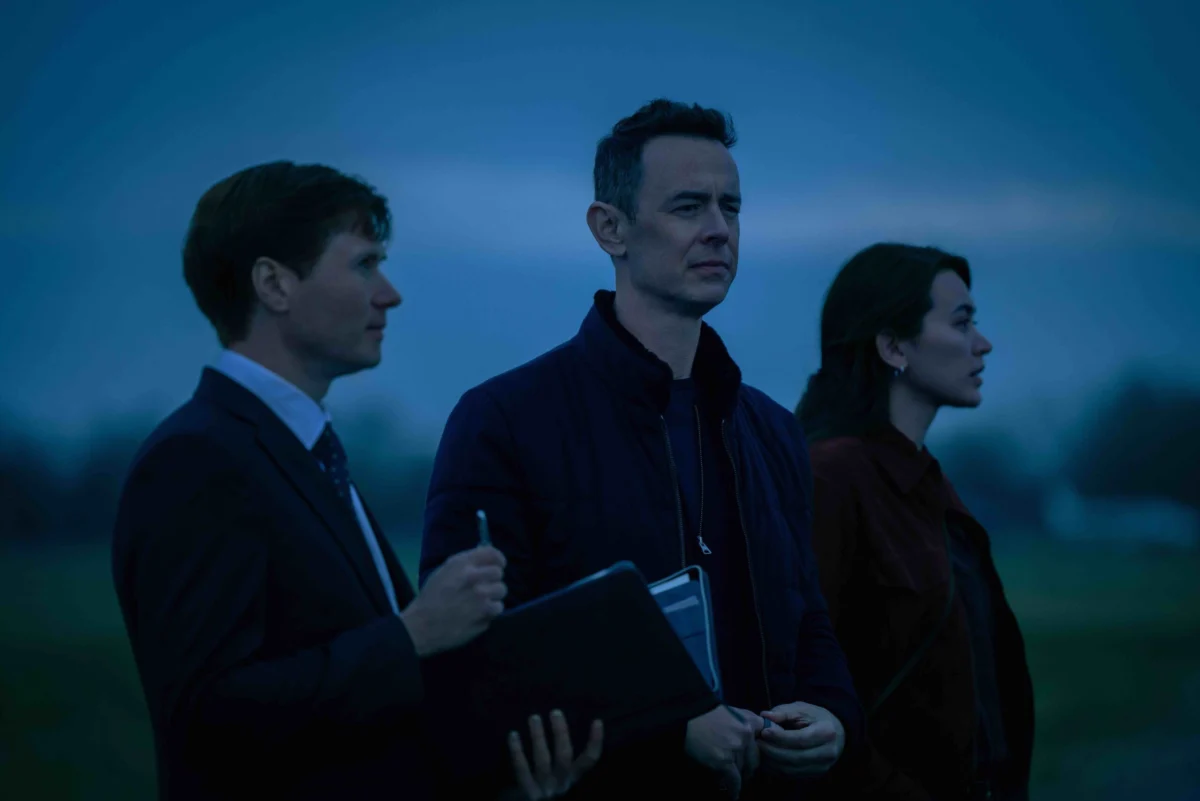
The subterranean world of Apple TV+’s hit sci-fi series Silo is about to become much more claustrophobic. Following a second season that left audiences reeling from the shocking survival of Juliette Nichols, the franchise is returning for its most ambitious chapter yet. With a premiere date set for July 3, the ten-episode third season is poised to bridge the gap between the show’s tense, character-driven mystery and the sweeping, apocalyptic lore established in Hugh Howey’s acclaimed Wool trilogy.
If the newly released trailer is any indication, the upcoming season isn’t merely continuing the story—it is fundamentally rewriting our understanding of why humanity was driven underground in the first place.
The Main Facts: A Return to the Underground
The third season of Silo will debut its first episode on July 3, with the remaining nine episodes following a weekly rollout every Friday until the season finale on September 4. The narrative stakes have never been higher. Following the harrowing events of the season two finale, which saw Juliette (played with grit and vulnerability by Rebecca Ferguson) survive the incinerator, she finds herself in a precarious position.
She is alive, but she is far from herself. The trailer reveals that Juliette is suffering from profound memory loss, a condition being exploited by the powers that be. For three months, a character named Camille Sims (Alexandria Riley) has been curating a false reality for Juliette, feeding her a fabricated narrative to ensure she remains a puppet within the silo’s rigid hierarchy. Central to this manipulation are mysterious, unidentified pills that appear to suppress genuine memories. A cryptic, off-screen entity referred to only as "The Algorithm" confirms the success of this conditioning, noting that Juliette possesses no recollections beyond those she has been programmed to believe.

However, the resistance remains active. The trailer teases a secret, handwritten note—a classic trope of the Silo universe—warning Juliette to avoid the pills. This suggests a burgeoning shadow war for her autonomy, one that promises to be a focal point of the season’s early episodes.
Chronology: A Tale of Two Timelines
Perhaps the most significant development in season three is the show’s decision to adopt a dual-timeline structure. While the present-day narrative follows Juliette’s struggle for identity and power, the series is finally leaning into the source material’s shift in scope by exploring the "before."
The Present: The Mayor in the Dark
In the present, the silo is ticking toward an inevitable catastrophe. The trailer features a countdown clock that implies a catastrophic failure of the silo’s infrastructure is imminent. The tension is palpable; as one character remarks, the panic that would ensue if the general population realized how little time they have left would be "unthinkable." Amidst this pressure, the show hints at a political transformation for our protagonist: Juliette appears to be positioned to assume the mantle of Mayor—a role of immense authority that she has no memory of earning.
This creates a fascinating dramatic irony: the viewers know she is a survivor of the world outside, while the people she is meant to lead are being fed a curated history by those who hide the truth.

The Past: The Genesis of the End
The most electrifying aspect of the trailer is the flashback narrative, which draws heavily from Shift, the second book in Howey’s trilogy. We are introduced to journalist Helen Drew (Jessica Henwick) and Congressman Daniel Keene (Ashley Zukerman). Their storyline is set centuries before the construction of the silos. By moving back to the origin, the show intends to answer the question that has haunted viewers since the first episode: How did the world end?
The footage hints at a massive, state-sanctioned conspiracy involving radiological weapons and a global power struggle. This shifts the genre of the show from a contained "bunker mystery" to a high-stakes political thriller, providing the necessary context for the authoritarianism that defines the current silo.
Supporting Data: Production and Expansion
Silo season three represents a massive investment for Apple TV+. The production values, already high in previous installments, appear even more refined, with production design that contrasts the clinical, terrifying efficiency of the "pre-silo" world with the rusted, industrial claustrophobia of the present.
The cast expansion is equally impressive. Joining the core ensemble are veterans of the industry who are expected to bring depth to the new, expansive storyline:

- Laura Innes (noted for ER and The West Wing)
- Jessica Brown Findlay (Downton Abbey)
- Morven Christie (Grantchester)
- Reed Birney (House of Cards)
- Matt Craven (Justified)
- Colin Hanks (Fargo)
The return of Steve Zahn as "Solo" is also a major win for the series. His character, whose survival was left in question at the end of season two, provides a necessary link between the isolated history of the silo and the harsh realities of the outside world.
Official Responses and Creative Direction
While the cast and crew have remained tight-lipped regarding specific plot twists, the creative team has emphasized that this season is about "unmasking the architects." Showrunner Graham Yost has previously noted that the show would eventually need to explain the "why" behind the Silo project. By introducing characters like Daniel Keene and Helen Drew, the series is moving away from the "who is in charge" mystery of the first season and toward a "why is this happening" exploration.
The inclusion of memory manipulation as a central plot device is a bold departure from the Wool novels. In the books, the mystery is often solved through investigation and physical discovery. By making the protagonist herself the site of the mystery—with her own brain being a locked room she cannot enter—the writers are ratcheting up the psychological stakes. This "psychological thriller" approach is designed to keep viewers off-balance, never knowing if the information provided in the flashbacks or the present is objective truth or another layer of propaganda.
Implications: The High Cost of the Truth
The overarching theme of Silo has always been the danger of curiosity. In the first season, we saw what happened to those who asked questions: they were sent out to clean, effectively sentencing them to death.

As we approach season three, the implications are shifting. The "truth" is no longer just a dangerous secret kept by the Judicial department; it is a fundamental pillar of human existence that has been eroded over centuries. By digging into the past, the characters in the flashback timeline are essentially digging the graves of their future descendants.
The "Algorithm," the pills, and the memory wipes suggest that the controlling force in the silo is not just interested in obedience, but in the total erasure of the human record. If Juliette can reclaim her memories, she might become the first person in history to understand the full scope of the disaster—and perhaps, the first person capable of ending the cycle.
Conclusion
Silo has established itself as one of the most intellectually rigorous sci-fi series on television. With its unique blend of dystopian drama, mystery, and now, historical conspiracy, the third season is perfectly positioned to capture the zeitgeist of modern prestige television.
As the countdown begins toward the July 3 premiere, the audience is left with the series’ most haunting question: If the truth is in the past, and that past has been intentionally buried, is humanity better off staying in the dark? With the mystery of the "end of the world" finally coming to the forefront, we are about to find out. Catch up on the first two seasons now—the truth, as the trailer promises, is waiting in the rubble.












No comments yet. Be the first to join the conversation!