Neng Nana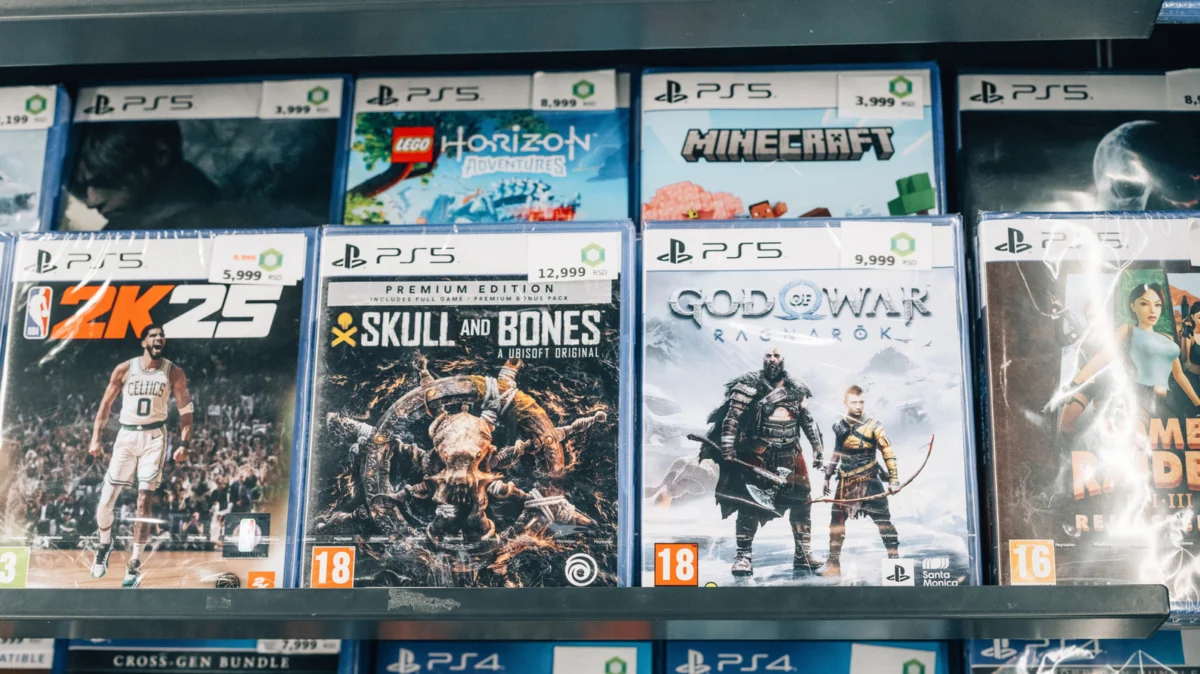
The video game industry is standing at a precarious crossroads. For decades, the ritual of purchasing a physical game—the tactile experience of popping a disc into a console, the smell of fresh plastic, and the ability to build a library of tangible software—has been a cornerstone of the gaming experience. However, that era is drawing to a definitive close. Sony Interactive Entertainment has confirmed that, effective January 2028, the production of physical game discs for PlayStation consoles will cease for all new titles.
While the initial announcement sent shockwaves through the community, a new development has emerged: Sony is offering a narrow window of flexibility for legacy titles. As revealed in a private communication to developers and publishers, Sony will permit the continued manufacturing of physical discs for games that hit the market before the 2028 cutoff date. While this offers a stay of execution for back-catalog support, it does little to dampen the long-term industry shift toward an exclusively digital ecosystem.
The Chronology of a Digital Transition
To understand the weight of this decision, one must look at the gradual erosion of physical media over the last decade.
- 2013–2020: The rise of digital storefronts like the PlayStation Store and the increasing ubiquity of high-speed internet saw a slow but steady decline in the percentage of physical sales.
- 2020: The release of the PlayStation 5 Digital Edition signaled Sony’s intent to cater to a demographic that had already moved on from physical media.
- 2026: Sony officially announced that it would begin winding down its physical disc manufacturing capabilities.
- 2027: Sony begins the transition of its critical infrastructure, including its Salzburg, Austria, facility, which is currently being repurposed from a disc manufacturing hub into a factory for high-precision optical microlenses.
- January 2028: The official deadline for new physical releases. Any title released after this date will be exclusively available in a digital-only format.
This timeline reflects a deliberate corporate strategy to transition away from the logistics-heavy world of global shipping and retail distribution, moving instead toward a high-margin, low-friction digital model.
Understanding the "Grandfather Clause"
The recent report from Game File clarifies a nuance that was previously ambiguous. Publishers are not being forced to abandon their existing physical catalogs the moment the calendar hits 2028. Sony has confirmed that publishers will be permitted to place re-orders for existing PlayStation disc games indefinitely, provided those titles were released before the 2028 threshold.
However, the mechanism for this is changing. Sony has indicated that the current ordering process for physical manufacturing will undergo significant modifications. While the company has been tight-lipped about the specific mechanics of these new procedures, industry insiders suggest that these orders will likely become more expensive or be limited to smaller, "print-on-demand" style runs to account for the closure of large-scale manufacturing facilities.
This "grandfather clause" provides a temporary reprieve for collectors and publishers, but it acts as a sunset provision rather than a long-term solution. It ensures that popular titles currently on shelves won’t vanish overnight, but it essentially locks the physical medium in a state of suspended animation.
Digital Codes: The Retail Compromise
In a bid to appease retailers like GameStop, Walmart, and Best Buy, Sony is exploring the implementation of physical retail codes. Under this proposed model, consumers would still be able to walk into a store and purchase a physical box—likely containing a redeemable code or a digital voucher—rather than a disc.
While this preserves the retail presence of PlayStation products, critics argue that it is a "hollow" physical experience. Without the actual data on a disc, the player is entirely dependent on the Sony ecosystem. If a server is shuttered or a license is revoked, the "physical" box becomes little more than a piece of decorative plastic.
Sony has yet to provide granular details on how these digital code packages will be priced or if they will offer any of the resale value associated with traditional physical discs.

Supporting Data and Economic Realities
The transition to digital-only is not merely a preference; it is a financial imperative for hardware manufacturers. The costs associated with physical media—manufacturing, warehousing, shipping, and the revenue split required for third-party retailers—are substantial.
Industry data suggests that digital margins are significantly higher, often by 15% to 25% per unit sold. Furthermore, by removing the physical disc, Sony gains absolute control over the secondary market. Digital games cannot be resold, traded, or lent to friends. This effectively kills the "used game" economy, forcing consumers to pay full price directly to the storefront, a shift that is immensely profitable for publishers but deeply unpopular with the consumer base.
The Implication for Game Preservation
Perhaps the most significant casualty of this shift is the concept of digital ownership and preservation. Unlike a disc, which can be played decades later on original hardware, a digital game is a license—a "right to access" that can be modified or revoked.
"When you remove the physical disc, you remove the autonomy of the player," says game historian Marcus Thorne. "If the servers go down, or if a company decides to pull a game due to licensing issues, the physical disc remains a beacon of accessibility. Without it, we are essentially renting our libraries from corporations that can decide to take them back at any time."
The industry’s move toward a cloud-dependent or account-bound digital future creates a "black hole" in history. If titles are not properly archived, the transition to 2028 could result in a massive loss of cultural heritage, as digital-only games become inaccessible once the specific store front supporting them is retired.
Official Responses and Industry Outlook
Sony has maintained a professional, albeit guarded, stance on these changes. In their official communication, they emphasize that this move is about "streamlining the development process" and "optimizing the supply chain." They argue that the focus on digital delivery allows for faster patches, more frequent updates, and a more seamless integration of live-service features.
However, the gaming community remains skeptical. On forums and social media, the consensus remains overwhelmingly negative. The primary grievances cited include:
- Lack of Ownership: The inability to truly "own" the software purchased.
- Price Inflation: The lack of competition between retailers often leads to higher prices for digital goods compared to physical sales.
- Bandwidth Constraints: For regions with poor internet infrastructure, the requirement to download massive 100GB+ files is a significant barrier to entry.
- Resale Value: The complete eradication of the used game market.
Despite these concerns, major publishers are largely aligning with Sony’s vision. For them, the ability to control the entire lifecycle of a product—from sale to potential server shutdown—is too tempting to pass up.
Conclusion: The New Reality
As we approach 2028, the gaming landscape is undergoing a transformation as significant as the transition from 2D to 3D. While Sony’s concession to allow continued printing of pre-2028 titles provides a small comfort, it is clear that the industry has set its course.
The era of the "physical library" is coming to an end. For the average gamer, this means a future of convenience, instant access, and constant connectivity. But for the enthusiast, the historian, and the collector, it marks the loss of a tangible connection to the art form they love. As Sony continues to repurpose its manufacturing facilities and shift its focus toward digital infrastructure, the message to the industry is clear: the disc is a relic of the past, and the digital cloud is the only path forward. Whether that path leads to a more robust gaming future or a precarious reliance on corporate stability remains to be seen.


 Raul Delapena Setiawan