

By Leandro Beroldo | June 29, 2026
Long before the modern era of influencers and the saturation of celebrity culture, there existed a singular figure who bridged the gap between the flickering lights of the silver screen and the rigid, ornate halls of European nobility. Grace Kelly was more than just an actress; she was a cultural phenomenon. Embodying elegance, mystery, and a brand of classic Hollywood glamour that has yet to be replicated, Kelly’s trajectory—from a Philadelphia socialite to a star of the Golden Age, and finally, to the Princess of Monaco—remains the ultimate modern fairy tale.
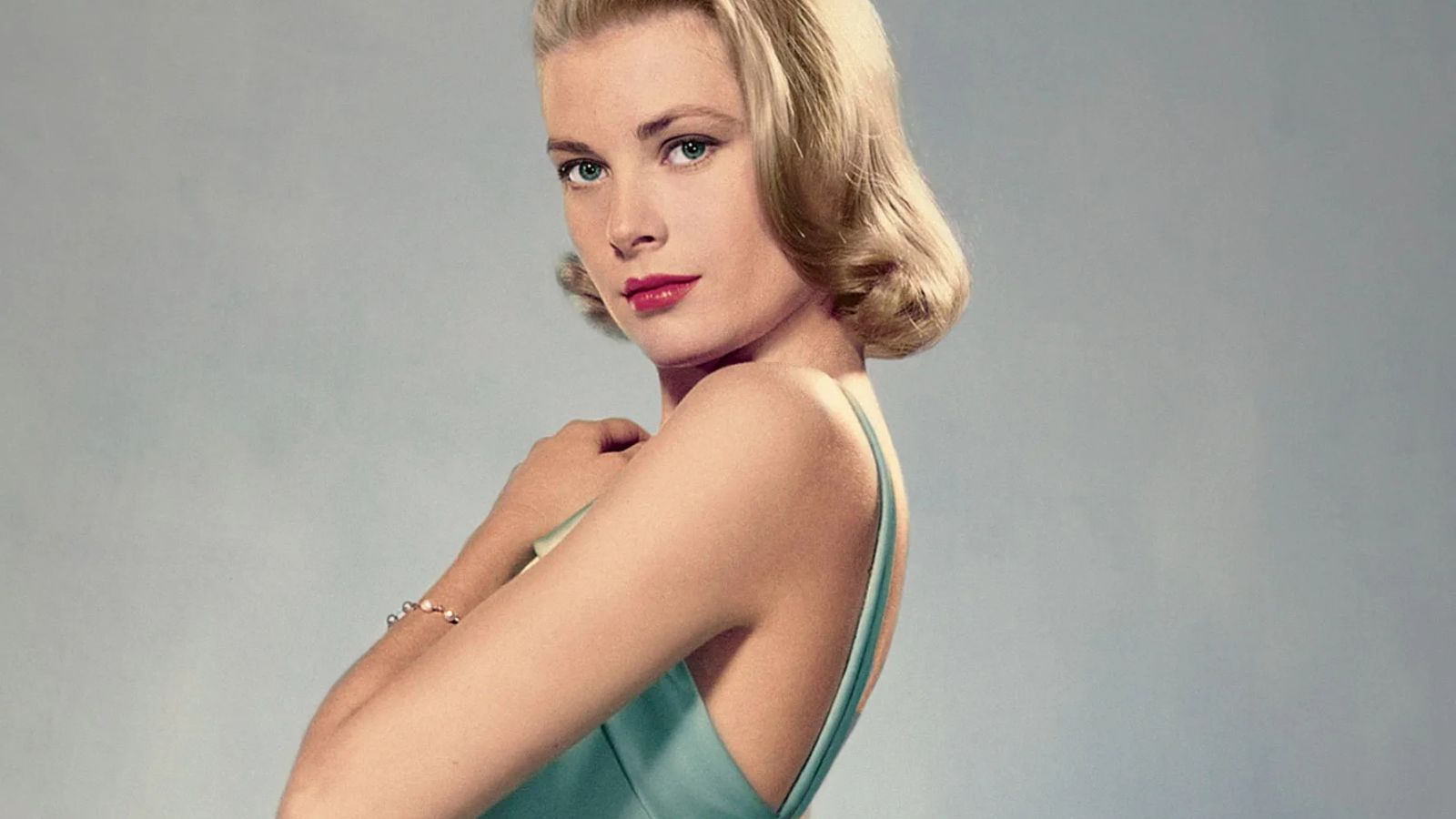
As we look back through fifteen defining moments captured on film, we are reminded that her beauty was merely the entry point. It was her poise, her intellect, and a quiet, magnetic stillness that rendered her truly unforgettable.
The Main Facts: A Life Defined by Grace
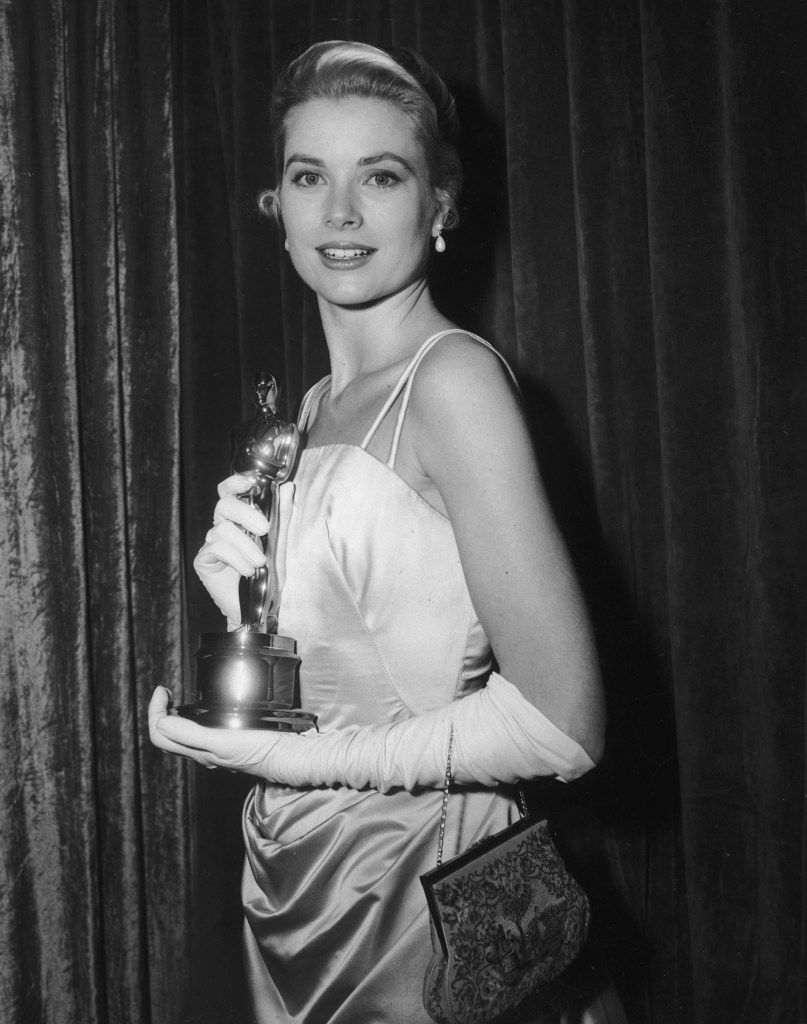
Grace Patricia Kelly was born into a wealthy, prominent Philadelphia family in 1929. Despite her family’s initial disapproval of her pursuit of acting, she moved to New York City to study at the American Academy of Dramatic Arts. Her rise was meteoric. By the mid-1950s, she was the muse of Alfred Hitchcock and the darling of the Academy, winning an Oscar for The Country Girl in 1955.

However, her professional zenith was short-lived. In 1956, she stunned the world by announcing her engagement to Prince Rainier III of Monaco. She retired from acting at the age of 26, effectively choosing a life of service, protocol, and statecraft over the whims of studio executives. Her life—marked by a tragic, untimely death in 1982—remains a subject of intense study for historians and film buffs alike.
Chronology of a Legend
The Hollywood Ascent (1951–1955)
Kelly’s film career was defined by a rapid succession of hits. Her breakout role in High Noon (1952) established her as a serious talent, but it was her collaboration with Hitchcock—Dial M for Murder, Rear Window, and To Catch a Thief—that cemented her status as an icon. During these years, she navigated the streets of New York and the sets of Hollywood with a distinct, understated style that became the blueprint for "Old Hollywood" fashion.
The Royal Transformation (1956)
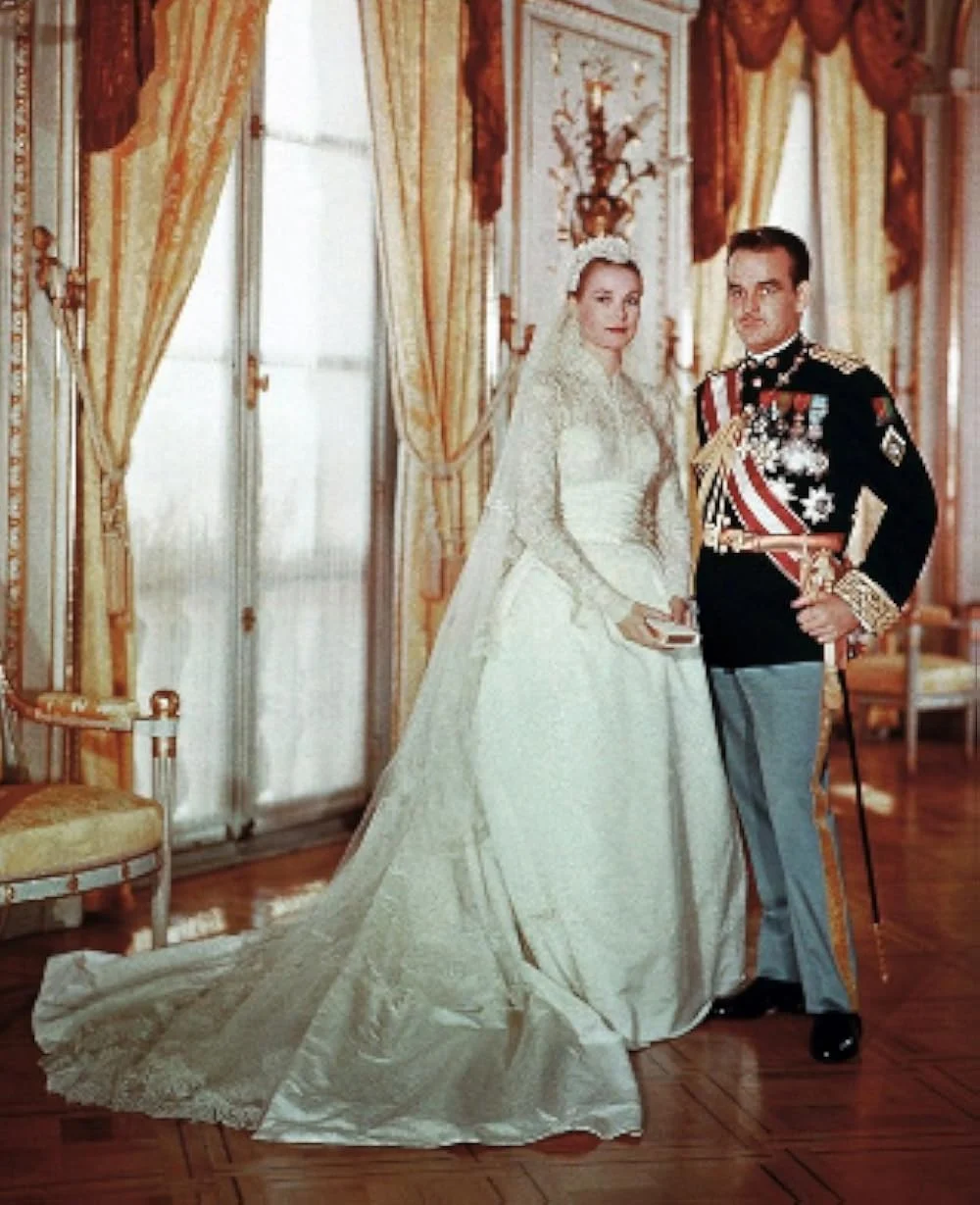
The engagement to Prince Rainier III was the media event of the century. Their wedding, dubbed "The Wedding of the Century," was broadcast to an estimated 30 million viewers. It signaled the end of her cinematic era and the beginning of her tenure as Her Serene Highness, Princess Grace of Monaco.
The Royal Years (1956–1982)
As Princess, Kelly brought prestige to the tiny principality. She became a patron of the arts, a champion for children’s causes, and a mother to three children: Caroline, Albert, and Stéphanie. Her later years were defined by her charity work and her efforts to maintain a semblance of normalcy for her family despite the constant scrutiny of the paparazzi.
Supporting Data: The Cinematic Legacy
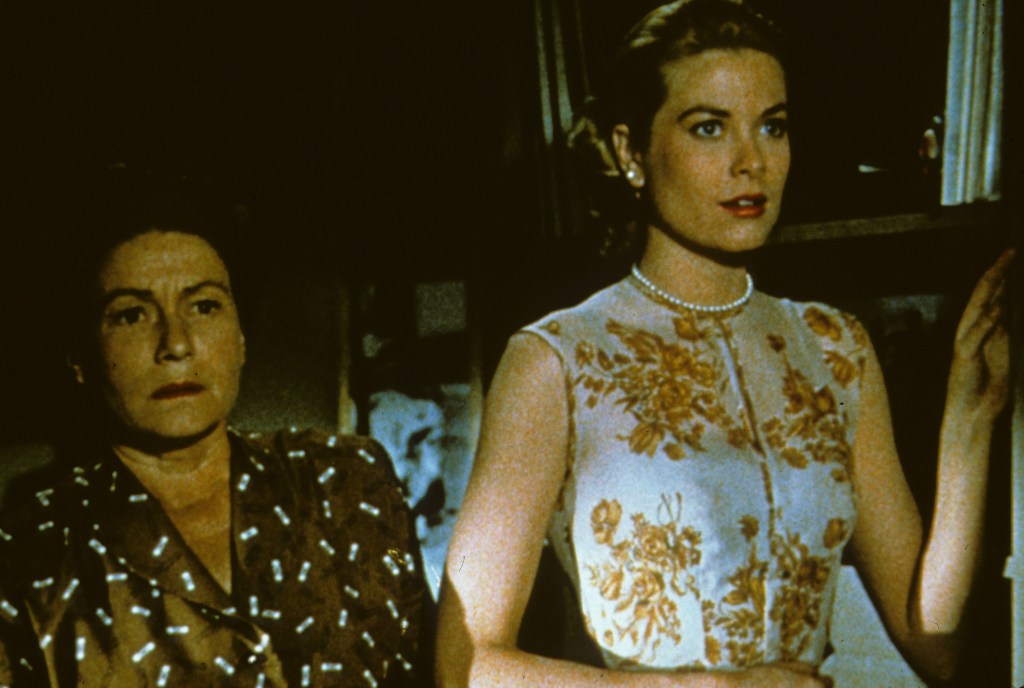
Grace Kelly appeared in only eleven feature films, a remarkably small body of work for someone whose impact on cinema is considered monumental. Yet, her filmography is nearly flawless.
- The Hitchcock Collaboration: Hitchcock famously viewed Kelly as the "Ice Queen"—a woman who exuded cool, exterior composure while harboring hidden depths of passion. This dynamic is best exemplified in Rear Window, where her character’s fashion choices (the iconic Edith Head costumes) became as significant as the plot itself.
- The Academy Recognition: Winning the Best Actress Oscar for The Country Girl solidified her standing as a dramatic powerhouse, silencing critics who believed her beauty was her only asset.
- Cultural Impact: Following her transition to royalty, her influence shifted from the box office to the global stage. The "Kelly Bag" by Hermès, named after her, remains one of the most recognizable luxury items in history—a testament to her status as a global fashion arbiter.
Official Responses and Public Sentiment
Throughout her life and in the decades following her passing, the public response to Grace Kelly has been one of reverence. The Monegasque people, initially wary of a foreign actress leading their country, came to embrace her as the heart of their nation.
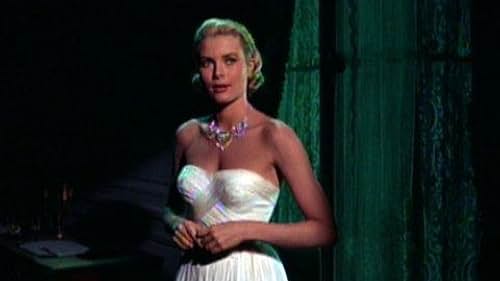
In official statements issued by the Princely Palace of Monaco over the years, the family has often highlighted her "unwavering dedication to the humanitarian causes" that she championed. Even today, the legacy of the Princess Grace Foundation-USA serves as a bridge between her Hollywood roots and her royal duties, providing scholarships to emerging artists in theater, dance, and film.
Implications: Why She Still Matters in 2026
Looking back at these photographs, one must ask: Why does Grace Kelly still command such fascination in 2026?
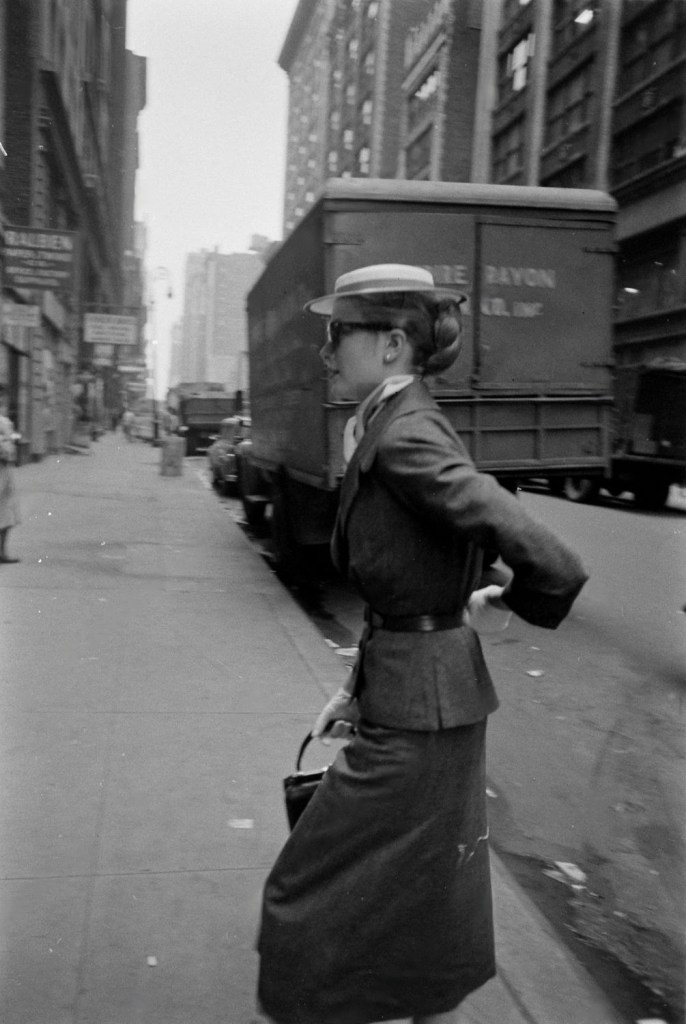
The Preservation of Mystery
In an age of "oversharing," Kelly’s life feels like a masterclass in the power of mystery. She understood the value of silence. She was never "accessible" in the modern sense; she was an enigma that audiences were invited to observe, but never fully know. This distance is precisely what created her legend.
The Conflict of Duty vs. Desire
Her story resonates because it touches on a universal human conflict: the choice between personal ambition and public expectation. When she left Hollywood, she didn’t just leave a job; she left a world that worshipped her to enter a world that demanded her absolute submission to tradition. Her ability to navigate that transition with such grace—despite the personal sacrifices it undoubtedly required—is the source of her enduring power.
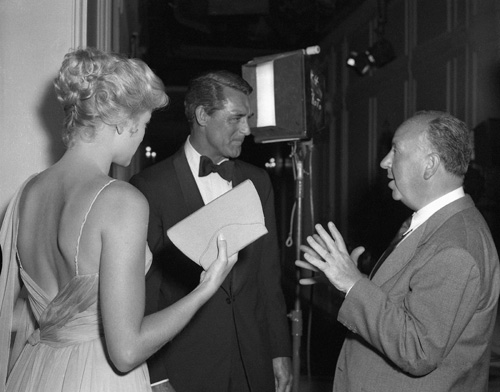
A Timeless Aesthetic
Her style remains the gold standard for "quiet luxury." Unlike the trends of the 1950s that prioritized artifice, Kelly’s aesthetic was defined by clean lines, sophisticated tailoring, and a natural, effortless poise. Her photos from the 1950s look as relevant today as they did when they were taken, proving that true style is immune to the passage of time.
Final Reflections
The final public photographs of Grace Kelly in the early 1980s show a woman who had weathered the storms of fame and the rigid expectations of royalty. Even in those later years, the spark of the Hollywood star remained. She transitioned from the "Ice Queen" of Hitchcock’s thrillers to the matriarch of a nation, never losing the essential, magnetic quality that first captivated the world in 1951.
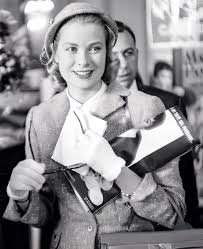
As we commemorate her life through these images, we are not just looking at a famous face. We are looking at a woman who proved that one can be both a star and a sovereign, both a public idol and a private individual. Grace Kelly remains, to this day, Hollywood’s favorite princess—not because of the title she gained, but because of the grace with which she held it.
Her life was a fleeting, brilliant performance that ended far too soon, but in the annals of history, the curtain never truly falls on an icon of her stature. She remains a symbol of an era where glamour was earned, poise was a virtue, and the title of "Princess" was, in her case, the only one that ever truly fit.










