

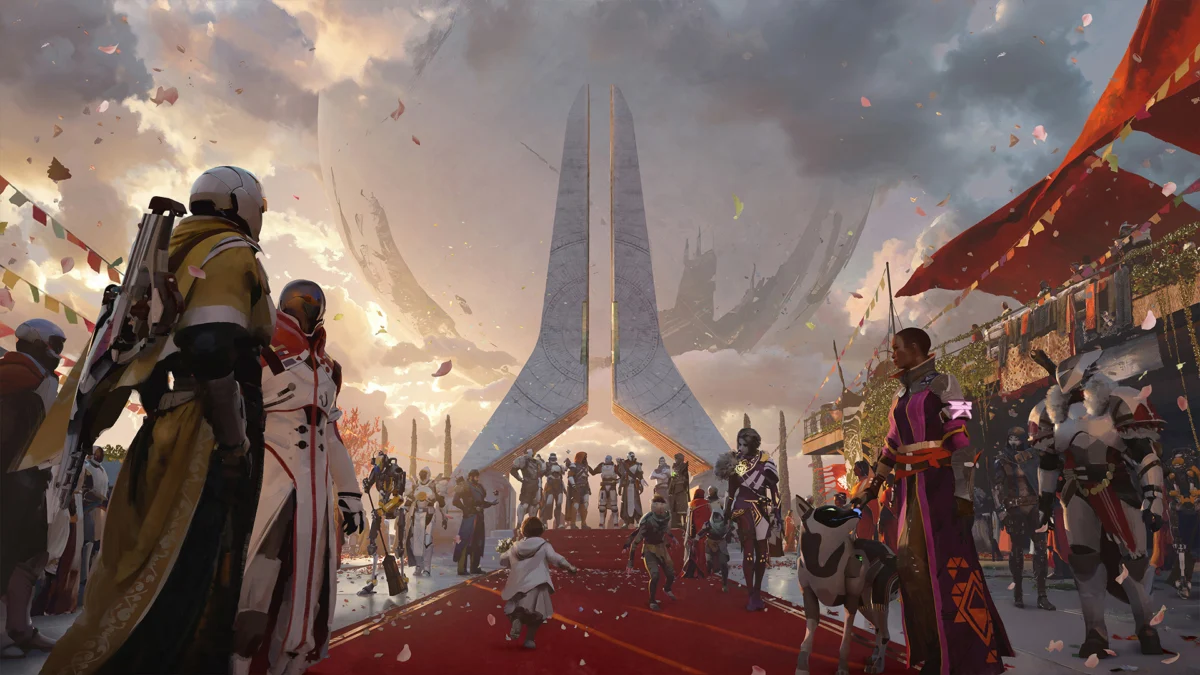
In a move that marks the end of an era for one of the most significant live-service franchises in gaming history, Bungie has officially announced that Destiny 2 will cease active content development. Following the conclusion of its current roadmap, the studio intends to shift its internal resources toward the incubation of unnamed, future projects, effectively transitioning the decade-spanning sci-fi epic into a "legacy" state.
The announcement, delivered via a heartfelt studio missive, confirms that while the game’s servers will remain operational, the era of constant seasonal updates, new narrative expansions, and rotating live-service content is drawing to a close. As of June 9, 2026, the final live-service update for the title will be deployed, signaling a permanent shift in Bungie’s corporate strategy and the future of the Destiny brand.
The End of an Era: The Core Facts
The decision to sunset Destiny 2 is perhaps the most consequential pivot in Bungie’s history. Since the launch of the original Destiny in 2014, the developer has dedicated itself to the "shared-world shooter" model, creating a cyclical ecosystem of raids, competitive modes, and evolving lore that kept millions of players engaged for over a decade.
According to the official statement, the final curtain for active development will fall shortly after the release of the highly anticipated The Final Shape expansion. Bungie has been explicit in its messaging: the "shared world" model, which relies on a constant stream of new, synchronized content to maintain player retention, has reached its natural conclusion. However, the studio has reassured the community that the game will not be shuttered. Much like the original Destiny, which remains accessible to this day despite no longer receiving updates, Destiny 2 will remain playable in its current form.
A Chronology of the Destiny Journey
To understand the gravity of this announcement, one must look at the timeline of a franchise that redefined the industry’s approach to post-launch support.
- 2014: The original Destiny launches, introducing the world to the Light, the Darkness, and the Tower. It sets a new standard for console-based live-service games.
- 2017: Destiny 2 debuts, aiming to expand the scope of the original with a more robust narrative and improved quality-of-life features.
- 2019: Bungie gains full independence from Activision, allowing them to pivot to a seasonal model that gave the studio more creative control over the game’s direction.
- 2020–2024: The "Light and Darkness Saga" reaches its zenith, with expansions like The Witch Queen and Lightfall pushing the game to record player counts and revenue benchmarks.
- 2026: The announcement arrives. Bungie confirms that after twelve years of combined support, the studio is moving on to new intellectual properties, marking the sunsetting of Destiny 2’s active development phase.
This timeline reflects a studio that has spent the better part of its existence refining the "GaaS" (Games as a Service) model, learning through trial and error how to manage a community that spans multiple generations of console hardware.
Supporting Data: The Economics of the Live-Service Shift
The decision to end active development on Destiny 2 is not merely a creative choice; it is a reflection of the current gaming industry landscape. Market analysts have noted that the "GaaS" model is facing a saturation crisis. With player attention spans becoming increasingly fragmented, maintaining a game that requires constant, high-frequency updates has become an expensive, high-risk endeavor.
Bungie’s move is part of a broader trend among major AAA developers to cycle out aging titles in favor of new, fresh concepts. By shifting focus to "incubating our next games," Bungie is signaling a move toward a new engine or a new genre entirely, likely aimed at reclaiming the market share that was once dominated by Destiny’s unique blend of MMO-lite mechanics and tight FPS gunplay.
Furthermore, the "Legacy" status for Destiny 2—while disappointing to some—serves as a cost-cutting measure that allows the studio to maintain a low-maintenance server infrastructure while redirecting the bulk of its massive development team toward future, potentially higher-revenue projects.
Official Responses and Studio Philosophy
The official statement from Bungie emphasizes the gratitude the studio feels toward its player base, acknowledging that the game’s success was a collaborative effort between developers and the community.
"For almost twelve years, we have had the joy and honor to explore the Destiny universe with you all," the statement reads. "While our love for Destiny 2 has not changed, it has become clear that after The Final Shape, we have reached the time for our shared worlds to live beyond Destiny 2."
The studio was careful to frame this not as a "shutdown," but as a "new beginning." By focusing on the "welcoming place" that the final update will create, Bungie is attempting to frame the transition as a retirement for the game—a state of preservation rather than an end to the community’s ability to enjoy the content they have spent years mastering.
Implications for the Future of Bungie
What does this mean for the future of the studio? The implications are far-reaching.
1. The Staff Realignment
Moving from a live-service machine to an incubation phase suggests a massive internal reorganization. Developers who were previously tasked with creating seasonal content, loot tables, and seasonal story beats will now likely be moved to new, unannounced projects. This represents a massive shift in company culture, moving away from the "treadmill" of weekly content releases toward a more traditional development cycle.
2. Player Community and Preservation
The gaming community has long been critical of how developers handle the end-of-life for online games. By promising that Destiny 2 will remain playable, Bungie is setting a standard for digital preservation. It suggests that they do not want the memories of the "Cosmodrome" or the "Pale Heart" to vanish. However, the lack of new content will inevitably lead to a decline in player numbers, turning the game into a "museum piece" where veterans can log in for nostalgia.
3. The "Next" Big Thing
With the Destiny franchise stepping back, the pressure on Bungie’s next project is immense. The studio has built a reputation for industry-leading movement and gunplay. Whether the next title is a new sci-fi epic or a departure into a different genre, the eyes of the industry will be fixed on Bungie to see if they can replicate the lightning-in-a-bottle success of the Destiny era.
4. The Legacy of the "Shared World"
Destiny 2 pioneered the idea of a living, breathing digital universe that evolved alongside the player. Its legacy will be found in every modern shooter that attempts to balance narrative depth with multiplayer competition. Even as the servers eventually grow quiet, the template Bungie created—the mix of raid mechanics, seasonal storytelling, and social hubs—has permanently altered the blueprint for how developers build relationships with their players.
Final Thoughts: A Final See-You-In-The-Stars
As the countdown to June 9, 2026, begins, the Destiny 2 community finds itself at a crossroads. For many, this is the end of a daily ritual. For others, it is the natural conclusion to a story that needed a definitive end.
Bungie’s decision to move on is a testament to the fact that even the most successful games must eventually find their way to a conclusion. By stepping away from the constraints of a decade-old live-service framework, the studio is choosing to prioritize its future over its past. As the developers prepare to "see [players] in the stars," one thing is certain: the legacy of Destiny 2 will continue to echo through the halls of gaming history for years to come.
The Destiny universe, which began with a simple journey to the Cosmodrome, has indeed traveled far. While the active development of that journey is coming to an end, the memories forged in the heat of battle—from the raids that tested our mettle to the quiet moments spent watching the sunset on the Tower—remain ours to keep. The traveler may be going quiet, but the journey, in our collective memory, is far from over.












No comments yet. Be the first to join the conversation!