Rifan Muazin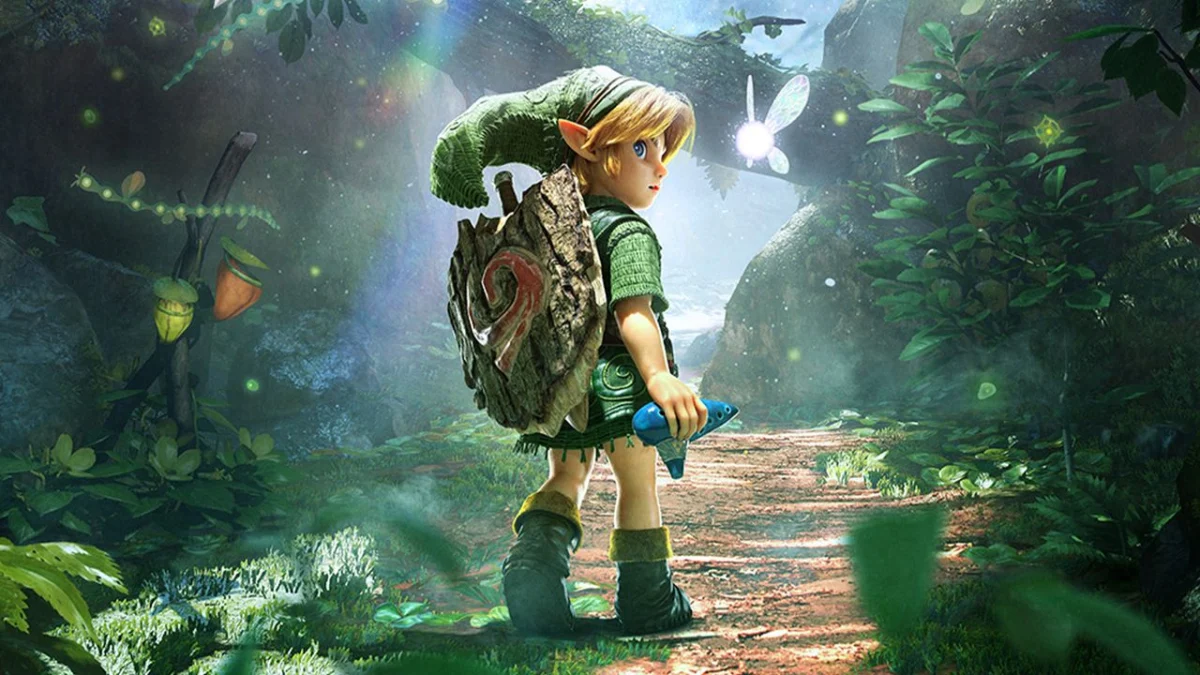
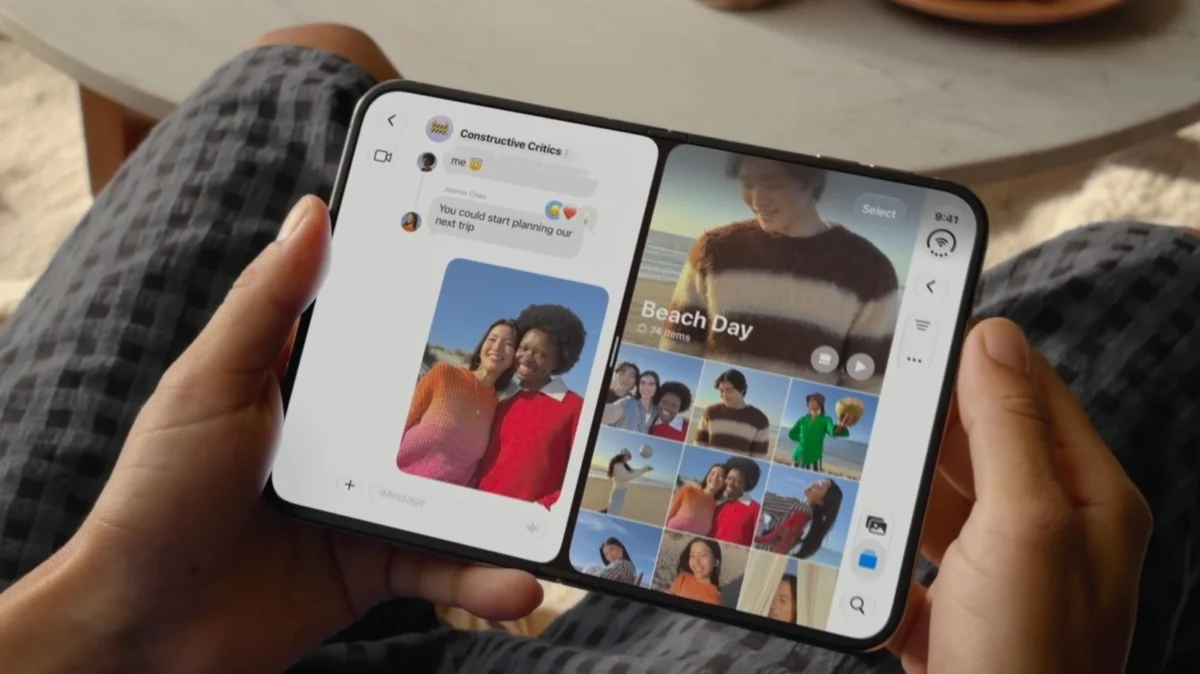
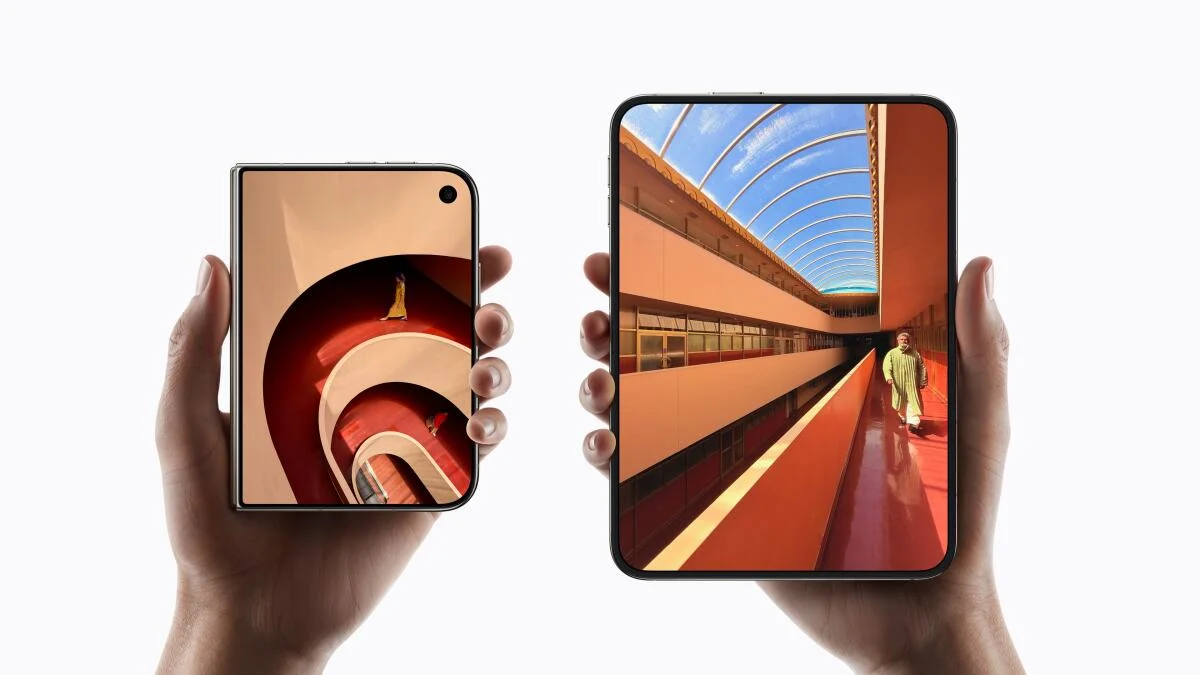
The gaming world is currently reeling from one of the most significant announcements in the medium’s history. During this week’s high-profile Nintendo Direct, Eiji Aonuma finally unveiled the long-rumored, highly anticipated remake of The Legend of Zelda: Ocarina of Time, set to launch exclusively on the upcoming Nintendo Switch 2. While the reveal of the 40th Anniversary Edition console—a hardware piece that has been universally praised as a "precious relic from Hyrule"—offered a moment of collective harmony, the actual footage of the remake has ignited a fierce, passionate debate within the fandom.
The discourse centers on a fundamental question of aesthetics: How does a developer modernize a masterpiece without stripping away the soul of the original? As Nintendo pivots toward a "faithful interpretation using modern technologies," the fan base has found itself sharply divided between those who see a technical marvel and those who fear the game has traded its iconic charm for the sterile gloss of modern, high-end rendering.
The Chronology of an Icon: From N64 to Switch 2
To understand the weight of this backlash, one must acknowledge the stature of the source material. Released in 1998 for the Nintendo 64, Ocarina of Time is frequently cited as the greatest video game ever made. It pioneered 3D lock-on targeting, context-sensitive button mapping, and a sprawling sense of scale that defined the action-adventure genre for decades.
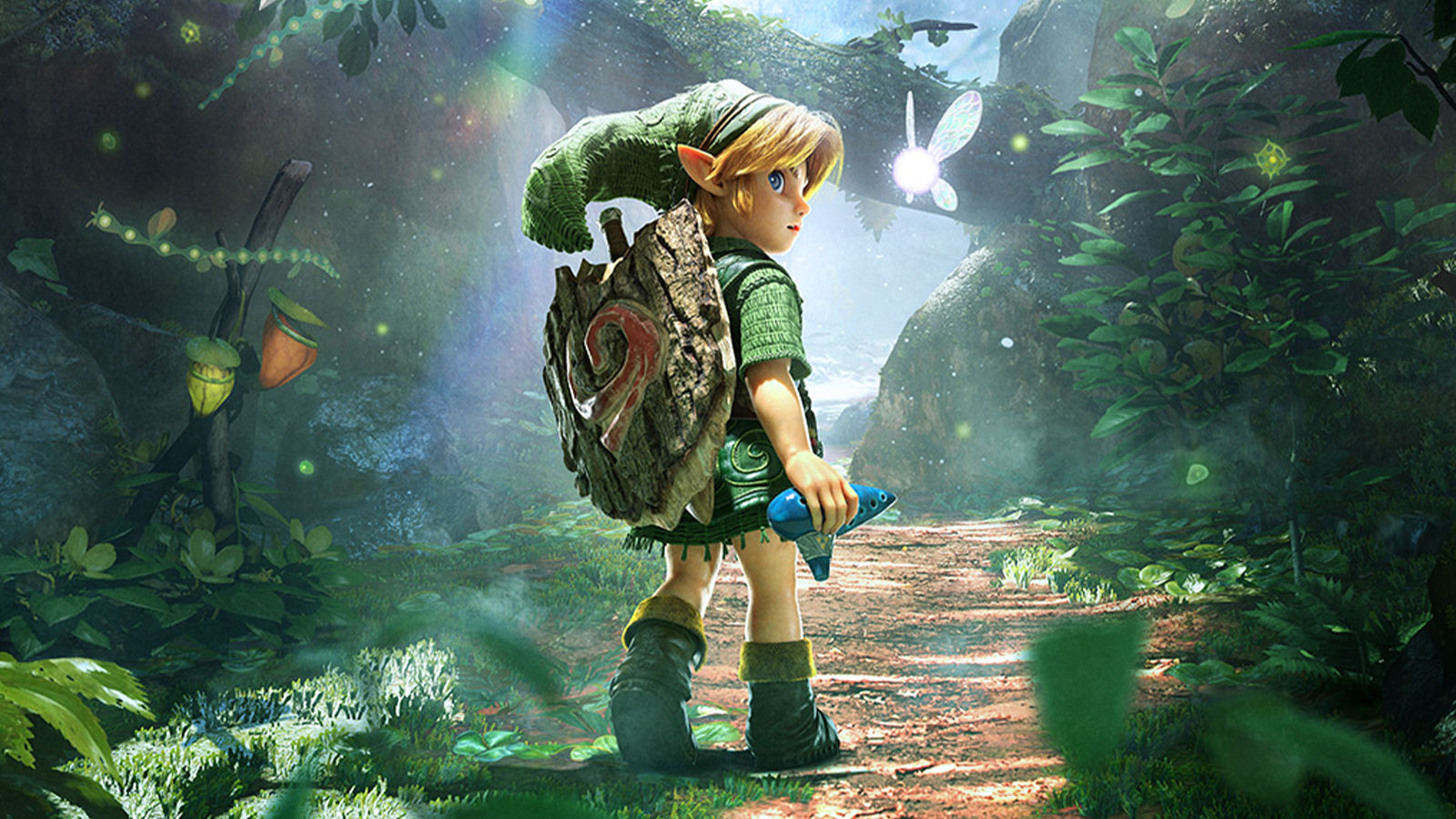
For 26 years, fans have been clamoring for a full-scale, ground-up remake. While the 2011 3DS version offered a refined experience with improved textures and models, it remained tethered to the constraints of handheld hardware. The new Switch 2 project, however, represents a total architectural departure. By utilizing current-generation rendering techniques, Nintendo is effectively rebuilding Hyrule from the bedrock up. The transition from the foggy, low-polygon landscapes of the 90s to the lush, volumetric, and high-fidelity environment shown in the trailer marks the most significant visual overhaul in Zelda history.
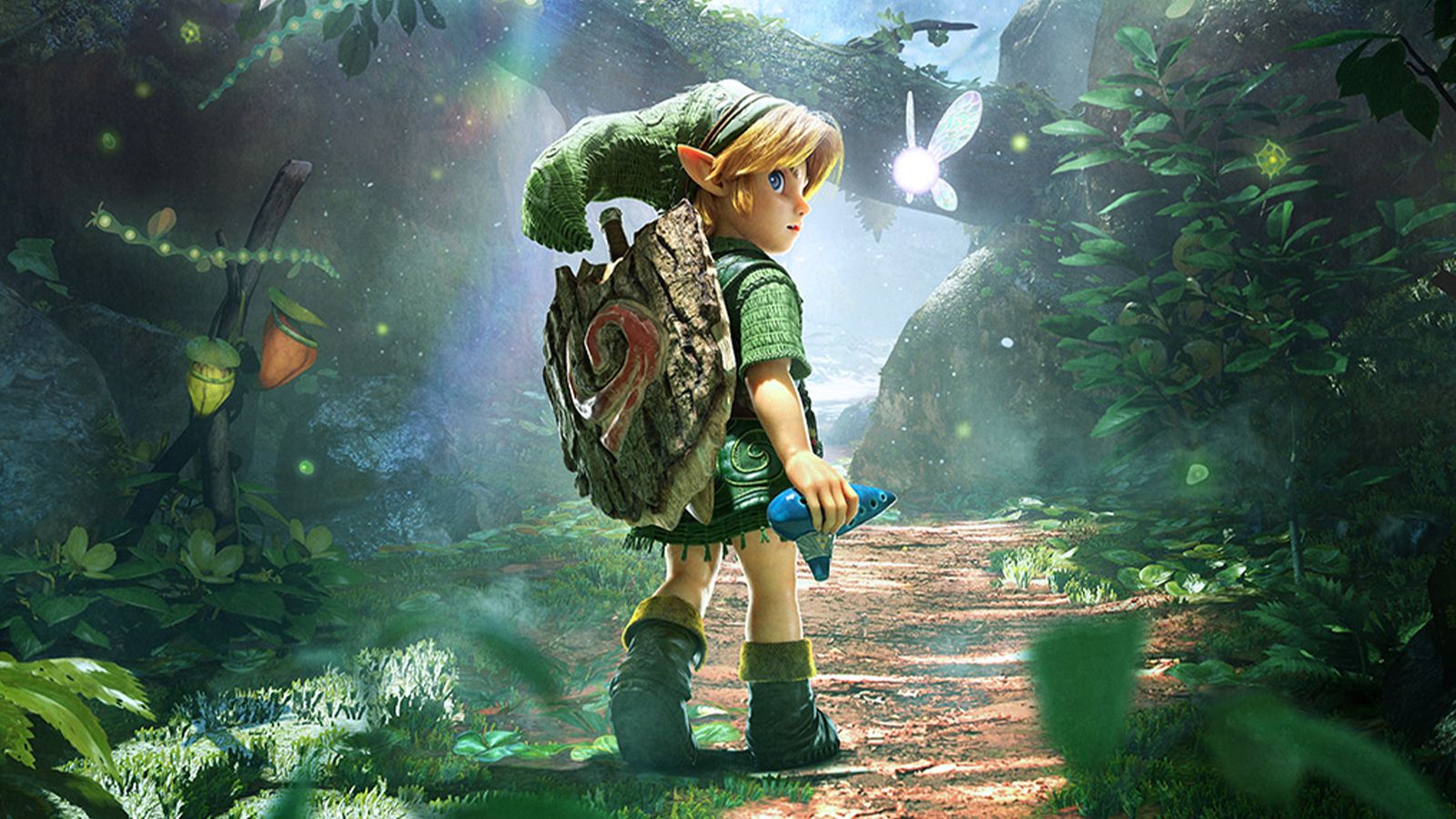
The announcement trajectory has been rapid: rumors of the remake began circulating as early as late 2024, followed by a drip-feed of "leaked" hardware specs for the Switch 2. The official reveal on Tuesday confirmed that the title is slated for release on November 5, 2026, providing Nintendo with a two-year window to refine the controversial character models that have become the primary point of contention.
The "Unreal" Comparison: A Misunderstood Aesthetic
The most frequent, and perhaps most misunderstood, criticism leveled at the new footage is that it looks like a "fan-made Unreal Engine 5 project." In online forums like Reddit, this descriptor has been weaponized as a pejorative, implying a lack of artistic direction. Critics argue that the game now possesses the hallmarks of generic "tech demos": high-definition realistic vegetation, over-saturated volumetric lighting, and textures that feel divorced from the painterly, whimsical style Nintendo is known for.
However, a closer look at the technical data suggests this criticism is somewhat misplaced. What fans are interpreting as "generic" is actually a concerted effort by Nintendo to finally realize the original 1998 ambition. At the time of its release, Ocarina of Time was designed to be a realistic, cinematic experience. It was never intended to be a stylized cartoon—that aesthetic evolution would come later with The Wind Waker. The N64, however, lacked the power to render that realism, forcing the developers to lean on heavy fog, limited draw distances, and "blurred" textures to hide the hardware’s limitations.
What we are seeing now is the removal of those "technical filters." The remake isn’t changing the art style; it is finally showing us the Hyrule that the designers imagined three decades ago, realized through modern shader work, dynamic global illumination, and sophisticated material rendering.
The Uncanny Valley: Why Link Feels Different
If the environments are receiving near-universal acclaim for their technical prowess, why is the sentiment regarding characters—specifically Young Link—so negative? The issue lies in the "Uncanny Valley."
Nintendo has chosen to retain the original proportions and character silhouettes of the 1998 title, but has layered them with high-fidelity, skin-shader-heavy character models. This juxtaposition—classic, stylized proportions paired with realistic, photo-mapped textures—creates a visual dissonance. For many, Link’s eyes appear "glassy" and his expressions feel "mask-like."
This is a recurring hurdle for remakes of classic titles. When a character’s face is rendered with such fidelity, the human brain begins to expect human-like micro-movements. When those movements are restricted by the "Nintendo-style" animation (which remains snappy and exaggerated), the result can feel unsettling to the viewer. While the environments feel like a natural evolution, the character models feel like a clash between two different design philosophies.
Official Responses and Internal Vision
During the post-Direct Q&A, Eiji Aonuma, the long-time producer of the series, addressed the design philosophy behind the project. "Our goal was never to replace the original, but to provide a translation of the experience for a modern generation," Aonuma stated. "We wanted the player to feel exactly what they felt in 1998, but without the mental strain of filling in the gaps that the hardware once forced them to bridge."
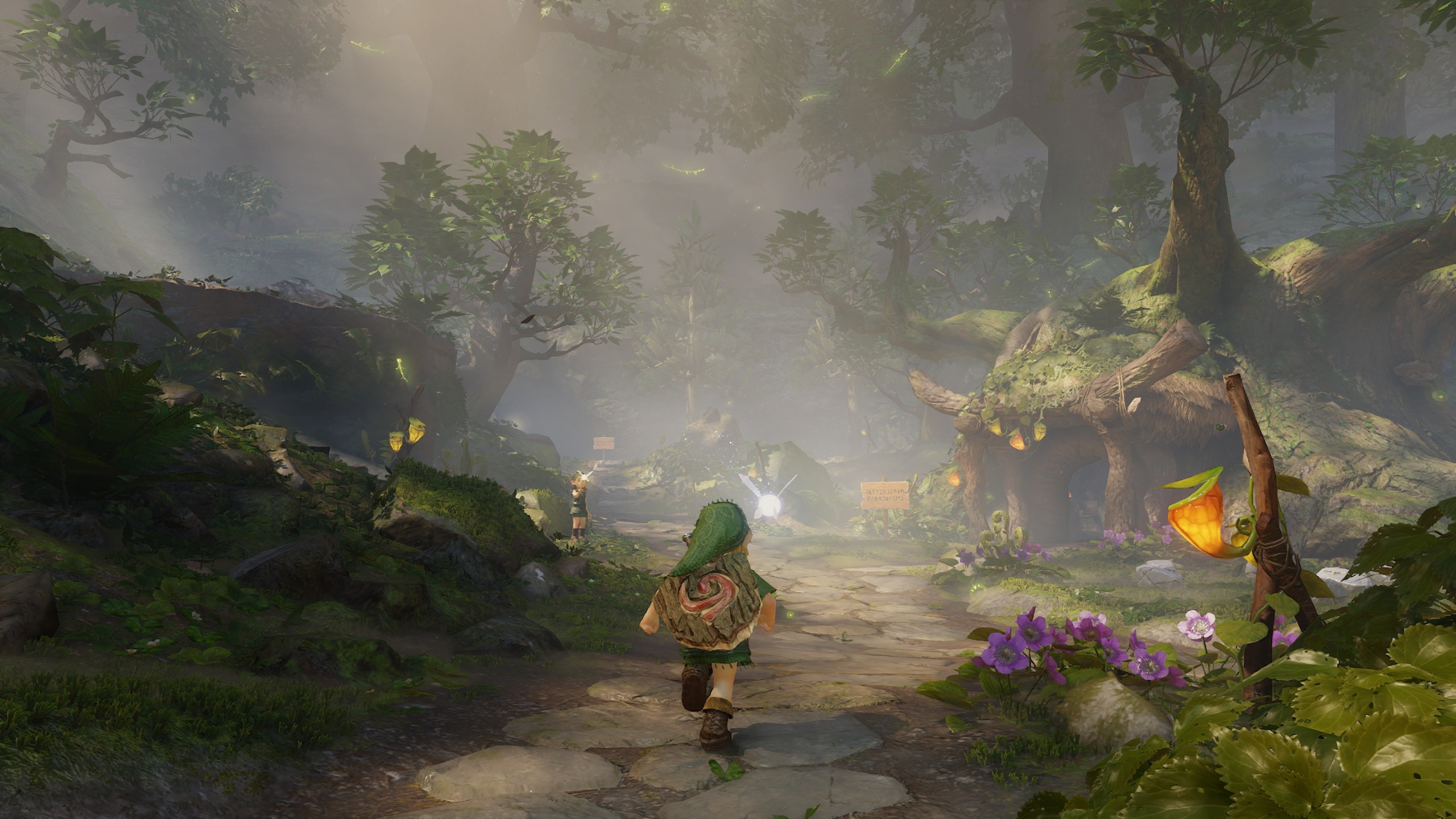
Aonuma’s team is clearly prioritizing "fidelity to the feeling" over "fidelity to the polygons." By keeping the geometry of the world largely intact, they are ensuring that the gameplay—the timing of the combat, the layout of the dungeons, and the rhythm of exploration—remains identical to the original. This is a critical distinction: the remake is a "remake" in visual presentation, but a "remaster" in structural design.
Implications for the Future of Nintendo
The implications of this release are profound for the industry. First, it sets a precedent for how Nintendo intends to handle its "legacy" library on the Switch 2. If Ocarina of Time is the standard, we can expect a wave of high-fidelity remakes for the Metroid and Super Mario franchises.
Secondly, the debate highlights a generational divide in the Zelda fandom. Older fans, who remember the "realism" push of the late 90s, are generally more receptive to the high-fidelity graphical shift. Younger fans, who grew up during the era of Breath of the Wild and Skyward Sword, have become accustomed to the "stylized realism" that defines modern Nintendo. For them, a game that attempts to look "real" feels like a betrayal of the Nintendo brand identity.
A Balanced Perspective: Is the Backlash Warranted?
It is easy to get caught up in the hyperbole of social media, where a trailer is either a "masterpiece" or a "disaster." The reality of the Ocarina of Time remake lies in the middle. The vegetation, the light reflecting off the water in Lake Hylia, and the intricate stonework of Hyrule Castle are, by any objective measure, spectacular. They represent a level of detail that would have been unthinkable in the N64 era.
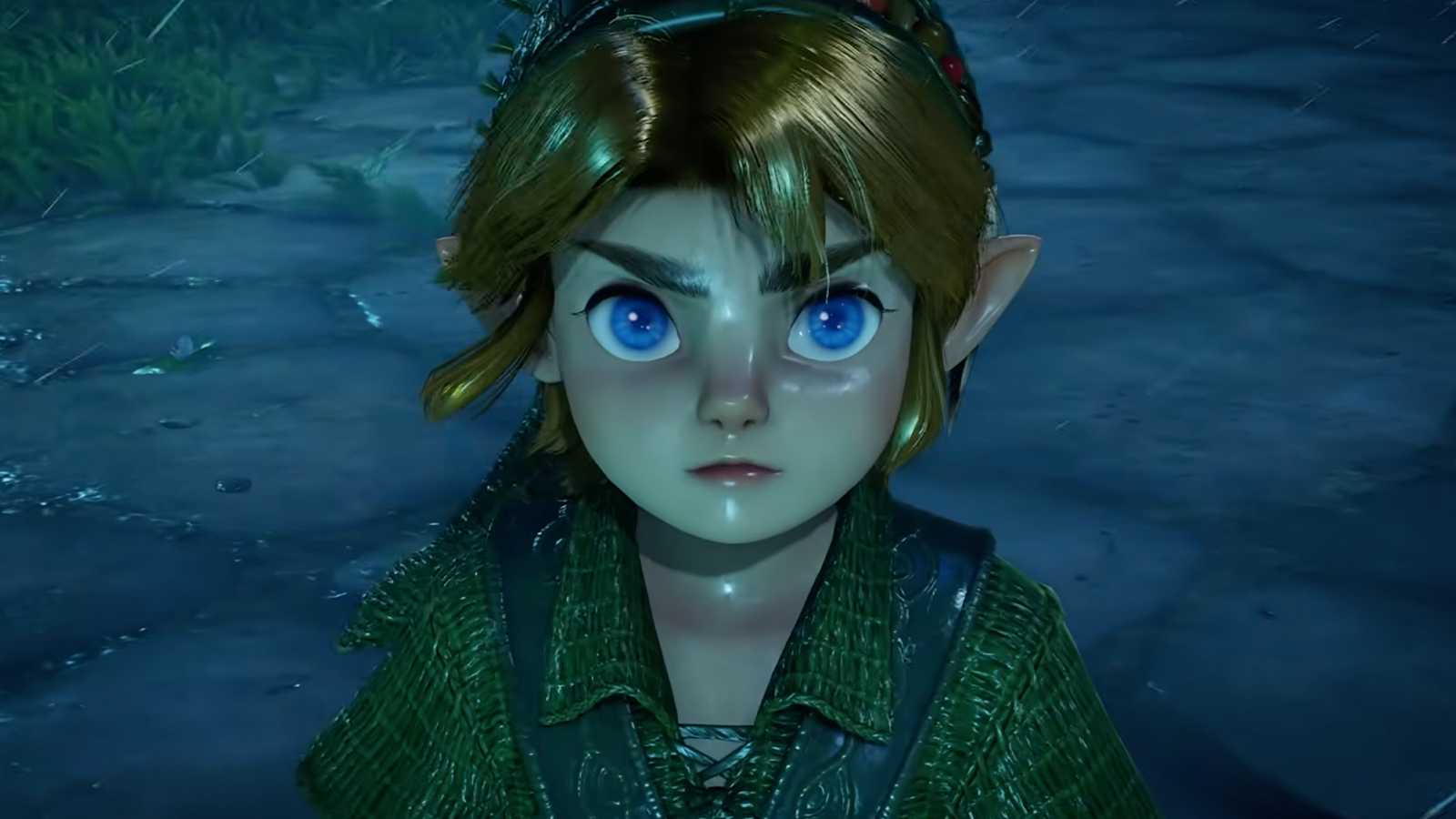
The character models, conversely, are the project’s most vulnerable point. However, it is worth noting that Nintendo has a history of iterating on its assets during the final polish phase. The "uncanny" nature of Link’s face is likely something that will be addressed in the coming months as the lighting engine is tuned to better complement the skin shaders.
Conclusion: The Path Forward
As we look toward the November 5, 2026, launch date, the conversation is unlikely to subside. The Ocarina of Time remake has become a Rorschach test for what fans want from Nintendo: do we want our childhood memories preserved exactly as they were, or do we want them brought up to the standards of current-gen technology, even if that process is occasionally jarring?
The most successful remakes in history—think Resident Evil 2 or Final Fantasy VII—were those that dared to reinvent the source material while honoring its heart. Nintendo is walking a tightrope between these two worlds. If they can manage to bridge the gap between their iconic character designs and modern photorealism, Ocarina of Time on the Switch 2 could very well set the gold standard for game remakes for the next decade. Until then, the debate will continue, as it always does, in the forums of the internet, while the rest of the world prepares to revisit the greatest adventure in gaming history.


 Nana Muazin
 Basiran