

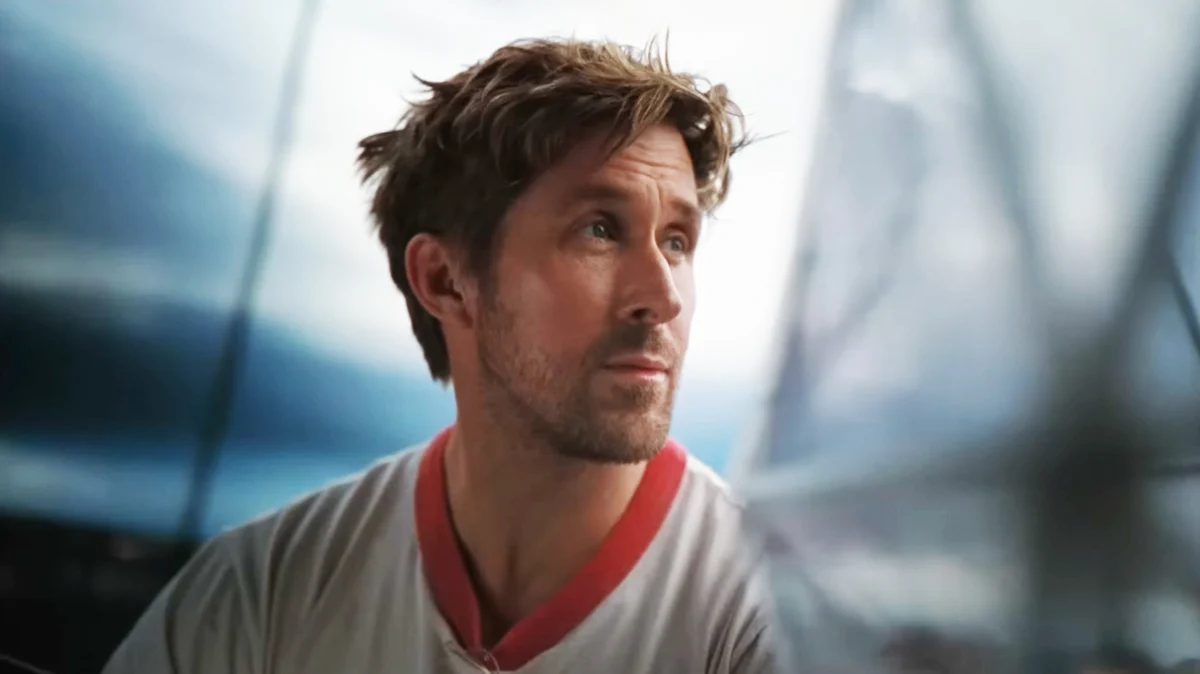
In the landscape of 2026’s science fiction cinema, few films have captured the imagination quite like Project Hail Mary. Directed by the visionary duo Phil Lord and Christopher Miller, the film—based on Andy Weir’s acclaimed novel—serves as a masterclass in high-concept storytelling. Yet, amidst the complex physics, the microscopic alien threats, and the interstellar stakes, the heart of the film lies in an unexpected, inanimate, and utterly charming detail: a mop dubbed "Moppy Ringwald."
As Ryan Gosling’s Dr. Ryland Grace drifts through the cold, crushing isolation of deep space, the audience is treated to a raw, deeply human portrayal of loneliness. While the film is celebrated for its technical brilliance and the performance of James Ortiz as the alien Rocky, the behind-the-scenes reality of the production reveals a story of creative spontaneity, actor-director chemistry, and a "blink-and-you’ll-miss-it" cameo that has turned the movie into a rewarding experience for repeat viewers.
The Weight of Isolation: Crafting the Ryland Grace Persona
To understand why a mop became the centerpiece of the production, one must first appreciate the narrative burden placed upon Ryan Gosling. Dr. Ryland Grace is, for the majority of the film’s first act, the sole human consciousness aboard the Hail Mary spacecraft. Tasked with saving Earth from a solar-consuming pathogen, Grace finds himself in a state of amnesia, waking up in a foreign galaxy with no memory of his mission or his identity.
This premise created a distinct challenge for Gosling. Unlike traditional space dramas that rely on ensemble casts or radio contact with Earth, Project Hail Mary forces its protagonist into a claustrophobic, silent void. Gosling, an actor known for his ability to convey profound emotion through silence, found the solitude of the soundstage to be a daunting task. He noted in recent interviews that while he has shared the screen with some of Hollywood’s most formidable talents—from George Clooney to Margot Robbie—the vacuum of space left him searching for a grounding human connection.
Chronology of a Spontaneous Creative Pivot
The creation of "Moppy Ringwald" was not a planned plot point or a scripted character arc. It was, rather, a symptom of the organic and highly collaborative environment fostered by Lord and Miller.
The genesis of the mop occurred during a particularly grueling stretch of the production schedule. Gosling had been filming intense, solitary sequences for weeks. The psychological weight of the character’s loneliness began to bleed into the actor’s process.
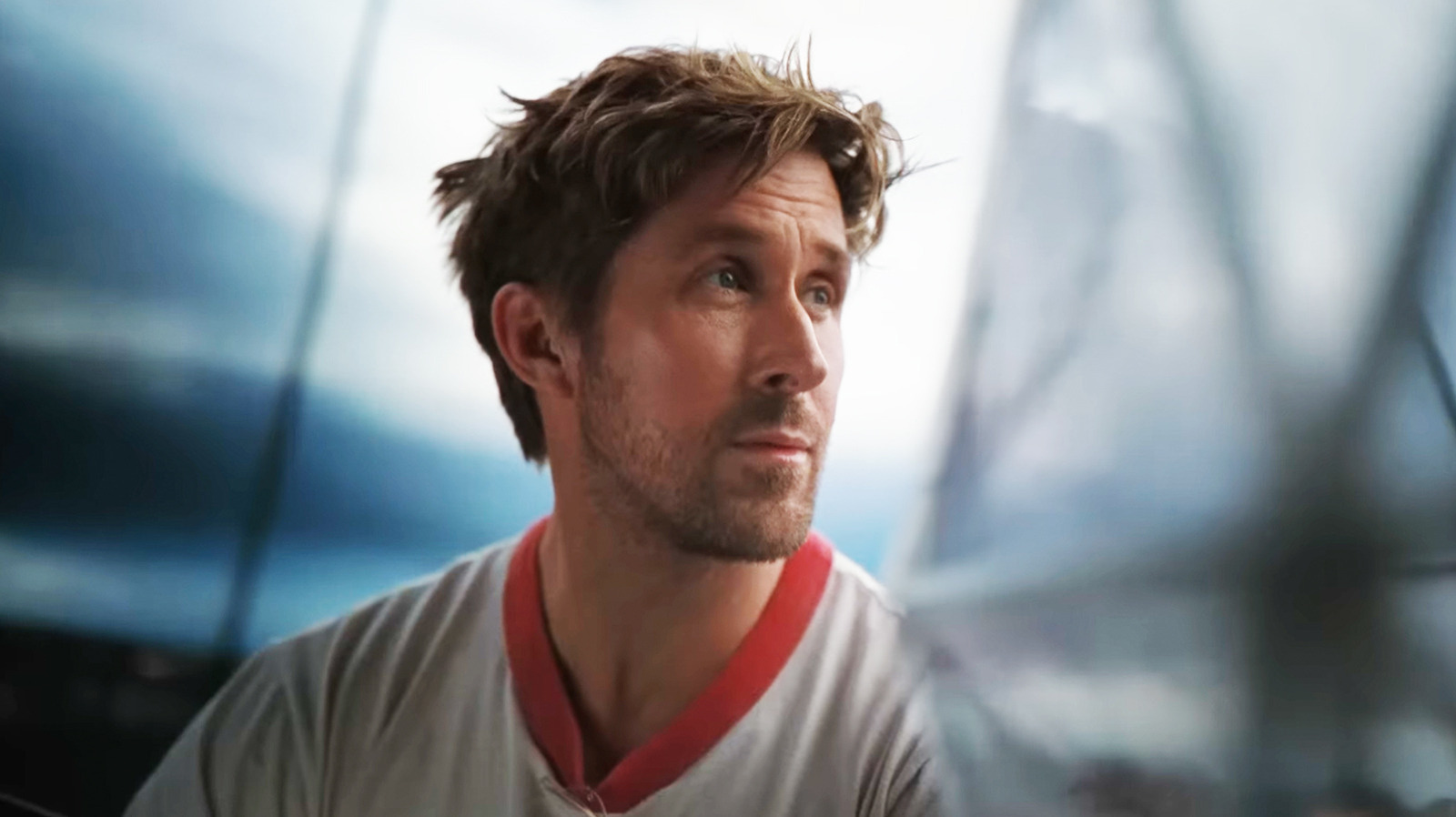
- The Breaking Point: After roughly 100 days of shooting solo, Gosling approached the directors with a candid request. He expressed that he felt disconnected, lacking the "give and take" that defines traditional acting.
- The "Got It" Moment: True to their reputation for unconventional problem-solving, Lord and Miller didn’t ask for a script rewrite or an expensive CGI addition. They looked around the set, identified a mop, and raided the costume department.
- The Transformation: With a pair of glasses and a dress, the mop was transformed. "Moppy Ringwald" was born.
- The Emotional Catharsis: Gosling spent the day acting alongside this inanimate object. He danced, he sang, and—most significantly—he cried with her. This interaction provided the necessary emotional release for the actor to channel the desperation of a man drifting through the cosmos.
Supporting Data: Why "Moppy Ringwald" Matters
While the inclusion of a mop might sound like a frivolous behind-the-scenes anecdote, its impact on the final film is significant. In cinema, the "fourth wall" is often maintained by the actor’s ability to project emotion onto their scene partner. By giving Gosling a tangible, if absurd, partner, Lord and Miller allowed him to anchor his performance in something physically present.
The "Moppy" phenomenon highlights a core theme of the Project Hail Mary source material: the human need for companionship in the face of insurmountable odds. Whether it is Grace’s eventual bond with Rocky or his temporary fixation on a household tool, the film posits that curiosity and connection are the primary drivers of human survival.
Furthermore, the "blink-and-you’ll-miss-it" nature of Moppy’s appearance serves as a reward for the attentive viewer. In an era where audiences are conditioned to look for "Easter eggs" in massive franchise films, Project Hail Mary offers a uniquely personal one. It is not a hint toward a sequel or a nod to a comic book universe; it is a secret handshake between the filmmakers, the actor, and the audience.
Official Responses and Creative Philosophy
The directors themselves have been vocal about why they chose this path. Christopher Miller, speaking to the Associated Press, emphasized that the decision was purely about service to the actor. "We were like, ‘Okay, let’s make a friend.’ So we scoured the set and found a mop… and we made a little mop friend for him to dance around with."
This philosophy—that a director’s primary job is to provide the environment where the actor can thrive—is the hallmark of the Lord-Miller partnership. By prioritizing Gosling’s comfort and creative flow over the rigid adherence to the original shooting schedule, they were able to capture moments of vulnerability that might have been absent had they forced the actor to continue in isolation.
Gosling himself has drawn parallels between this moment and the film’s themes. He notes that both he and the directors were acting with the same "inquisitive and enterprising" spirit as Dr. Ryland Grace. By being willing to experiment, to fail, and to find the "mop" in the room, they embodied the very essence of the scientific method that Grace uses to save the world.
Implications for the Future of Sci-Fi Production
The success of Project Hail Mary and the legend of Moppy Ringwald suggest a shifting trend in science-fiction filmmaking. As high-end VFX becomes more accessible, the "human element" becomes the most precious commodity on set. The industry is seeing a move away from purely green-screen environments toward hybrid sets where actors are given physical touchstones to interact with.
This approach has profound implications for the "rewatchability" of modern films. As the audience becomes more sophisticated, they are increasingly seeking stories that feel lived-in and authentic. Knowing that Gosling was genuinely leaning into the absurdity of the moment to survive his character’s isolation adds a layer of depth to the scenes. It reminds the audience that the grand scale of space opera is, at its core, a human endeavor.
Conclusion: A Reason to Return
As Project Hail Mary solidifies its place as a cornerstone of 2026 cinema, the story of Moppy Ringwald will undoubtedly become part of the film’s lore. It is a testament to the fact that great art often emerges from the most unexpected places—sometimes from the costume department, sometimes from a mop, and always from a willingness to embrace the absurd.
For those who have already watched the film, it serves as an invitation: go back. Revisit the lonely corridors of the Hail Mary. Look closely in the background. You might just find the co-star who helped Ryan Gosling ground one of the most compelling sci-fi performances of the decade. It is a reminder that even when we are at our most isolated, the smallest, most spontaneous connections can be the ones that save us.











No comments yet. Be the first to join the conversation!