The gaming community is currently embroiled in a fierce debate surrounding the latest, albeit unofficial, foray into AI-driven graphics: Nvidia’s DLSS 5. While the technology has not yet seen an official public release, a leaked development build discovered within the PC files of NBA 2K27 has allowed modders to bypass official channels and force the technology into a variety of modern titles. The results, as seen across social media platforms, have been nothing short of polarizing, triggering a firestorm of discussion regarding the future of artistic intent, the limitations of neural rendering, and the heavy performance toll of generative AI in real-time gaming.
The Leak and the Initial Backlash
The discovery of the nvngx_dlssnr.dll library last week acted as a catalyst for a massive wave of community-led experimentation. Modders, eager to see what Nvidia’s "next-generation" neural rendering could achieve, began injecting the unfinished code into a host of demanding titles, including Cyberpunk 2077, Control, Final Fantasy VII Rebirth, and Dark Souls III.
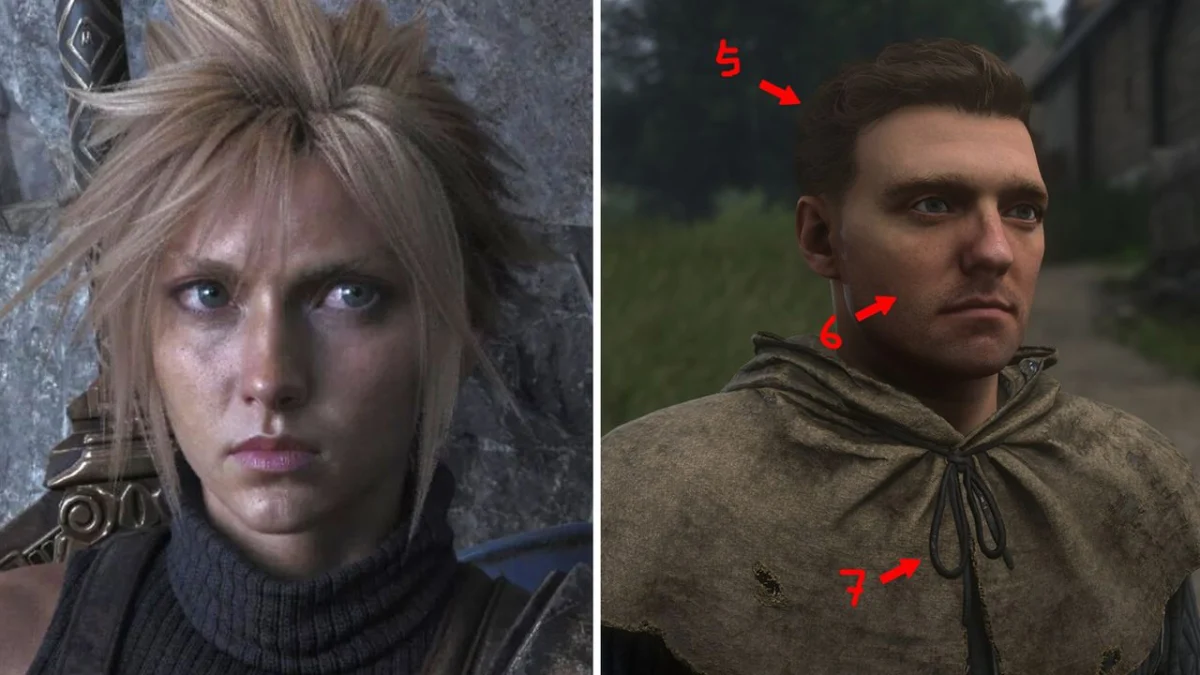
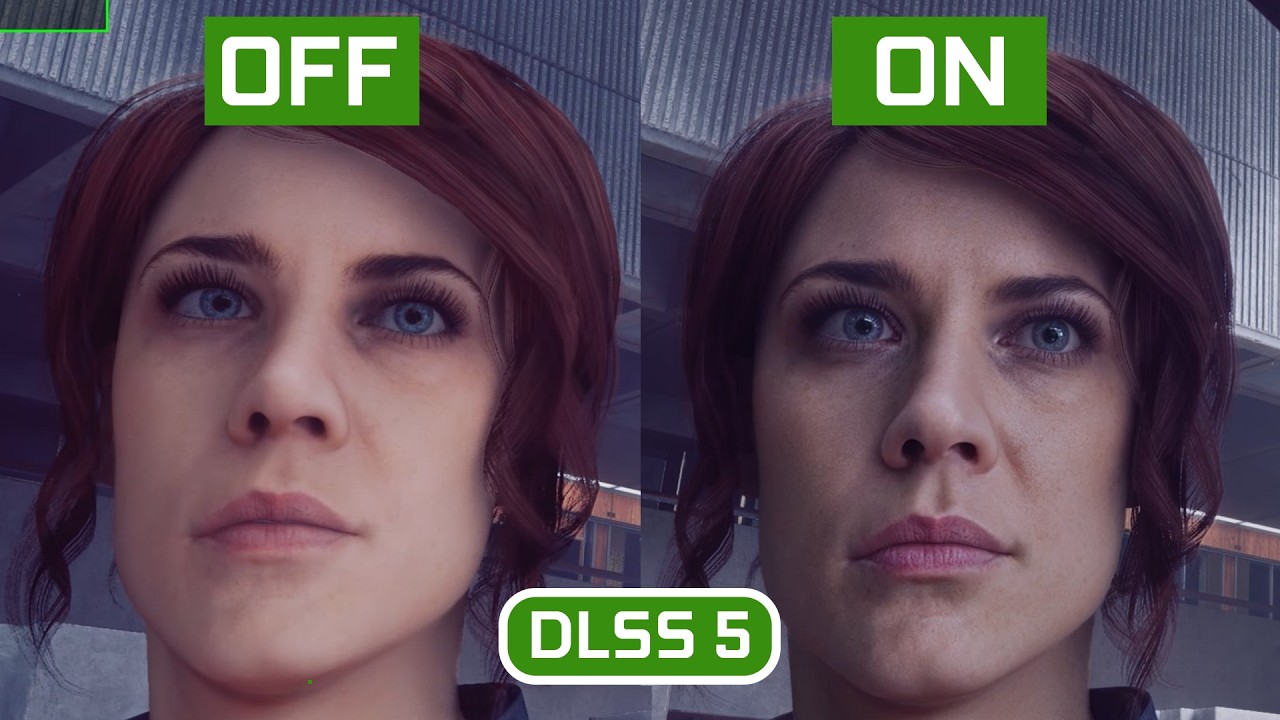
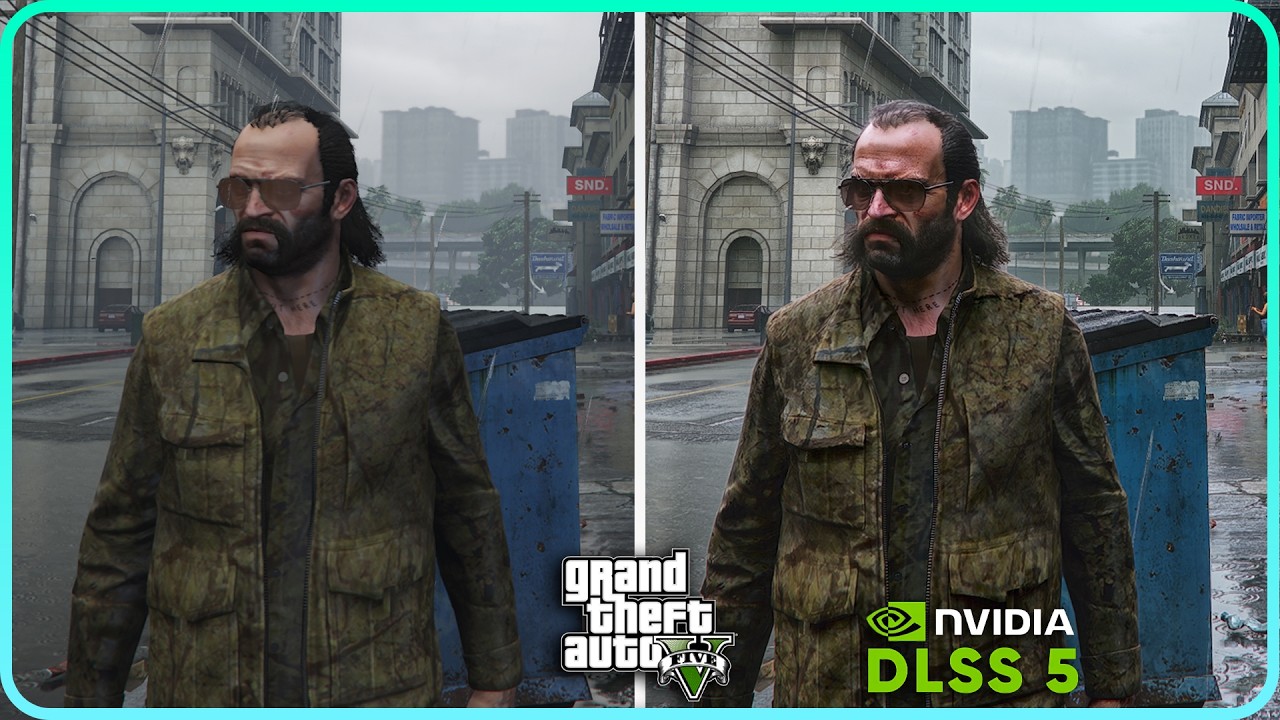
The initial feedback was overwhelmingly critical, centered primarily on the "uncanny" nature of the AI’s output. Users reported that the software, which attempts to infer and generate high-fidelity detail in real-time, often misinterprets game assets. A recurring complaint involves character models: the AI frequently "sharpens" skin textures to an extreme degree, leading to characters appearing aged, haggard, or strangely plastic. In some instances, such as in Final Fantasy VII Rebirth, the AI’s attempt to reconstruct facial features resulted in bizarre aesthetic shifts, with users joking that the protagonist Cloud Strife looked less like his original model and more like a celebrity in an elaborate costume.
This has led to a flurry of viral clips under the #DLSS5 hashtag, where players compare original, native-resolution gameplay against the "AI-enhanced" versions. The consensus from the more vocal segments of the community is one of horror; one prominent user on the ResetEra forums described the effect as "objectively horrendous," arguing that it fundamentally strips away the handcrafted nuances of character design in favor of a synthetic, muddy, and over-processed look.
Performance: The Cost of Artificial Intelligence
Beyond the aesthetic controversy lies the technical reality: the current, unoptimized iteration of DLSS 5 is incredibly demanding on hardware. Early benchmarks performed by the modding community have shown staggering performance penalties. In several high-intensity titles, players have observed frame rate drops ranging from 40% to 50% when the technology is enabled.
For a technology marketed on the premise of "graphics leaps," a performance hit of this magnitude is a significant point of concern. Traditionally, DLSS (Deep Learning Super Sampling) has been used to boost frame rates by rendering at lower resolutions and using AI to upscale the image. The fact that this experimental DLSS 5 iteration appears to be doing the opposite—consuming massive amounts of GPU overhead for questionable visual gains—suggests that the current build is either severely unoptimized or performing a much more complex generative task than its predecessors.
The Case for Environmental Realism
Despite the visceral backlash against how DLSS 5 handles human faces, a secondary narrative has emerged from the same community of modders. While characters often suffer from "AI artifacts," the impact on non-living environments has been notably different.
In games like Ubisoft’s Avatar: Frontiers of Pandora, users have reported that the AI excels at enhancing static geometry, such as foliage, building materials, and complex lighting. Unlike the delicate nuances of human skin, which the AI struggles to process without falling into the "uncanny valley," environmental textures benefit from the additional detail generated by the neural model. Some enthusiasts have taken to using the tech specifically as a "screenshot tool," arguing that while it might not be suitable for fluid, real-time gameplay in its current state, it offers a glimpse into a future where environments can be rendered with unprecedented density.
The Warhorse Studios Defense and Artistic Intent
The most significant tension point in the current discourse is the question of "artist intent." Many critics argue that by allowing an AI to effectively "remaster" a game on the fly, Nvidia is overriding the deliberate visual choices made by developers. If an art director wants a specific color palette or a certain look for a character’s skin, is it acceptable for a neural network to unilaterally decide that the image needs more contrast, sharpening, or different shadow densities?
However, industry voices are beginning to offer a counter-perspective. Daniel Vávra, the lead designer at Warhorse Studios, recently took to social media to defend the potential of the technology. Vávra, currently working on Kingdom Come: Deliverance II, argues that the criticism is largely based on misconceptions.
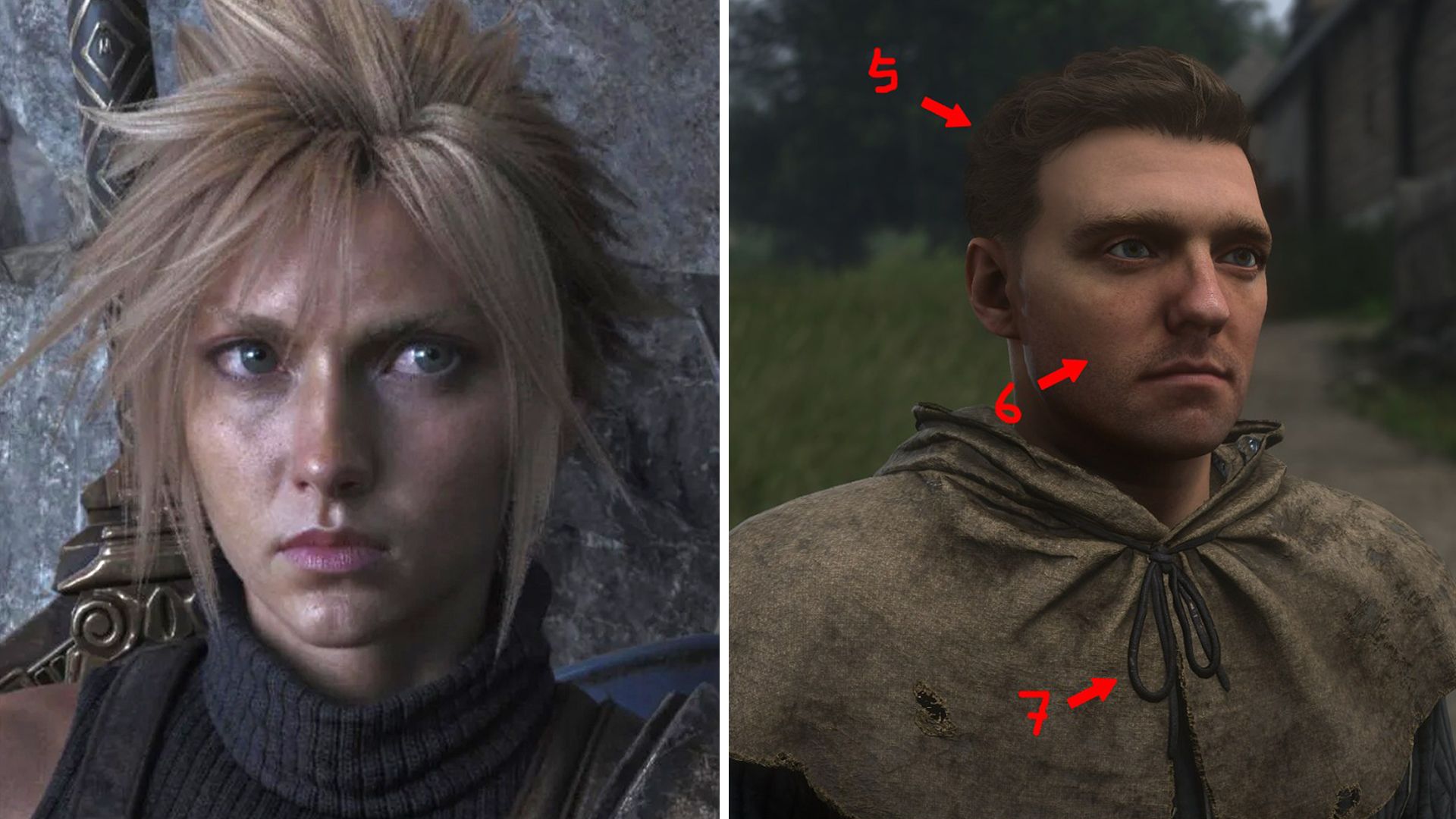
"What was leaked isn’t even remotely what Nvidia originally presented," Vávra stated. He explained that, in his testing, the tech does not alter the underlying geometry or the fundamental art direction. Instead, he suggests that for developers constrained by the limitations of their engine’s lighting systems, DLSS 5 acts as a powerful corrective tool.
Vávra highlighted a specific pain point in game development: the inability to render subtle shadows, such as those cast by hoods, helmets, or small accessories like belt buckles. According to him, DLSS 5 is "absolutely brilliant" at filling in these gaps, providing "steroid-enhanced" ambient occlusion and shadow density that brings the game closer to the developer’s original vision, which may have been compromised by technical hardware limitations during the development phase.
A Chronology of the Controversy
- March 2026: Nvidia announces its next-generation DLSS technology, promising "photorealism" through generative AI models that enhance textures, materials, and lighting in real-time.
- August 2026 (Late): The
nvngx_dlssnr.dlllibrary is discovered within an early-access build of NBA 2K27. - August 28-30, 2026: The modding community begins mass-testing the library across various titles. Social media platforms are flooded with side-by-side comparisons showing both significant visual improvements to environments and jarring, "uncanny" effects on human faces.
- August 31, 2026: Public debate intensifies, with prominent developers like Daniel Vávra entering the conversation to advocate for the technology’s potential to solve long-standing rendering limitations.
Implications for the Future of Graphics
The current situation serves as a microcosm for the broader AI transition within the tech and gaming sectors. Nvidia finds itself at a crossroads: it is attempting to push the boundaries of what is possible in real-time rendering, but it is encountering significant resistance from a consumer base that values artistic consistency over AI-generated "perfection."
If DLSS 5 is to be a success upon its official release, Nvidia will likely need to address several key issues:
- Optimization: The 40–50% performance hit must be drastically reduced. For most gamers, the visual "enhancements" provided by AI are currently not worth the loss in fluidity.
- Granularity and Control: Developers and end-users need better tools to define where the AI should apply its changes. If the technology can be tuned to improve lighting and foliage while leaving human faces untouched, the "uncanny" backlash would likely subside.
- Transparency: Nvidia’s lack of an official statement regarding the leaked build has left the community to speculate on the tech’s actual capabilities. A formal technical breakdown is required to bridge the gap between "slop" and "innovation."
Furthermore, there is the question of hardware compatibility. It is widely expected that the full implementation of this neural rendering suite will be exclusive to the upcoming RTX 50-series graphics cards. This raises concerns about the "DLSS-ification" of gaming, where developers might rely on AI upscaling and generation to hide poor optimization, potentially forcing consumers to upgrade their hardware to play games that aren’t inherently more detailed, but are simply "AI-enhanced."
Conclusion
The leak of DLSS 5 has provided a rare, behind-the-curtain look at the messy reality of experimental technology. While the immediate reaction has been one of mockery and concern, the potential for genuine innovation remains. As the industry grapples with the integration of generative AI, the divide between "artist intent" and "AI enhancement" will continue to widen.
Whether DLSS 5 becomes a cornerstone of the next generation of gaming or a cautionary tale of over-reliance on artificial interpretation, one thing is clear: the path to photorealism is rarely a straight line. For now, the gaming community remains in a state of watchful waiting, balancing the intrigue of high-fidelity environmental rendering against the unsettling reality of AI-driven facial distortion. The final, polished version of this technology will determine whether Nvidia has truly pioneered the future of graphics or merely created a high-tech filter that the industry is not yet ready to embrace.