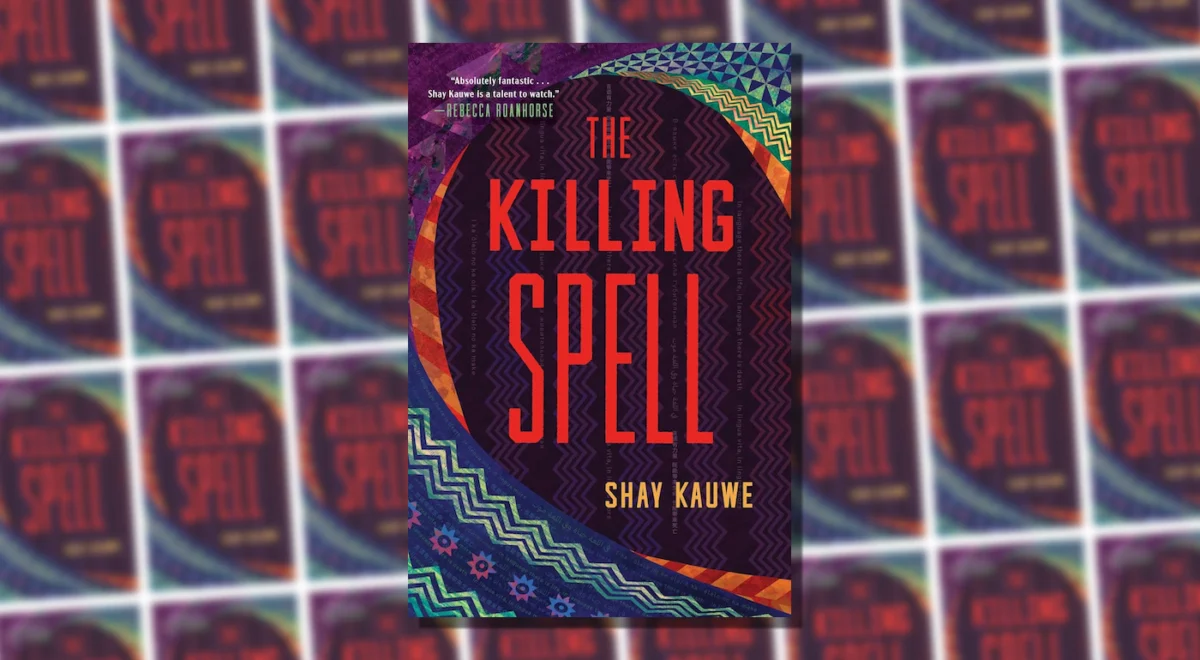
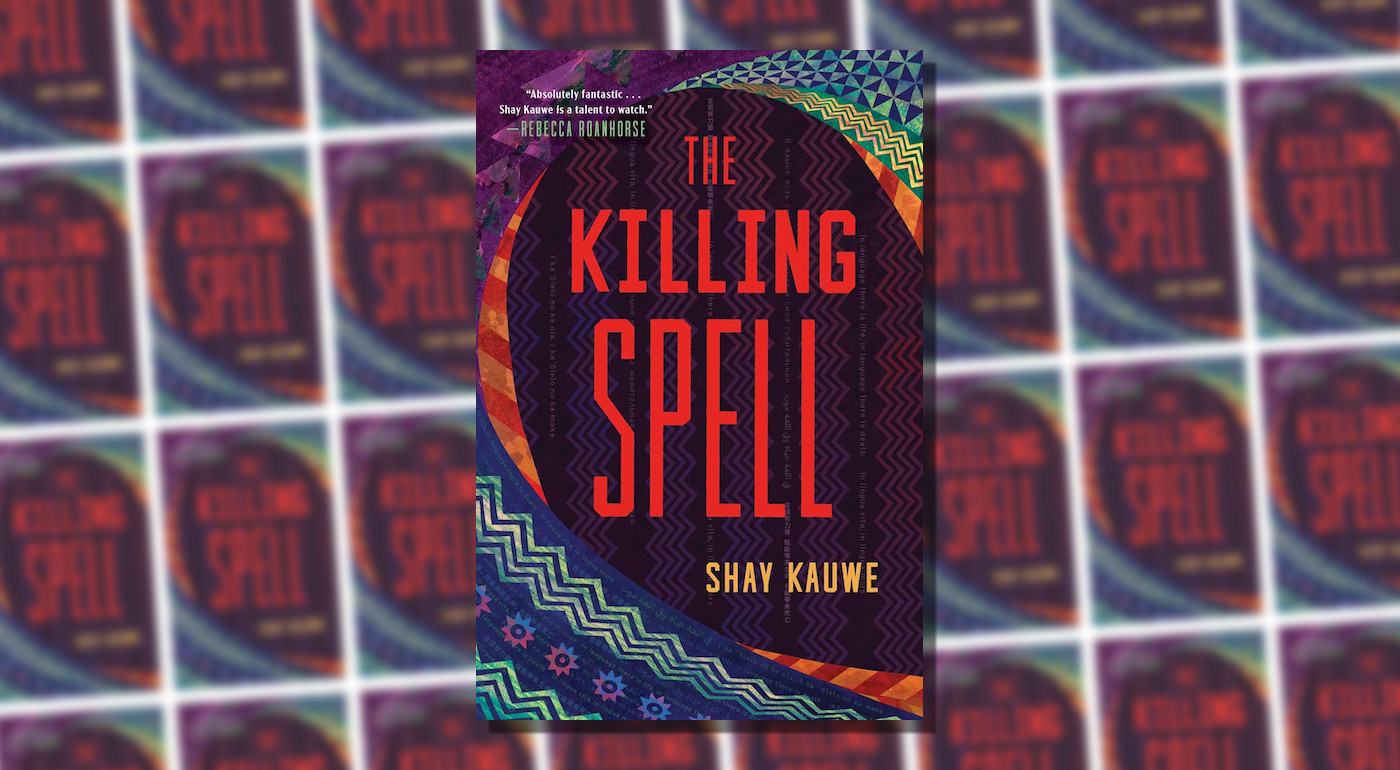
In her debut novel, The Killing Spell, Hawaiian author Shay Kauwe presents a harrowing, high-stakes vision of a near-future United States. Set two centuries after a cataclysmic flood permanently submerged the Hawaiian archipelago, the narrative explores the intersection of systemic racism, colonial heritage, and the untapped power of ancestral language. In this world, the survival of displaced clans is inextricably linked to their ability to navigate a rigid, bureaucratized magical hierarchy controlled by the authorities in Los Angeles.
The World of the Homestead: A Legacy of Displacement
The geography of Kauwe’s world is defined by the “Homestead,” a designated territory on the U.S. West Coast where the remnants of the Hawaiian people reside under a restrictive land-leasing agreement. The arrangement bears a striking, intentional resemblance to the historical reservation system—a parallel that Kauwe utilizes to critique the endurance of settler colonialism.
The environment remains hostile; the oceanic flood that destroyed the islands did not merely alter the climate—it introduced a variety of aquatic monsters that periodically breach the Homestead’s defenses. To combat these threats, the inhabitants rely on “spell casting,” a system rooted in the manipulation of mana. In this universe, magic is not an abstract force but a quantifiable resource that must be drawn from the environment into one’s internal “core.”
However, the ability to weave this mana into functional spells is gated by a rigid linguistic gatekeeping mechanism. While anyone can theoretically store mana, only those trained in specific, state-sanctioned languages—primarily classical Romance languages—can effectively channel that energy into reality-altering commands.
Chronology: From Reluctant Head to Unwilling Investigator
The narrative centers on Kea, a twenty-five-year-old “smith” who serves as the unwilling matriarch of her clan. Burdened by the weight of her family’s debt and the responsibility of caring for her siblings and grandparents, Kea operates in the shadows of the magical underworld.
The Rise of the Illegal Smith
Kea’s position is precarious. Lacking formal certification, she crafts spells in the Hawaiian language—a tongue that the LA Casters Board refuses to recognize as a valid medium for magic. Because she lacks fluency in the sanctioned Romance languages and struggles with the unpredictable nature of her own abilities, she is relegated to the fringes of society, selling illicit spells to make ends meet.
The Catalyst: The Reyes Murder
The status quo is shattered by the assassination of Angelo Reyes, a prominent Filipino political activist in Los Angeles. The murder was committed using a high-level, forbidden death spell. Forensic analysis by the Board confirms that the fatal incantation was written in Hawaiian.
Targeted as the prime suspect due to her background, Kea is coerced into a deal: she must assist the LA Casters Board in solving the murder to prove her innocence. In exchange, the Board promises to erase her family’s debt and grant her immunity for her past illicit smithing. Despite her deep-seated skepticism of the Board’s motives, the survival of her clan leaves her with no choice but to accept.
The Partnership
Kea is paired with Sora, an operative trusted by the Board. The dynamic between the two is characterized by immediate friction—a classic trope that serves as a vehicle for exploring their differing loyalties. As they delve into the investigation, the narrative pivots from a local struggle for survival to a broader critique of how language is used to maintain power dynamics.
Supporting Data: The Mechanics of Mana and Linguistic Erasure
The magic system in The Killing Spell serves as a poignant metaphor for cultural survival. By establishing that “casting required tapping into the mana that flows through the world and drawing it inside oneself,” Kauwe creates a system where the vessel for magic is universal, but the tools for expression are restricted.
The Board’s insistence on Romance languages is framed not as a technical requirement, but as a deliberate act of cultural suppression. Asian and Indigenous languages, which predate many of the accepted European tongues, are systematically excluded from the curriculum and legal registry. This exclusion is a form of “slow, intentional strategy” designed to starve minority populations of their history and their capacity to defend themselves.
Official Responses and Political Implications
While the LA Casters Board represents the central antagonist, their actions reflect a broader systemic failure. The novel explicitly draws connections to the “hangover of settler colonialism.” The Board’s control over magic acts as a contemporary manifestation of historical policies—such as the forced boarding schools and the banning of indigenous languages—that aimed to “cut out the tongue” of colonized people.
Kea’s realization throughout the text is that the Board’s strategy is to make minority cultures “a blip violently erased from their history.” The implication is clear: if a people cannot speak their own language, they cannot document their own history, and if they cannot document their history, they can be easily replaced.
Implications: The Power of Community and Unapologetic Presence
The narrative arc of The Killing Spell is ultimately one of self-actualization. Kea’s struggle is not merely to solve a murder, but to reclaim her agency as both a smith and a Hawaiian. Her character development hinges on the transition from a state of self-doubt and assimilation to a radical acceptance of her identity.
Kauwe posits that true power does not reside in the rigid, state-approved systems, but in the community and the persistence of culture. Kea’s eventual success—and her growth as a character—is tied to her willingness to speak up, to exist, and to practice her craft despite the risk of state retaliation. As Kea reflects, “The only way our history would survive was if our people continued to live. If we took up space unapologetically.”
Critical Reception and Narrative Structure
As the first adult Hawaiian urban fantasy, the novel carries significant weight. Critics have noted that while the narrative pacing in the opening third is occasionally uneven—often veering into chaotic, high-octane subplots that feel detached from the central mystery—the strength of the book lies in its thematic ambition.
The worldbuilding, though sometimes described as vague in its global scope, is laser-focused on the specific, localized oppression within the Los Angeles sphere. The characters surrounding Kea are sometimes criticized for lacking depth, yet the central exploration of power, racism, and the preservation of culture provides a robust backbone for the story.
In her preface, Shay Kauwe offers a mission statement that resonates with the core message of the book: “All languages are beautiful, special, and important, and your effort to cross cultures with nothing but a notebook and pen is a superpower. With every word, you are making magic.” By centering the Hawaiian language as the key to unlocking the mystery, The Killing Spell turns the act of linguistic preservation into a literal, world-shaping force, making it a compelling, if occasionally flawed, addition to the urban fantasy genre.