

For nearly half a century, the American television landscape was dominated by the rhythmic gallop of horses and the sharp crack of Winchester rifles. In the mid-20th century, the Western genre was not merely a television staple; it was the bedrock of the medium’s identity. While legends like Gunsmoke, Rawhide, and Bonanza remain etched into the collective cultural consciousness—often cited as the pillars that defined the genre’s transition from simple morality plays to nuanced revisionist narratives—a vast trove of equally significant series has been consigned to the dusty archives of history.
As the genre experiences a modern resurgence through the gritty, high-stakes narratives of the Taylor Sheridan universe, it is time to look back at the shows that laid the groundwork. These were the "horse operas" that experimented with form, character, and tone, often pushing the boundaries of what a half-hour or hour-long broadcast could achieve. The following analysis explores five of the most compelling, yet criminally overlooked, Western series that shaped the evolution of the genre.
The Foundation of a Genre: A Chronological Overview
The rise of the television Western was a response to a post-war American appetite for myth-making. However, as the 1950s turned into the 1960s, the "white-hat-vs.-black-hat" trope began to lose its luster.
- 1955: Cheyenne breaks the mold as the first hour-long Western, signaling a move toward more complex, cinematic storytelling.
- 1956: Dick Powell’s Zane Grey Theatre debuts, serving as an anthology incubator for the next decade of Western television.
- 1958: Wanted: Dead or Alive introduces a level of moral ambiguity through Steve McQueen’s Josh Randall.
- 1960: Sam Peckinpah’s The Westerner brings a cynical, revisionist edge that would later define his feature film career.
- 1996: The Lazarus Man attempts a 90s revival, blending the classic Western aesthetic with a serialized, high-concept mystery.
These shows represent a bridge between the serialized radio dramas of the past and the sophisticated, character-driven dramas of today’s streaming era.
1. Wanted: Dead or Alive (1958–1961)
The Birth of the "King of Cool"
Before Steve McQueen became a cinematic icon in The Magnificent Seven or The Great Escape, he was Josh Randall, a Confederate veteran turned bounty hunter roaming the Old West. While history books often point to Clint Eastwood’s work on Rawhide as the blueprint for the stoic cowboy, McQueen’s performance in Wanted: Dead or Alive offered a different, more introspective brand of charisma.
Randall was a contradictory figure: a man who traded in blood money yet possessed a deeply rooted sense of morality. The show’s production value was high, and its narrative ambition often exceeded the constraints of the era. Whether Randall was navigating the logistics of a bounty or engaging in bizarre, unconventional episodes—including a famous installment where he hunts a man masquerading as Santa Claus—the series proved that the Western format could be both grounded and surreal. It set the stage for the modern "anti-hero" archetype that dominates contemporary prestige television.
2. The Westerner (1960)
Sam Peckinpah’s Anguished Masterpiece
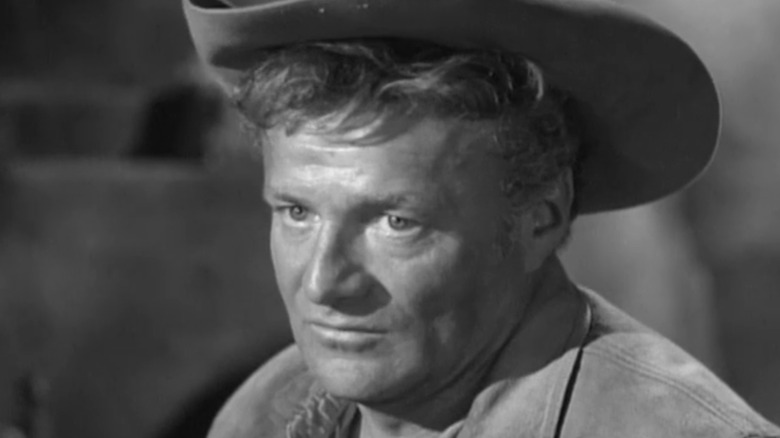
If The Westerner is remembered for anything today, it is for its creator, Sam Peckinpah. The show, which starred Brian Keith as the drifter Dave Blassingame, was a direct assault on the sanitized, "whitewashed" version of the West that populated the airwaves at the time.
Peckinpah famously admitted that he created the series out of "anger." He was disillusioned by the moralizing sheriffs and flawless gunslingers that dominated NBC and CBS. The Westerner was a darker, more mature exploration of the frontier, featuring a protagonist who was less interested in justice than he was in the grueling, day-to-day struggle of survival. Accompanied by his dog, Brown—a canine star of Old Yeller fame—Blassingame navigated a landscape of moral gray areas. Though canceled after only 13 episodes, the series served as the creative incubator for the revisionist themes that would eventually culminate in the brutal, visceral masterpiece The Wild Bunch.
3. Dick Powell’s Zane Grey Theatre (1956–1961)
The Anthology That Built an Empire
Anthology series have long been the lifeblood of creative television, and Dick Powell’s Zane Grey Theatre is perhaps the most quietly influential entry in Western history. Hosting, narrating, and occasionally starring in the episodes, Dick Powell turned this series into a powerhouse.
Beyond its own episodes, the show acted as a "backdoor pilot" factory. It birthed legendary series such as The Rifleman, Johnny Ringo, and Black Saddle. By adapting the stories of Zane Grey—a man who arguably invented the literary version of the American West—and then transitioning into original, high-quality scripts, the production team managed to attract A-list guest stars including Ronald Reagan, Jack Palance, and Ernest Borgnine. It remains a testament to the power of the episodic format, proving that a show doesn’t need a single, linear arc to leave an indelible mark on television history.
4. Cheyenne (1955–1962)
The Hour-Long Pioneer
When Cheyenne premiered in 1955, it changed the rhythm of American television. By expanding to an hour-long format, the show allowed for deeper character development and more intricate pacing than the standard 30-minute sitcoms or half-hour dramas of the time.
Clint Walker, playing the titular Cheyenne Bodie, became an instant star. His character was a fearless loner who, uniquely for the era, possessed a profound empathy for Native American communities—an upbringing that gave him a perspective rarely seen in mid-century media. By moving away from the "savages vs. settlers" narrative, Cheyenne challenged the biases of its audience. It provided a roadmap for future hour-long dramas, proving that television could handle complex, serialized character arcs without sacrificing the excitement of the Western frontier.
5. The Lazarus Man (1996)
A 90s Experiment in Memory and Myth
The most recent entry on this list serves as a poignant reminder of how fragile a show’s legacy can be. The Lazarus Man was a high-concept, serialized mystery set in post-Civil War Texas. Starring Robert Urich—who had already cemented his status in the genre with Lonesome Dove—the show followed a man who wakes up in a shallow grave with total amnesia, searching for the identity of the man who tried to kill him.
The show was innovative, blending the classic Western aesthetic with a dark, psychological mystery. It was poised to become a cult classic, but it was cut short by a real-world tragedy: Robert Urich’s cancer diagnosis. The series was canceled after only 20 episodes, leaving its central mystery largely unresolved and its potential unfulfilled. Yet, even in its brief run, it demonstrated that the Western genre still held relevance in the 1990s, provided it was willing to adapt to the changing tastes of modern audiences.
Supporting Data and Industry Implications
The cancellation of these shows often came down to the shifting economics of television advertising and the unpredictable nature of network programming. However, the data suggests that these programs were far more successful in their time than their current lack of cultural recognition would imply.
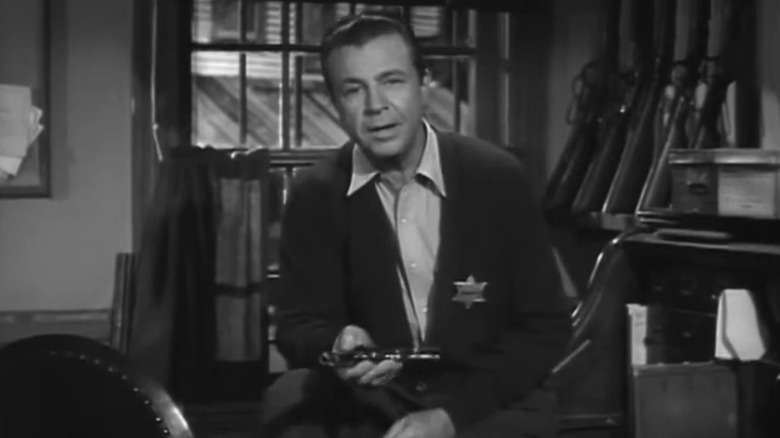
- Ratings Impact: Dick Powell’s Zane Grey Theatre was consistently ranked in the top tier of new shows during its debut season, signaling a strong market for the Western anthology format.
- Longevity: Cheyenne ran for 108 episodes, proving that the hour-long format was commercially viable—a model that networks would rely on for the next four decades.
- Critical Reception: Many of these shows were hailed by publications like Billboard and The New York Times as being "essential viewing," even if they didn’t reach the multi-decade lifespan of a show like Gunsmoke.
The Legacy of the "Forgotten" West
The implication of ignoring these shows is more than just a loss of nostalgia; it is a loss of artistic history. The "Western Renaissance" we see today—characterized by shows like Yellowstone and its spin-offs—is not a spontaneous phenomenon. It is the continuation of a dialogue that began with Cheyenne’s hour-long runtime and Sam Peckinpah’s refusal to paint the West in shades of absolute moral purity.
Whether it is the "King of Cool" Steve McQueen hunting bounties or a man searching for his identity in a shallow grave in the 90s, these shows provided the DNA for the modern anti-hero. By rediscovering these gems, we don’t just gain a new list of shows to watch; we gain a deeper appreciation for the architects of the genre. The West, as it turns out, was always far more complex, more experimental, and more human than we often give it credit for. It is time to blow the dust off these titles and let them ride again.










