In an era where the boundary between comfort and terror is increasingly blurred by the genre of "elevated horror," the upcoming film Buddy has emerged as a particularly disquieting entry. Directed by genre veteran Casper Kelly—known for his surrealist masterpieces like Too Many Cooks and Your Pretty Face Is Going to Hell—Buddy is poised to transform the saccharine, primary-colored aesthetics of classic children’s television into a nightmare scenario. With a premiere date set for August 28, 2026, the film is already generating significant buzz, not merely for its star-studded cast, but for its central premise: a beloved, bright orange unicorn whose “joyful” world crumbles when faced with a child’s defiance.
Main Facts: The Premise and Production
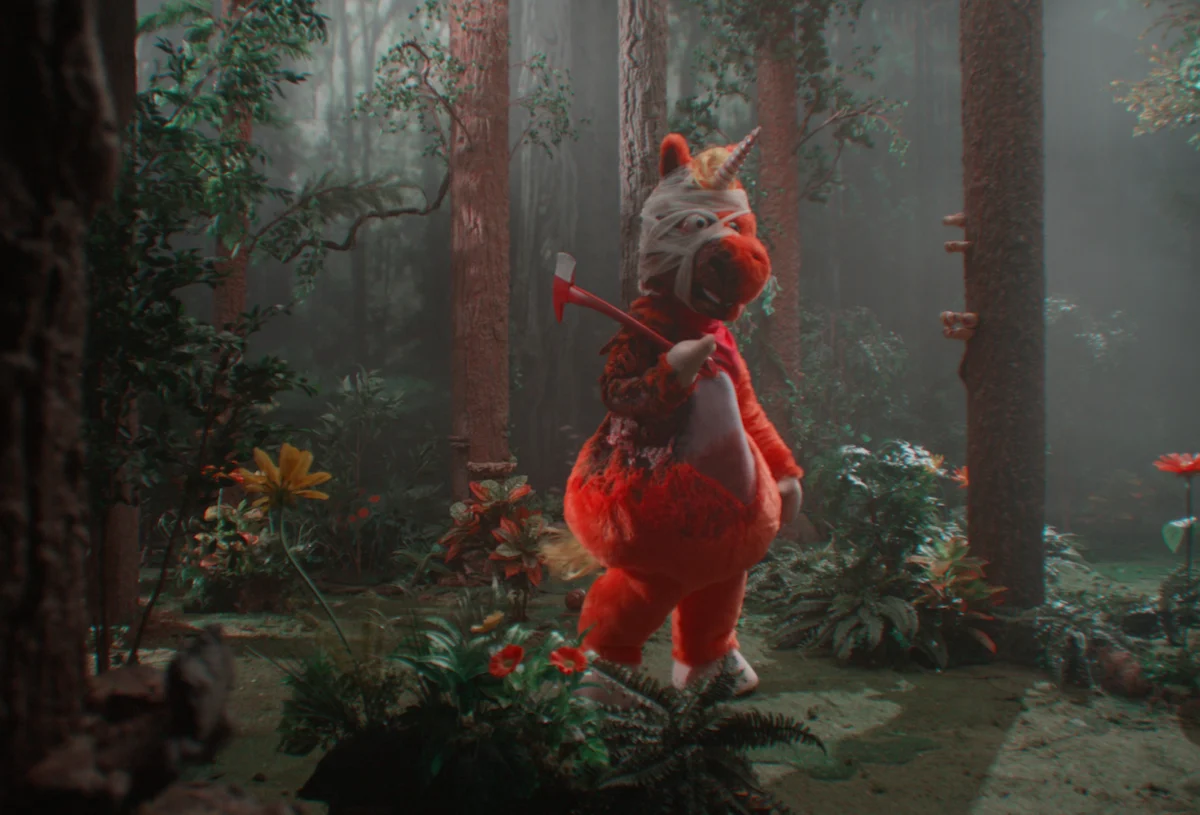
Buddy is a feature-length psychological horror film produced by Roadside Attractions. The narrative centers on a fictional children’s show, It’s Buddy!, which serves as a cornerstone of childhood innocence for a generation of viewers. The story follows the titular character, Buddy, a cheery, anthropomorphic orange unicorn who acts as a mentor, teacher, and friend to a group of children within a vibrantly animated, studio-bound reality.
However, the idyllic facade is shattered when one child protagonist refuses to participate in the mandatory "fun" dictated by the show’s rigid structure. What begins as a charming, musical television program devolves into a desperate fight for survival as Buddy’s persona shifts from benevolent guide to something inherently, perhaps supernaturally, predatory.
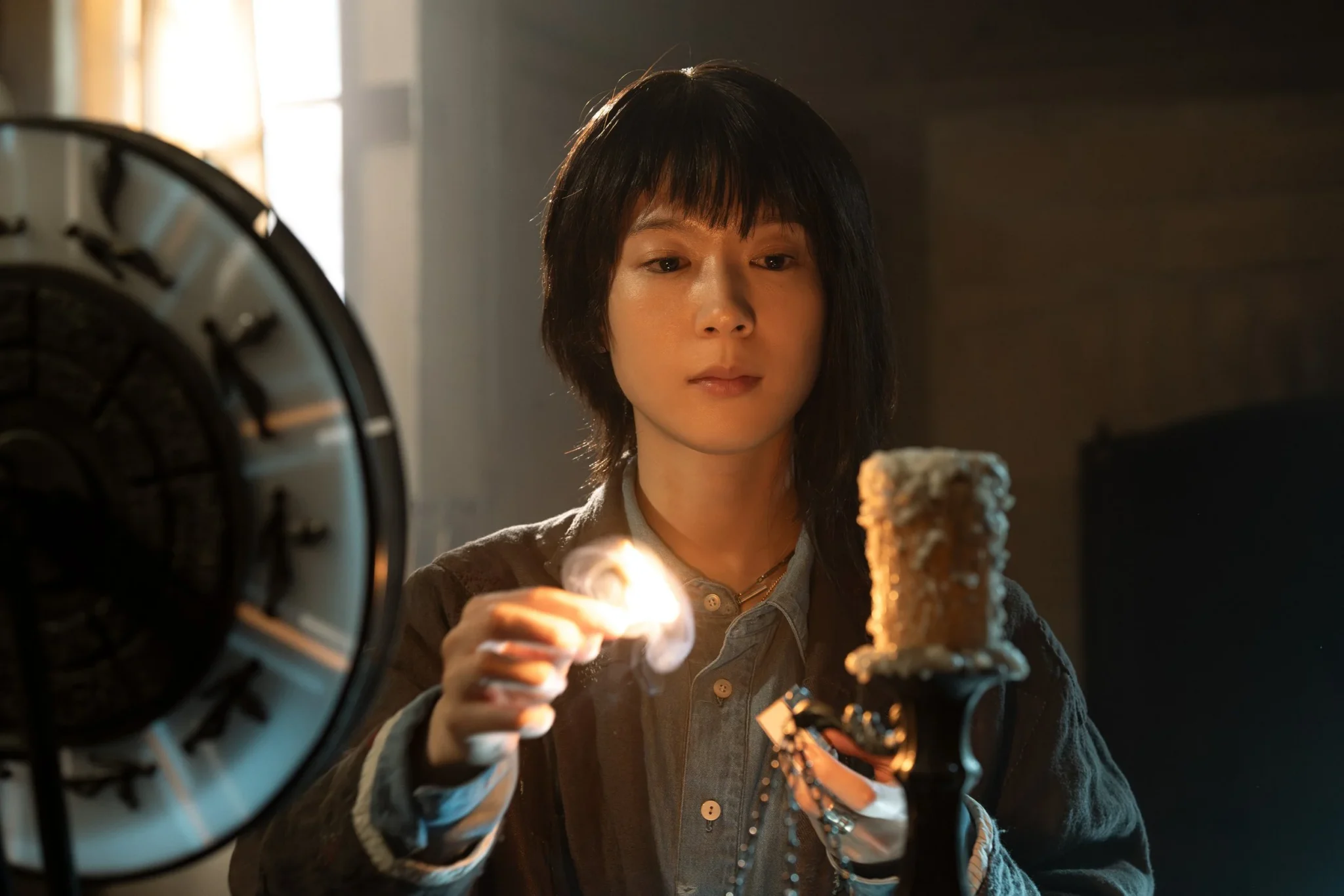
The film boasts an ensemble cast that highlights the project’s high production value. Cristin Milioti, whose range in both comedic and dark roles is well-documented, headlines the cast. She is joined by Delaney Quinn, Patton Oswalt, Michael Shannon, Topher Grace, and Keegan-Michael Key. The script, co-written by Casper Kelly and Jamie King, promises to lean into the uncanny valley—a hallmark of Kelly’s previous work—to explore themes of parasocial relationships, the commodification of children’s media, and the thin line between enforced happiness and authoritarian control.
Chronology: From Concept to Cinema
The trajectory of Buddy is a testament to the modern appetite for subverting nostalgic tropes. The project’s development can be traced through several key phases:
- Initial Development (2023-2024): Casper Kelly began conceptualizing Buddy as a commentary on the aggressive positivity often found in early childhood programming. Drawing inspiration from the "corporate creepiness" of 1990s mascot-led entertainment centers, Kelly and Jamie King developed the script to act as a dark mirror to the shows of the past.
- Casting Announcements (Early 2025): The production caught industry attention when high-profile actors like Michael Shannon and Patton Oswalt were attached to the project. The inclusion of Cristin Milioti, who recently garnered acclaim for her work in The Penguin and Made for Love, solidified the project as a major studio release rather than a niche indie experiment.
- Teaser Release (Present Day): The debut of the teaser trailer served as the first public window into the film’s tone. Utilizing the visual language of cathode-ray tube (CRT) television—complete with scan lines and slightly distorted audio—the teaser contrasts the high-energy, infectious joy of the It’s Buddy! show with chilling shots of children weeping in genuine terror.
- Upcoming Release (August 28, 2026): Roadside Attractions has confirmed the theatrical release date, signaling a strategic play for the late-summer horror market, a window that has historically seen success with high-concept, original genre films.
Supporting Data: The Anatomy of the ‘Buddy’ Phenomenon
The effectiveness of Buddy relies on a psychological phenomenon known as the "uncanny valley," where a near-human character (or in this case, a beloved mascot) evokes a sense of unease because it is "almost but not quite" human.
Data regarding the success of similar films in the "mascot horror" subgenre—such as Five Nights at Freddy’s or Willy’s Wonderland—suggests that audiences are increasingly drawn to projects that weaponize nostalgia. These films capitalize on the cognitive dissonance created when a figure associated with safety and warmth is placed in a violent or threatening context.
Furthermore, the production design of Buddy relies on specific color theory. The choice of a "bright orange" unicorn is deliberate. According to industry color consultants, bright, saturated orange is often used in children’s media to convey friendliness and high energy. By retaining this color palette while introducing dark, cinematic lighting, the film creates a visual conflict that forces the audience to experience the "perfection" of the show as a source of anxiety.
Official Responses and Creative Vision
Casper Kelly has been vocal about his desire to move beyond simple "jump scares." In brief statements following the teaser release, he noted that the horror in Buddy is not meant to be external, but rather a reflection of the "claustrophobia of forced performance."
“We wanted to look at the pressure we put on children to be happy all the time,” Kelly remarked in an internal production memo. “What happens when the mascot—the embodiment of that pressure—decides that the performance is mandatory? What happens when you say ‘no’ to someone who is paid to be your friend?”
The actors involved have also expressed enthusiasm for the script’s nuance. Michael Shannon, known for his intense performances, has reportedly described the film as a "surrealist indictment of the entertainment industry." Cristin Milioti’s involvement has been particularly praised by critics, as her ability to portray vulnerability and existential dread is expected to ground the more surreal elements of the film.
Implications: The Future of Nostalgic Horror
The release of Buddy carries several implications for the horror genre and the broader media landscape:
The Saturation of Subverted Childhood
As a society, we are currently experiencing a "nostalgia cycle" where creators are mining their childhoods for content. While many projects use this to evoke warmth, films like Buddy prove that there is a growing, sophisticated market for "deconstructive nostalgia." By taking the tropes of 90s television and stripping them of their innocence, the film forces the audience to re-evaluate the media they consumed during their formative years.
The Role of Independent Directors in Major Studios
Casper Kelly’s transition from cult-favorite shorts to a full-scale feature with Roadside Attractions is an encouraging sign for the industry. It suggests that major studios are willing to trust auteur-driven, experimental visions, even within the horror genre. This indicates that the "elevated horror" movement—pioneered by directors like Ari Aster and Robert Eggers—is evolving, allowing for weirder, more stylistically distinct voices to reach a mass audience.
The Parasocial Danger
At its core, Buddy is a critique of the parasocial relationship between children and media figures. In an age where digital influencers and animated characters have a more constant presence in a child’s life than ever before, the film’s premise is disturbingly relevant. It asks the audience to consider the power dynamics at play when a child is taught that a character is their "best friend," and the potential for that dynamic to be abused.
A New Standard for Visual Storytelling
The use of the CRT aesthetic in the teaser suggests that the film will utilize mixed media to enhance the narrative. By blending the "low-fi" look of a 90s TV show with the "hi-fi" quality of modern cinematography, Buddy aims to create a disorienting experience that mimics the blurring of reality that the characters in the film likely experience.
Conclusion: A Date with Destiny
As we approach the August 2026 release, the anticipation for Buddy will likely only grow. The film stands at the intersection of cultural nostalgia and existential horror, promising a cinematic experience that is as intellectually stimulating as it is terrifying. Whether Buddy becomes a modern classic of the genre remains to be seen, but its commitment to a unique, unsettling vision is already clear.
For parents who remember the brightly lit, song-filled television shows of their own youth, Buddy will serve as a stark, chilling reminder that sometimes, the brightest colors hide the deepest shadows. When the hoof finally hits the floor, audiences will have to decide: will they play along, or will they be the ones to break the spell? Until then, the teaser provides a haunting glimpse into a world where joy is the only option—and the price for disobedience is far higher than anyone could have imagined.