Dwi Wanna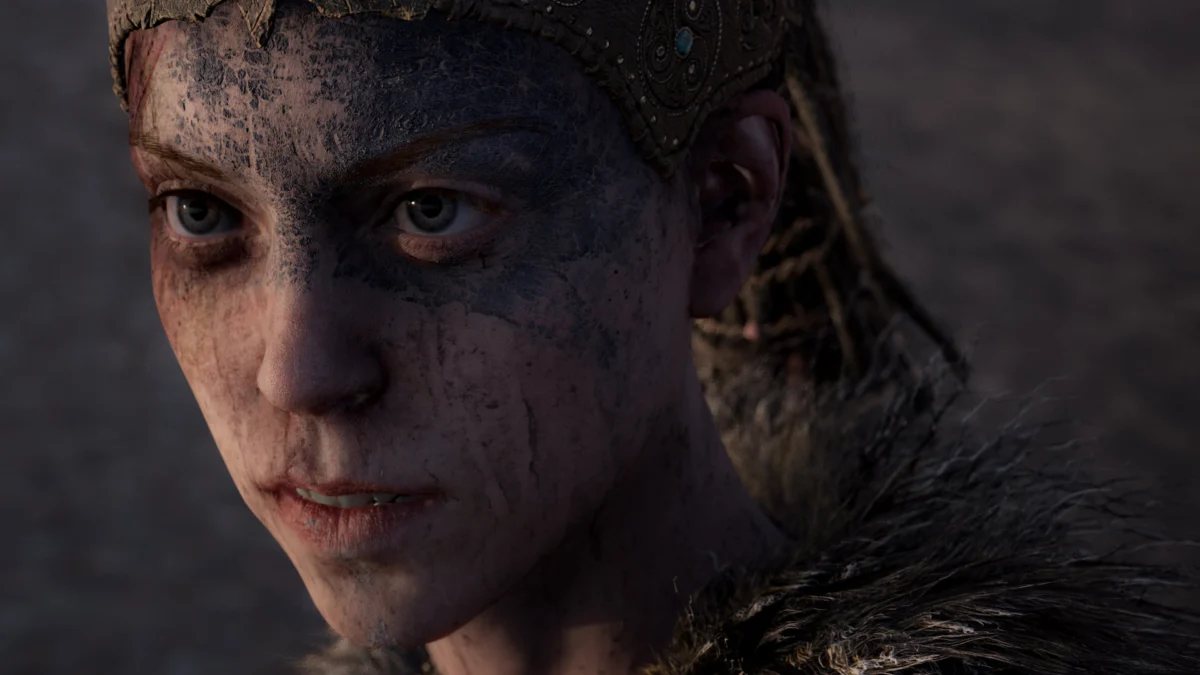
By Editorial Staff
The gaming industry is currently reeling from a series of revelations that cast a long shadow over Microsoft’s management of its internal development studios. Recent reporting has brought to light a cynical, behind-the-scenes strategy concerning Ninja Theory, the acclaimed developers behind the Hellblade series. According to investigative reports, the studio—long considered a crown jewel of the Xbox Game Studios portfolio—may have been positioned for divestment under the guise of an optimistic future, raising profound questions about corporate transparency, developer morale, and the stability of the Xbox ecosystem.
The Core Revelation: A Trailer for the Chopping Block
The gaming community was left in a state of collective bewilderment when news surfaced that Ninja Theory, despite being an integrated part of Microsoft’s internal operations, was allegedly being positioned for a potential divestment or shutdown. This confusion was compounded by the fact that, mere weeks prior, the studio had taken the stage at an Xbox Games Showcase to unveil its next project.
According to investigative journalist Stephen Totilo of Game File, this marketing spectacle was not merely a celebration of creative output. Instead, it was reportedly a calculated move by Microsoft leadership. The strategy, sources suggest, was to use the announcement of a new, high-profile project to artificially inflate the studio’s value and attract potential third-party investors or buyers. In essence, the trailer was not designed solely for fans; it was a pitch deck for a divestment strategy.
A Chronology of Conflict and Contraction
To understand the severity of these reports, one must look at the recent timeline of Microsoft’s internal restructuring.
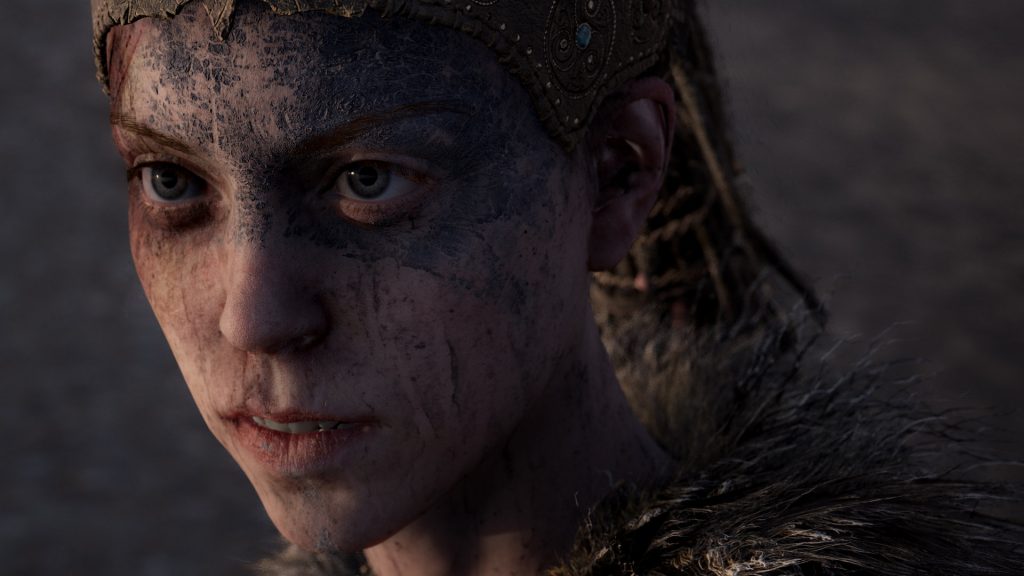
- The Post-Acquisition Era: Following Microsoft’s acquisition of Ninja Theory, the studio enjoyed significant creative freedom, resulting in the technical marvel Senua’s Saga: Hellblade II. While the game received critical acclaim for its narrative and visual fidelity, its commercial performance within the Game Pass model remains a subject of intense industry debate.
- The Showcase Announcement: At the most recent Xbox Games Showcase, Ninja Theory teased an upcoming project, simply titled Senua. The teaser suggested a departure from the narrow, cinematic focus of Hellblade II, hinting at a return to the more robust, action-oriented gameplay that defined the original 2017 hit.
- The "Game File" Leak: Shortly after the showcase, internal sources began to whisper that the studio’s tenure under the Xbox banner was nearing an end. The revelation that the announcement was a strategic ploy to "window-dress" the studio for sale sent shockwaves through the development community.
- The Pattern of Contraction: This development does not exist in a vacuum. It follows a wider trend of closures at Xbox, including the shuttering of Tango Gameworks and Arkane Austin, suggesting that Microsoft’s "big tent" strategy for game development is undergoing a painful, and perhaps desperate, contraction.
Supporting Data: The Shifting Sands of Xbox Management
The logic behind this reported move is rooted in the current economic realities of the gaming industry. Microsoft’s acquisition spree—which brought studios like Bethesda, Activision Blizzard, and Ninja Theory under one roof—has been met with mounting pressure from shareholders to show profitability.
While Hellblade II was a prestige title, its linear, short-form structure struggled to fit the "Engagement as a Service" model that currently dominates the Xbox Game Pass ecosystem. By pivoting the studio toward a new project that promises more traditional, action-heavy gameplay, Microsoft was effectively trying to make the studio look like a more "versatile" asset for a potential buyer.
Furthermore, the industry is witnessing a trend where publishers are offloading specialized studios to reduce overhead. If Microsoft can spin off Ninja Theory while retaining the intellectual property (IP), they effectively keep the valuable Hellblade brand while shedding the massive operational costs associated with running a mid-to-large-sized development studio. This "Asset-Stripping Lite" approach allows the corporate parent to maintain its portfolio of IPs while narrowing its internal development focus to massive, recurring-revenue franchises like Call of Duty or Elder Scrolls.
The Silence from Redmond: A Lack of Official Response
As of this writing, Microsoft has maintained a wall of silence regarding the specific future of Ninja Theory. When asked for comment, representatives for Xbox declined to clarify the studio’s status, sticking to the standard corporate line regarding "portfolio management" and "long-term strategic alignment."
This lack of transparency is standard for Microsoft, but in the current climate, it is proving to be a major liability. Without an official statement, the industry is left to fill the void with speculation, which is increasingly damaging to the reputations of both the parent company and the developers. For the staff at Ninja Theory, this period of uncertainty is undoubtedly demoralizing. The act of pouring years of creative energy into a project only to have it used as a "for sale" sign is a profound betrayal of the collaborative spirit that Microsoft once promised to foster.
Implications for the Industry and the Player
The potential sale or closure of Ninja Theory carries significant implications that extend far beyond one studio:
1. The Erosion of Developer Trust
When a studio is used as a bargaining chip, the culture of trust is irreparably damaged. Creative talent is the most valuable asset in the gaming industry, and developers are unlikely to flock to, or remain at, studios where their work is treated as a disposable marketing tool.
2. The Future of Mid-Tier Gaming
Hellblade represented the "Triple-A Indie" movement—games with high-end production values that didn’t necessarily require a 100-hour open-world grind. If the studio behind this model is discarded, it signals a bleak future for mid-tier, narrative-focused gaming within the Xbox ecosystem. The industry may shift further toward a binary of "massive live-service blockbusters" and "micro-budget indie games," leaving no room for the middle ground.
3. IP Ownership vs. Studio Identity
The report suggests that if a split occurs, the Hellblade IP will remain with Microsoft. This is a crucial distinction. It means that even if the studio that birthed Senua is sold or shuttered, the brand will be kept in the Xbox vault. This allows Microsoft to potentially farm the IP out to other studios or revive it in the future, effectively decoupling the soul of the franchise from the creators who gave it life.
4. Investor Skepticism
While the strategy was designed to attract investors, it may have the opposite effect. Savvy investors look for stability and long-term viability. A company that is seen "churning" through development talent and selling off studios—even after high-profile project launches—may be viewed as a sign of underlying systemic instability within the Xbox division.
Conclusion: A Precarious Crossroads
The narrative surrounding Ninja Theory serves as a microcosm of the modern gaming industry’s existential crisis. As the lines between creative excellence and corporate accounting become increasingly blurred, the developers who build these digital worlds are finding themselves at the mercy of shifting financial winds.
Whether Ninja Theory is ultimately sold, shuttered, or allowed to continue under the Xbox umbrella, the damage to the narrative of the "Xbox Family" is already done. The revelation that a project was unveiled with the primary intent of facilitating an exit has exposed the harsh reality of corporate ownership. For fans of Hellblade, the wait for the next chapter of Senua’s journey is now colored by the uncomfortable knowledge that the journey itself might be cut short, not by a lack of vision, but by the cold calculations of a boardroom in Redmond.
As the industry watches, the question remains: is this a final act of contraction for Xbox, or the beginning of a wholesale dismantling of the creative legacy they spent billions to acquire? Only time, and the inevitable official announcement, will tell. For now, the "Senua" project remains in a state of purgatory, much like the studio that created it.


 Iffa Jayyana
 Ammar Sabilarrohman