Nana
Nana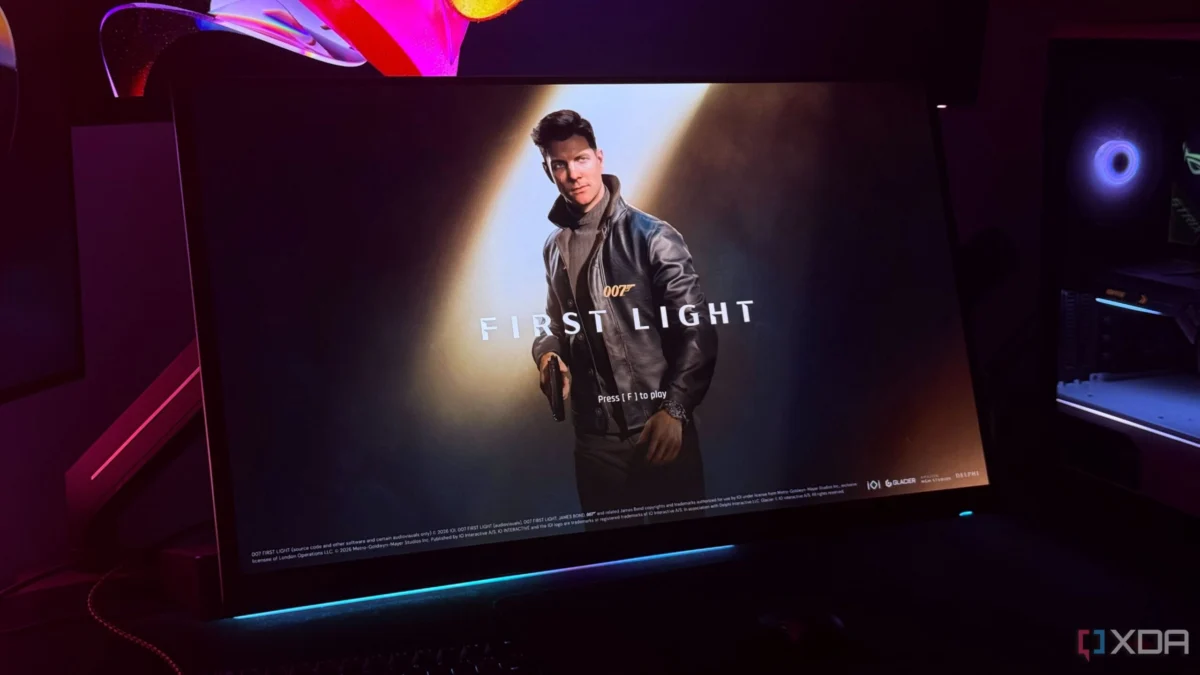
For years, the gold standard for PC gaming performance has been clear: achieve the highest possible frame rate at native resolution. However, as the graphical fidelity of AAA titles has skyrocketed, so too has the reliance on Temporal Anti-Aliasing (TAA) to mask the jagged edges of modern rendering. While TAA has served as a functional industry standard for over a decade, it has become increasingly notorious for a side effect that purists loathe: a persistent, smeary blur that degrades image clarity.
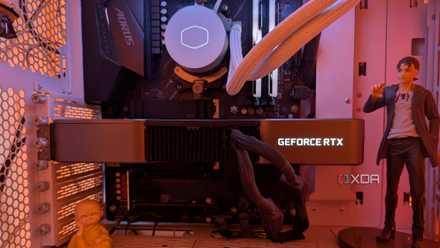
For those of us wielding top-tier hardware like the Nvidia RTX 4090 or the newly minted 5090, the trade-off has always felt lopsided. Why would I sacrifice precious performance for an anti-aliasing method that makes my crisp 4K display look like it’s been smeared with Vaseline? This is where Nvidia’s Deep Learning Anti-Aliasing (DLAA) enters the conversation. Previously dismissed by many as a performance-taxing alternative to the magic of DLSS, DLAA is finally proving its worth in the latest generation of titles, specifically those that force mediocre TAA implementations.
The Problem with Modern Anti-Aliasing: The TAA Blur
Temporal Anti-Aliasing works by blending frames over time, using data from previous frames to smooth out edges and reduce shimmering. It is computationally inexpensive compared to legacy methods like MSAA, which is why developers gravitate toward it. However, the cost is visual fidelity. In fast-paced games or scenes with dense foliage, TAA often results in "ghosting" and a pervasive softness that strips away the fine textures that high-resolution gaming is supposed to highlight.
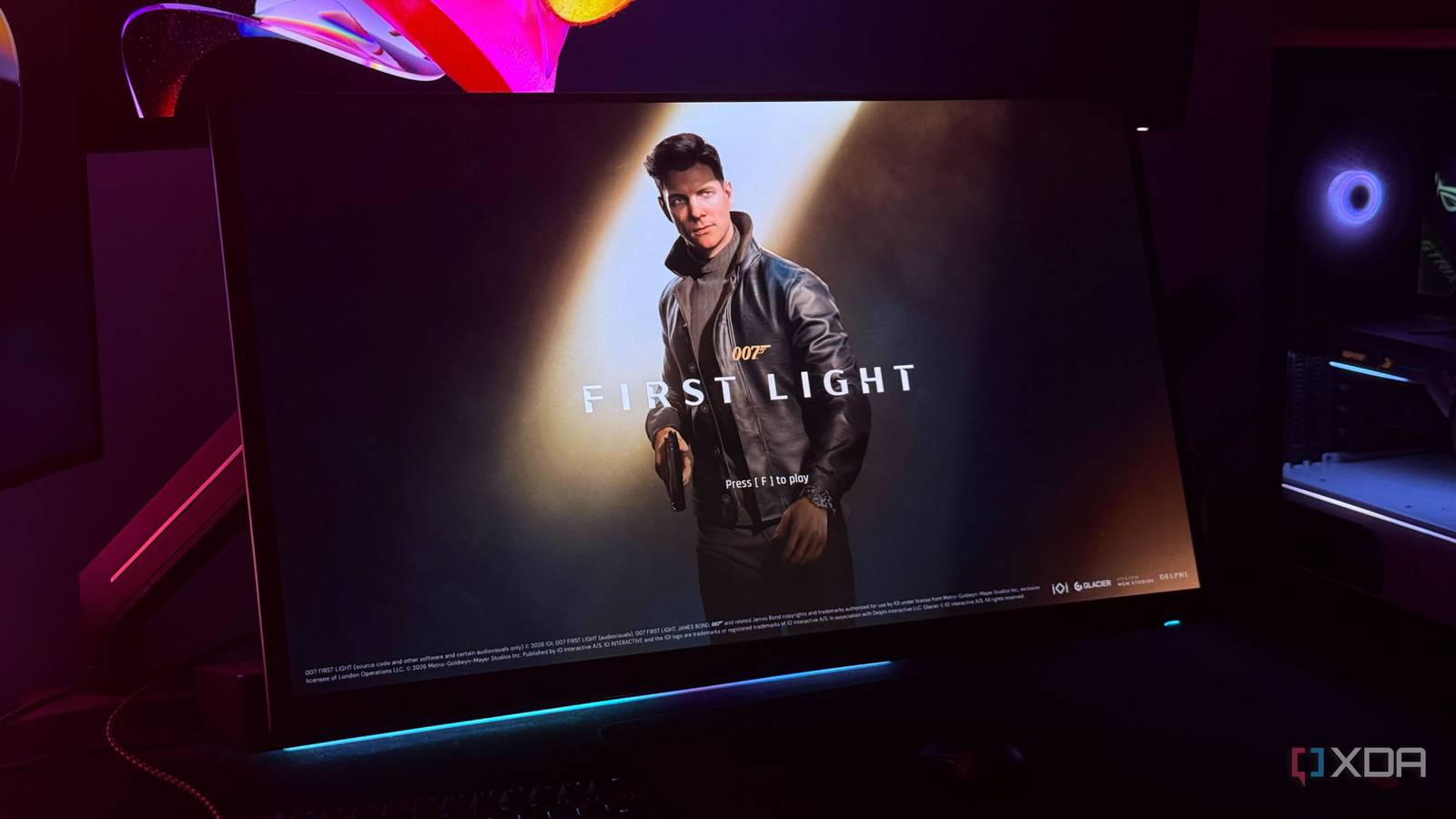
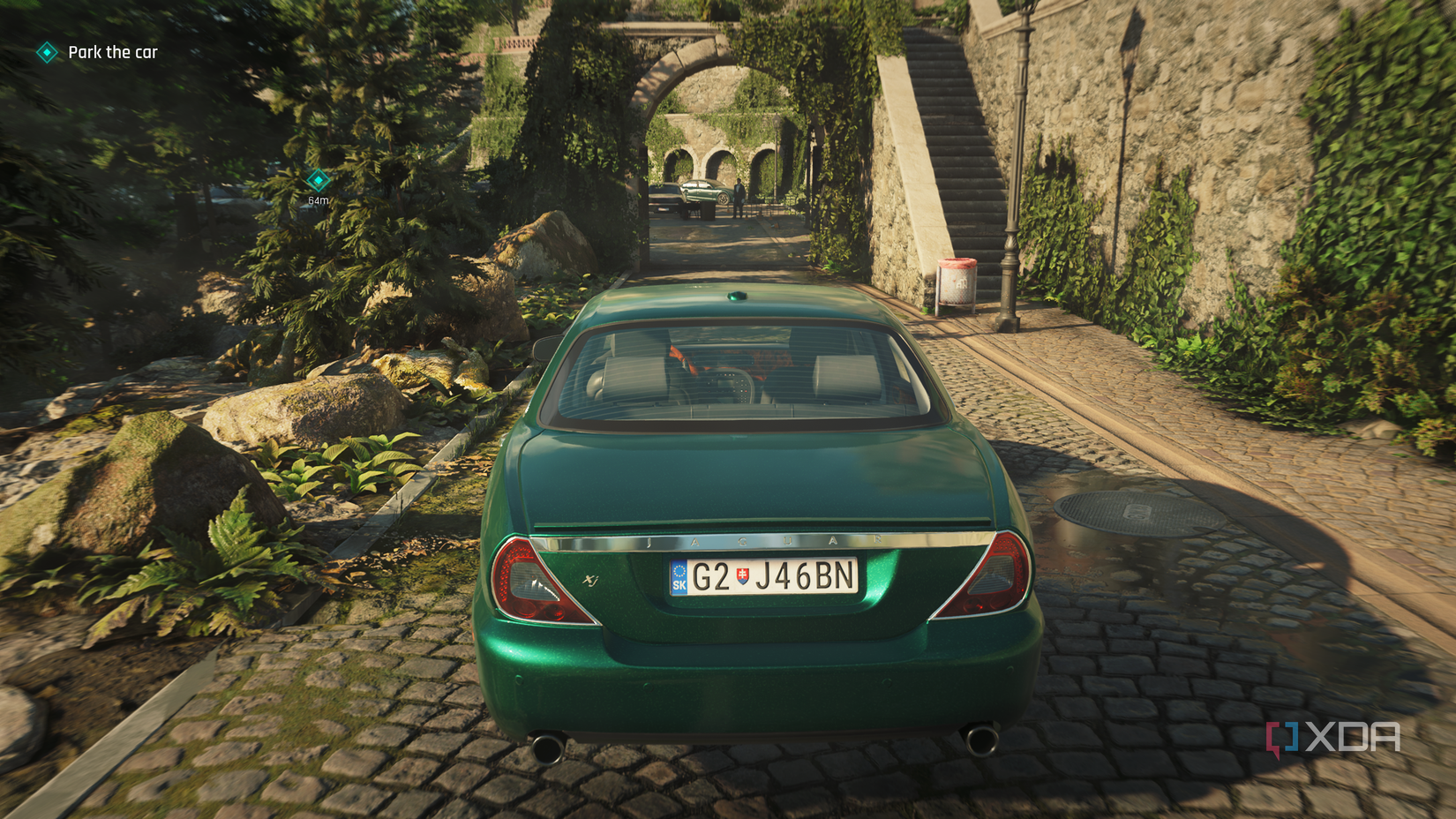
When I started playing 007 First Light last weekend, I was immediately struck by the aggressive TAA implementation. Even at native 4K, the game’s environment felt curiously muted. Fine details—the intricate threads on a character’s suit, the distant foliage in the Vietnam mission, and the sharp lines of architectural geometry—were lost in a soft-focus haze. For a user sitting in front of a 27-inch 4K monitor with high pixel density, this "softness" is impossible to ignore.
A Change of Heart: Why I Finally Embraced DLAA
I have long been a vocal proponent of DLSS. The ability to upscale from a lower internal resolution while maintaining, or even exceeding, native-level clarity is a miracle of modern machine learning. Because of this, I often viewed DLAA—which uses the same AI infrastructure but runs at native resolution—as a frivolous luxury. Why take a 2–5% performance hit to run DLAA when I could just use DLSS and gain a massive frame rate boost?
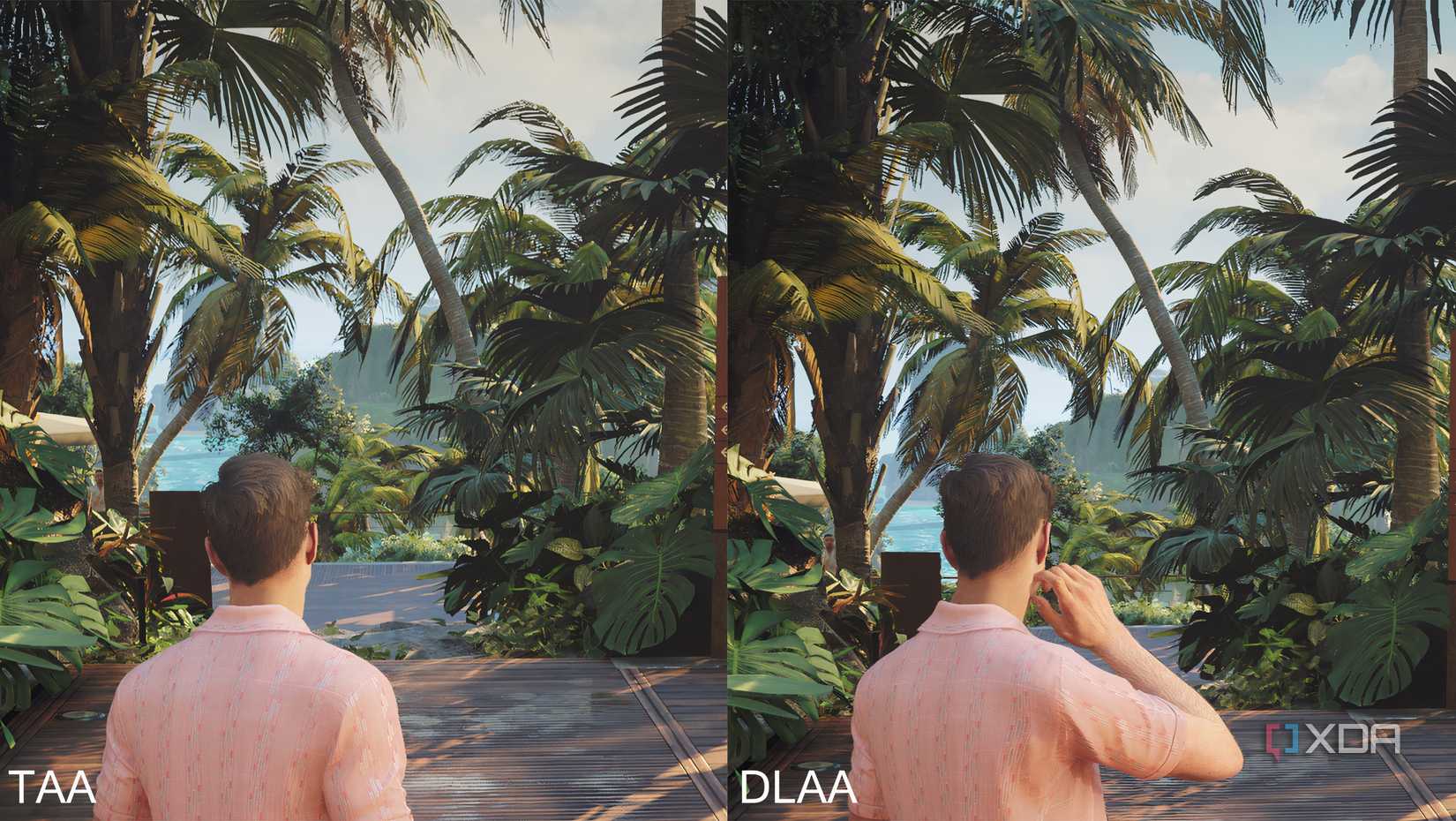
My experience with 007 First Light shifted that perspective. Because the game currently lacks ray tracing, my RTX 4090 was outputting a stable 70FPS at native 4K. I had the thermal and computational overhead to spare. When I switched from the forced TAA to DLAA, the transformation was immediate. The image regained a sense of "punch." The micro-details that were previously smoothed away by TAA’s aggressive temporal filtering snapped back into focus.

This isn’t just about making pixels look sharper; it’s about the stability of the image. Foliage, which usually shimmers under TAA, remained rock-solid under DLAA. The "smear" disappeared. It was, for the first time, a truly "native" experience that felt worthy of the hardware driving it.
The Chronology of an Anti-Aliasing Evolution
To understand why DLAA is gaining traction now, one must look at the trajectory of PC graphics over the last decade:
- 2014–2018 (The MSAA Era): Multi-Sample Anti-Aliasing was the king. It was incredibly heavy on hardware but provided pristine edges. As games became more complex, the cost of MSAA became unsustainable for developers.
- 2019–2022 (The TAA Takeover): Developers pivoted to TAA as a cost-effective solution for increasingly demanding open-world titles. Players accepted the blur as a necessary evil to keep frame rates playable.
- 2023–2025 (The Upscaling Revolution): DLSS and FSR dominated the discourse. The focus shifted entirely to reconstruction techniques, leaving native resolution as a secondary thought.
- 2026 (The Refinement Phase): With high-end GPUs becoming significantly more powerful, we are seeing a resurgence in "quality-first" rendering. DLAA is the logical endpoint of this movement—using AI not to save performance, but to maximize the quality of the raw pixels being rendered.
Supporting Data: The Performance-to-Quality Ratio
It is important to maintain a sense of objective perspective. DLAA is not for everyone. The performance penalty, while small (typically 2–5%), is still a penalty. For a user running a mid-range card—an RTX 4060 or 4070—that 5% drop could be the difference between a smooth 60FPS experience and a stuttery mess.
However, for the enthusiast market, the math is compelling. If you are playing a title that is already well-optimized or has yet to implement heavy ray tracing/path tracing, that performance headroom is currently sitting idle. By enabling DLAA, you are essentially "unlocking" the full potential of your 4K display.
Comparative Analysis of Anti-Aliasing Methods:
- TAA: Low cost, high blur, effective at hiding temporal shimmering.
- MSAA: Very high cost, high clarity, struggles with modern deferred rendering.
- DLSS (Quality): Variable cost (boosts performance), excellent reconstruction, sometimes exhibits minor "halos" in motion.
- DLAA: Moderate cost, superior clarity, the best possible image quality for native rendering.
Implications for Future Game Development
The rise of DLAA raises an interesting question for game developers: Should they continue to rely on proprietary TAA, or should they move toward AI-based anti-aliasing as the baseline?
Industry experts suggest that as Nvidia’s Tensor cores become more integrated into the standard gaming pipeline, we will see more games launch with DLAA as a standard toggle. The implication here is a shift in philosophy: the goal is no longer just to reach a target frame rate, but to deliver an "AI-enhanced" image that accounts for the limitations of modern pixel-based displays.
Furthermore, this development puts pressure on AMD and Intel to refine their own native-resolution anti-aliasing solutions. If Nvidia continues to demonstrate that DLAA provides a cleaner image than TAA, the industry will inevitably move toward AI-based reconstruction and smoothing as the default, potentially rendering the "blur" of traditional TAA a relic of the past.
Final Verdict: Is It Worth the Switch?
If you are a high-end gamer who finds themselves constantly frustrated by the "smear" in modern titles, the answer is an emphatic yes. The next time you boot up a new game, ignore the default settings. If the game offers DLAA, enable it. Even if you are a staunch believer in DLSS, toggling DLAA on for a few minutes will likely show you exactly what you’ve been missing at native resolution.
While DLSS remains the king of the mainstream—balancing performance and visuals for the vast majority of players—DLAA is the king of the purist. It serves as a reminder that even in an era of aggressive upscaling, there is still something to be said for the raw, unadulterated power of a native 4K frame, polished to perfection by the precision of artificial intelligence.
For now, I will keep DLAA enabled in 007 First Light. When the inevitable path-tracing update arrives, I will likely switch back to DLSS to maintain my frame rate, but the experience has fundamentally changed my perspective. I am no longer willing to settle for the blurry, dated aesthetic of standard TAA. I have seen the difference, and for those with the hardware to support it, there is simply no going back.

 Ali Ikhwan
 Asep Darmawan