

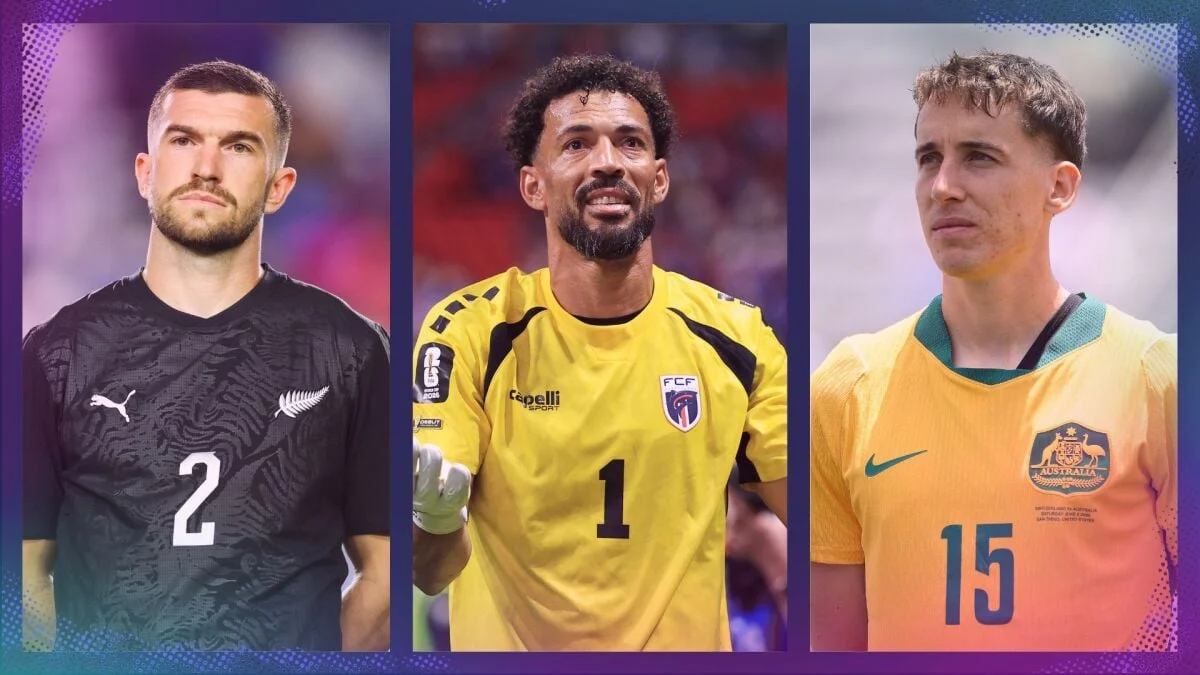
The FIFA World Cup has long been a theater of dreams, where the global stage transforms anonymous athletes into household names through sheer athletic brilliance. However, the 2026 iteration of the tournament has introduced a radical new variable to the sporting equation: the power of algorithmic celebrity. In a matter of hours, a 40-year-old goalkeeper from Cape Verde has seen his digital footprint expand from a niche professional profile to a global phenomenon, eclipsing the social media followings of established legends like Patrick Mahomes and Victor Wembanyama.
The Rise of Vozinha: From Obscurity to 12 Million Followers
The centerpiece of this digital transformation is Josimar José Évora Dias, known to the football world simply as "Vozinha." Before Monday’s high-stakes match against Spain—a team widely considered a tournament favorite—Vozinha was a journeyman goalkeeper with a 19-year career that remained largely under the radar of the average soccer consumer. He entered the match with approximately 50,000 Instagram followers, a modest tally for a professional of his longevity.
The narrative arc changed permanently in the 90 minutes that followed. As Cape Verde faced a relentless Spanish offensive, Vozinha stood as an immovable object. He recorded seven critical saves, frustrating a Spanish side that took 27 shots but could not find the back of the net. The match ended in a 0-0 stalemate, a historic result for Cape Verde in their first-ever World Cup appearance. Vozinha was named Man of the Match, but the true magnitude of his performance was measured in the digital realm.
The Catalyst: The Casimiro Effect and Participatory Broadcasting
The engine behind Vozinha’s meteoric rise was the Brazilian streamer Casimiro "Cazé" Miguel. As the proprietor of CazéTV—which holds the rights to broadcast all 104 World Cup matches in Brazil—Casimiro represents a new guard of sports media. With over 31 million YouTube subscribers, his platform prioritizes fan engagement, banter, and a "watch-along" culture that mirrors the intimacy of a living room gathering rather than the sterile delivery of traditional television.
During the broadcast, Casimiro noticed the disparity between Vozinha’s heroic performance and his relatively small social media presence. In a moment of spontaneous advocacy, he urged his millions of viewers to follow the Cape Verde goalkeeper. The response was instantaneous and overwhelming. By the final whistle, Vozinha had surpassed one million followers. Within 24 hours, that number had ballooned to 12 million.
This is not merely a surge in vanity metrics; it represents a fundamental shift in how value is assigned to athletes in the digital age. By bypassing traditional PR firms and media gatekeepers, a single influencer with a large, engaged community can effectively "mint" a new celebrity, altering the trajectory of an athlete’s career in real-time.
The Human Element: Beyond the Metrics
While the follower count is a testament to the speed of social media, the most profound development of Vozinha’s story lies in its human dimension. Following the match, a video of the 40-year-old goalkeeper went viral in which he tearfully explained that his mother could not attend the tournament due to complex visa issues and prohibitive travel costs.
The contrast between his global fame and his personal struggle struck a chord with a worldwide audience. The digital mobilization that had previously focused on clicking "follow" pivoted to advocacy. The pressure generated by the collective voice of millions of social media users reached the corridors of power. The U.S. State Department, acknowledging the public outcry, confirmed it was working to assist the family with visa services. This underscores a new reality: digital prominence can now serve as a form of social capital that influences diplomatic and administrative outcomes.
A Growing Trend: The "Least-Known Player" Phenomenon
Vozinha is not an anomaly; he is part of an emerging trend of "viral main characters" at the 2026 World Cup. The tournament has seen a concerted effort by influencers to identify and elevate "hidden gems."
Prior to the start of the tournament, Argentine influencer Valen Scarsini, known online as "El Scarso," launched a campaign to find the World Cup’s "least-known player." He landed on New Zealand defender Tim Payne. At the time, Payne possessed fewer than 5,000 Instagram followers. Scarsini’s call to action was clear, and his audience responded with fervor. Payne’s following climbed to 6 million, transforming him from an obscure defender into one of the most visible faces of his national team.
Similar efforts have seen success elsewhere. Australian defender Kai Trewin saw his follower count soar from 3,000 to over 100,000 after creator RubikayTV championed a movement to brand him as "the Cristiano Ronaldo of the World Cup." Meanwhile, Curaçao’s backup goalkeeper, Trevor Doornbusch, saw his profile raised significantly following a direct shoutout from soccer influencer FiagoBall.
These campaigns suggest a deliberate gamification of athlete branding. Influencers are effectively "investing" in players, using their own reach to boost the profiles of these athletes, creating a win-win scenario that increases the player’s personal brand and the influencer’s relevance within the tournament ecosystem.
The Infrastructure of Viral Sports
The success of these movements is inextricably linked to the changing distribution model of the 2026 World Cup. FIFA’s decision to name TikTok a preferred platform for video content, coupled with YouTube’s deal allowing broadcasters to stream the first 10 minutes of every match, has fundamentally lowered the barrier to entry for fans.
Traditional broadcast rights have long been the domain of major networks, but the 2026 tournament is being consumed through a fragmented, highly interactive lens. Fans are no longer just viewers; they are participants in a real-time, digital feedback loop. When a match is accessible via a creator’s livestream, the commentary, the banter, and the fan-driven narratives are baked into the viewing experience.
This environment has democratized the concept of the "star." A player no longer needs to play for Real Madrid or Manchester City to be a global icon. They only need to be at the right place at the right time, with a performance that captivates a digital community capable of turning a highlight reel into a movement.
Implications for the Future of Sports Marketing
The implications of this shift are profound for sports marketing, sponsorship, and athlete management. Historically, brands invested in established stars with proven track records. Today, the "Vozinha effect" demonstrates that massive, hyper-engaged audiences can be built overnight.
For teams and federations, this presents both an opportunity and a challenge. While these athletes gain immense value, they also become subject to the volatility of internet culture. The same mechanism that builds a following can just as easily be used to harass or devalue a player. Furthermore, the reliance on third-party influencers to build a brand means that athletes and their national teams have less control over their own public narrative.
However, the upside is clear: the 2026 World Cup is proving that the sport’s reach is wider and more inclusive than ever before. By bringing the "underdog" to the center of the conversation, the tournament is creating a more vibrant, democratic, and unpredictable sports landscape.
As the tournament progresses, we can expect to see more of these digital "takeovers." The next viral sensation might be a substitute midfielder from a small nation or an unsung defender who makes one perfect tackle. One thing is certain: in 2026, the scoreboard is only half the story. The rest of the match—and the life of the players involved—is being written in the comments section, the livestream chat, and the viral feeds of the global digital village.











