

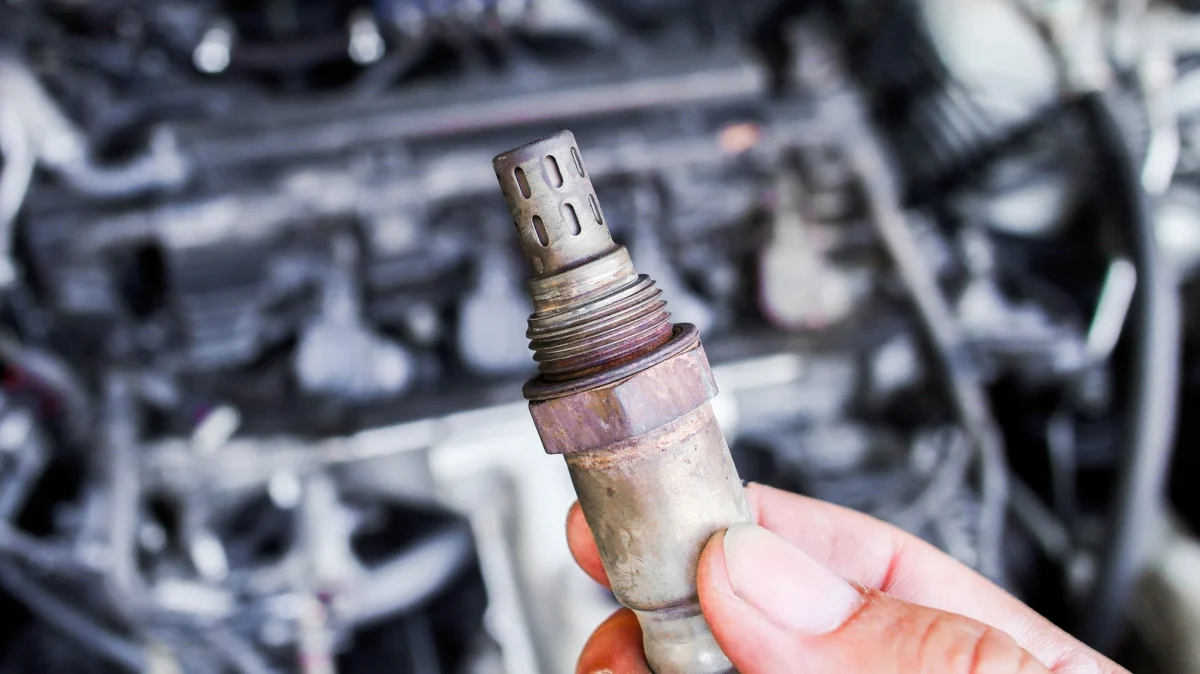
When motorists consider vehicle maintenance, their minds often drift toward the obvious: oil changes, tire rotations, and brake pad replacements. Yet, tucked away within the exhaust system lies one of the most critical components for modern engine health—the oxygen (O2) sensor. Though small, these devices act as the "eyes" of your vehicle’s engine management system, constantly monitoring the chemical composition of exhaust gases to ensure optimal performance. Ignoring them doesn’t just invite a dashboard warning light; it can lead to catastrophic damage to your catalytic converter and a significant dip in fuel efficiency.
Understanding when to replace your O2 sensors, what they actually do, and why the costs vary so wildly is essential for any responsible vehicle owner.
Main Facts: The Silent Sentinel of Combustion
At its core, the oxygen sensor’s job is deceptively simple: it measures the amount of unburned oxygen in the exhaust. By analyzing this data, the vehicle’s Powertrain Control Module (PCM) can determine if the engine is running "rich" (too much fuel) or "lean" (too much air).
The PCM uses this real-time feedback to adjust the fuel-injection timing and air-intake volume, ensuring the engine maintains the perfect stoichiometric ratio for clean, efficient combustion. When this sensor fails, the PCM loses its reference point. It often defaults to a "limp mode" or a pre-programmed fuel map that is rarely efficient, leading to increased emissions, sluggish acceleration, and a sharp decline in fuel economy.
Types of Sensors
Not all sensors are created equal. Modern vehicles utilize different technologies:
- Narrow-band Sensors: The traditional standard, these sensors provide a binary reading (either rich or lean) and are typically used to keep the air-fuel mixture hovering near the ideal ratio.
- Wide-band Sensors: Found in many modern, high-efficiency vehicles, these sensors provide a continuous, precise measurement of the air-fuel ratio across a wide spectrum. They allow the engine computer to make much finer adjustments, which is crucial for modern emission standards.
Chronology and Service Intervals: The Myth of the "Universal" Schedule
One of the greatest points of confusion for vehicle owners is the lack of a standardized service interval. Unlike an oil filter or a timing belt, which have clear mileage-based replacement schedules, O2 sensors are often categorized as "replace as needed."
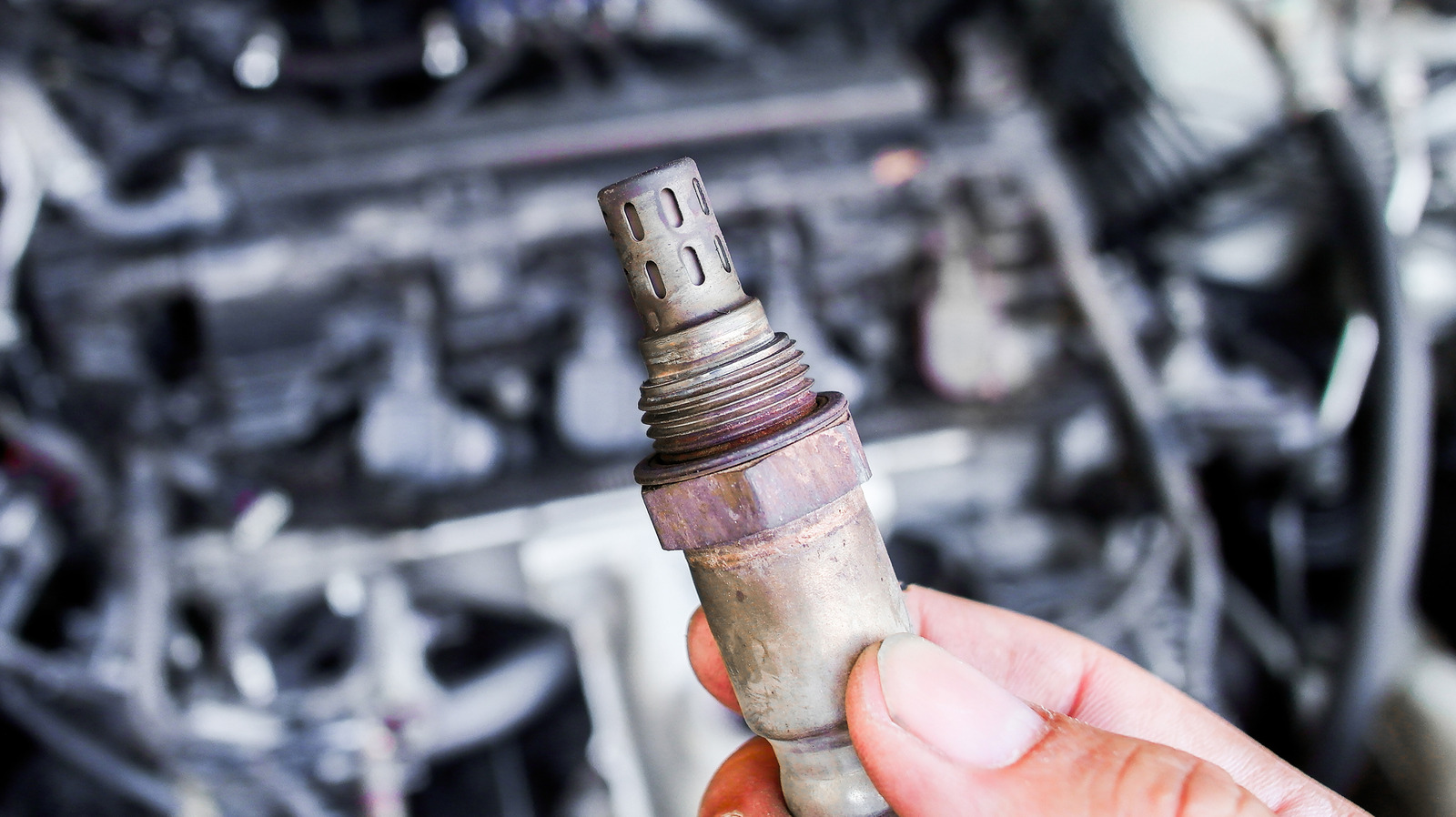
However, industry standards suggest a typical lifespan of 60,000 to 100,000 miles for standard sensors. Heated sensors, which reach operating temperature faster to reduce cold-start emissions, generally fall within this range. Newer wide-band sensors are more robust and may last upwards of 100,000 miles, but their complexity makes them more expensive to manufacture and replace.
Manufacturer-Specific Guidelines
The variance between automakers is significant. A review of service manuals reveals the following inconsistencies:
- Rolls-Royce: Suggests a more conservative replacement interval of approximately 150,000 miles, reflecting the premium components used in their luxury powerplants.
- Jaguar: Generally recommends replacement at 90,000-mile intervals to maintain peak performance and emissions compliance.
- Jeep: Provides highly specific documentation, noting that for 1987–2017 Wrangler models, the sensor should be replaced every 72,000 miles or 72 months, whichever comes first.
These variations exist because of differences in engine tuning, exhaust temperature profiles, and the specific materials used in the sensor’s ceramic element.
Supporting Data: Understanding the Cost Spectrum
Replacing an O2 sensor is rarely a "one size fits all" endeavor. The price you pay at the register is dictated by the vehicle’s make, model, year, and the specific technology of the sensor.
Price Breakdown
- Budget-Friendly Options: For older vehicles, such as a 2000 Ford Explorer, you can find high-quality aftermarket sensors ranging from $35 to $130.
- Mid-Range Replacements: Brands like Bosch provide standard narrow-band sensors for many domestic and import vehicles, often retailing under $50–$60.
- Premium and OEM Parts: GM Genuine Parts or specialized wide-band sensors for high-performance vehicles can cost between $150 and $400. For instance, a wide-band O2 sensor for a 2025 Toyota Camry SE represents the high end of the spectrum, reflecting the precision engineering required for modern, high-compression engines.
Pro-Tip: Always verify whether your vehicle requires an "upstream" or "downstream" sensor. The upstream sensor (located before the catalytic converter) is critical for engine performance, while the downstream sensor (located after the converter) is largely for environmental compliance. Replacing them incorrectly can lead to immediate engine codes and failed emissions testing.
Official Responses: The Mechanics of Failure
Why do these sensors fail? Manufacturers and automotive engineers agree that the primary cause of premature failure is contamination.
Common Failure Points
- Chemical Contamination: If your engine burns oil or suffers from a coolant leak, the chemical residue can coat the sensor’s tip. This "poisoning" blocks the sensor from reading the exhaust gases accurately.
- Misfires: If your ignition system is failing, unburned fuel enters the exhaust and burns inside the catalytic converter or against the sensor element. This heat spike can melt or crack the delicate ceramic structure inside the O2 sensor.
- Clogged Air Filters: A severely restricted air intake forces the engine to compensate for a lack of air, creating a rich mixture that puts excessive strain on the sensor’s calibration.
The "Pairing" Protocol
A common mistake among DIY mechanics is replacing only one sensor when a fault occurs. Because O2 sensors in the same bank are exposed to the same engine environment, they likely have similar levels of wear. If one has reached the end of its life, the other is likely not far behind. Always consult with a qualified technician, but as a rule of thumb, replacing sensors in pairs—especially on the same bank—ensures that the PCM receives uniform data, preventing the "check engine" light from popping back on shortly after the repair.
Implications: The High Cost of Neglect
Ignoring a faulty O2 sensor is a false economy. While you might save a few hundred dollars in the short term, the long-term implications are severe:
1. Catalytic Converter Failure
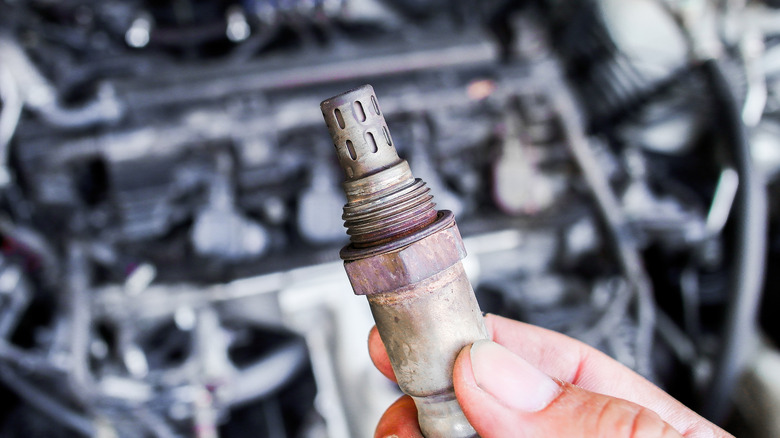
This is the most expensive consequence. The catalytic converter is designed to clean exhaust gases based on the precise air-fuel ratio maintained by the O2 sensor. If the sensor is providing bad data, the converter may overheat or become clogged with soot, leading to a repair bill that can easily exceed $1,000 to $2,000.
2. Diminished Fuel Economy
A faulty sensor often forces the engine to run "rich." This consumes more fuel than necessary, which will show up in your monthly budget as you visit the gas pump more frequently. Over 50,000 miles, the wasted fuel cost often far exceeds the cost of a new sensor.
3. Emissions and Legal Compliance
In many jurisdictions, a failed O2 sensor will trigger a permanent "Check Engine" light, which is an automatic fail for vehicle emissions testing. In some regions, failing to address emissions-related repairs can lead to fines or the inability to renew your vehicle registration.
4. Drivability Issues
Symptoms of a failing sensor include rough idling, stalling, and "stumbling" under load. These aren’t just annoyances; they indicate that your engine is struggling to maintain internal pressure and temperature balance, which can lead to accelerated wear on internal engine components like spark plugs and valves.
Conclusion: Taking Control of Your Vehicle’s Health
The oxygen sensor may not have the glamour of a turbocharged engine or the convenience of an infotainment system, but it is a critical component that dictates your vehicle’s efficiency and longevity. By staying aware of your mileage, keeping an eye on your dashboard for early warnings, and addressing oil or coolant leaks immediately, you can extend the life of your sensors and save thousands in avoided repairs.
When the time comes for replacement, prioritize high-quality OEM or reputable aftermarket parts. A few dollars saved on a generic sensor today can lead to a damaged catalytic converter tomorrow. Treat your O2 sensors with the respect they deserve, and your engine will reward you with years of smooth, efficient operation.











