

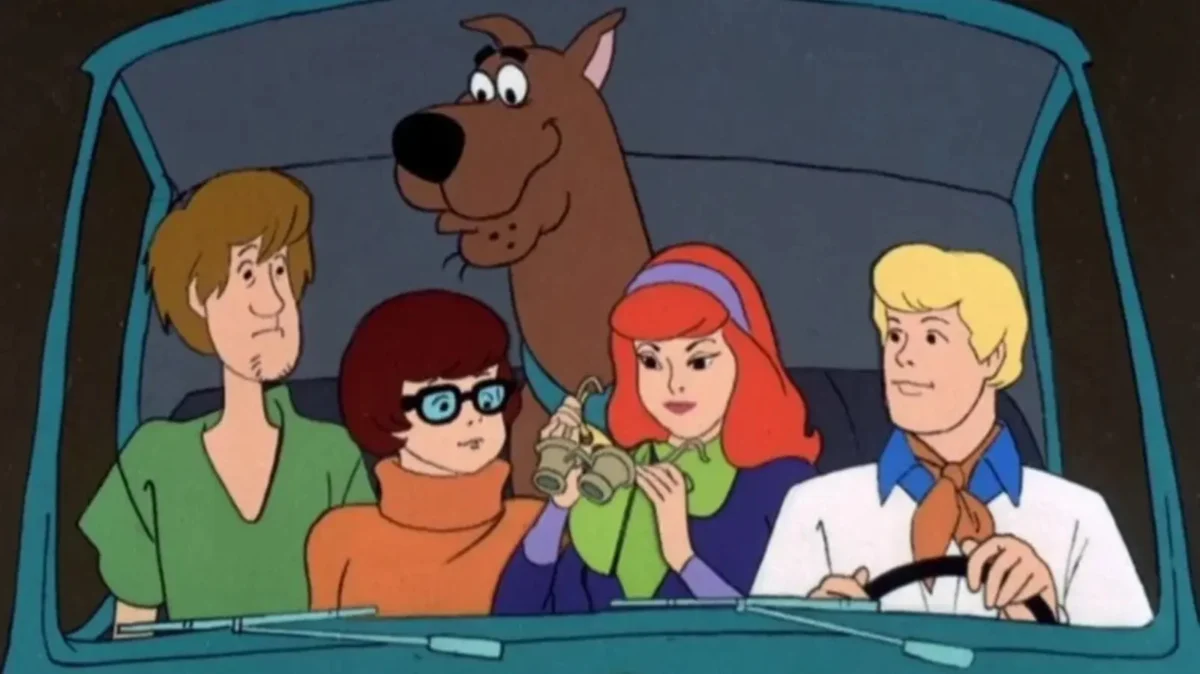
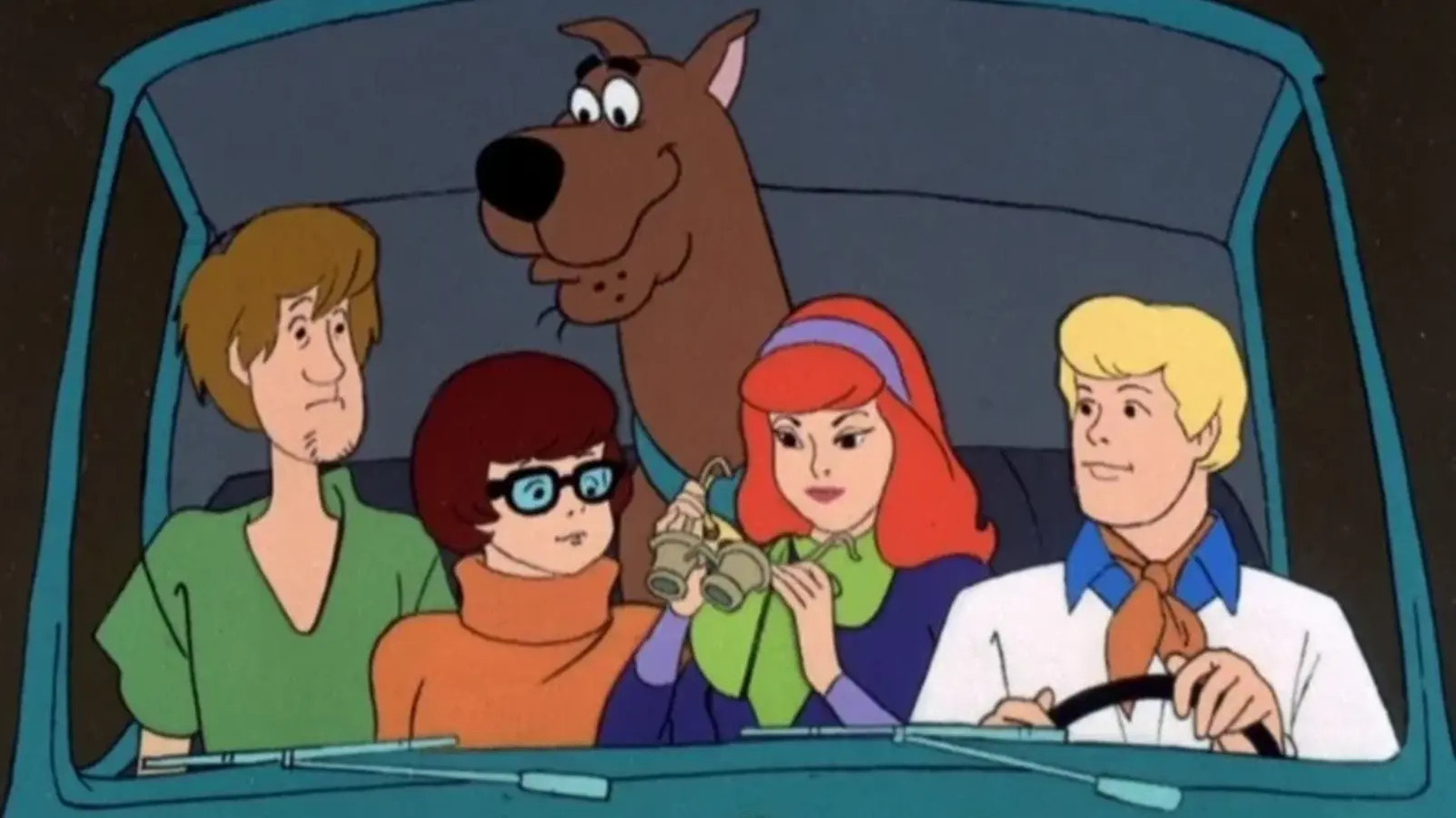
Since its debut on September 13, 1969, Scooby-Doo, Where Are You! has transcended the medium of Saturday morning television to become a permanent fixture of global pop culture. Produced by the legendary animation studio Hanna-Barbera, the series introduced audiences to the Mystery Inc. gang: the resourceful Fred Jones, the stylish Daphne Blake, the intellectual Velma Dinkley, the perpetually hungry Norville "Shaggy" Rogers, and their cowardly yet courageous Great Dane, Scooby-Doo.
While the franchise has evolved through dozens of iterations, spin-offs, and feature films, the foundation laid by the original voice cast remains the blueprint for the characters’ enduring appeal. As time marches on, the animation industry has mourned the loss of legendary performers like Don Messick (the original voice of Scooby-Doo), Casey Kasem (Shaggy), Pat Stevens (Velma in Season 3), and Heather North (Daphne in Seasons 2 and 3). However, a select group of the original core contributors remains with us today, carrying the torch of a legacy that spans over half a century.
The Evolution of a Cultural Phenomenon
To understand the weight of these performances, one must look at the context of the late 1960s. Scooby-Doo, Where Are You! was created by Joe Ruby and Ken Spears under the direction of Fred Silverman, then head of children’s programming at CBS. At a time when television networks were under pressure to reduce violent content in cartoons following the 1968 assassination of Robert F. Kennedy, Hanna-Barbera pivoted toward mystery and comedy.
The series ran for 41 episodes across three seasons. The first two seasons, airing between 1969 and 1970, established the core "formula": a group of teenagers traveling in a customized van (the Mystery Machine) to uncover supposedly supernatural threats, only to reveal that the "ghosts" were human criminals using elaborate disguises to cover their tracks. Season 3, which debuted in 1978, continued this tradition, cementing the show’s status as a Saturday morning staple. The show’s longevity is largely attributed to its "pliability"—its ability to adapt to changing comedic sensibilities while retaining the comfort of its core archetypes.
Frank Welker: The Architect of Animation Voices
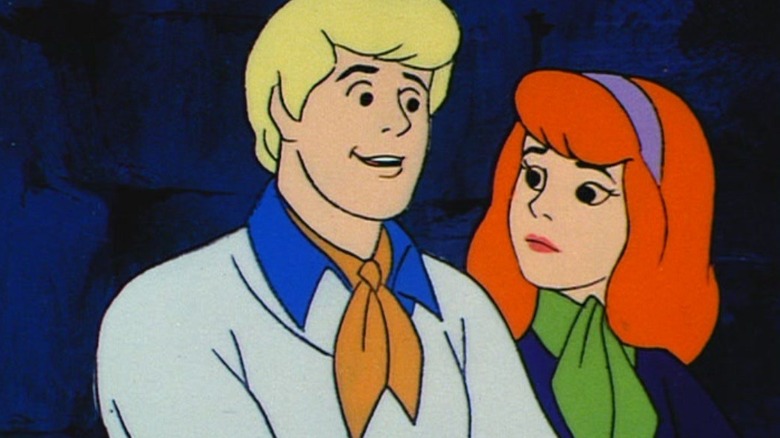
If there is one name that defines the soundscape of modern animation, it is Frank Welker. At the age of 23, Welker stepped into the role of Fred Jones, the ascot-wearing leader of the Mystery Inc. gang. His contribution to the series was not merely performance; it was the establishment of a vocal archetype for the "straight man" character in ensemble comedies.
A Career Defined by Versatility
Welker’s career is nothing short of astronomical in scope. By the mid-1970s, he had become the go-to voice for Hanna-Barbera, lending his pipes to icons like Dyno-Mutt and Jabberjaw. However, his work expanded far beyond human dialogue. Welker developed a specialized mastery of creature effects, providing the guttural, terrifying sounds for the title monster in 1983’s Cujo, the mischievous titular creatures in Gremlins, and the menacing vocalizations of the Xenomorphs in various media.
Taking Up the Mantle
Perhaps his most significant contribution to the Scooby-Doo mythos occurred in 1997 following the passing of the original Scooby-Doo voice actor, Don Messick. Welker took over the role of the Great Dane, a responsibility he has held with remarkable consistency for nearly three decades. This unique dual-role capacity—voicing both the human leader and the canine mascot—has made Welker the connective tissue between the 1969 original and the contemporary franchise. Today, at 80, he remains remarkably active, continuing to voice Fred in projects like Jellystone! and providing voices for the adult-oriented superhero series Invincible.
Indira Stefanianna: The Original Voice of Daphne Blake
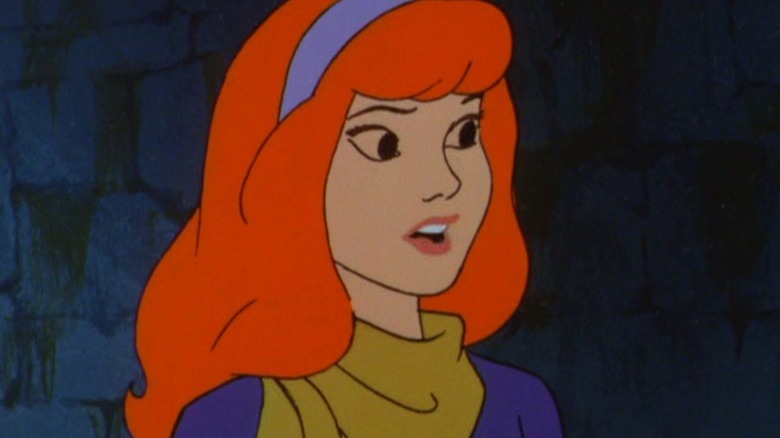
For the inaugural season of the show, the role of Daphne Blake—the group’s fashion-forward, often accident-prone investigator—was voiced by Indira Stefanianna Christopherson. Her performance helped define the character’s early identity as a "hip, groovy" teenager of the late 60s.
Beyond the Mystery Machine
Stefanianna’s departure after the first season allowed her to pursue a multifaceted career in both music and screen acting. Before joining the Scooby-Doo cast, she had already established herself as a television presence, appearing on game shows like The Dating Game and sitcoms such as Mayberry R.F.D. and Here Come the Brides.
Her career trajectory shifted significantly toward music and commercial work. She achieved notable success as a singer, most famously providing the vocals for the iconic AT&T "Reach Out and Touch Someone" advertising campaign, an achievement that earned her a prestigious Clio Award. Her voice also graced the closing credits of the cult sci-fi film Star Crystal (1986). Now 79, Stefanianna remains a beloved figure to animation historians who recognize her as the original voice who helped set the tone for one of animation’s most enduring heroines.
Nicole Jaffe: The Intellectual Backbone of the Gang
Velma Dinkley is arguably the most essential member of the Mystery Inc. gang; without her analytical mind, the "masked villains" would likely never be unmasked. Nicole Jaffe provided the voice for Velma during the show’s first two seasons, infusing the character with a blend of intelligence, skepticism, and dry wit.
A Pivot to the Industry
Jaffe’s career provides a fascinating study in the transition from performer to industry professional. After appearing in the 1969 Elvis Presley film The Trouble with Girls—a production that, in a serendipitous twist, also featured Frank Welker—Jaffe continued to work with Hanna-Barbera, reprising the role of Velma in several spin-offs and associated projects like Captain Caveman and the Teen Angels.
However, Jaffe eventually transitioned out of acting to pursue a high-profile career as a talent agent. For decades, she served as a powerhouse in the industry, representing creative talent and navigating the business side of Hollywood. Her legacy as a voice actor is so potent that she was called upon to reprise her role as Velma in the 2003 animated features Scooby-Doo! and the Legend of the Vampire and Scooby-Doo! and the Monster of Mexico. Her career path from screen star to elite agent represents a rare and successful evolution, proving that the intellectual prowess she brought to the role of Velma was a genuine reflection of her own professional acumen.
Implications for the Future of Voice Acting
The enduring presence of Welker, Stefanianna, and Jaffe serves as a reminder of the human labor behind the icons we grew up with. In an era increasingly dominated by discussions of Artificial Intelligence and synthetic vocal cloning, the history of Scooby-Doo, Where Are You! highlights the importance of the individual performer’s "signature."
The Preservation of Legacy
The fact that Frank Welker can still step into the recording booth today to voice Fred Jones is a testament to the longevity of professional voice actors. These artists do not merely "speak lines"; they inhabit a character’s soul, adapting their delivery to the technological shifts of the industry while maintaining the essence that audiences recognize.
The industry’s reliance on these veterans also suggests a "passing of the torch" model. As new generations of actors take on the roles of Shaggy or Daphne, they are frequently coached and mentored by those who established the roles decades ago. This creates a lineage of performance that is rare in other sectors of entertainment.
Conclusion
While the Mystery Machine continues to roll on through new episodes, modern reboots, and live-action adaptations, the voices of 1969 remain the bedrock of the Scooby-Doo universe. Frank Welker, Indira Stefanianna, and Nicole Jaffe represent more than just childhood nostalgia; they are the architects of a format that successfully bridged the gap between campy 60s television and modern long-form animation.
As we look back at the 41 episodes of Scooby-Doo, Where Are You!, we aren’t just celebrating a show; we are celebrating the people who made the mystery worth solving. Their contributions, both in the booth and in their professional lives outside of it, remain an integral part of television history. Whether through Welker’s unparalleled vocal range or the career paths carved by Stefanianna and Jaffe, these performers prove that while the villains in the masks may always be unmasked, the magic of their voices remains a permanent mystery we never want to solve.










