Jia Lissa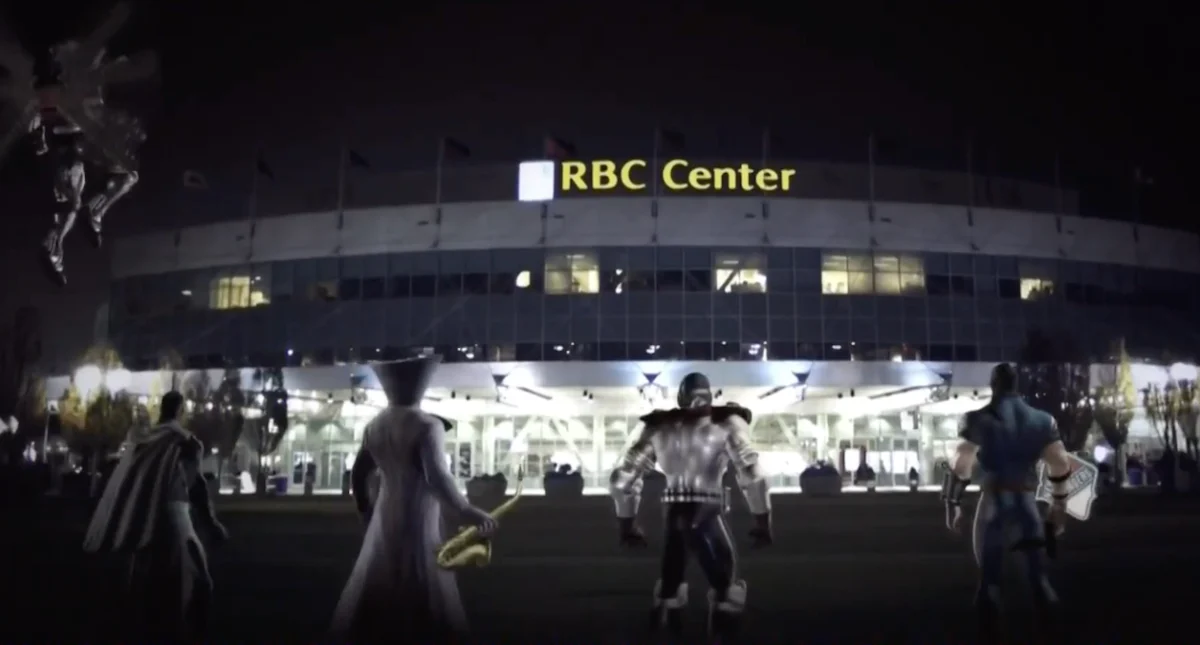
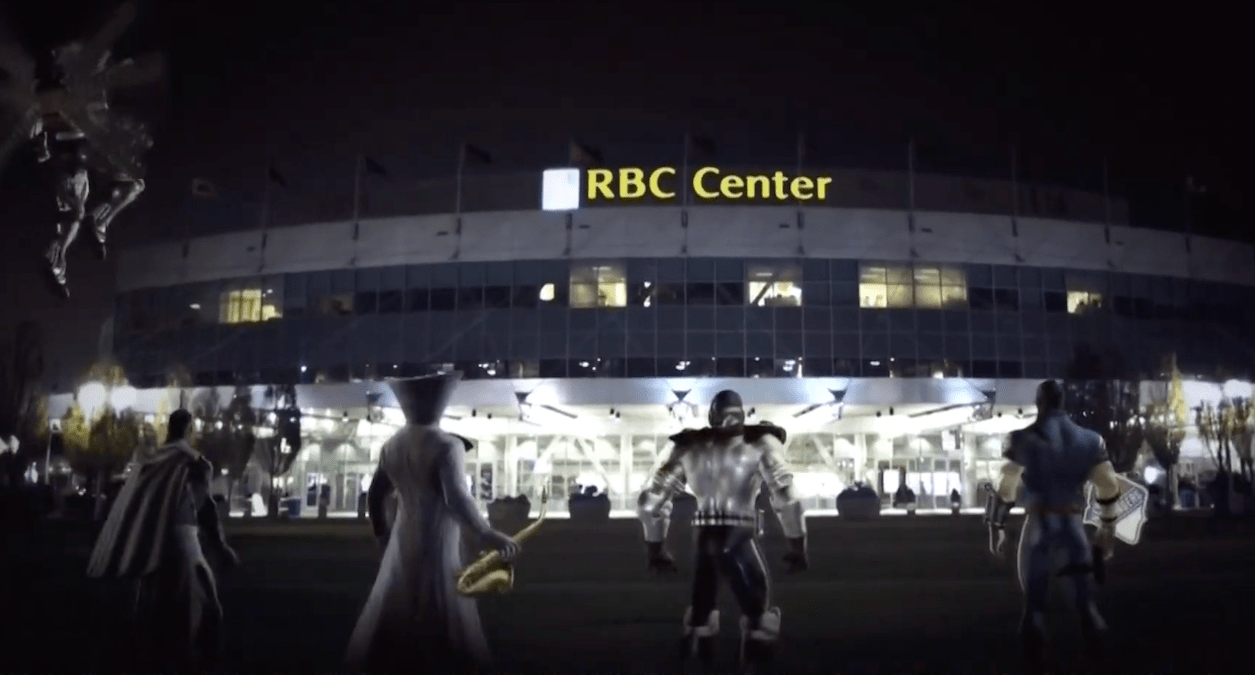
On January 30, 2011, the Raleigh Entertainment and Sports Arena—now known as the Lenovo Center—played host to the NHL All-Star Game. While fans were treated to the standard exhibition of high-speed hockey and skill competitions, they were also subjected to a bizarre, multimedia detour that has since been largely scrubbed from the collective memory of the sports world. During the game, the NHL unveiled the "Guardian Project," a collaborative effort between the league and the legendary Stan Lee to transform every one of the 30 existing NHL franchises into a costumed superhero.
What was intended to be a cross-promotional masterstroke designed to broaden the appeal of hockey among the comic-book-reading demographic instead became a cautionary tale of corporate synergy gone wrong. It was a spectacular failure that bored hockey purists and alienated comic fans alike, leaving behind a legacy that exists today only in the form of grainy YouTube uploads and a few dusty, overpriced graphic novels gathering dust in the back corners of eBay.
The Genesis of a Gimmick
The logic behind the project, at least on paper, appeared sound. The NHL, always eager to expand its reach beyond its traditional geographic strongholds, sought to capitalize on the rising cultural dominance of the superhero genre. Stan Lee, the architect of the Marvel Universe, was the industry’s most recognizable face. The concept was simple: take the existing team names—the Bruins, the Rangers, the Penguins—and translate their identities into literal avatars of power.
Stan Lee’s involvement was pitched as a "creative renaissance" for the NHL brand. However, the resulting designs suggested that Lee, or more likely a team of uncredited interns working under his banner, had simply engaged in a game of "copy-paste" with established archetypes. The 30 heroes were unveiled to great fanfare, complete with a CGI-laden video featuring the Guardians battling a nebulous, ethereal villain known as "Devin Dark."
Chronology of a Crash
The rollout was aggressive, yet hollow.
- The Announcement (2010): The NHL announces a partnership with Guardian Media Entertainment, promising a "league-wide superhero experience" to be integrated into the 2011 All-Star festivities.
- The Launch (January 2011): During the All-Star Game, the league airs a high-budget, low-engagement animation showing the Guardians in action. The crowd reaction was described by attendees as confused at best, and dismissive at worst.
- The Graphic Novel (2011): The Guardian Project Special Edition was released, featuring writing by industry veteran Chuck Dixon and art contributions from the legendary Neal Adams. Despite the pedigree, the book failed to move the needle.
- The Aftermath (2012–Present): Within a year, the project effectively vanished. As teams relocated (the Thrashers to Winnipeg) or rebranded, the static nature of the "Guardians" made them obsolete almost instantly.
The Aesthetic of Imitation
A deep dive into the character designs reveals the fundamental flaw of the project: a complete lack of originality. The NHL’s teams were essentially reduced to "power-set" caricatures of Marvel and DC icons.
The Pittsburgh Penguin, for instance, was depicted as a gritty vigilante capable of firing ice missiles—a direct, and arguably inferior, reimagining of X-Men’s Iceman, complete with a visor that mimicked Cyclops. Montreal’s "The Canadian" was a blatant pastiche of Iron Man, encased in a red and blue power suit that lacked the charm or thematic relevance of its predecessor.
Perhaps most egregious was the Arizona Coyote. In a move that stripped the character of any localized nuance, the design was essentially Wolverine wrapped in a trench coat. The Panther, representing the Florida franchise, attempted to lean into a Wakandan aesthetic years before Black Panther became a global cinematic juggernaut, but lacked the cultural depth, resulting in a design that felt derivative and tone-deaf.
Even the exceptions were jarring. The Columbus Blue Jacket was reimagined as a steam-powered, Civil War-era robot that felt more like a reject from a Go-Bots cartoon than a professional sports mascot. The Detroit Red Wing, meanwhile, incorporated literal wheels and pedals into a design that felt less like a superhero and more like a bicycle accident.
Behind the Scenes: The "Mike Mason" Lore
To provide a connective tissue for this disparate group of heroes, the creative team developed a "shared universe" lore. According to the graphic novel, these heroes were the manifestations of the imagination of Mike Mason, a teenager whose notebook sketches were brought to life.
While the concept of a "dreamer whose sketches come to life" is a classic trope in comic book history, its application here felt thin. By pinning the existence of these heroes on a fictional child, the project inadvertently highlighted its own artifice. It signaled to the audience that these were not organic extensions of the sport’s history, but rather a manufactured, "kid-focused" attempt to sell merchandise to a demographic that had already moved on to more sophisticated narratives.
Official Silence and Market Reality
The NHL has never officially issued a post-mortem on the Guardian Project. In the corporate world, the standard operating procedure for such an expensive flop is to bury it in silence. Unlike the XFL or the New Coke, there is no ironic cult following for the Guardians.
The lack of digital preservation is telling. Even in an age where the internet serves as a digital archive for every piece of pop culture detritus, the Guardian Project is conspicuously absent from most major streaming and comic-reader platforms. When items do appear on secondary markets, the prices are largely speculative; a copy of the special edition graphic novel currently listed for $5,000 on eBay is a testament not to its value, but to the absurdity of the collector’s market.
Implications for Future Sports Marketing
The failure of the Guardian Project provides a masterclass in why "synergy" is not a substitute for storytelling. The NHL attempted to force a narrative onto a sport that already possessed a rich, organic history. Hockey fans are notoriously protective of their traditions and team identities; by overlaying these teams with generic, corporate-approved "superhero" skins, the league effectively insulted the fan base’s intelligence.
Furthermore, the project highlighted the declining creative output of Stan Lee in his later years. While Lee remained a monumental figure in comic history, the Guardian Project showcased the dangers of attaching a legendary name to a project that lacked the input of foundational collaborators like Jack Kirby or Steve Ditko. Without the grounding influence of strong narrative architects, Lee’s pitchman persona resulted in content that was cloying, hollow, and ultimately, forgettable.
Conclusion: A Legacy of "What Were They Thinking?"
As we look back from the vantage point of 2026, the Guardian Project serves as a reminder that professional sports leagues are, at their core, entertainment businesses prone to bouts of desperate over-correction. The NHL, always fighting to be "the next big thing" in the American sports landscape, allowed its brand to be diluted by a project that had no roots in the rink.
The Stanley Cup Finals of the modern era—often filled with genuine drama, history, and organic heroics—stand in stark contrast to the manufactured spectacle of Devin Dark and his neon-clad antagonists. Today, the Guardian Project is little more than a trivia question for the most dedicated of hockey historians: a brief, confusing moment when the world of professional ice hockey tried to cross the streams with the world of comic books, and in doing so, created a void of entertainment that arguably remains unmatched in the history of sports marketing.
The lesson is clear: for a sport as fast, brutal, and storied as hockey, there is no need for artificial heroes. The legends are already on the ice.

 Asro
Asro
 Basiran