

By Ray Flook, Television Editor
Published May 30, 2026
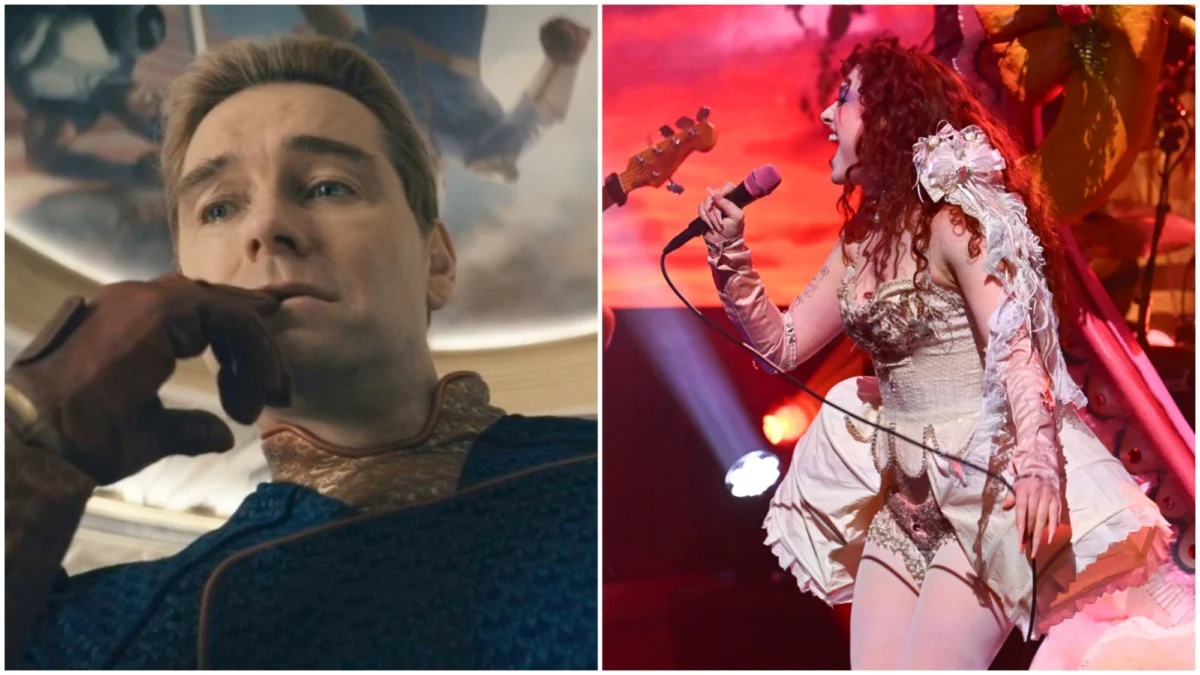
The dust has finally settled on the most chaotic chapter in modern history. Following the cataclysmic events that concluded the run of Prime Video’s The Boys, the world finds itself in the early, shaky dawn of a "post-Homelander" reality. As the global population processes the fall of the world’s most powerful—and most unstable—superhuman, the corporate architects at Vought International are moving with lightning speed to distance themselves from the carnage, effectively pivoting toward a new era of transparency, corporate restructuring, and, surprisingly, digital amnesty.
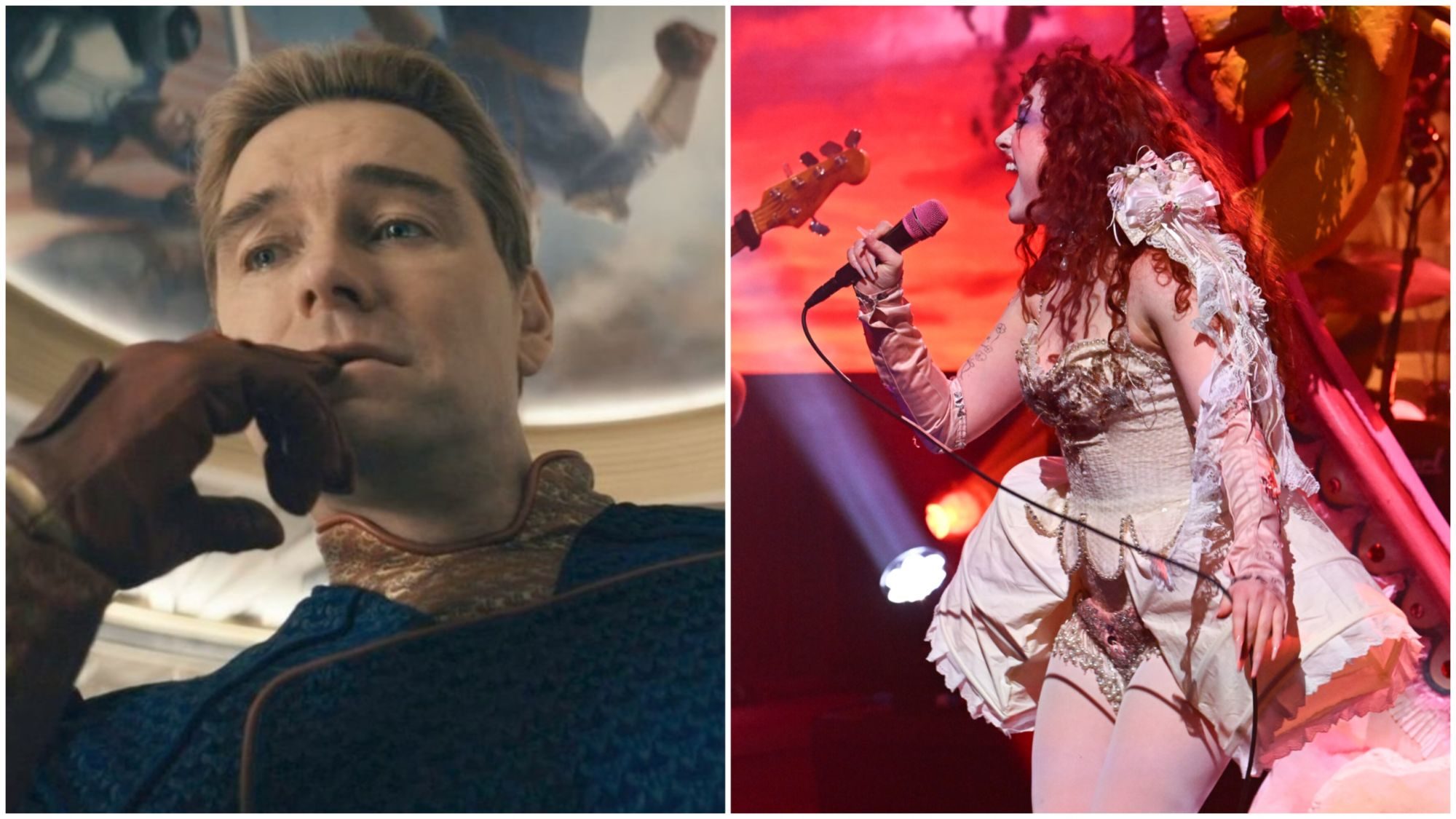
In a move that has sent shockwaves through social media, Vought has officially declared that the era of censorship regarding "Homelander memes" is over. For those who were silenced, penalized, or arrested for mocking the late "patriot," the path to redemption is clear: all previous records of seditious online activity are being expunged.
The Final Reckoning: A Chronology of the Collapse
To understand how we arrived at this moment of corporate contrition, one must look back at the harrowing events of the series finale, "Blood and Bone." The sequence of events that brought down the leader of The Seven was as brutal as it was inevitable.

The turning point occurred during a live, televised Easter broadcast. In a desperate, final stand, Butcher (Karl Urban) and Ryan (Cameron Crovetti) managed to neutralize Homelander’s god-like invulnerability just long enough for Kimiko (Karen Fukuhara) to unleash a concentrated burst of energy, mirroring the lethal capabilities once wielded by Soldier Boy.
With his defenses shattered, the once-invincible supe found himself at the mercy of his greatest adversary. The ensuing physical confrontation, captured in real-time by his own broadcast cameras, showcased a pathetic and desperate display. As Homelander attempted to barter his survival by offering increasingly depraved concessions to Butcher, the reality of his mortality set in. The conclusion was decisive: Butcher, using a common crowbar, ended the reign of the "savior" with a finality that left the world in shock.
The Resurrection of Stan Edgar: A Calculated Pivot
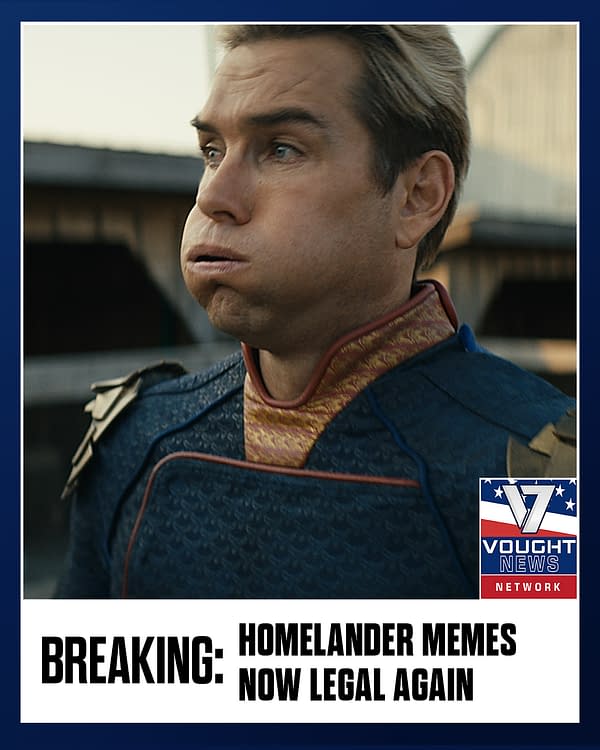
While the world reeled from the loss of its primary "hero," Vought International faced an existential crisis. The brand, built entirely around the image of Homelander, was suddenly synonymous with tyranny and mass murder. In a masterclass of corporate damage control, the board of directors turned to the only person capable of navigating such a disaster: the former CEO, Stan Edgar (Giancarlo Esposito).
Edgar’s return to the corner office was not merely a reinstatement; it was a rebranding. Utilizing a carefully crafted narrative, Edgar positioned himself as having been a "prisoner" of the very man he once managed. By painting himself as a victim of Homelander’s volatile ego, he effectively insulated himself from the legal and public relations fallout.

"Vought is currently undergoing a comprehensive internal audit," a company spokesperson stated shortly after Edgar’s return. "We are committed to full transparency, reviewing all mandates passed during the Homelander era, and, most importantly, righting the wrongs committed under his volatile tenure."
Official Responses and Corporate Transparency
The shift in Vought’s messaging has been abrupt. Within 48 hours of Edgar’s formal return to the helm, the company released a series of statements that seemed to signal a new, "kinder" face of the corporation.
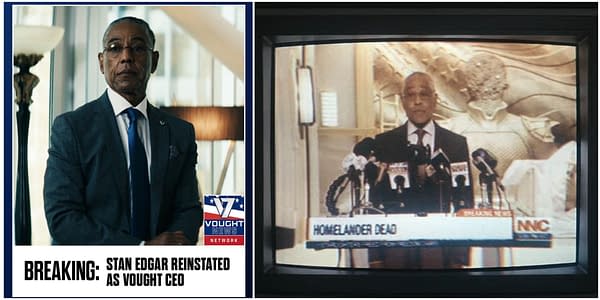
"Today, Vought can confirm that the footage from the Oval Office was authentic and not the product of AI or deepfake manipulation," the statement read. "Vought formally disavows Homelander’s seditious actions in the strongest possible terms. We are working closely with the CIA and federal authorities to ensure that such an abuse of power can never happen again."
The most tangible change for the average citizen, however, is the "Digital Amnesty" program. Under the previous regime, posting a critical meme or a joke at Homelander’s expense was treated as a federal crime, often leading to immediate detainment. Vought’s new directive, dubbed the "Clean Slate Initiative," ensures that anyone who was previously charged with "seditious online activity" will have their criminal records expunged.
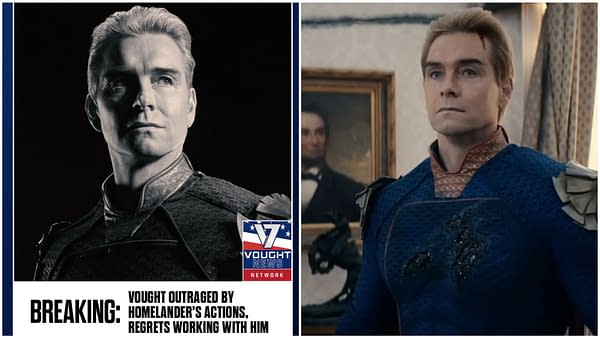
"We are entering a new dawn," Edgar noted in a recent, brief address to shareholders. "The era of fear is behind us. We are, first and foremost, a company dedicated to the American dream. And the American dream includes the right to express one’s opinion—even when it is critical of our supes."
Market Implications: Stocks and Sentiment
If the goal of this restructuring was to stabilize the company’s bottom line, it appears to be working. Wall Street has reacted with unprecedented enthusiasm to the news of Edgar’s leadership, with Vought’s stock prices reaching record highs within days of the announcement.

"Great news, shareholders," the company reported in an internal memo. "EBITDA margins are on the rise, and public sentiment is shifting back toward a positive outlook for the Vought brand. We are no longer defined by a single, failing asset, but by our resilience and our commitment to the future."
Financial analysts suggest that by distancing themselves from Homelander, Vought has successfully managed to offload the "liability" of his behavior onto the man himself, effectively cleaning the corporate ledger. By positioning the company as the "hero" that removed the threat, Edgar has managed to maintain the conglomerate’s grip on the global market, despite the massive ethical, legal, and political hits the company sustained during the finale’s fallout.

The Long Road to Normalcy: A New Reality
As the world adjusts to a post-Homelander landscape, the implications of this shift are profound. The "Vought Rising" initiative—the push to develop the next generation of supes under a more tightly controlled, transparent framework—is already being touted as the company’s next great venture.
However, skepticism remains. Activists and survivors of the Homelander era are wary of the "new" Vought, questioning how much of the current corporate contrition is genuine and how much is a calculated PR maneuver.

"We are watching," said a representative for a watchdog group that emerged during the final weeks of the conflict. "A corporate apology is one thing. True systemic change, where human life is valued over profit and market share, is entirely another. We aren’t just looking at the memes; we are looking at the policy."
Conclusion: The New Vought Era
For now, the people are free to post their memes, and the legal system is working to undo the damage of the last few years. But in the corridors of Vought International, the game has clearly changed. Stan Edgar has proven that while supes may rise and fall, the machine behind them is built to endure.

As we look toward the future, the question is not just what happens to the heroes, but what happens to the systems that created them. With the "Blood and Bone" chapter closed, the world remains in a state of fragile recovery, waiting to see if Vought’s promise of a "new dawn" will lead to a brighter future, or if it is simply the beginning of a different, more sophisticated kind of control.
Quick Summary of Key Developments:
- Legal Amnesty: The "Clean Slate Initiative" has been launched, clearing the criminal records of those arrested for anti-Homelander social media posts.
- Corporate Leadership: Stan Edgar has officially returned as CEO, utilizing a "hostage" narrative to distance himself from previous leadership failures.
- Market Growth: Despite the turmoil of the finale, Vought International reports that stock prices are at record highs, citing strong EBITDA margins.
- Public Relations: Vought has confirmed that the final, gruesome broadcast footage was authentic, officially disavowing the actions of its former star.
- Future Outlook: The company is currently pivoting toward its next phase, emphasizing "transparency" and "corporate responsibility" as it begins the next chapter of its global operations.










No comments yet. Be the first to join the conversation!