Ammar Sabilarrohman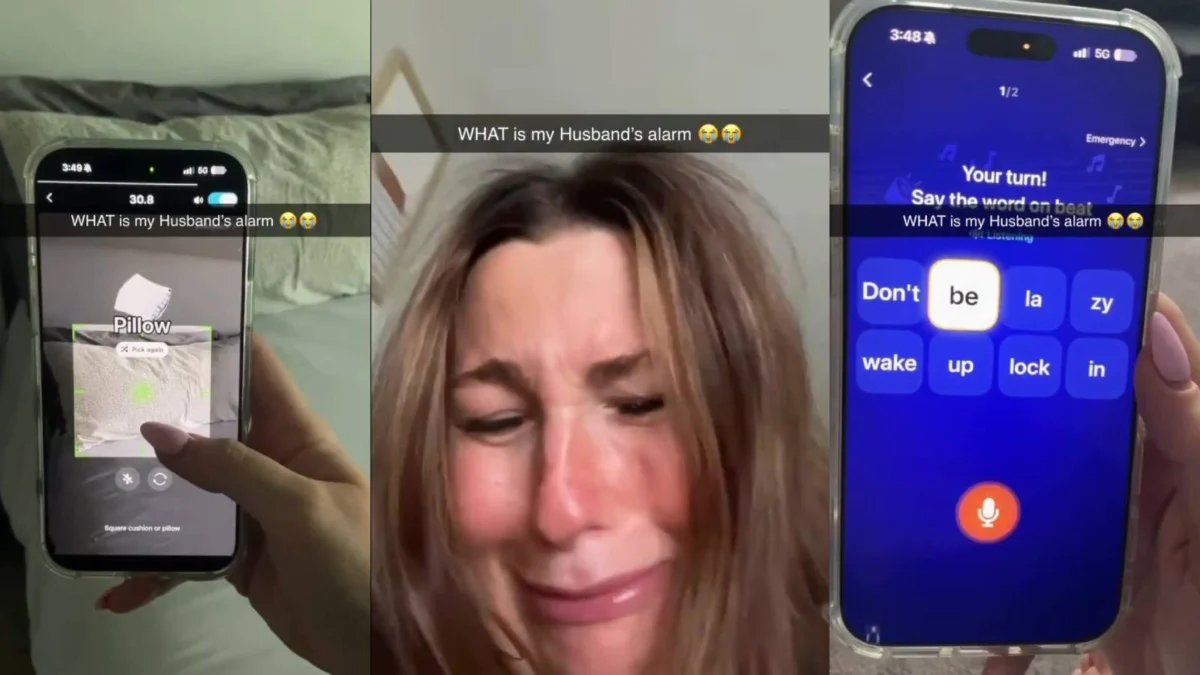
For the millions of people who struggle to drag themselves out of bed, the standard smartphone snooze button is a double-edged sword. It offers a fleeting sense of relief, yet it often leads to a frantic, late-arriving morning. Enter Alarmy, an application that has traded the gentle chimes of traditional alarm clocks for a gauntlet of cognitive and physical challenges. Recently thrust back into the global spotlight by a viral video, the app is sparking a heated debate: is it a revolutionary tool for productivity, or a psychological exercise in morning misery?
The Viral Catalyst: A Wake-Up Call Gone Global
The current wave of interest in Alarmy stems from a viral post by entrepreneur Roman Khaves, who shared a video on X (formerly Twitter) showcasing the app’s "mission" interface. The footage depicts a user desperately trying to quiet a relentless, high-decibel alarm while being forced to solve complex math problems and complete physical exercises.
To the casual observer, the scene is jarring. The user appears visibly flustered, moving from task to task as the app refuses to yield. The response online was immediate and visceral, with many viewers labeling the experience "digital torture." However, while critics see a dystopian intrusion into the sanctity of sleep, the app’s massive user base views it as a necessary evil. By gamifying the act of waking up, Alarmy has tapped into a demographic of "snooze-addicts" who have failed to find discipline through conventional means.
Chronology: From Niche Utility to Global Phenomenon
Alarmy did not emerge overnight. Its journey began as an answer to a specific, common problem: the "heavy sleeper" syndrome. The app’s developers sought to leverage the psychology of task completion to force the brain out of its sleep-inertia state.
Over the last several years, the app has evolved through various iterations, moving from simple, intrusive alarms to the complex, multi-layered system seen today. The app reached a significant milestone in late 2026, boasting over 50 million downloads on the Google Play Store. Its growth trajectory has been steady, fueled by word-of-mouth recommendations among students, shift workers, and professionals who find their own internal alarms insufficient.
Recent updates, including the September 18, 2026, patch, have further refined the app’s ability to "lock" the user out of their own device. By utilizing the Android Accessibility Service API, the developers ensured that the alarm screen remains the primary focus, preventing users from simply restarting their phones to kill the sound.
The Architecture of Aggression: How the Missions Work
The core philosophy of Alarmy is that the brain cannot return to sleep if it is actively engaged in problem-solving or physical exertion. The app offers a tiered hierarchy of "missions" designed to transition the user from REM sleep to full alertness:
Cognitive Tasks
- Math Problems: Users must solve arithmetic equations of varying difficulty levels. The app requires the correct answer before the alarm will silence.
- Memory Tests: A series of visual patterns or sequences that must be recalled accurately.
- Motivational Phrases: Users must type out specific affirmations, theoretically priming the brain for a positive start to the day—though many report that the act of typing at 6:00 AM is anything but meditative.
Physical and Environmental Missions
- The "Squat" Requirement: Using the phone’s sensors, the app counts the user’s squats, forcing them to stand and move their body.
- Photo Missions: Perhaps the most effective feature, this requires the user to photograph a specific object—such as a toothbrush, a specific kitchen appliance, or a book—in a different room. This forces the user to physically vacate the bedroom, making it significantly harder to crawl back under the covers.
- Barcode Scanning: Similar to the photo mission, this requires the user to find a pre-registered item, like a toothpaste tube or a food item, and scan its barcode.
Supporting Data and User Sentiment
The success of Alarmy is statistically undeniable. With a 4.6-star rating derived from over two million reviews on Google Play, the app has achieved a level of user retention that many productivity applications only dream of.
Data suggests that the "Wake Up Check" feature—which monitors if the user attempts to drift back to sleep shortly after the mission is completed—has been a major driver of positive feedback. When the app detects inactivity, it can trigger the alarm sequence again, effectively acting as a digital "drill sergeant."
However, the user experience is bifurcated. On one hand, you have the "Success Stories"—individuals who claim the app helped them pass university exams or keep their jobs by eliminating tardiness. On the other, you have the "Burnout" crowd, who argue that the stress induced by the alarm is a harmful way to begin the day, potentially spiking cortisol levels before the morning commute has even begun.
Official Responses and Developer Strategy
The developers behind Alarmy have maintained a pragmatic stance regarding the criticism. In their communications, they emphasize that the app is an opt-in solution to a problem of personal discipline. They do not view their system as "punitive," but rather as "proactive."
From a technical standpoint, the team has been transparent about their use of the Android Accessibility Service API. While some users might find it invasive that an app can "lock" a phone, the developers argue that this is the only way to ensure the software functions as intended for chronic over-sleepers. They have prioritized the app’s reliability, ensuring that even on devices with aggressive power-saving modes, the alarm remains persistent.
The Implications of Gamified Discipline
The viral nature of Alarmy invites a broader discussion about the intersection of technology, psychology, and the "hustle culture" that defines modern life.
Is Forced Productivity Sustainable?
There is a legitimate question as to whether external, forced interventions are sustainable in the long term. Sleep experts often emphasize the importance of sleep hygiene—maintaining a consistent schedule and creating a calming environment—rather than simply forcing oneself awake through stimuli. Alarmy addresses the symptom of oversleeping, but it does not address the cause, which is often underlying sleep deprivation or poor circadian rhythm management.
The Gamification of Life
Alarmy is part of a larger trend of gamifying mundane tasks. By turning waking up into a "game" to be won, the app makes the act of rising feel like a challenge. For a generation accustomed to the immediate feedback loops of social media and mobile gaming, this approach feels familiar. It is a transformation of the morning routine from a passive transition into a "mission" to be cleared.
The Ethics of Digital "Torture"
The label of "torture" used by social media commentators is hyperbolic, yet it touches on a real feeling of resentment. If an app makes a user hate the first five minutes of their day, what is the psychological toll? Some critics suggest that this method could foster a negative association with the start of the day, potentially leading to increased anxiety. Conversely, proponents argue that the feeling of accomplishment derived from completing a math problem while half-asleep provides a dopamine hit that helps jumpstart the brain.
Conclusion: A Necessary Evil or a Sign of the Times?
Alarmy stands as a testament to the fact that, in the digital age, we are increasingly willing to outsource our willpower to algorithms. We are no longer relying on internal discipline to get out of bed; we are relying on complex software to physically and cognitively force us to do so.
Whether Alarmy is a brilliant hack for the modern age or a sign that we have become too disconnected from our own natural rhythms, one thing is clear: it works. For millions, the "torture" of a barcode-scanning, squat-demanding alarm clock is a small price to pay to avoid the crushing consequences of being late. As the app continues to dominate the charts, it forces us to ask: have we lost the ability to wake up on our own, or have we finally found the perfect tool to conquer the snooze button once and for all?
As of late 2026, the debate continues to rage in the comments sections of viral videos and in the quiet of millions of bedrooms worldwide, as users weigh the benefits of a punctual morning against the cost of a slightly more stressful start to the day. For now, Alarmy remains the undisputed champion of the "wake-up war," proving that if you make the alternative hard enough, people will do almost anything to get out of bed.


 Asro
Asro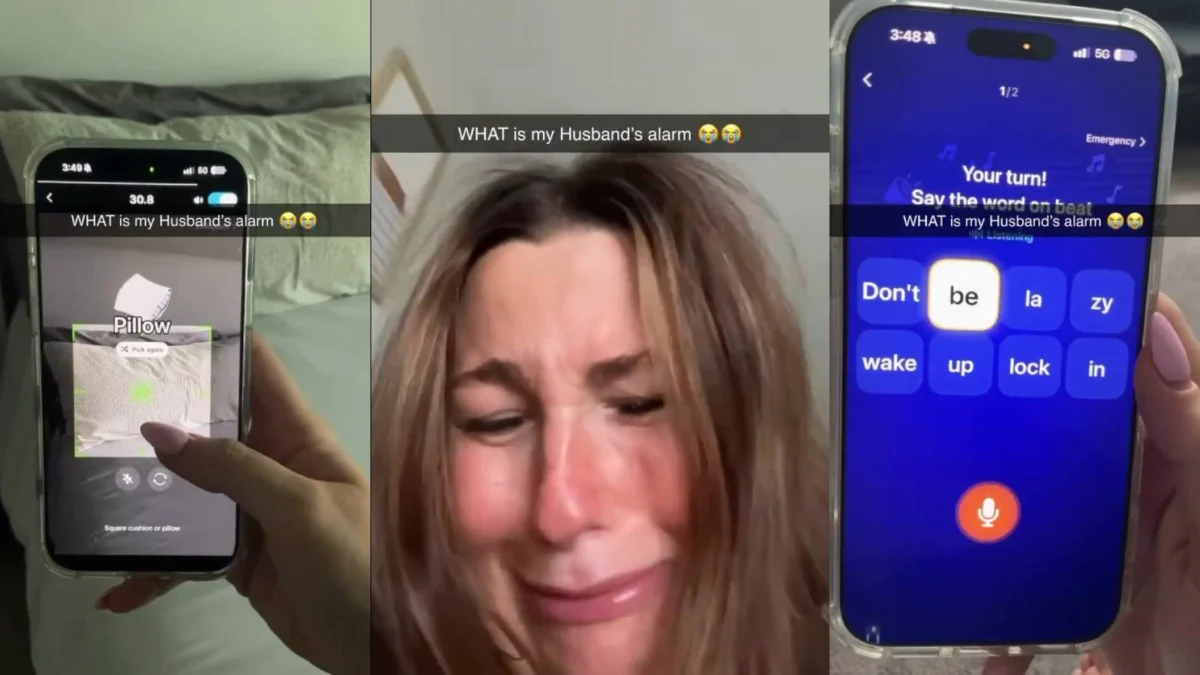
 Layla Zulfa