

This week in the role-playing game landscape is defined by a significant industry trend: the preservation and modernization of history. While the gaming calendar often oscillates between the excitement of fresh, untested intellectual properties and the steady drumbeat of sequels, this particular seven-day window is dominated by the art of the remake. From the expansion of VR horror staples to the high-profile porting of modern action-RPG masterpieces, developers are clearly prioritizing accessibility and nostalgia.
Whether you are looking to revisit the atmospheric dread of a 90s puzzle-horror classic, traverse the expanded world of a modern blockbuster, or dive into a bite-sized visual novel oasis, this week offers a diverse slate for the discerning RPG fan.
The Lineup: A Chronological Overview
The upcoming release schedule is a tightly packed affair, emphasizing both the diversity of the genre and the reach of modern multi-platform development.
- May 31st: Castle in the Sands (Windows)
- June 3rd: Final Fantasy VII Rebirth (Switch 2, Xbox Series X|S)
- June 4th: The 7th Guest Remake (PS5, Xbox Series X|S, Switch, Switch 2, Windows)
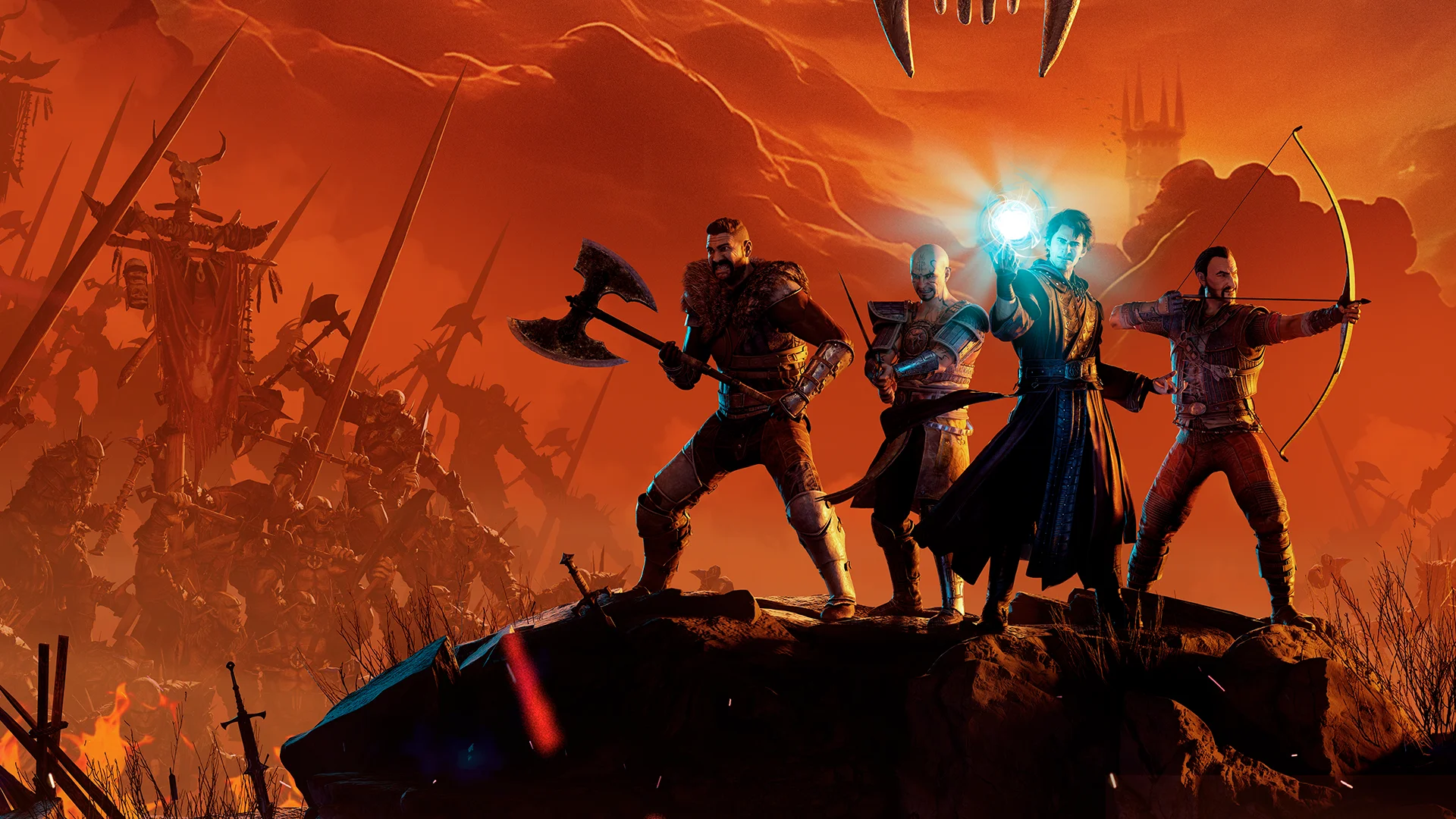
- June 5th: Gothic 1 Remake (PS5, Xbox Series X|S, Windows)
1. Castle in the Sands: A Pixel-Art Oasis
Release Date: May 31st | Platform: Windows
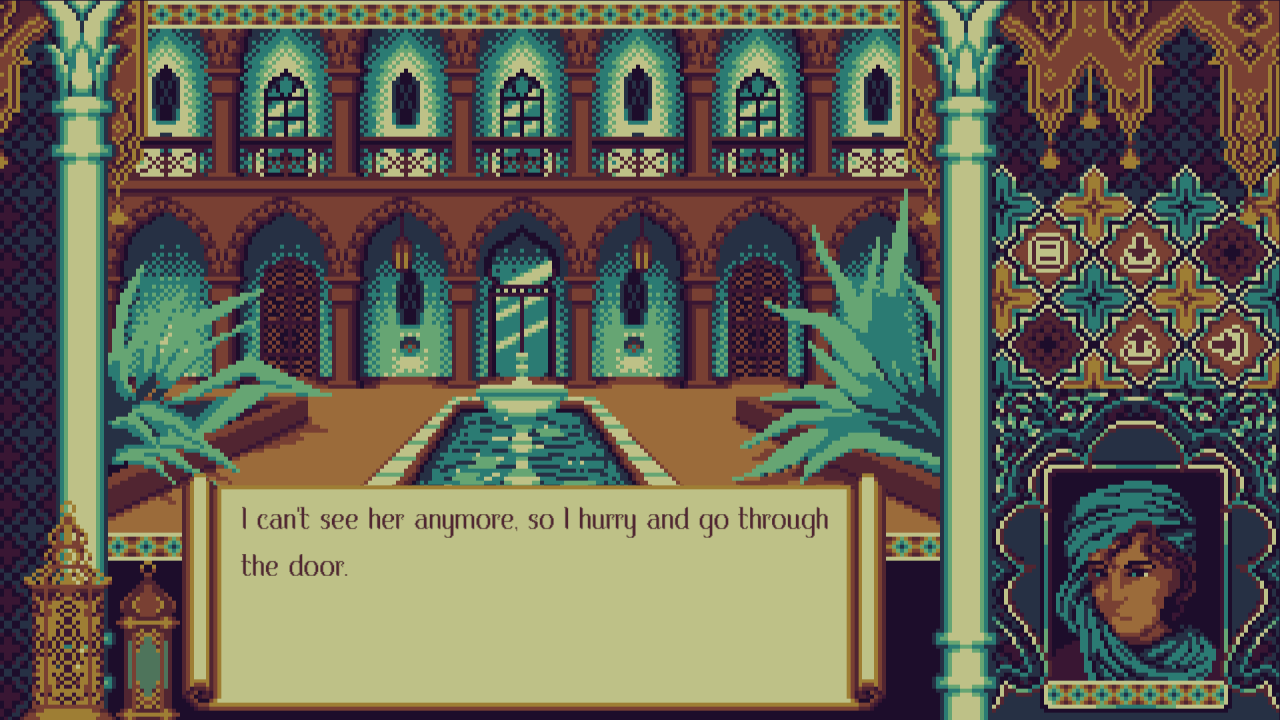
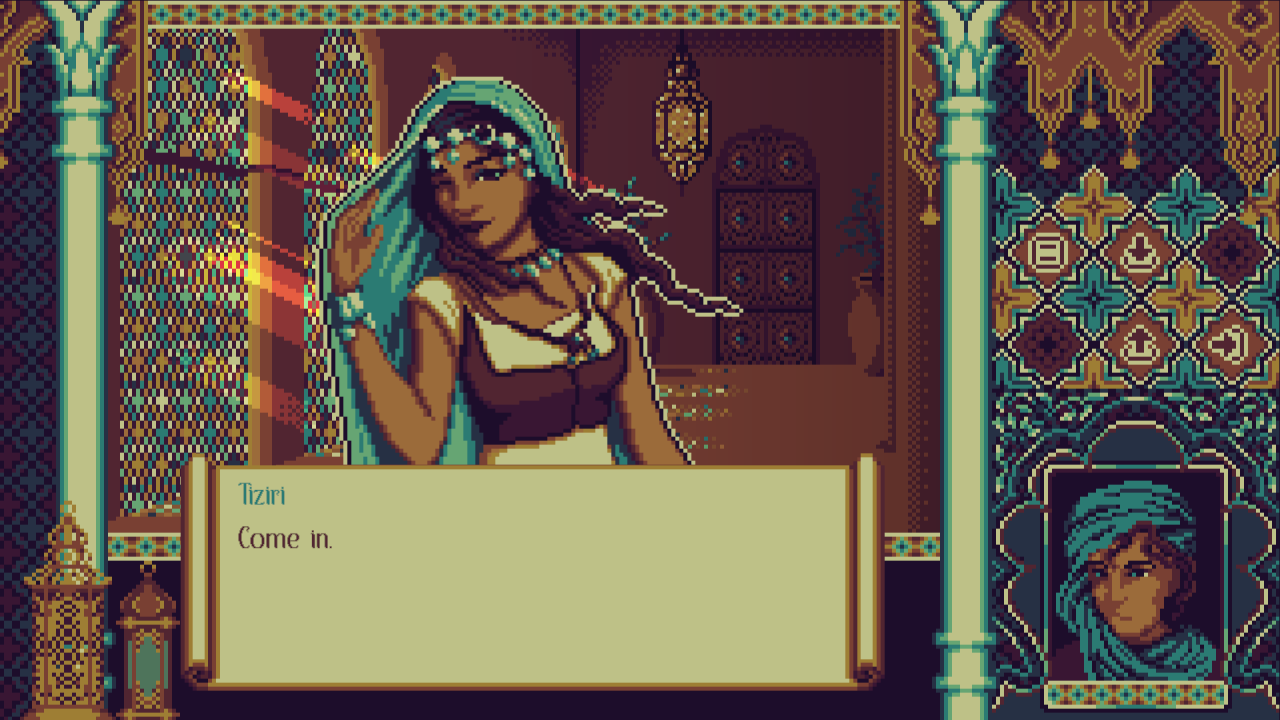
Breaking the trend of remakes, Castle in the Sands arrives as a refreshing visual novel that draws heavily from the rich tapestry of North African culture and the timeless storytelling traditions of One Thousand and One Nights.
Gameplay and Narrative Hooks
Players assume the mantle of a dedicated hunter on a desperate mission: securing medical salvation for an ailing younger brother. The journey leads to a secluded, decaying castle hidden deep within the shifting dunes. As the protagonist interacts with a mysterious young woman, the game shifts into a narrative puzzle of sorts. The core appeal lies in the discovery of the castle’s true purpose and the player’s ability to influence the outcome through branching narrative choices.
Design Philosophy
With a runtime estimated at two to three hours, the developers have focused on a "high-density" experience. By prioritizing emotional resonance over sheer length, Castle in the Sands aims to provide a tightly woven, satisfying conclusion to its three potential endings. Its aesthetic—a blend of detailed, evocative pixel art—serves to ground the magical elements of the setting, making it one of the most intriguing indie releases of the season.
2. Final Fantasy VII Rebirth: Expanding the Horizon
Release Date: June 3rd | Platforms: Switch 2, Xbox Series X|S
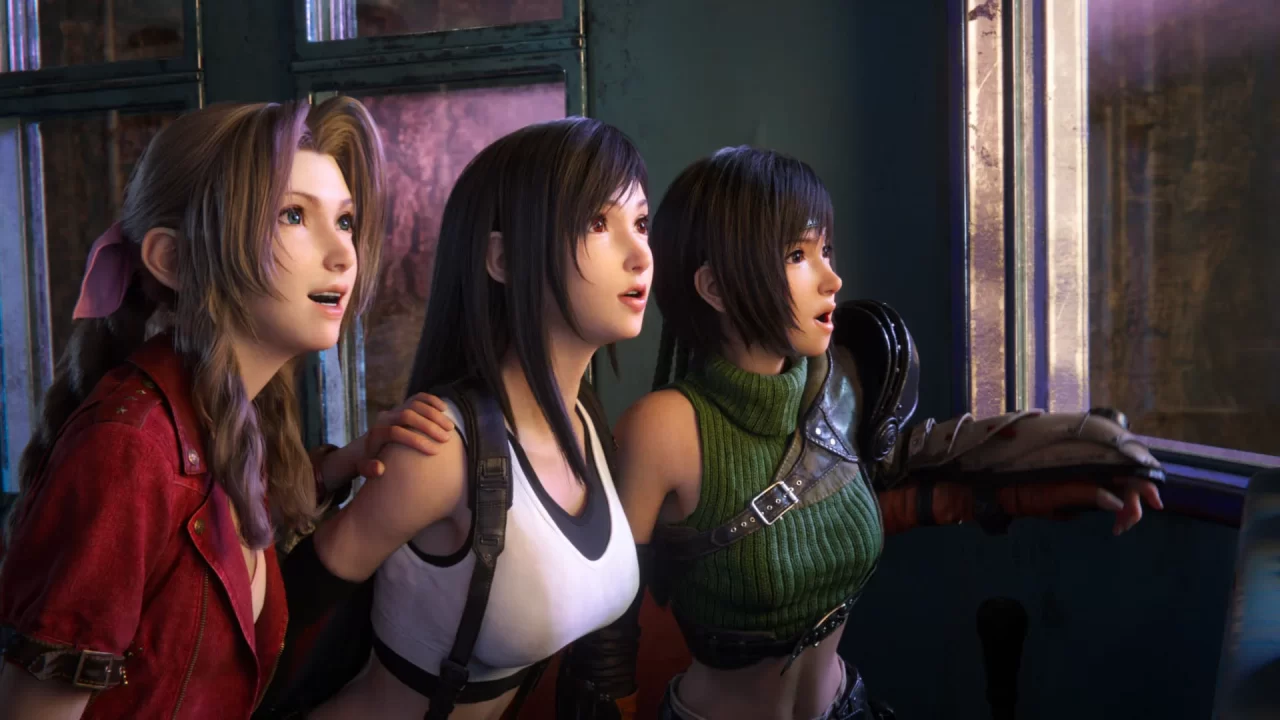
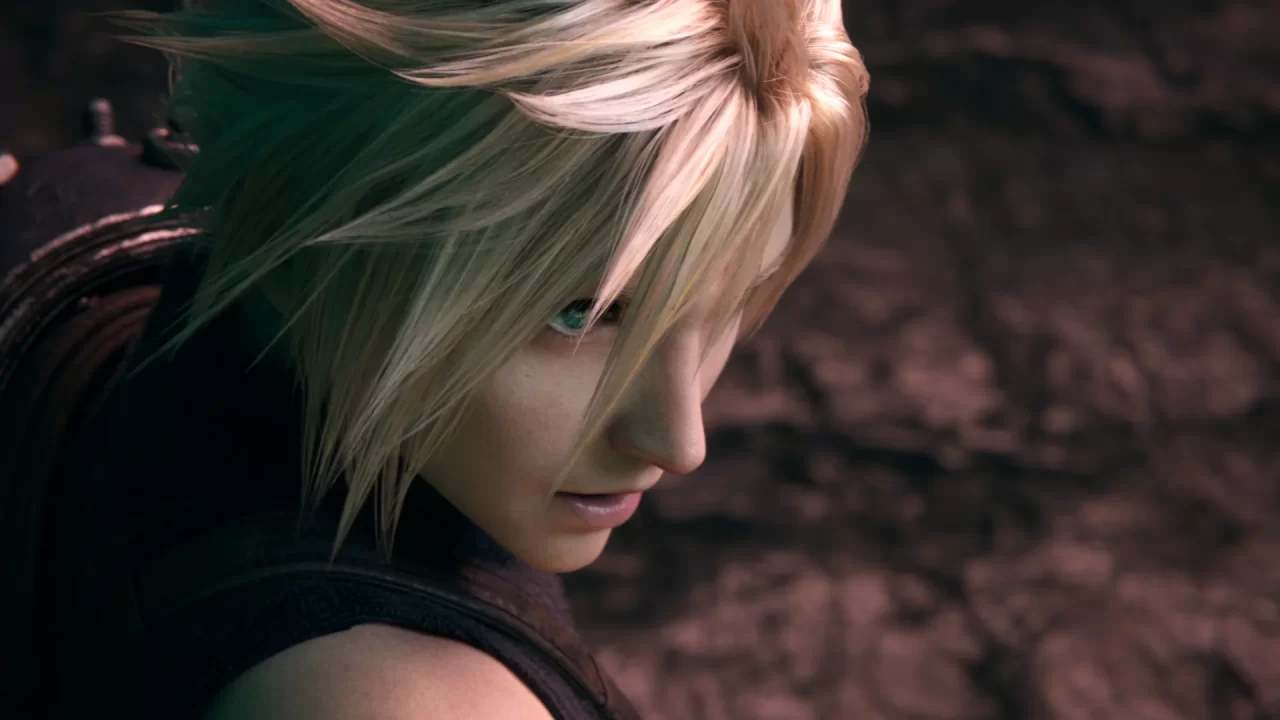
Perhaps the most significant release this week is the expanded availability of Final Fantasy VII Rebirth. After its period of exclusivity on the PlayStation 5 and a successful, if demanding, migration to portable hardware like the Steam Deck, Square Enix is pushing the title into the broader console market.
Technical Hurdles and Triumphs
The transition of Rebirth to the Nintendo Switch 2 and Xbox Series X|S represents a technical milestone. The FFVII Remake project is renowned for its high-fidelity visuals and dense, bustling environments. Translating this scope to hardware with varying performance profiles is a testament to the optimization work being done by the porting teams. For fans who have waited to play this on their platform of choice, the wait is officially over.
Impact on the Franchise
Rebirth serves as the crucial second act in the Remake trilogy. By opening the world map and moving beyond the confines of Midgar, the game introduces a wealth of side content, refined combat mechanics, and a deeper exploration of the cast’s personal arcs. The reception among critics and players alike has been stellar, solidifying its place as a modern action-RPG benchmark.
3. The 7th Guest Remake: Bringing Horror Home
Release Date: June 4th | Platforms: PS5, XBX, Switch, Switch 2, Windows
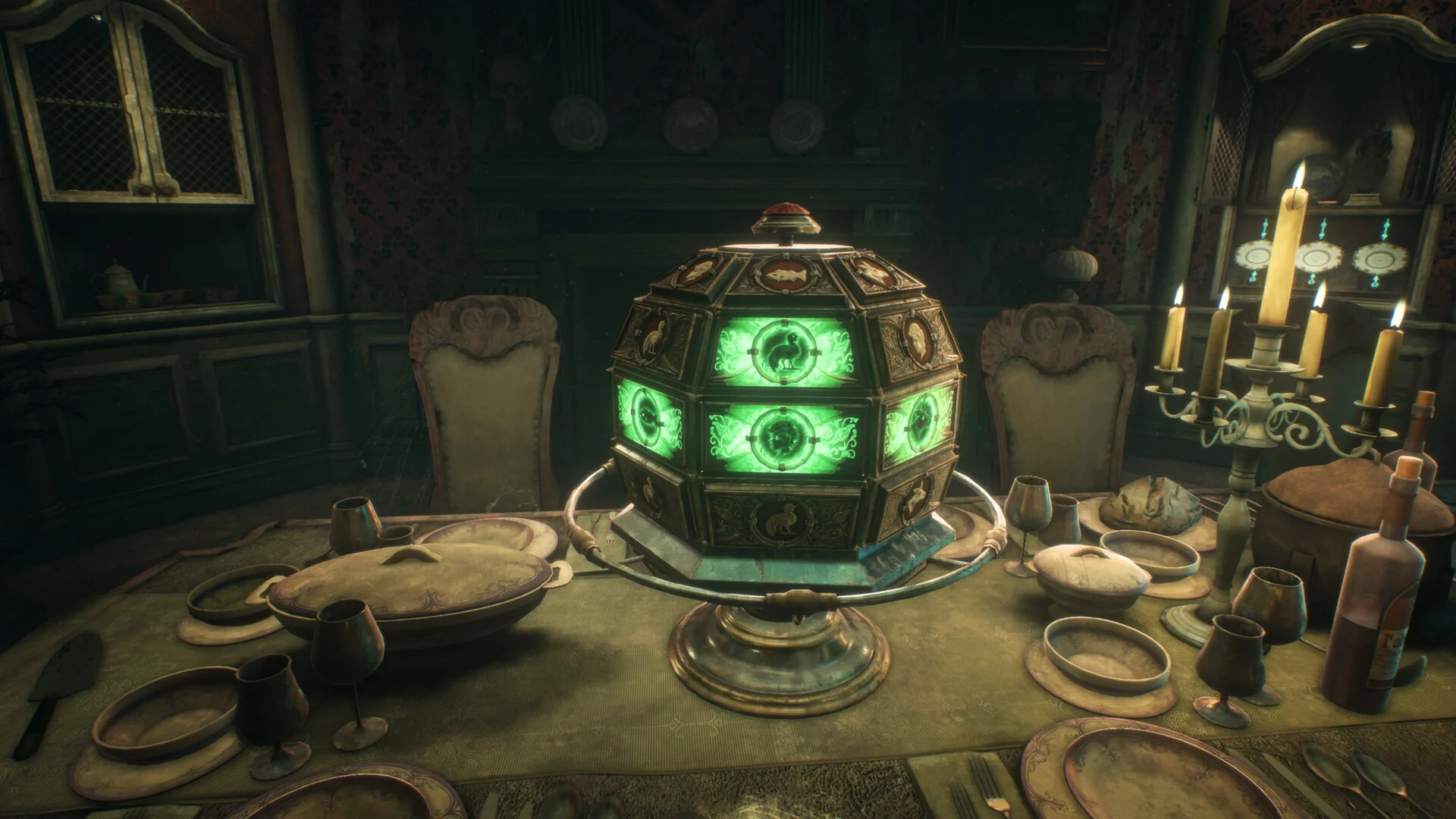
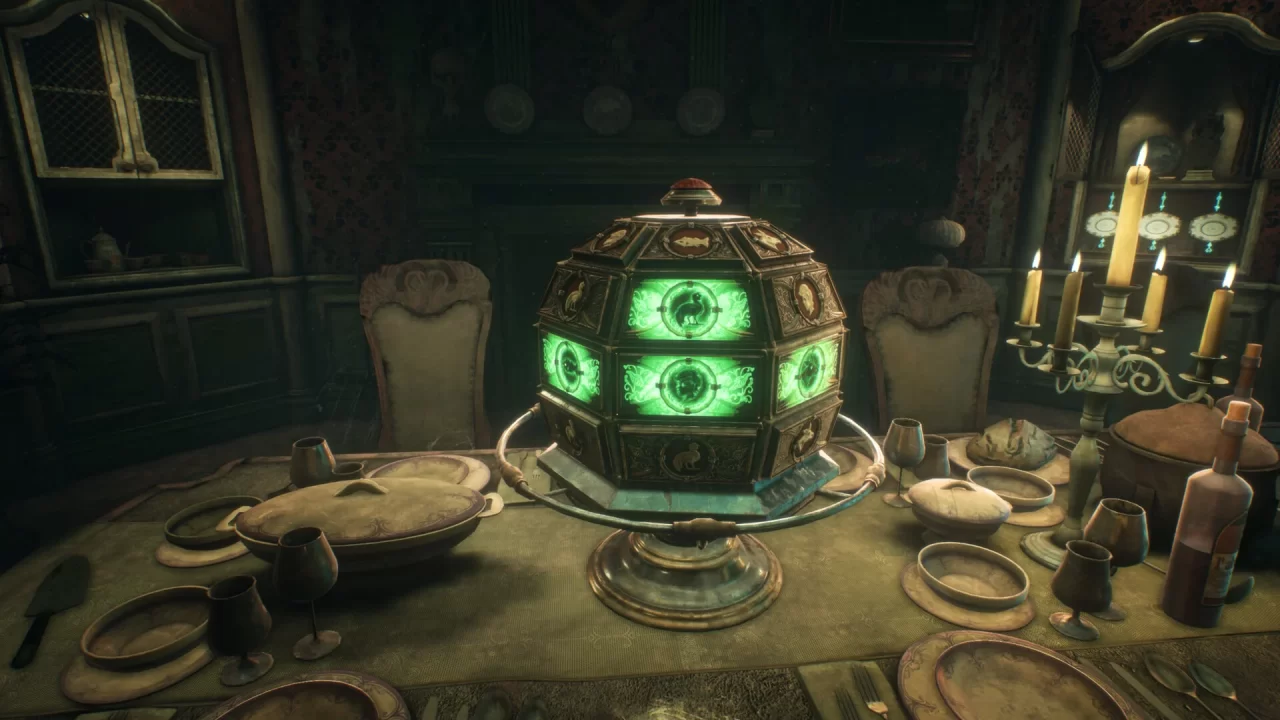
Originally released in 1993, The 7th Guest was a landmark title for the CD-ROM era, famous for its live-action video sequences and mind-bending puzzles. Following its successful jump into virtual reality in 2023, Vertigo Games is now delivering a full-featured, non-VR remake for traditional displays.
The Evolution of a Classic
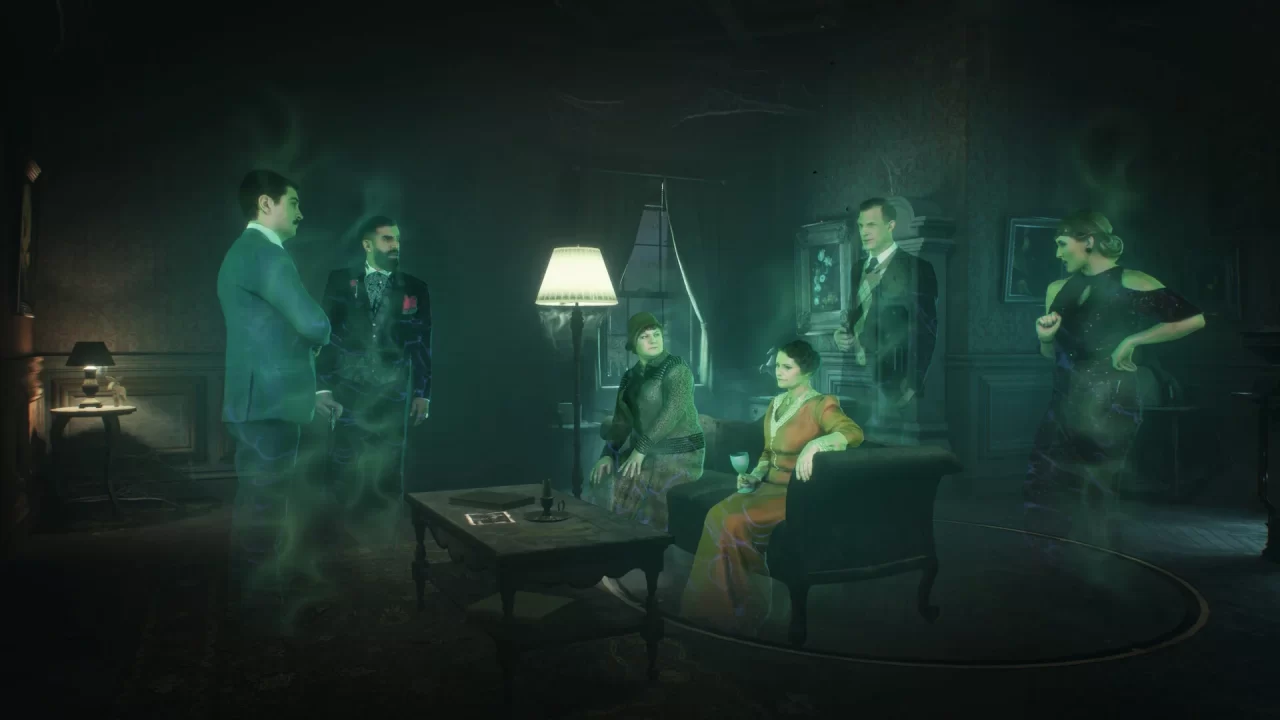
The remake updates the game’s visuals while maintaining the eerie, theatrical spirit of the original. Players explore an unsettling mansion, piecing together the history of a tragic haunting. The game’s structure remains reminiscent of the Myst era—slow-paced exploration punctuated by complex logical challenges—but with modern production values that make the spectral inhabitants feel more present and terrifying than ever.
Consumer-Friendly Incentives
Vertigo Games has taken a consumer-first approach with this release. By providing cross-access between the VR and non-VR versions for Steam users, they are removing the barrier to entry, allowing players to choose the immersion level that suits their playstyle.
4. Gothic 1 Remake: The "Eurojank" Legacy
Release Date: June 5th | Platforms: PS5, XBX, Windows
The Gothic series holds a legendary status in the RPG community. Often cited as the definitive example of "Eurojank"—a term of endearment for ambitious, complex, and occasionally unpolished European-developed RPGs—the original title is a cult classic.
Alkimia Interactive and the Burden of Expectation
Following the unfortunate closure of original developer Piranha Bytes, the mantle has been passed to Alkimia Interactive. This is a high-stakes transition; however, the development team includes veterans who were deeply involved in the modding scene for the original Gothic games. This suggests a deep, foundational understanding of what made the original special: the gritty atmosphere, the unforgiving difficulty, and the meaningful faction-based agency.
Scaling the World
THQ Nordic has confirmed that the remake’s map will be 10-30% larger than the original. While the 20% variance in that estimate has raised some eyebrows regarding the scope of the world-building, it reflects a commitment to enhancing the original’s density rather than merely creating a 1:1 graphical update. The result is a game that promises to preserve the soul of the 2001 classic while bringing its mechanics in line with modern expectations.
Industry Implications: Why Remakes Dominate
The prevalence of remakes this week signals several broader trends within the gaming industry:
- Preservation as a Product: Developers are increasingly viewing "remastering" and "remaking" not just as cash-grabs, but as essential preservation efforts. Games like The 7th Guest and Gothic were trapped by aging technology; updating them allows these stories to reach a generation that might otherwise ignore them due to technical friction.
- Platform Parity: As hardware cycles become more fluid, publishers are realizing that console exclusivity is a temporary lever. The move to bring Final Fantasy VII Rebirth to as many platforms as possible reflects a shift toward maximizing the lifetime value of high-budget AAA titles.
- The "Bridge" Strategy: For studios like Alkimia Interactive, remakes serve as a "bridge" project. By building on an existing, beloved foundation, new studios can establish their technical capabilities and earn community trust before attempting to launch entirely new intellectual properties.
Conclusion
As we look toward the remainder of the week, the sheer variety of these releases is striking. We are seeing the marriage of old-school design philosophies with modern accessibility. Whether it is the bite-sized narrative perfection of Castle in the Sands, the grand scope of Final Fantasy VII Rebirth, the haunting puzzle-solving of The 7th Guest, or the ambitious world-building of the Gothic 1 Remake, players have a unique opportunity to engage with the evolution of the RPG genre.
While some fans may mourn the loss of the original creators, the industry’s focus on these titles ensures that their legacies continue to thrive. It is an excellent week to be an RPG enthusiast—provided you have the time to tackle such a demanding schedule of high-quality experiences.









No comments yet. Be the first to join the conversation!