Nana Wu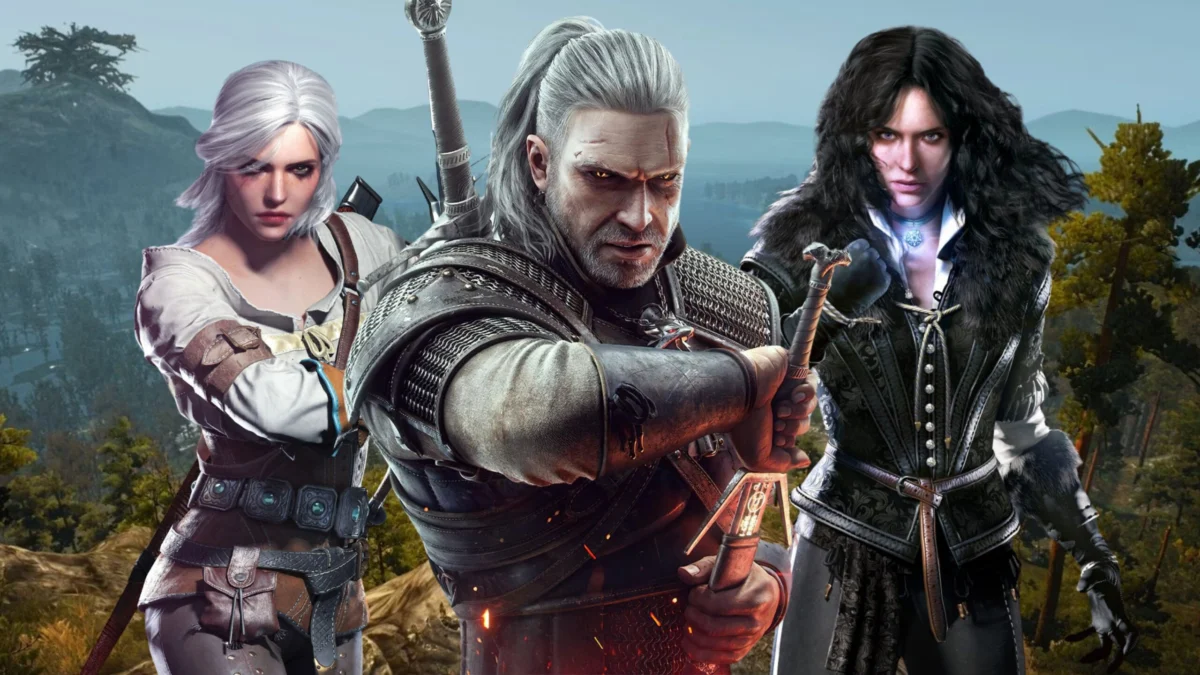
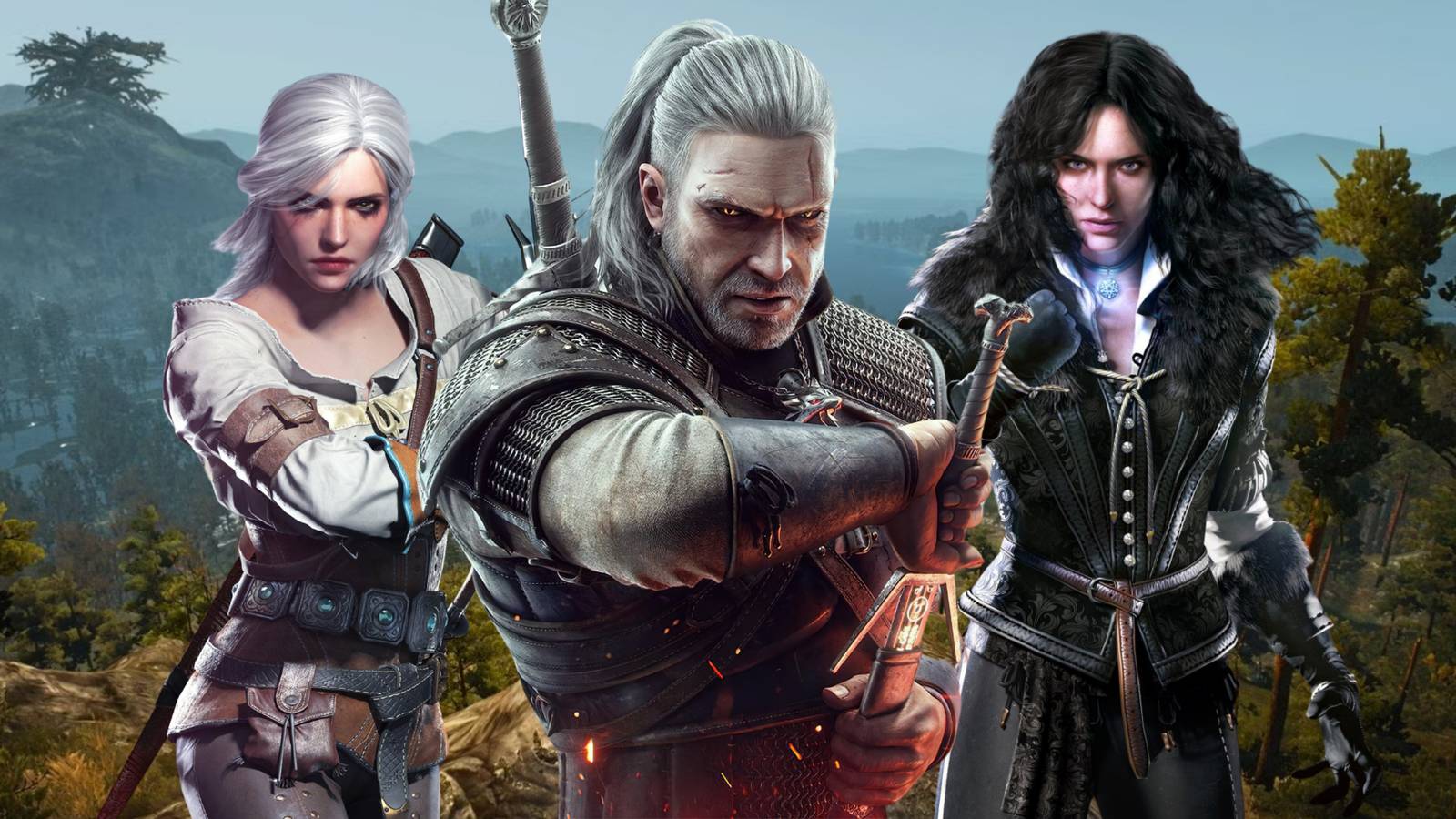
In the history of interactive entertainment, few titles have achieved the cultural ubiquity and critical reverence of CD Projekt Red’s The Witcher 3: Wild Hunt. Since its debut on May 19, 2015, the game has functioned as a watershed moment for the industry, effectively redefining the standards for narrative density, world-building, and player agency. By challenging the industry’s reliance on "checklist" design, The Witcher 3 proved that an open world could be both vast and intimate, forcing a paradigm shift that continues to influence the development of role-playing games (RPGs) to this day.
A Chronology of Impact: From Launch to Legacy
When The Witcher 3 first arrived, the landscape of open-world gaming was dominated by the expansive but often shallow sandboxes popularized by titles like The Elder Scrolls V: Skyrim. While players appreciated the freedom offered by those games, there was a growing desire for a world that felt lived-in and reactive rather than static.

- May 2015: The Witcher 3: Wild Hunt launches on PC, PlayStation 4, and Xbox One, immediately drawing praise for its mature storytelling and sprawling map.
- October 2015 – May 2016: The release of the Hearts of Stone and Blood and Wine expansions set a new benchmark for post-launch content, offering narrative depth that surpassed many full-length standalone games.
- 2019: The game arrives on the Nintendo Switch, proving the technical viability of bringing such a massive, complex world to portable hardware.
- 2022: The "Next-Gen" update arrives, introducing ray tracing and performance enhancements, cementing the game’s status as a perennial title that remains relevant over a decade after its initial inception.
The Pillars of Innovation: Why the World Matters
The success of The Witcher 3 was not merely a result of its graphical fidelity or the popularity of Andrzej Sapkowski’s source material; it was rooted in a fundamental shift in design philosophy.
1. A Reactive Open-World
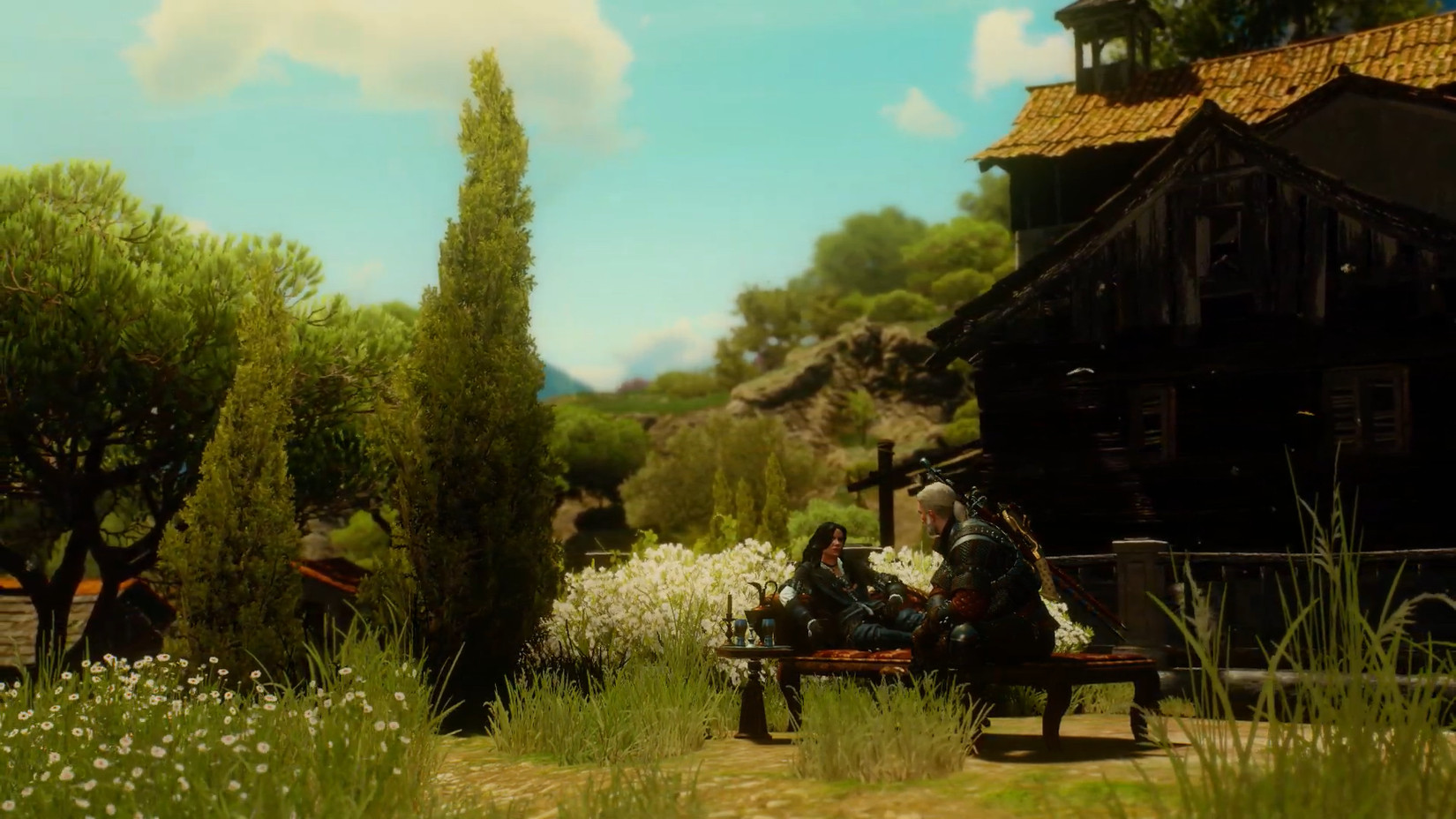
Unlike many games where the environment acts as a static backdrop, the world of The Witcher 3 is in a constant state of flux. Choices made by the player ripple outward. Returning to a village hours after completing a contract might reveal a settlement that has been decimated by the consequences of a decision, or perhaps one that has begun to rebuild under new leadership. This sense of causality—where NPCs react to the player’s deeds—created an unprecedented sense of immersion.
2. Side Quests as Narrative Anchors
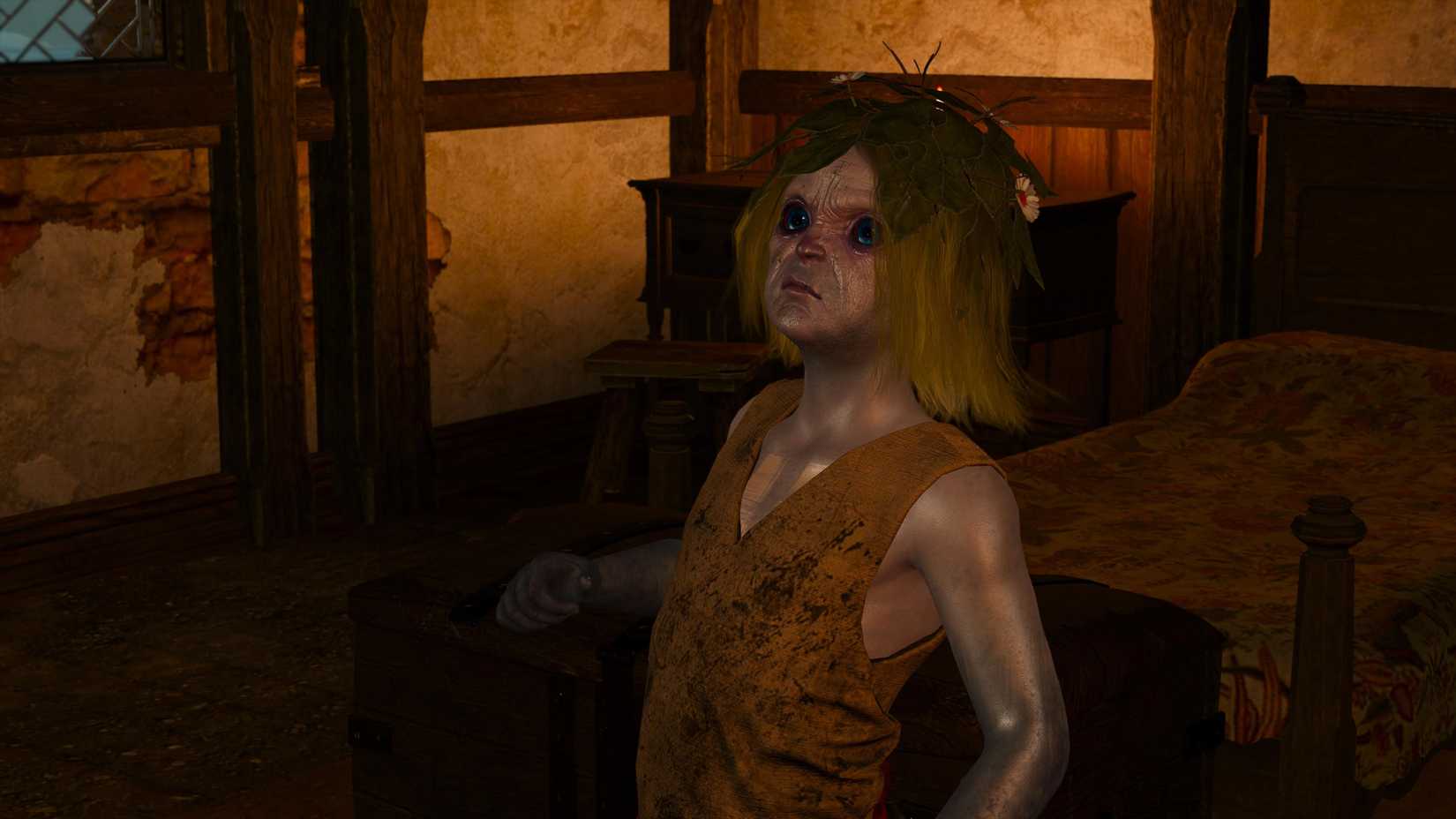
For years, the "side quest" was synonymous with "fetch quest." CD Projekt Red dismantled this trope by ensuring that every side mission possessed a distinct narrative arc. Whether it involves helping a ghost resolve a lingering attachment or investigating a grisly murder, these stories are never filler. They provide necessary context for the world’s grim socio-political climate, forcing players to grapple with the reality of living in a world defined by war and monster-induced terror.
3. Combat as Storytelling
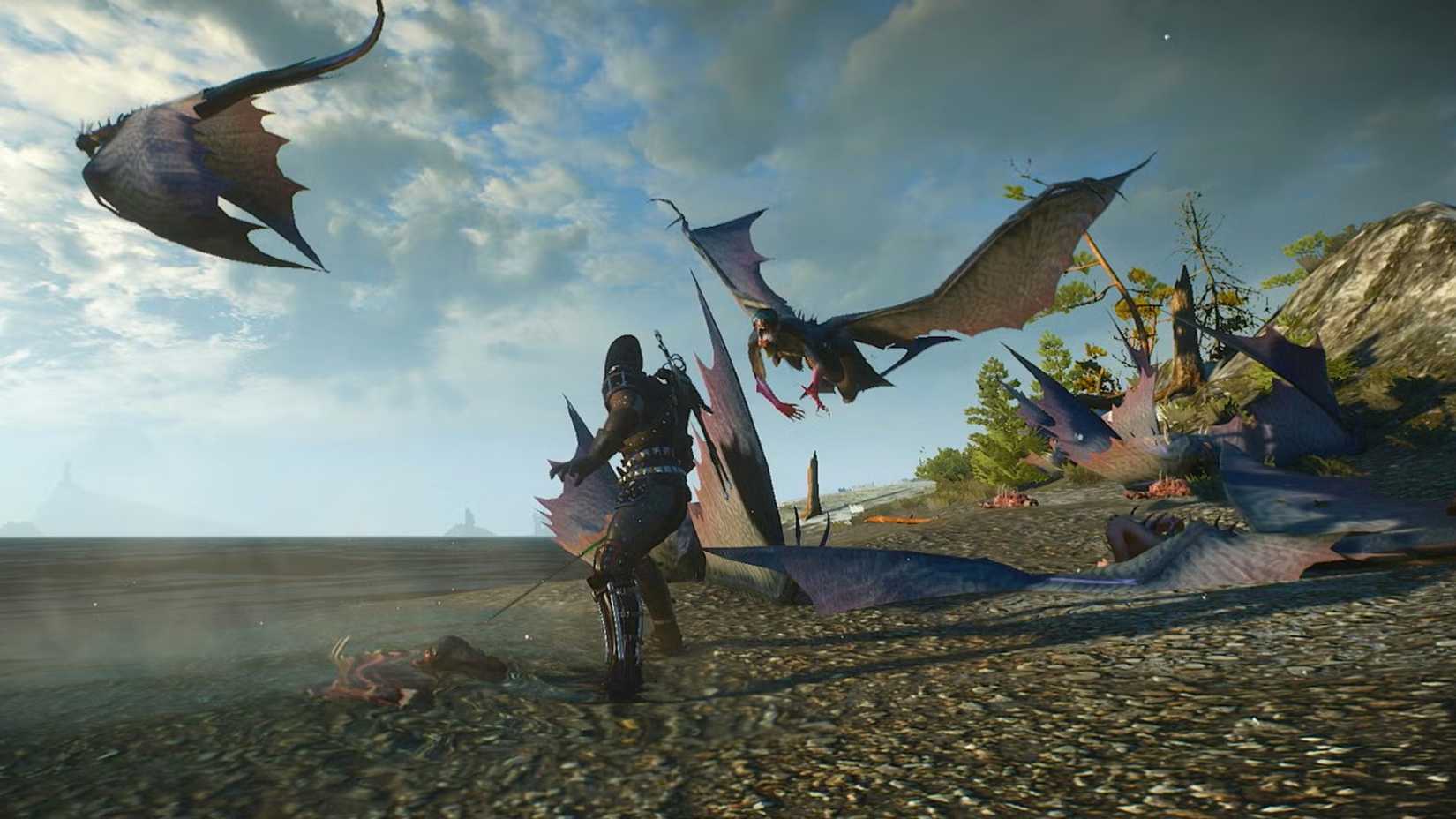
The mechanics of the game are inextricably linked to its lore. Geralt of Rivia is a professional, and the game treats his profession with gravity. The preparation phase—brewing potions, applying oils, and researching monster weaknesses—is not just a gameplay loop; it is a narrative device that defines what it means to be a Witcher. The distinction between "silver for monsters" and "steel for humans" serves as a constant, subtle reminder of the character’s place in society: an outsider with a specific, necessary, and often feared skillset.
Supporting Data: The Anatomy of a Masterpiece
The "feel" of The Witcher 3 is supported by meticulous design choices that respect the player’s intelligence.
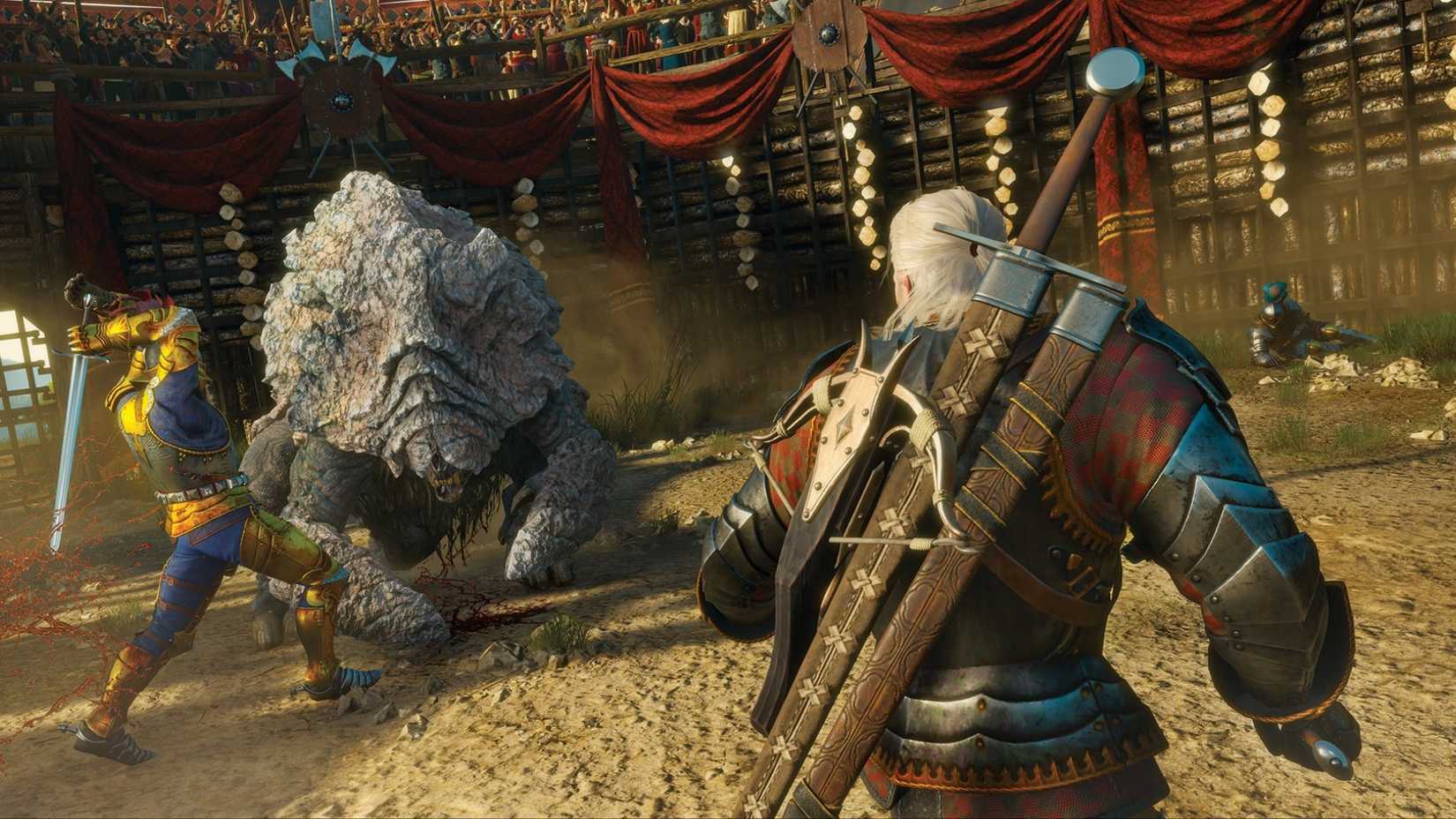
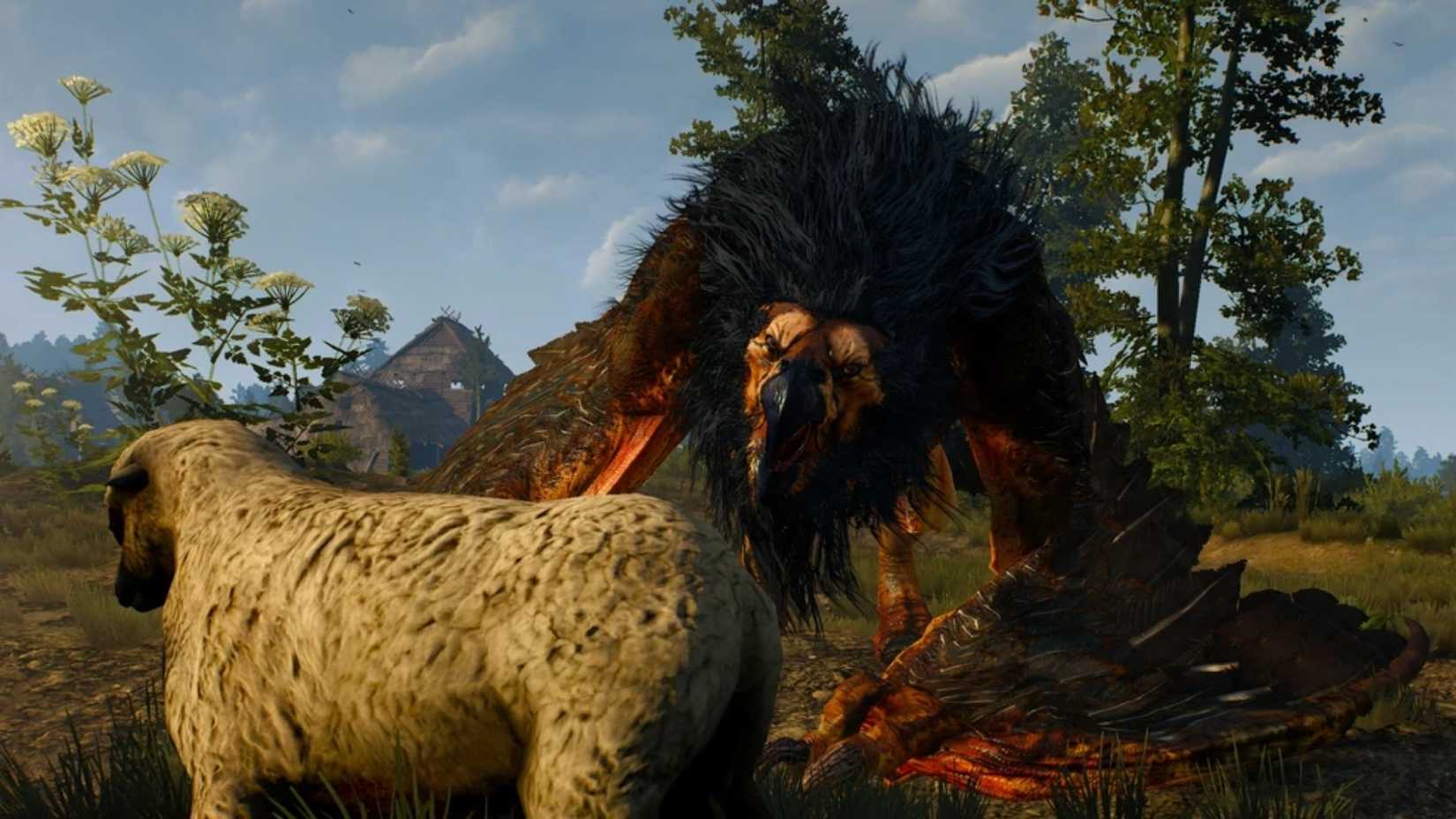
- Monster Ecology: Each creature in the game is integrated into the environment. They have habitats, behaviors, and roles in the food chain. This creates a cohesive world where the player feels like an intruder in a functioning ecosystem, rather than a player walking through a digital zoo.
- The Absence of Morality Bars: Many RPGs rely on a "Good/Evil" or "Paragon/Renegade" meter to guide player choices. The Witcher 3 famously rejects this. There is no visual indicator telling the player if they are "doing the right thing." Instead, the game forces players to live with the consequences of their actions in a world where "right" and "wrong" are often luxury concepts for those not struggling to survive.
- Cultural Identity: The game’s map is not just a collection of biomes; it is a collection of nations. By differentiating regions like Skellige, Temeria, and Redania through architecture, accents, and unique cultural histories, the world feels vast and varied. Players aren’t just moving across a map; they are moving across borders.
Official Perspectives: The Philosophy of CD Projekt Red
In various post-mortems and interviews since the game’s release, developers at CD Projekt Red have emphasized that the core of the experience was "meaningful depth." The studio’s goal was to ensure that even the smallest encounter felt like a piece of a larger, grander tapestry. By prioritizing the "human" element—even when dealing with monsters—the team ensured that the player felt the weight of their choices. The studio’s commitment to providing extensive, high-quality post-launch content served as an industry-wide lesson: players will reward developers who respect their time and invest in quality, long-term storytelling.
Implications for the RPG Genre
The influence of The Witcher 3 is evident in the trajectory of the RPG genre over the last decade. Titles such as Horizon Zero Dawn, Ghost of Tsushima, and Cyberpunk 2077 have all borrowed elements from the "Witcher model."
A New Standard for Writing
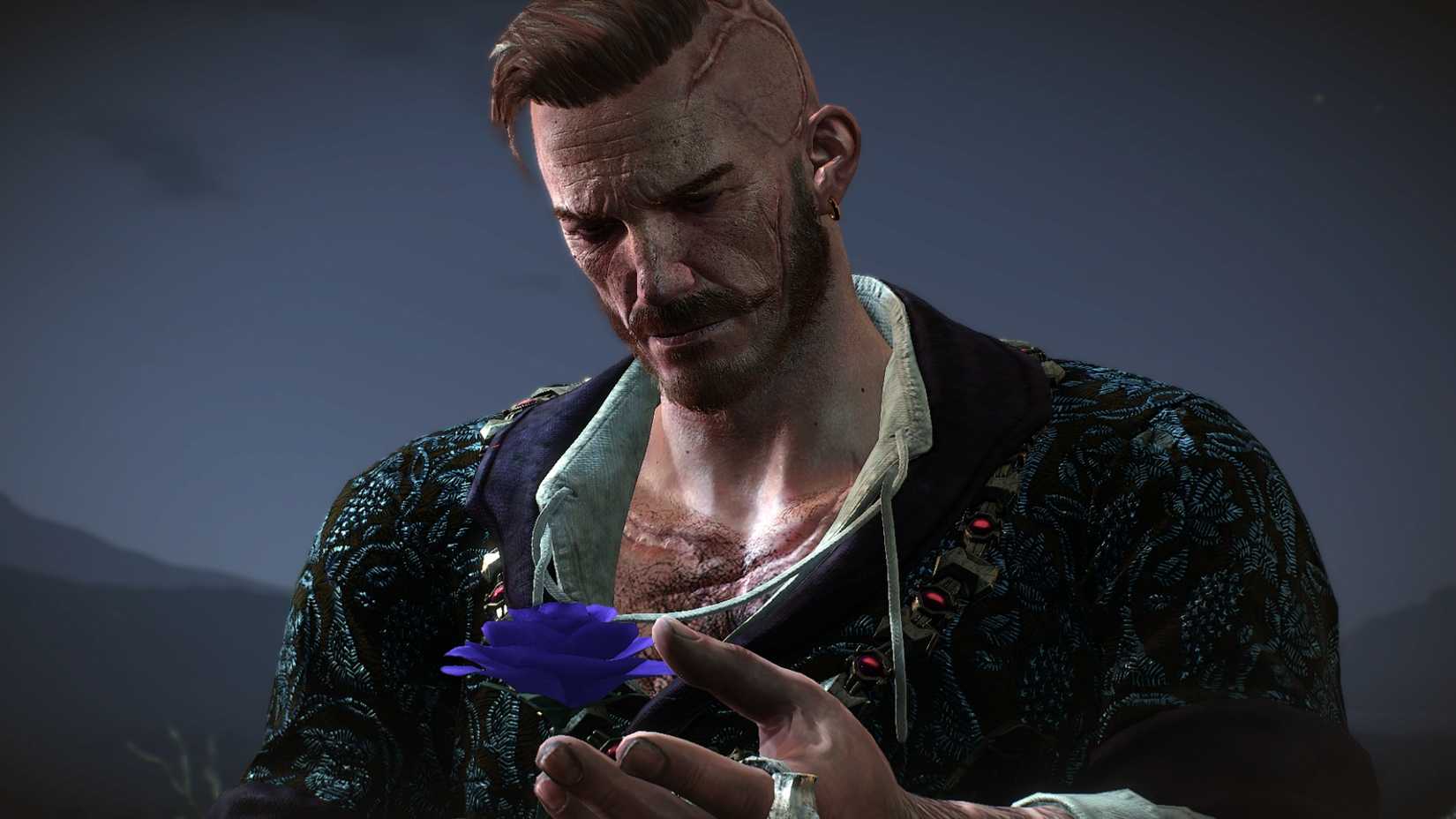
The industry has moved toward valuing character-driven side quests. Developers now recognize that the "volume" of content matters less than the "emotional resonance" of that content. We see this in the surge of popularity for CRPGs like Baldur’s Gate 3, which prioritizes choice, consequence, and complex character writing—all traits that The Witcher 3 helped normalize for a mainstream audience.
The Death of the "Empty Sandbox"
The game also marked the beginning of the end for the "Empty Sandbox." Open worlds are now expected to be denser, with meaningful points of interest that contribute to world-building rather than just filling a map with icons. Players have become more discerning, and the "Witcher effect" has made it difficult for games with shallow, repetitive open worlds to capture the same level of critical acclaim.
The Legacy of Geralt
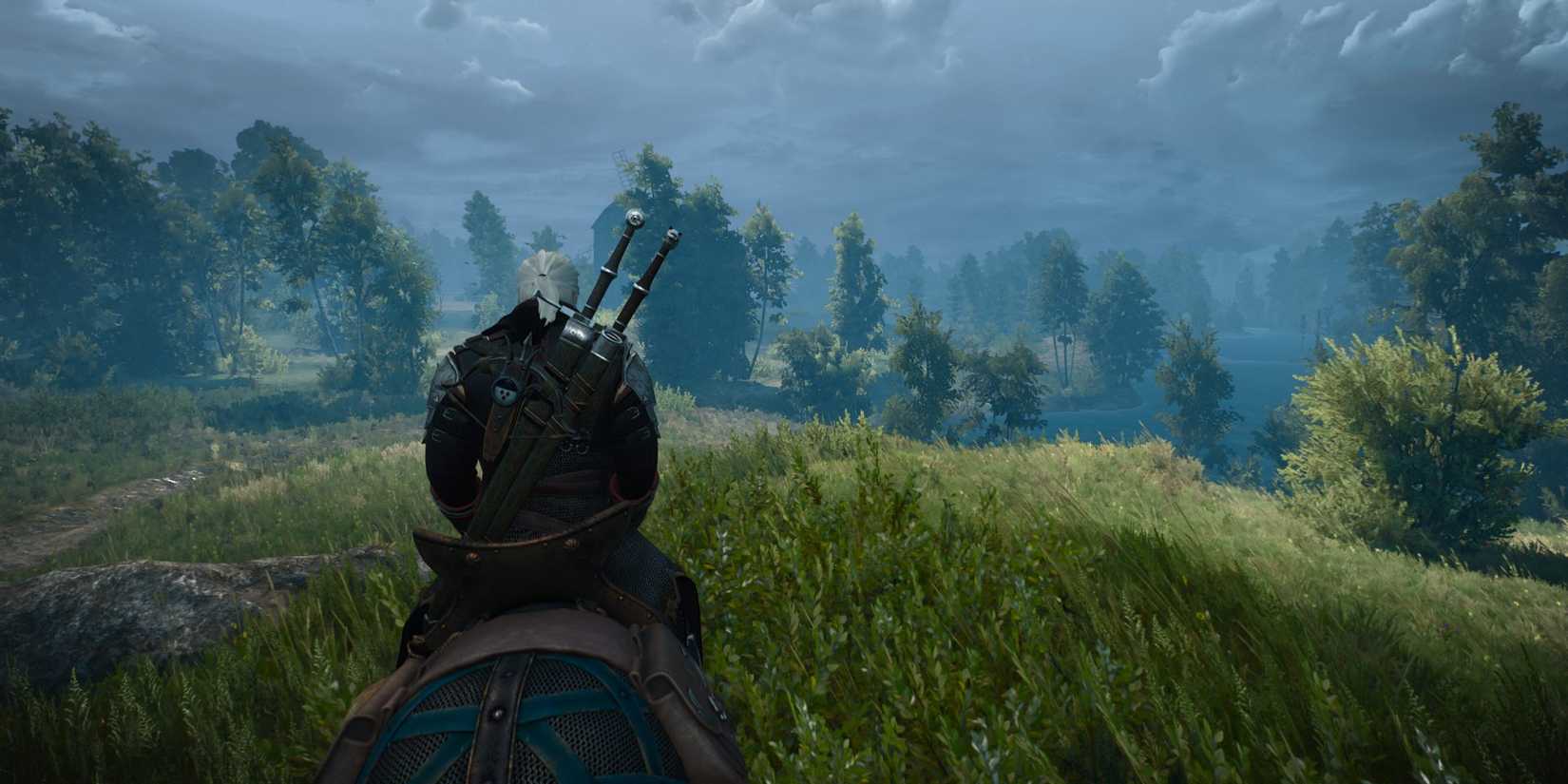
Finally, the game demonstrated that a pre-established protagonist could be just as effective as a blank slate. By giving Geralt a defined history and personality, the writers were able to create more nuanced, grounded, and often devastatingly emotional moments. This proved that a character-focused narrative could thrive in an open-world setting without sacrificing the player’s sense of agency.
Conclusion
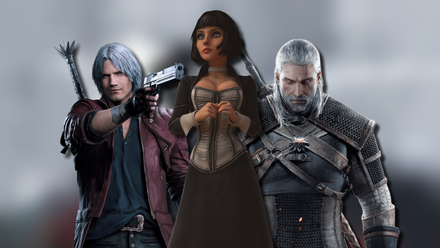
The Witcher 3: Wild Hunt is more than just a game; it is a milestone. It stands as a testament to what is possible when a development team refuses to compromise on narrative integrity, world-building, or the player’s capacity to affect the world around them. As we look toward the future of RPGs, the lessons of the Continent remain clear: players do not just want a world to explore—they want a world that remembers them. Whether through the tragedy of the Bloody Baron or the haunting mystery of Gaunter O’Dimm, The Witcher 3 continues to prove that in the realm of interactive storytelling, depth is the only metric that truly endures.

 Jia Lissa
 Azzam Bilal Chamdy