

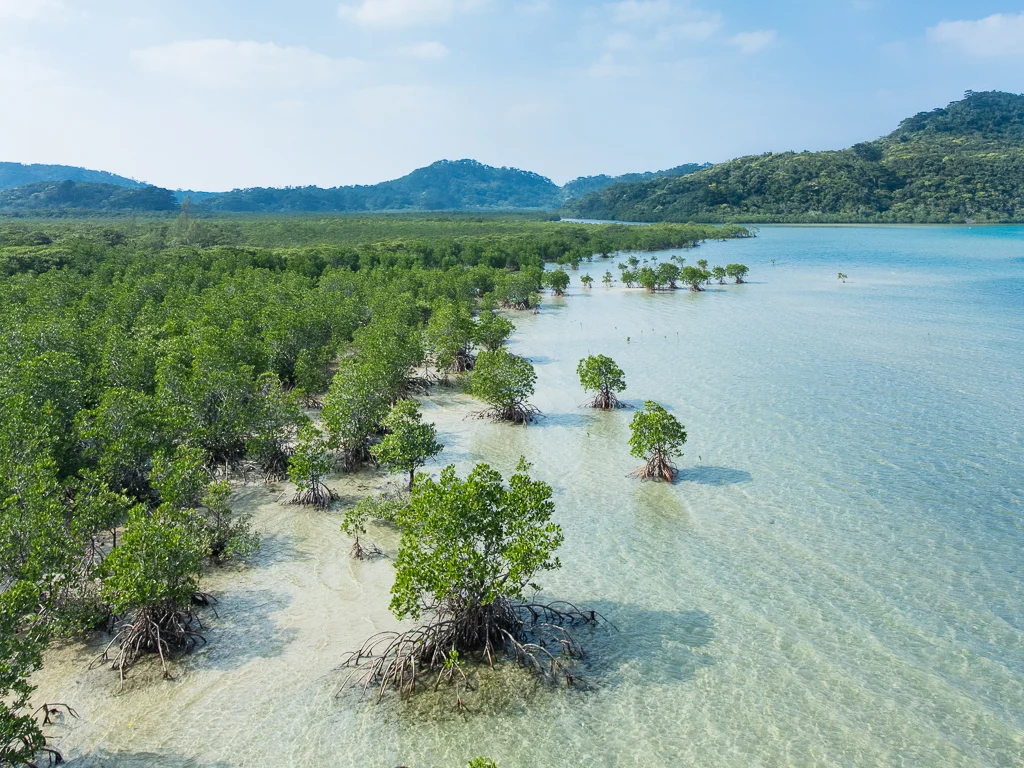
The Yaeyama Islands (Yaeyama Shotō) represent the final, sprawling frontier of the Japanese archipelago. Situated in the East China Sea, this collection of 12 islands sits roughly 400 kilometers southwest of Okinawa’s main island. Geographically, they are closer to Taiwan than to Tokyo, a reality that manifests in the region’s unique climate, flora, fauna, and cultural heritage. Far removed from the neon-lit corridors of Shinjuku or the manicured temples of Kyoto, the Yaeyama group offers a glimpse into a Japan that is subtropical, rugged, and profoundly resilient.
Main Facts: The Geography of the Far South
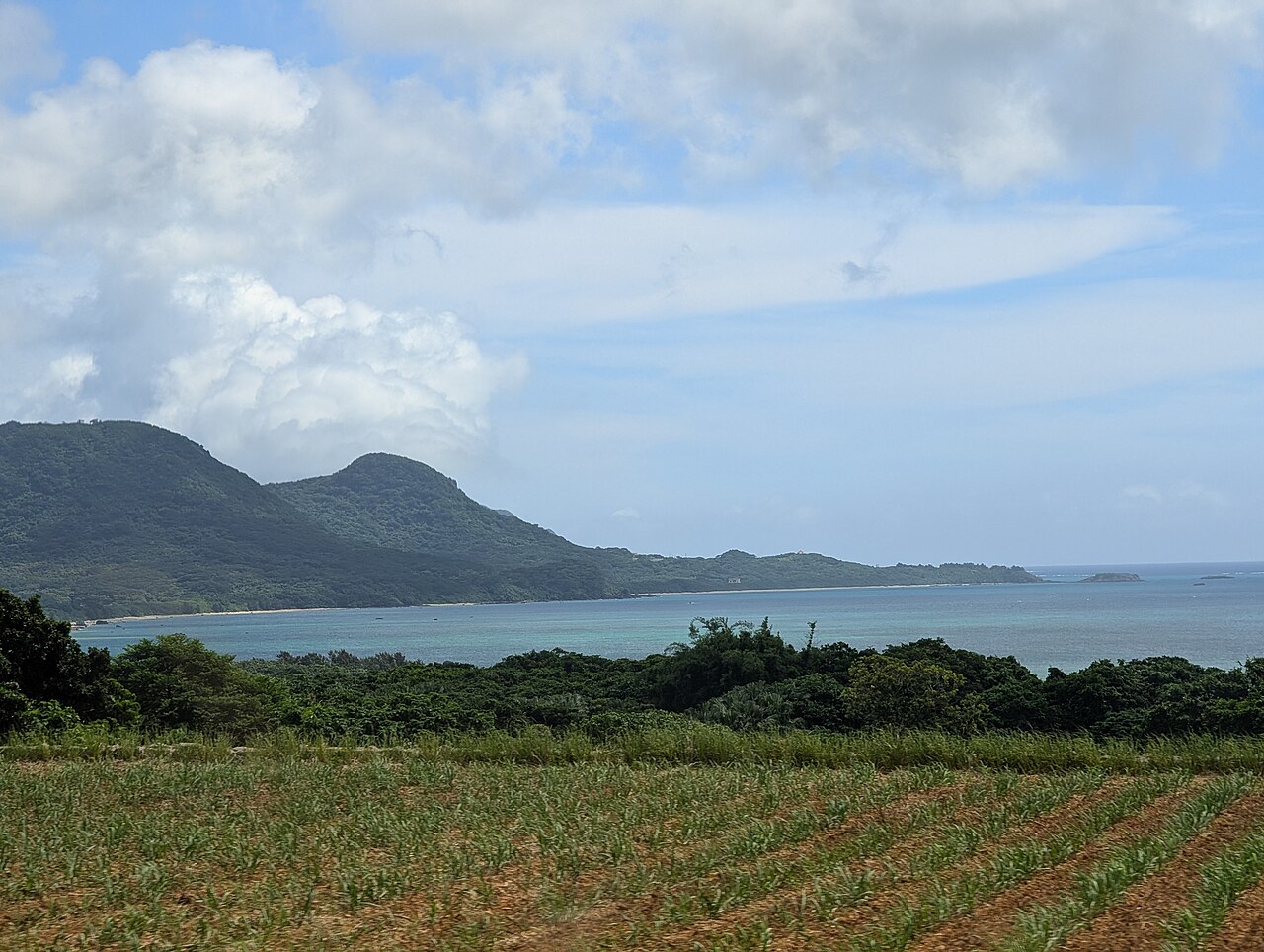
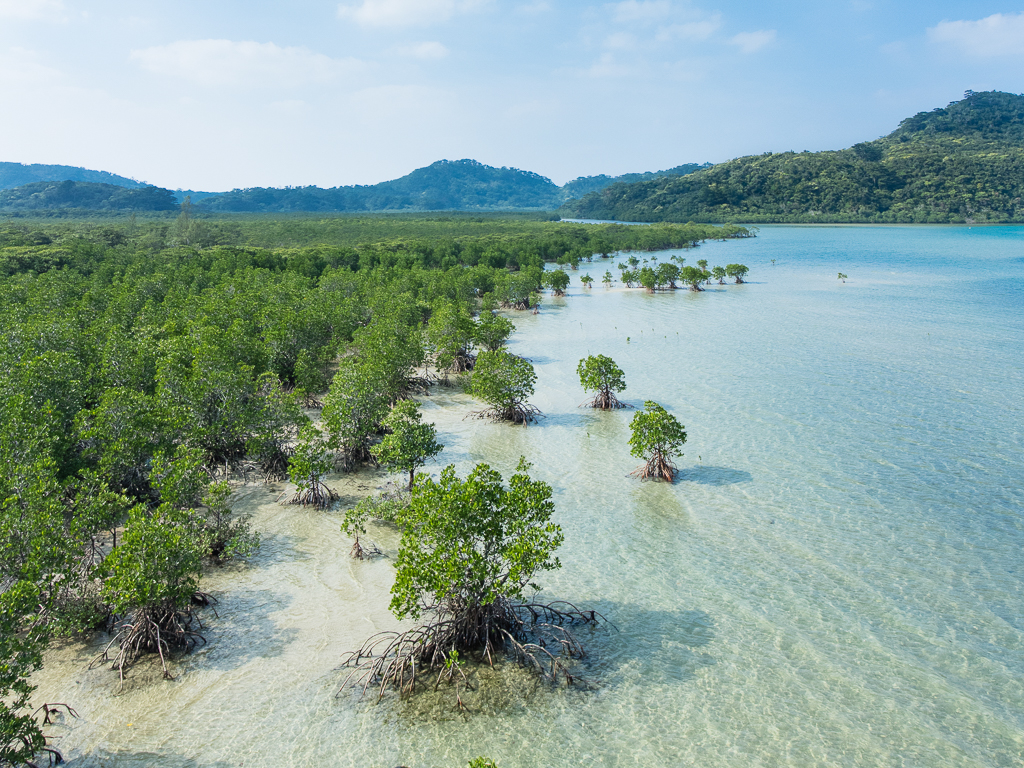
The Yaeyama group forms a distinct cultural and geographic zone defined by dense subtropical forests, expansive coral-reef lagoons, and mangrove estuaries. These islands are the sanctuary of the Iriomote yamaneko—the endemic wildcat that remains one of the world’s most endangered felines.
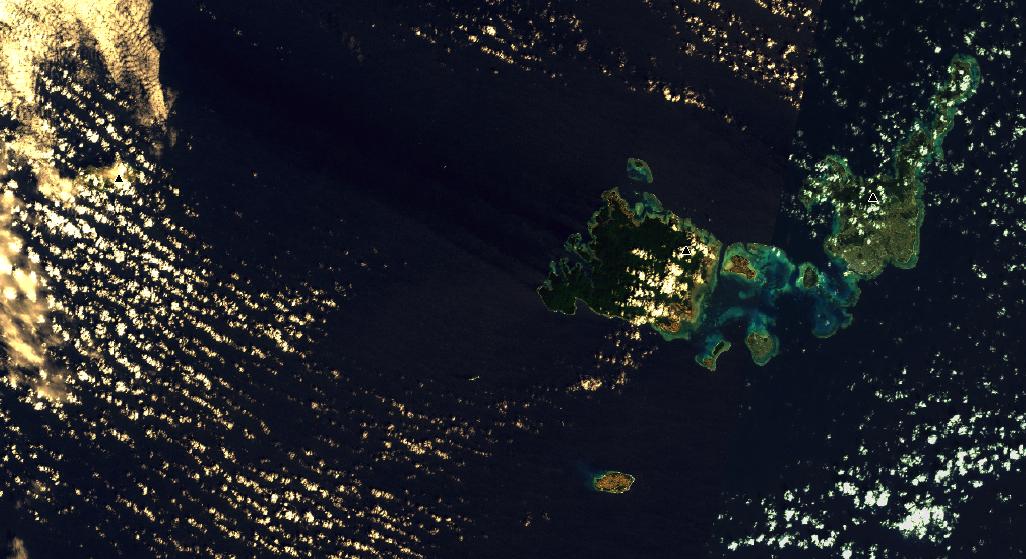
Culturally, the islands maintain a identity separate from mainland Japan and even the broader Okinawan prefecture. The Yaeyama language (Yaeyama-go), distinct food traditions, and ancestral musical forms persist as markers of a pre-annexation history that dates back to the Ryukyu Kingdom. As international travelers increasingly seek alternatives to the "Golden Route" of Japan, the Yaeyama islands have evolved from a remote curiosity into a premier destination for eco-tourism and cultural immersion.
The Big Three: Tourism Pillars
- Ishigaki: The largest island and the undisputed transit hub for the entire archipelago. It serves as the primary base for most travelers, offering the best balance of amenities, dining, and infrastructure.
- Iriomote: Known as the "Jungle Island," this landmass is 90% protected virgin forest. It is the heart of the Iriomote-Ishigaki National Park.
- Taketomi: A living museum of Ryukyuan architecture, where the preservation of red-tile roofs and white coral-sand streets is enforced by strict local ordinances.
Chronology: A History of Isolation and Resilience
The history of the Yaeyama Islands is a narrative of survival against both natural forces and shifting political tides.
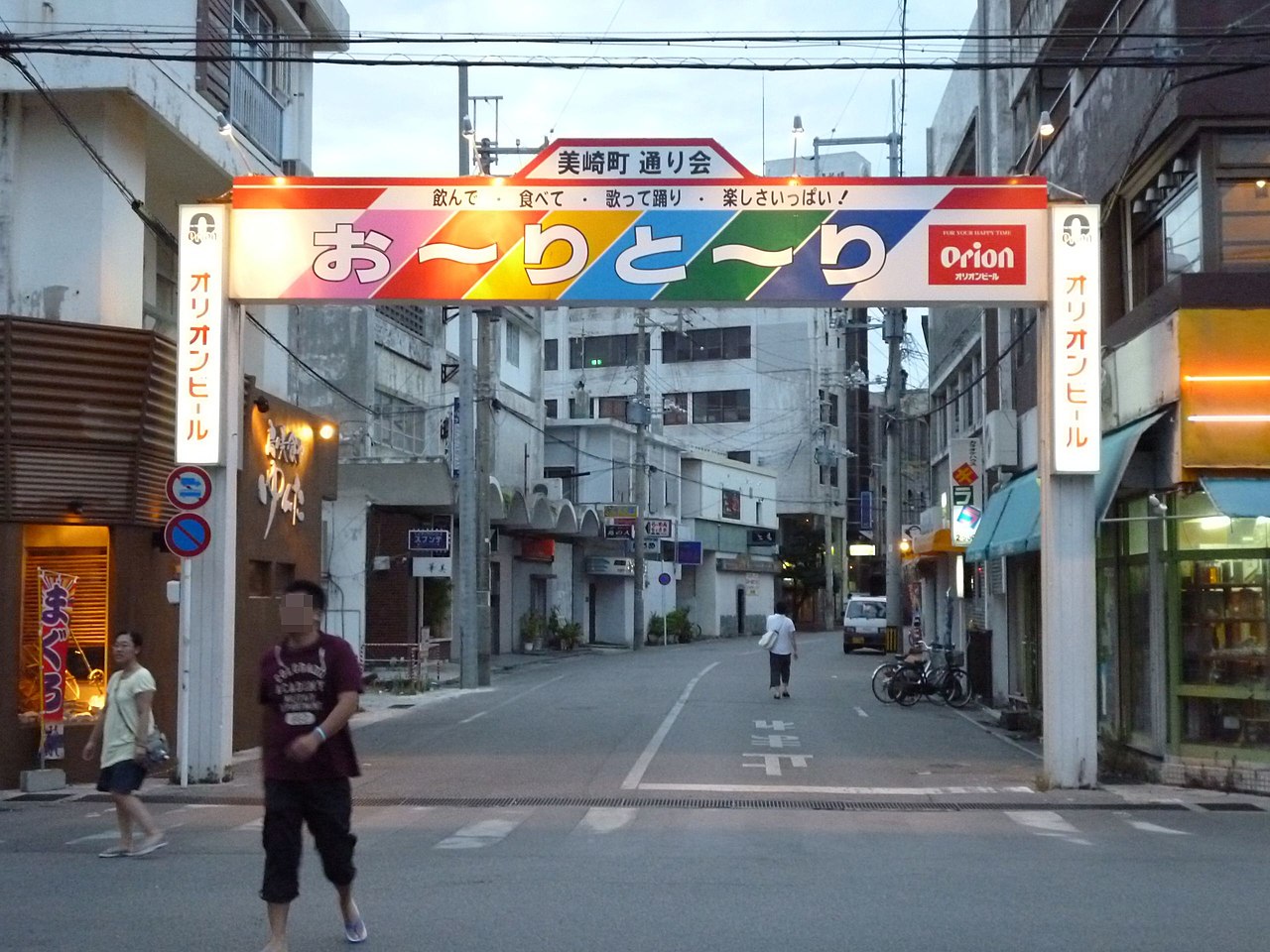
- Pre-1879: The islands existed as a semi-autonomous part of the Ryukyu Kingdom. The architectural and cultural traditions established during this era—characterized by stone walls and communal living—remain the bedrock of local identity today.
- 1879: The Japanese annexation of the Ryukyu Kingdom brought the islands under the formal administration of the Japanese Empire.
- 1945–1972: Following the Battle of Okinawa, the islands were placed under United States administration. This period of military occupation left a lingering impact on the region’s infrastructure and its relationship with mainland Japan.
- 1972–Present: Reversion to Japan marked the beginning of a modern development phase. In recent decades, the islands have pivoted toward sustainable tourism, with efforts focused on protecting the unique mangrove ecosystems and the endangered wildcat population.
Supporting Data: Infrastructure and Access
The logistical reality of visiting the Yaeyama islands requires careful planning, primarily due to the dependence on maritime weather conditions.
Connectivity Metrics
- Flight Access: Ishigaki (ISG) acts as the regional hub. Direct flights operate from Tokyo (Haneda/Narita), Osaka (Kansai), and Naha (Okinawa). A typical flight from Tokyo takes approximately 3 hours and 15 minutes.
- Ferry Dynamics: The Ishigaki Remote Island Terminal facilitates all inter-island travel. Two primary operators, Yaeyama Kanko Ferry and Anei Kanko, provide consistent service. However, travelers must be aware of the "typhoon factor." During the typhoon season (August–September) and peak winter, ferry cancellations are frequent.
Economic Indicators
Tourism is the lifeblood of the Yaeyama economy. With over 48,000 residents on Ishigaki alone, the local industry has scaled to meet international demand while attempting to balance environmental conservation. For example, the Iriomote-Ishigaki National Park generates significant revenue through guided kayaking, trekking, and snorkeling tours, which are strictly regulated to protect the sensitive ecosystems.
Official Responses and Conservation Efforts
The Japanese government and local municipal councils have implemented stringent policies to protect the ecological integrity of the Yaeyama archipelago.
Environmental Stewardship
The protection of the Iriomote yamaneko (Iriomote wildcat) is a major focus for the Ministry of the Environment. With fewer than 100 individuals remaining, the government has implemented:
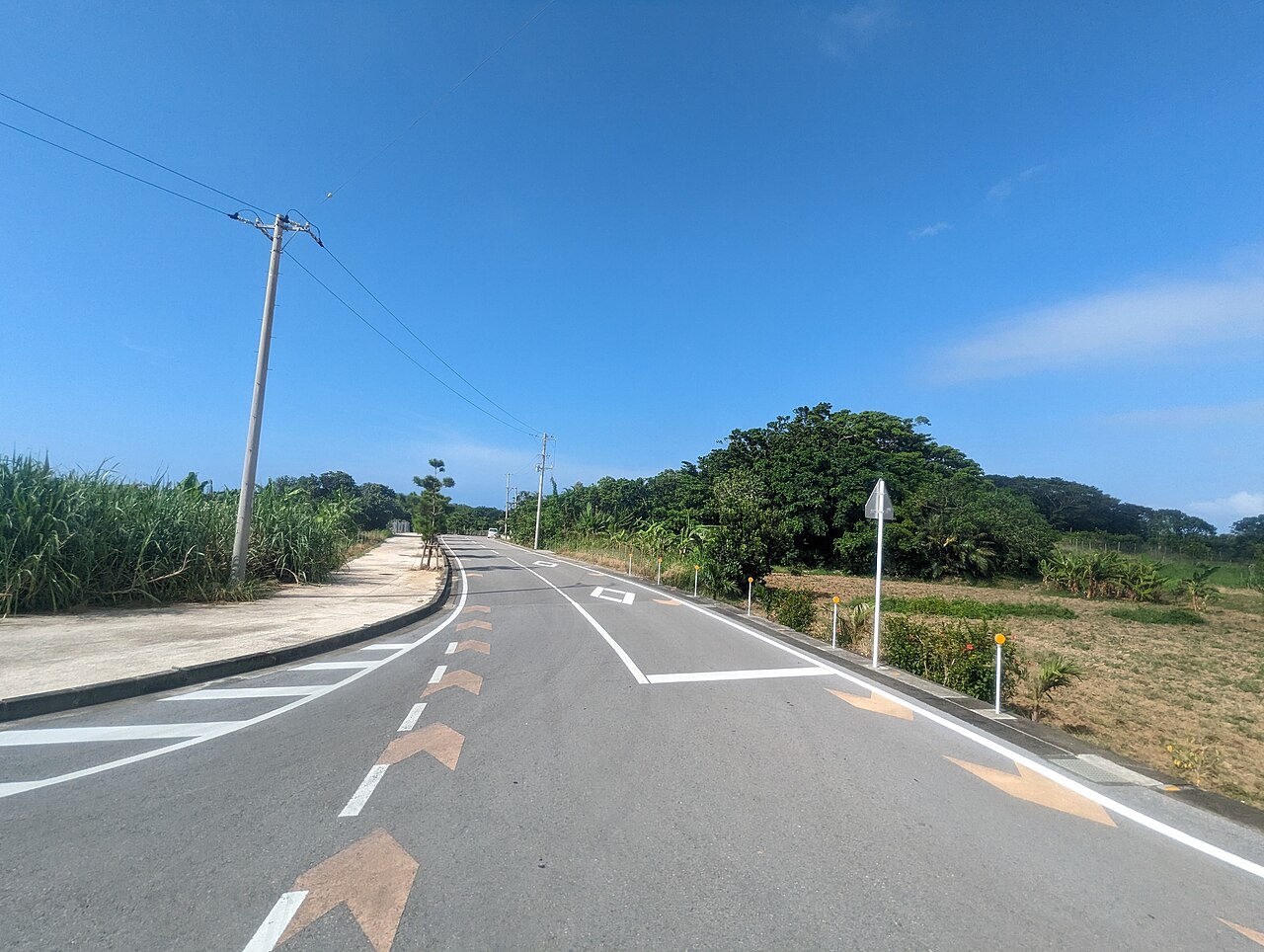
- Night-driving speed limits: To prevent vehicle-related fatalities.
- Wildlife Conservation Centers: Public education hubs that serve to monitor the population and provide research data.
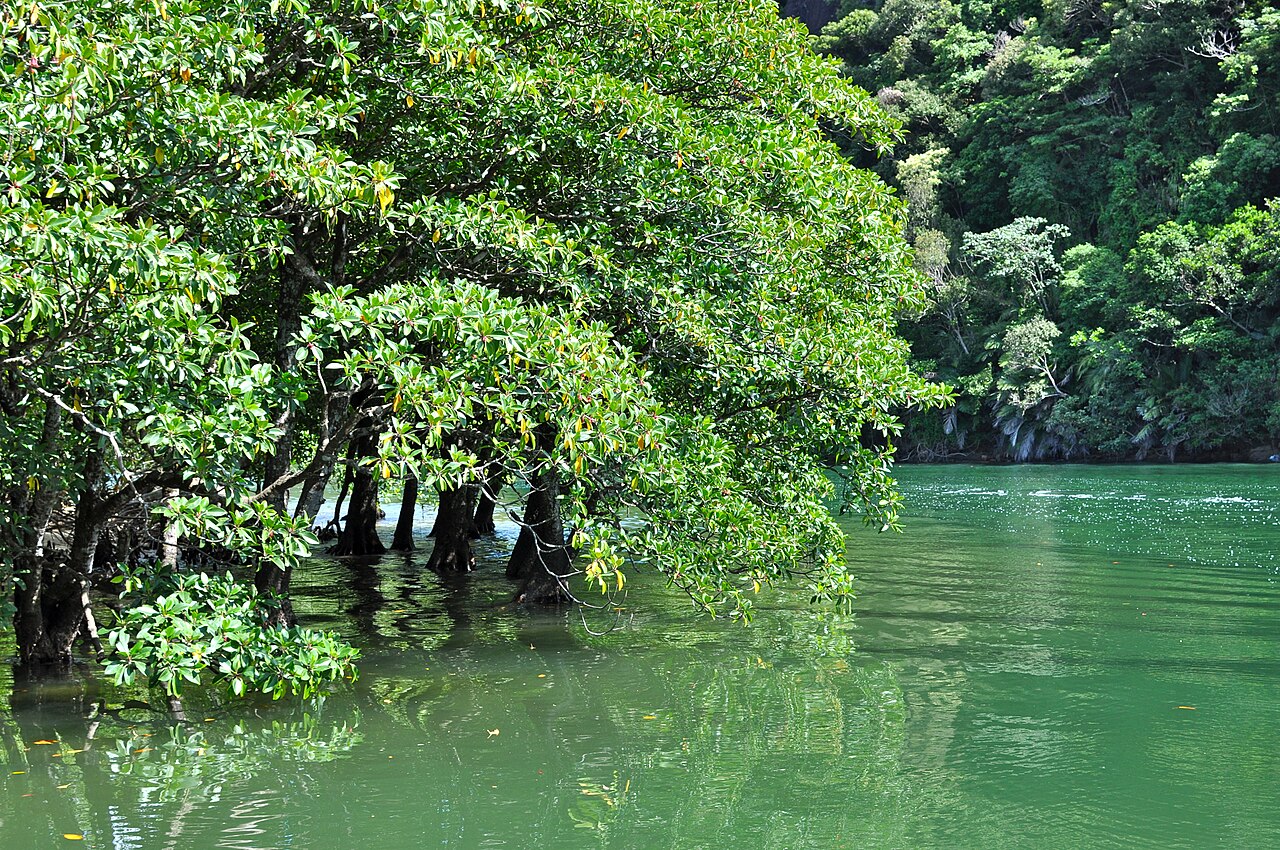
- National Park Designation: Strict zoning laws prevent industrial development in the interior of Iriomote, ensuring that the mangrove forests remain intact.
Cultural Preservation
On Taketomi Island, the local community has successfully lobbied for and maintained a "Village Ordinance" that forbids modern construction materials that clash with the traditional aesthetic. The result is a pristine environment where no neon signs or modern high-rises exist, keeping the village as it appeared over a century ago.
Implications for the Future of Travel
As the Yaeyama Islands continue to gain popularity, they face a classic dilemma: how to accommodate the influx of international visitors without degrading the very attributes that make them attractive.
The "Over-Tourism" Warning
Unlike Tokyo or Kyoto, the Yaeyama islands lack the capacity for mass tourism. The infrastructure on islands like Hateruma and Yonaguni is fragile, with limited water supplies and small waste management facilities. Authorities are increasingly encouraging travelers to visit during the "shoulder seasons"—April, May, October, and November—to alleviate pressure during the peak summer months.
The Shift in Traveler Demographics
The demographic profile of visitors to the Yaeyama islands is shifting from the casual sightseer to the "deep-interest" traveler. These visitors are typically interested in PADI-certified diving, ornithology, botanical study, and ethnographic research. The implication is that the local economy is becoming more specialized, favoring high-value, low-impact tourism over the high-volume model seen on the Japanese mainland.
Practical Insights for the Discerning Traveler
For those planning an expedition to this corner of the East China Sea, the following guidelines are essential:
- Preparation is Key: Do not treat this as a last-minute destination. Hotel inventory on smaller islands (Taketomi, Hateruma) is extremely limited. Booking 3–4 months in advance is the professional standard.
- Respect the Ecosystem: The coral reefs are fragile. The use of reef-safe sunscreen is strictly encouraged, and touching or feeding marine life—including the abundant hawksbill sea turtles—is prohibited.
- Language and Communication: While Ishigaki is bilingual-friendly, the deeper one travels into the archipelago, the more vital a basic grasp of Japanese or a reliable translation app becomes.
- Weather Preparedness: The islands are subject to rapid weather shifts. Always carry cash, as remote island card terminals may be unavailable during power outages or ferry service disruptions.
Conclusion: A Different Kind of Japan
The Yaeyama Islands offer a profound counter-narrative to the standard Japanese travel experience. They are a place where the clock moves with the tides and the seasons rather than the precision of the Shinkansen. Whether one is trekking through the mangrove tunnels of Iriomote, diving the Manta Scramble off the coast of Ishigaki, or watching the sunset over the red-tiled roofs of Taketomi, the archipelago remains one of the most rewarding, albeit challenging, destinations in Asia. It is a region that demands patience and respect, rewarding the prepared traveler with an experience of untamed beauty that is increasingly rare in the modern world.












No comments yet. Be the first to join the conversation!