

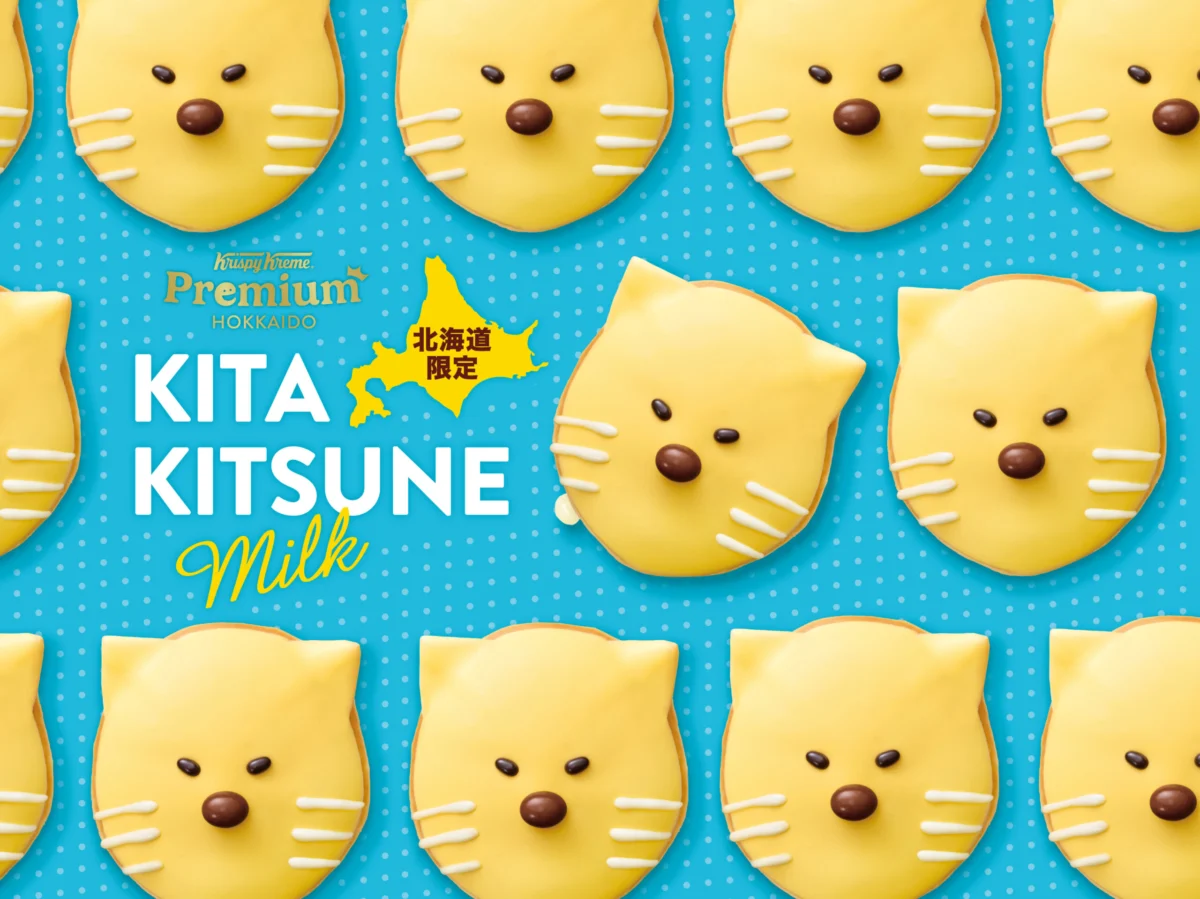
In the world of culinary branding, few things capture the public imagination as effectively as the intersection of local heritage, seasonal ingredients, and the undeniable appeal of kawaii (cute) design. This summer, Krispy Kreme Japan has masterfully navigated this intersection with the return of its "Premium Hokkaido Kitakitsune Milk" doughnut—a limited-edition treat that serves as a tribute to one of Japan’s most beloved northern icons: the Ezo red fox.
Available exclusively at the chain’s four locations across Hokkaido, this revival marks more than just a seasonal menu change; it is a strategic celebration of regional pride, high-quality local agriculture, and the enduring charm of Hokkaido’s natural wildlife.
The Main Event: A Culinary Homage to the Ezo Red Fox
The kitakitsune (northern fox) is more than just an animal in Hokkaido; it is a cultural symbol, frequently appearing in local folklore and tourism campaigns. By molding a premium doughnut in the likeness of this creature, Krispy Kreme is leveraging the "gift culture" (omiyage) that is so prevalent in Japan, where travel souvenirs are often expected to be both high-quality and visually representative of the destination.
The doughnut is a sophisticated construction of flavor and form. The base consists of a signature fluffy doughnut dough, which provides a light, airy canvas for the richer elements. Inside, patrons will find a generous filling of velvety milk cream, crafted specifically with Hokkaido-sourced dairy—a product globally recognized for its richness and superior quality.
The exterior is finished with a pudding-flavored glaze, chosen for its nostalgic, comforting sweetness. However, the true craftsmanship lies in the "fox" detailing:
- Eyes: Precision-applied dark chocolate forms the fox’s characteristic almond-shaped, slightly upturned eyes.
- Nose: A dot of coffee-flavored chocolate provides a subtle, sophisticated aromatic note.
- Whiskers: Fine lines of white chocolate offer a delicate textural contrast.
- Ears: In a stroke of creative culinary engineering, Krispy Kreme uses sesame cheese crackers to mimic the pointed, upright ears of the Ezo fox, adding a savory crunch that balances the sweetness of the glaze.
A Chronology of the Kitakitsune Doughnut
The journey of the Kitakitsune doughnut from concept to cult status has been one of calculated scarcity and refinement.
- 2023 (The Debut): Krispy Kreme first introduced the Kitakitsune concept to the Hokkaido market. It was met with immediate enthusiasm, as it perfectly aligned with the regional identity of the prefecture.
- 2023–2026 (The Hiatus): Following the initial run, the product was retired, turning it into a "legendary" menu item that fans frequently requested to see return.
- May 2026 (The Announcement): Krispy Kreme Japan officially announced the return of the line, noting that the design had been updated for a "cuter expression" and the flavor profile had been adjusted to better highlight the Hokkaido milk base.
- June 3, 2026 (The Official Launch): Sales commenced across all four Hokkaido retail locations, signaling the start of a limited-time summer campaign.
Supporting Data: The Power of Regional Exclusivity
The decision to limit the availability of the Kitakitsune doughnut to Hokkaido is a classic application of the "geographic scarcity" marketing model. By restricting the sales to specific locations in Sapporo and Chitose, Krispy Kreme creates an incentive for both domestic tourists and local residents to visit these stores.
Pricing and Accessibility
The pricing structure reflects the premium nature of the ingredients used:
- Takeout: 388 yen (approx. US$2.44) per unit.
- Eat-in: 396 yen per unit.
The tiered pricing acknowledges the convenience of the takeaway market—a massive segment in Japan’s retail food industry—while also inviting customers to enjoy the product in a café environment.
Regional Store Distribution
The distribution is tightly controlled to maintain the "exclusive" status of the product:

- Sitatte Sapporo Store: Located in the heart of the business district, serving both commuters and urban tourists.
- Sapporo Pole Town Store: Situated in the city’s extensive underground shopping network, ensuring high foot traffic.
- Sapporo Le Trois Store: A lifestyle-focused location, targeting shoppers and families.
- Chitose Outlet Mall Rera Store: A strategic choice for travelers, as this location serves the area surrounding New Chitose Airport, the primary gateway to the island.
Official Corporate Strategy: Bridging Global Brands and Local Roots
Krispy Kreme’s "Premium Hokkaido" series is a departure from the company’s global standard menu. In a statement, representatives from the chain emphasized that the series is designed to focus on the unique agricultural output of Hokkaido, specifically its world-class dairy farms.
"The Kitakitsune doughnut is not just a snack; it is an attempt to synthesize the joy of our brand with the inherent charm of Hokkaido," a company spokesperson noted. The reformulation of the product in 2026 demonstrates that the brand is listening to consumer feedback, specifically regarding the "expression" of the fox design, which highlights a shift toward more detailed, artisanal-looking mass-produced goods.
This strategy serves two purposes: it bolsters the brand’s image as a premium dessert provider rather than just a donut shop, and it fosters strong relationships with regional producers. By highlighting Hokkaido milk, Krispy Kreme aligns itself with the "local production for local consumption" (chisan-chisho) movement, which is highly regarded by Japanese consumers.
Implications: The Future of "Destination Sweets"
The success of the Kitakitsune doughnut highlights a growing trend in the global food and beverage industry: the rise of "destination sweets." As travel habits evolve, consumers are increasingly seeking experiences that are tied to a specific location. By creating products that cannot be purchased anywhere else in the country, Krispy Kreme transforms their physical storefronts into tourist destinations.
Furthermore, the integration of character-based design—the kawaii aesthetic—proves that even in a highly competitive and mature market, there is significant room for innovation. The technical difficulty of creating a fox face on a circular pastry using multiple types of chocolate and savory crackers represents a level of "edible art" that is increasingly expected by the Japanese consumer base.
The Impact on the Hokkaido Tourism Economy
While a single doughnut will not shift the GDP of Hokkaido, the collective impact of such "exclusive" products contributes to the broader narrative of Hokkaido as a culinary paradise. Tourists visiting for the summer season—a peak time for travel to the island due to its temperate climate—now have an additional item on their "must-eat" lists. This drives foot traffic to the specific malls and underground arcades where these stores are located, indirectly benefiting other retailers in the vicinity.
Conclusion: A Seasonal Treasure
The "Premium Hokkaido Kitakitsune Milk" doughnut is a masterclass in seasonal marketing. It utilizes the iconography of the North, the quality of Hokkaido’s dairy industry, and the precise execution of Japanese confectionery design to create a product that is both fleeting and memorable.
As the summer of 2026 progresses, the limited-time availability of this treat will likely lead to high demand at the four participating stores. For those lucky enough to visit Hokkaido, the Kitakitsune represents the perfect intersection of a global brand and local identity—a small, sweet, and undeniably cute reminder of the charm that makes Japan’s northernmost prefecture so unique.
Whether you are a collector of unique food experiences or simply a fan of high-quality, cream-filled pastries, the Kitakitsune doughnut is a testament to the fact that sometimes, the best marketing is simply honoring the local spirit in the most delicious way possible.












No comments yet. Be the first to join the conversation!