Developer: Turtle Rock Studios
Publisher: Warner Bros. Interactive Entertainment
Platforms: PC, PS5, Xbox Series X/S, PS4, Xbox One
Price: £49.99
When Turtle Rock Studios announced Back 4 Blood, the gaming community was gripped by a mixture of intense nostalgia and cautious skepticism. As the spiritual successor to the genre-defining Left 4 Dead, the title carried the heavy burden of expectation. Initial impressions of the game suggested a bloated, overly complex departure from the elegant, minimalist design that made its predecessor a masterpiece of cooperative horror. However, after extensive playtesting, the reality of Back 4 Blood reveals a more nuanced truth: it is not a direct clone, but a modernized, ambitious, and deeply mechanical evolution of the four-player horde-shooter formula.
The Core Premise and Initial Friction
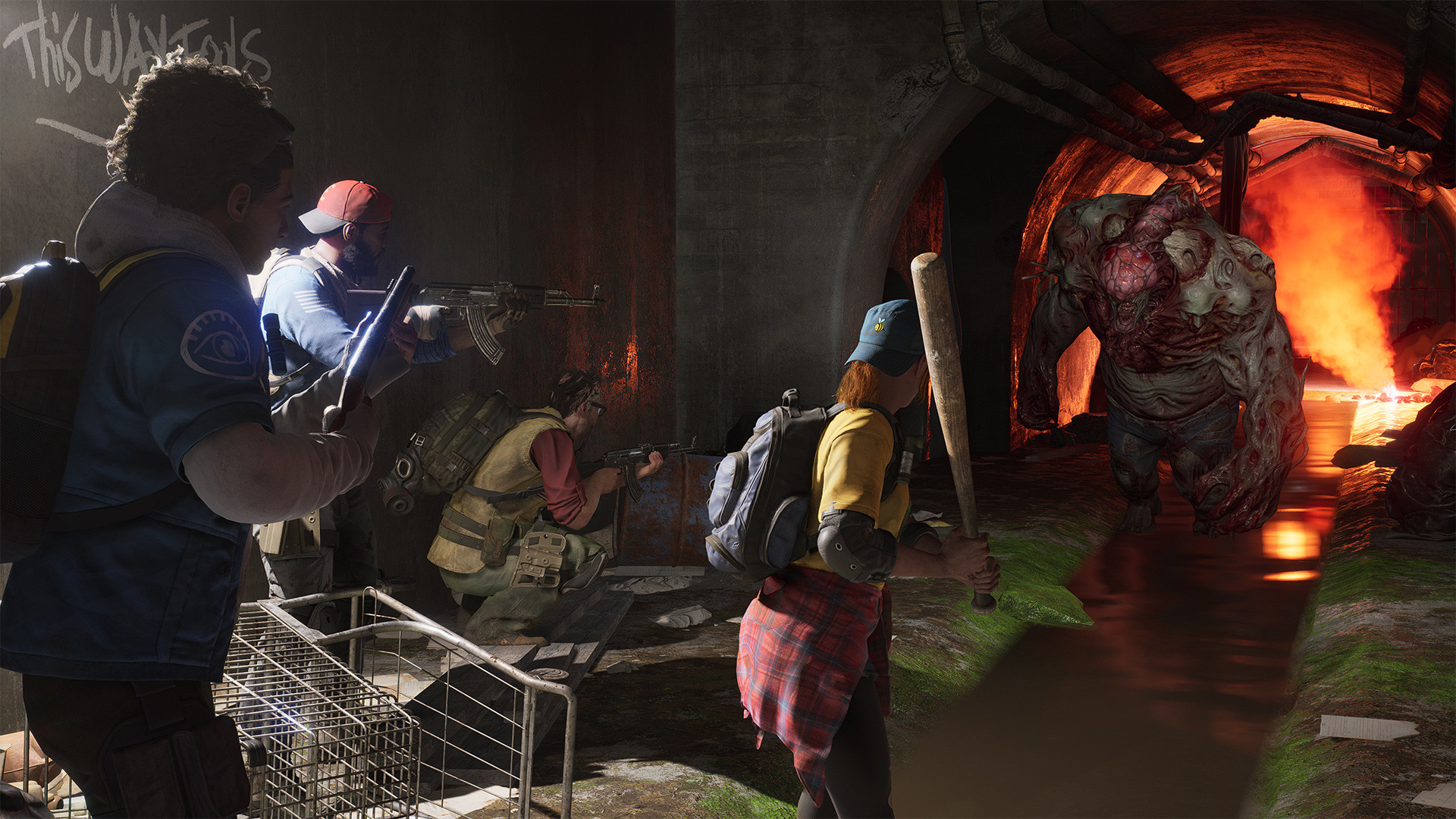
At its heart, Back 4 Blood remains committed to the established blueprint: four players, designated as "Cleaners," must navigate through an urban landscape decimated by an infestation of the "Ridden." The gameplay loop is familiar—move from one safehouse to the next while fending off waves of infected, overseen by an AI "Game Director" that dynamically alters the threat level.
However, the transition into the experience is jarring. Upon booting the game, the player is bombarded with a dizzying array of systems: loot tiers, weapon attachments, character-specific perks, supply lines, and an intricate deck-building card system. For those accustomed to the "pick-up-and-play" simplicity of Left 4 Dead, the first few hours feel less like an action game and more like a spreadsheet simulation. Navigating the UI, understanding the implications of "Corruption Cards," and deciphering the progression economy can leave even seasoned veterans feeling adrift.
Chronology: The Evolution of the Gameplay Experience
The journey of a Back 4 Blood player follows a distinct arc of discovery.
Phase 1: The Confused Beginning
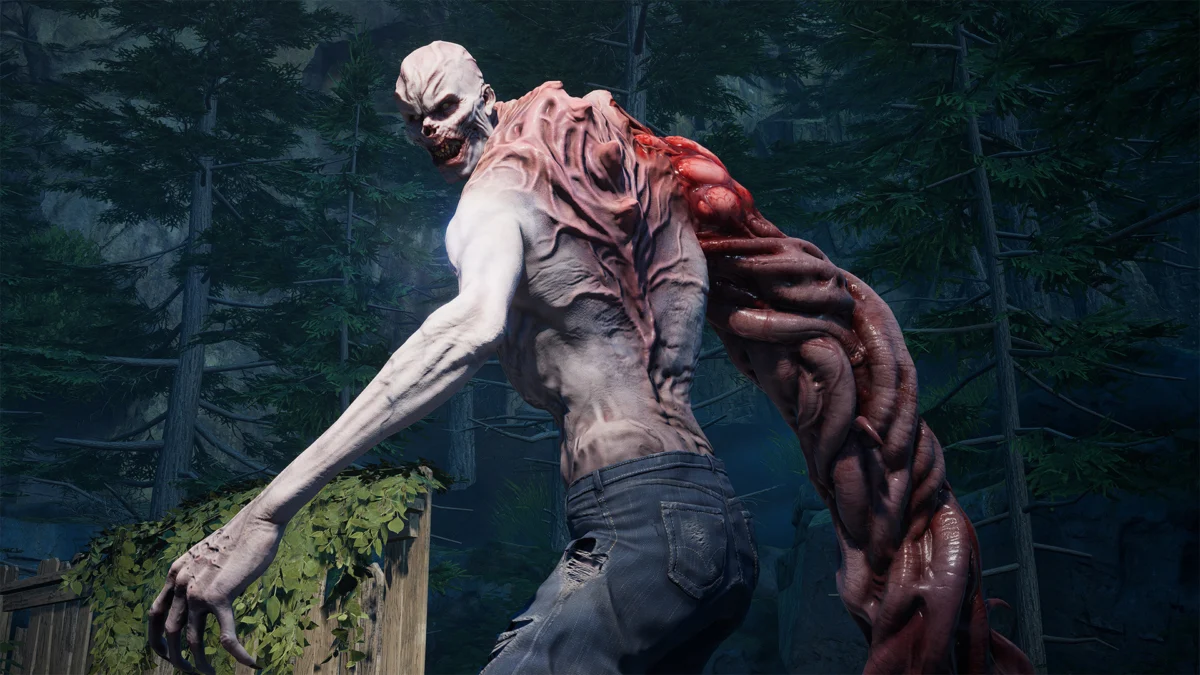
The initial experience is marred by an aesthetic and mechanical dissonance. Where Left 4 Dead utilized a distinct grindhouse-film aesthetic, grainy visuals, and iconic character archetypes to build immediate atmosphere, Back 4 Blood feels strangely clinical. The early levels are murky, the environments occasionally lack personality, and the "Ridden" can feel like indistinct, fleshy masses rather than terrifying foes.
Phase 2: The Mechanical "Click"
As the player pushes past the early hours, the game’s complexity begins to transform from a burden into a tool. The weapon handling—a standout feature of the title—becomes the anchor. The weight of the Desert Eagle and the satisfying, rhythmic kick of the Magnum provide a tactical satisfaction that rivals the best shooters on the market. Players begin to understand the synergy between weapon types, ammo management, and team cooperation.
Phase 3: The Strategic Deep Dive
In the later chapters, the game truly finds its stride. The "Acts" are significantly longer than the campaigns of old, allowing for a gradual escalation of challenge. Players must adapt to evolving mutations in the Ridden and environmental hazards like thick fog or reactive bird flocks. It is here that the deck-building system proves its worth, shifting the game from a test of raw reflex to a test of tactical foresight and character specialization.
Supporting Data: The Card System and Tactical Depth
The defining differentiator for Back 4 Blood is its "Deck-Building" mechanic. This system allows players to curate a set of passive and active buffs that define their playstyle. By spending resource points earned through "Supply Lines," players can tailor their Cleaners to become specialized roles.
- The Tank Build: Combining melee-focused cards with health-regen perks upon kills allows a player to hold the frontline against massive hordes.
- The Support Build: Utilizing cards that provide team-wide health bonuses or ammunition redistribution transforms a player into the backbone of the squad.
- The Sniper/Damage Build: Focusing on weak-spot damage multipliers and reload speeds allows for surgical elimination of the Special Ridden.
This system effectively solves the issue of replayability. Because cards are drawn in a specific order, the player’s build evolves dynamically throughout a single run, requiring constant reassessment of strategy.
Official Perspectives and Design Philosophy
Turtle Rock Studios has made it clear that Back 4 Blood was never intended to be Left 4 Dead 3. In various developer briefings and post-launch discussions, the team emphasized their desire to lean into the "modern multiplayer" landscape.
The decision to include a complex loot system and character customization—features that purists might find excessive—was a deliberate choice to cater to the current generation of gamers who expect persistent progression and long-term engagement loops. The developers argue that these systems provide the necessary "bells and whistles" to keep the game relevant in an era where live-service titles dominate the market.
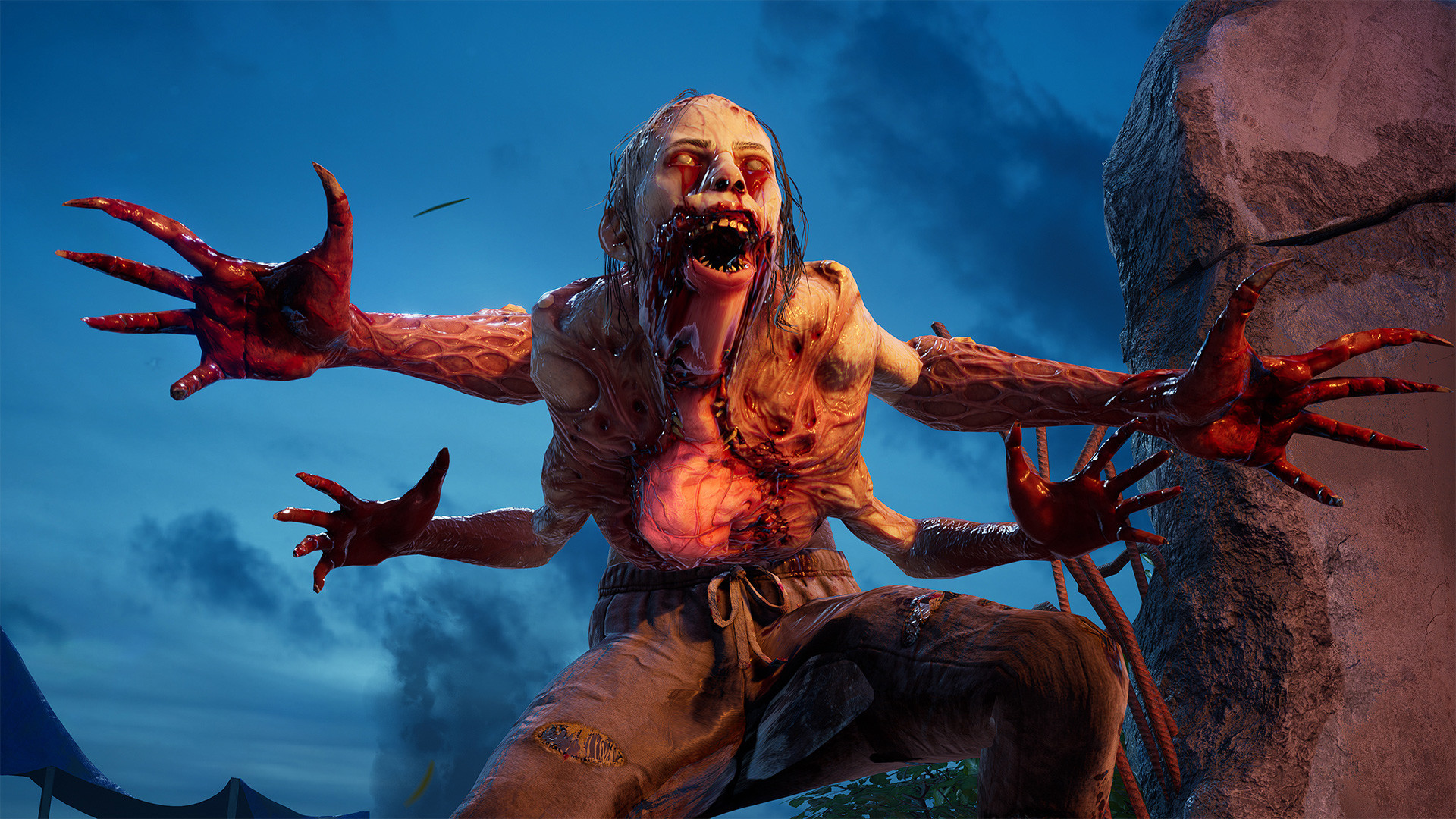
However, even the developers have had to address balancing concerns. The scaling of the game remains a point of contention. While the experience is undeniably balanced for a cohesive four-player team, the experience currently fluctuates wildly between "chaotic" with a full group and "trivial" when played solo with AI companions. The AI bots in Back 4 Blood are remarkably competent—perhaps too competent—often outperforming human players in accuracy and survival, which diminishes the tension of the single-player experience.
Implications: A New Standard for the Genre?
The long-term implication of Back 4 Blood is that the "horde shooter" genre has officially matured. It is no longer enough to simply throw zombies at a player; developers must now account for character builds, persistent progression, and evolving environmental variables.
Pacing Challenges
One of the most significant criticisms of the current structure is the length of the Acts. Spanning 5–6 hours per act, the pacing can feel like a slog for those looking for a quick, punchy session. While this length is necessary to facilitate the card-building progression, it creates a barrier for entry for players with limited time. A more modular, episodic structure might have served the game’s pick-up-and-play roots better.
The Verdict on Success
Back 4 Blood is not the masterpiece that Left 4 Dead was, but it is a formidable successor that carves out its own identity through sheer mechanical depth. It is a game that rewards patience and study. For those who invest the time to master the card system and find a consistent group of friends, the reward is one of the most satisfying cooperative experiences currently available.
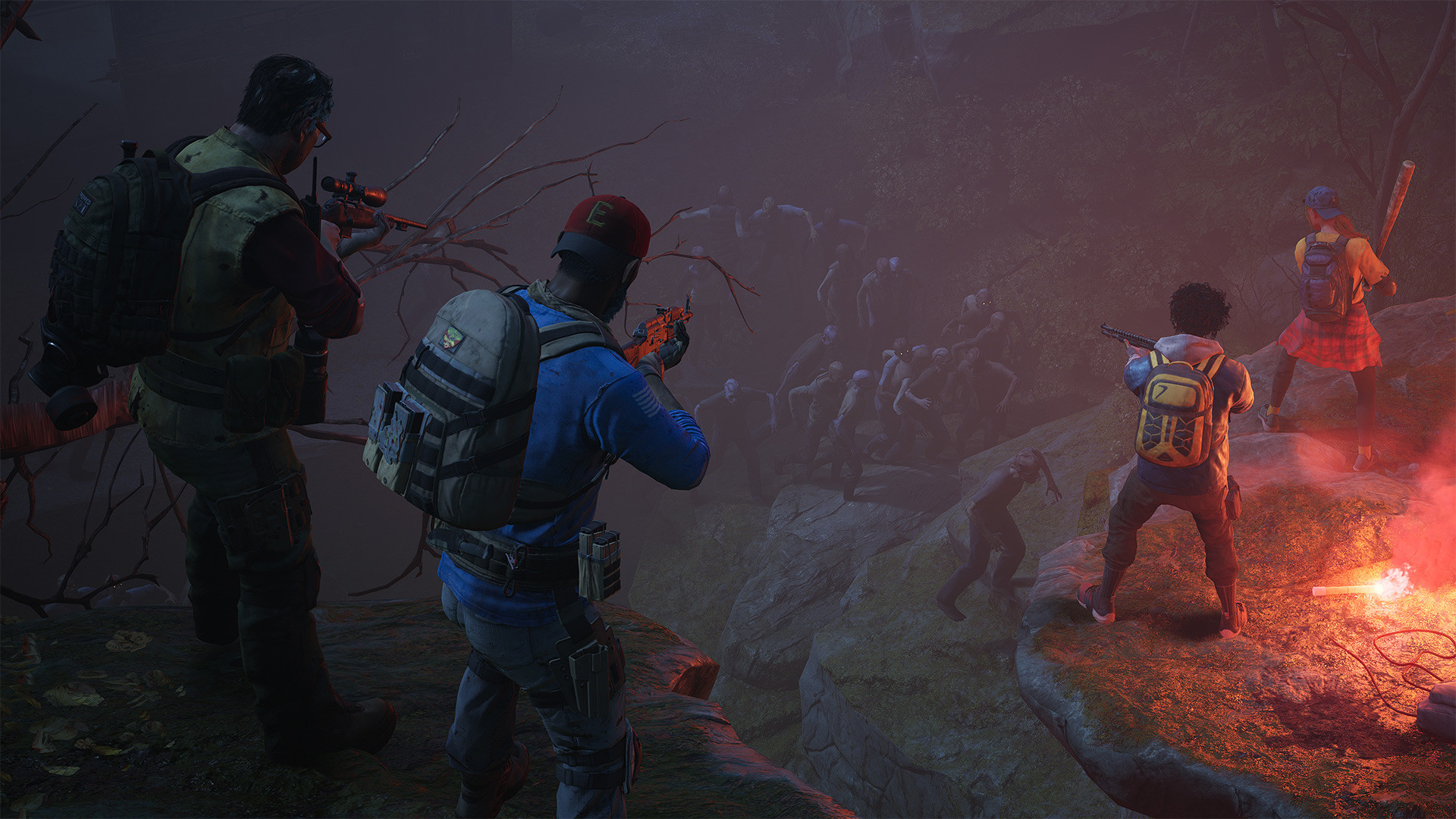
The game sits in a unique position: it is a bridge between the arcade-style shooters of the 2000s and the complex, build-heavy RPG-shooters of the 2020s. While it suffers from a lack of visual distinctiveness and a steep initial learning curve, the core combat is undeniably excellent.
Final Thoughts
Back 4 Blood is a game of two halves. The first half is an overwhelming, slightly bland introduction that struggles to find its footing. The second half is a highly strategic, rewarding, and deeply engaging cooperative odyssey. By embracing complexity, Turtle Rock Studios has created a title that—while flawed—offers a level of replayability and depth that the original genre classics could never achieve. It is a worthy addition to any shooter fan’s library, provided they are willing to look past the initial confusion and embrace the tactical possibilities beneath the surface.
As the industry moves forward, Back 4 Blood will likely be remembered not as a replacement for the past, but as a bold, if sometimes messy, attempt to define the future of cooperative survival. It is not perfect, but it is, without a doubt, a game that demands to be played.