Azzam Bilal Chamdy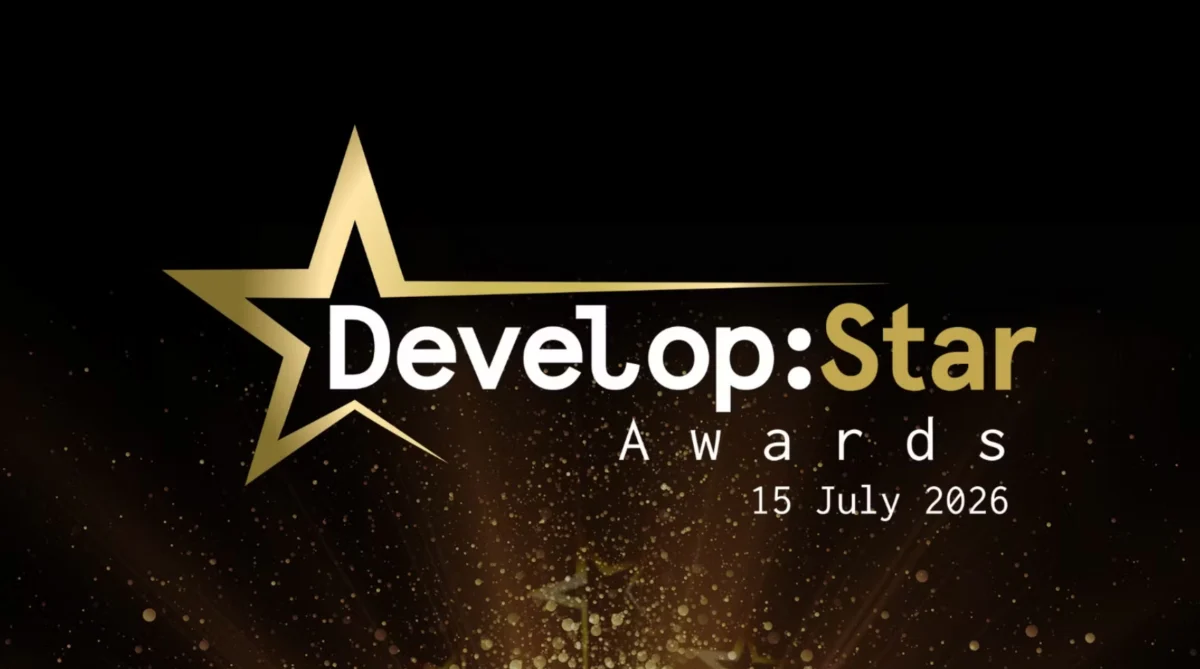
The landscape of interactive entertainment is set to reach a fever pitch this July as the industry turns its eyes toward the coast of Sussex for the annual Develop:Star Awards. In a year defined by high-concept narratives and technical ambition, the shortlists for the 2026 ceremony have finally been unveiled, revealing a fierce competition between the year’s most critically acclaimed titles.
Leading the charge are two heavyweights: Sandfall Interactive’s turn-based RPG Clair Obscur: Expedition 33 and Sucker Punch Productions’ highly anticipated sequel, Ghost of Yōtei. Both titles have secured a staggering six nominations each, cementing their status as the frontrunners in a field crowded with visionary design and artistic innovation.
The Main Event: A Clash of Titans
The Develop:Star Awards, a cornerstone event within the annual Develop:Brighton conference, serves as a peer-voted barometer for excellence in the UK and international games industry. This year, the panel of industry experts tasked with whittling down the entries faced the daunting challenge of selecting winners from an exceptionally high-caliber pool of talent.
The competition is most intense in the "Best Game" category, which serves as the ceremony’s marquee prize. While Clair Obscur: Expedition 33 and Ghost of Yōtei occupy the spotlight, they are by no means guaranteed victory. The category features a diverse array of competition, including:
- Blue Prince: A game that has captivated audiences with its unique architectural puzzles.
- Dispatch: A title that has garnered praise for its innovative mechanical approach.
- Jurassic World Evolution 3: A testament to the enduring power of high-budget simulation and management strategy.
- Death Stranding 2: On The Beach: Hideo Kojima’s latest, which continues to push the boundaries of cinematic storytelling.
- Peak: A dark horse candidate that has impressed critics with its distinct atmosphere and design.
The presence of these titles in the Best Game category highlights the sheer breadth of the current gaming landscape, spanning everything from hyper-realistic open-world epics to stylized, experimental indie projects.
Chronology and the Path to Brighton
The road to the July ceremony began months ago with an exhaustive selection process. Industry experts were tasked with reviewing hundreds of submissions across 18 distinct categories. This year, the organizers introduced a brand-new category—"Best Ongoing Game"—in recognition of the industry’s shift toward long-term live service and evolving digital experiences.
The selection process was designed to ensure that the awards remain a true reflection of professional sentiment. By utilizing a panel of industry veterans, the Develop:Star Awards distinguishes itself from public-voted accolades, prioritizing technical craftsmanship, innovation, and design philosophy over sheer popularity or marketing spend.
With the shortlists now finalized, the attention shifts to the voting phase. Industry professionals have until June 3 to cast their ballots. The culmination of this process will occur on July 15, during the Develop:Brighton conference, where the winners will be announced at a gala ceremony that has become a staple of the European games industry calendar.
Supporting Data: Why These Titles Stand Out
The dominance of Clair Obscur: Expedition 33 and Ghost of Yōtei is no accident. Both games have excelled in three specific categories: Best Visual Art, Best Game Design, and Best Narrative.
Visual Art and Narrative Depth
Clair Obscur: Expedition 33 has been lauded for its distinct art style, which draws inspiration from classical painting and surrealist concepts. Its nomination in the Best Narrative category reflects a growing industry trend toward deep, philosophical storytelling that doesn’t rely on traditional action tropes.
Conversely, Ghost of Yōtei has been praised for its technical fidelity and environmental storytelling. By expanding on the established formula of its predecessor, Sucker Punch has demonstrated an ability to iterate on complex open-world systems while maintaining a high standard of aesthetic cohesion.
The "Tomorrow’s Star" Spotlight
Beyond the blockbuster titles, the Develop:Star Awards continues its tradition of identifying the next generation of industry leaders. The "Tomorrow’s Star" category this year features a shortlist of individuals who have already begun to make waves:
- Ayo Norman-Williams
- Deevya Patel
- Dennis Welling
- Elise Barry
- Jing Wang
- Nicole Gregory
This award serves as a vital platform for emerging talent, providing them with the visibility necessary to spearhead projects in the coming decade. Previous winners have often gone on to lead major studios or launch influential indie ventures, making this one of the most-watched categories of the night.
Official Responses and Industry Sentiment
Tandem Events, the organizer behind the awards, has expressed significant satisfaction with the caliber of this year’s submissions. Andy Lane, managing director of Tandem Events, emphasized the inclusive nature of the ceremony during the announcement.
"The Develop:Star Awards has always been a platform for the best and brightest in the games industry, and this year’s nominees are no exception," Lane stated. "We’re happy that we can continue providing a space for games makers from all walks of life to be celebrated by their industry peers. It is through this recognition that we foster a culture of excellence and mutual support."
The ceremony also serves as a retrospective on industry leadership. While the recipient of the prestigious "Develop:Star Award"—the ceremony’s highest individual honor—remains under wraps, it is expected to be a figure of significant influence. Previous honorees include luminaries such as Sam Lake of Remedy Entertainment, whose work on the Alan Wake and Control series has redefined narrative structure; Shuhei Yoshida, the former president of Sony Interactive Entertainment; and the powerhouse studio Sports Interactive, creators of the Football Manager franchise.
Implications for the Future of Development
The nominations for 2026 offer a glimpse into the current state of game development. The industry is currently grappling with a "triple-threat" challenge: rising production costs, the demand for long-term engagement, and the need for artistic distinction.
The success of Clair Obscur and Ghost of Yōtei suggests that studios that prioritize a strong, singular creative vision are still able to rise to the top, even in a market crowded by sequels and remakes. The inclusion of Death Stranding 2 and Jurassic World Evolution 3 further reinforces that big-budget "AAA" titles are still capable of artistic innovation when they break from traditional genre conventions.
Furthermore, the introduction of the "Best Ongoing Game" category indicates that the industry is formally acknowledging the longevity of modern software. The days of "ship and forget" are largely over, and the Develop:Star Awards is adapting to ensure that the developers who manage these complex, living ecosystems receive the same level of acclaim as those who build traditional, finite experiences.
As the industry looks toward July 15, the conversation will undoubtedly revolve around which of these titles will set the standard for the next twelve months. Regardless of the outcome, the 2026 Develop:Star Awards promises to be a defining moment for the developers, artists, and designers who continue to push the boundaries of what is possible in interactive media. The prestige associated with these awards ensures that the winners will carry a mark of quality that will be referenced by players and publishers alike for years to come.


 Asro
Asro
 Nana Wu