Azzam Bilal Chamdy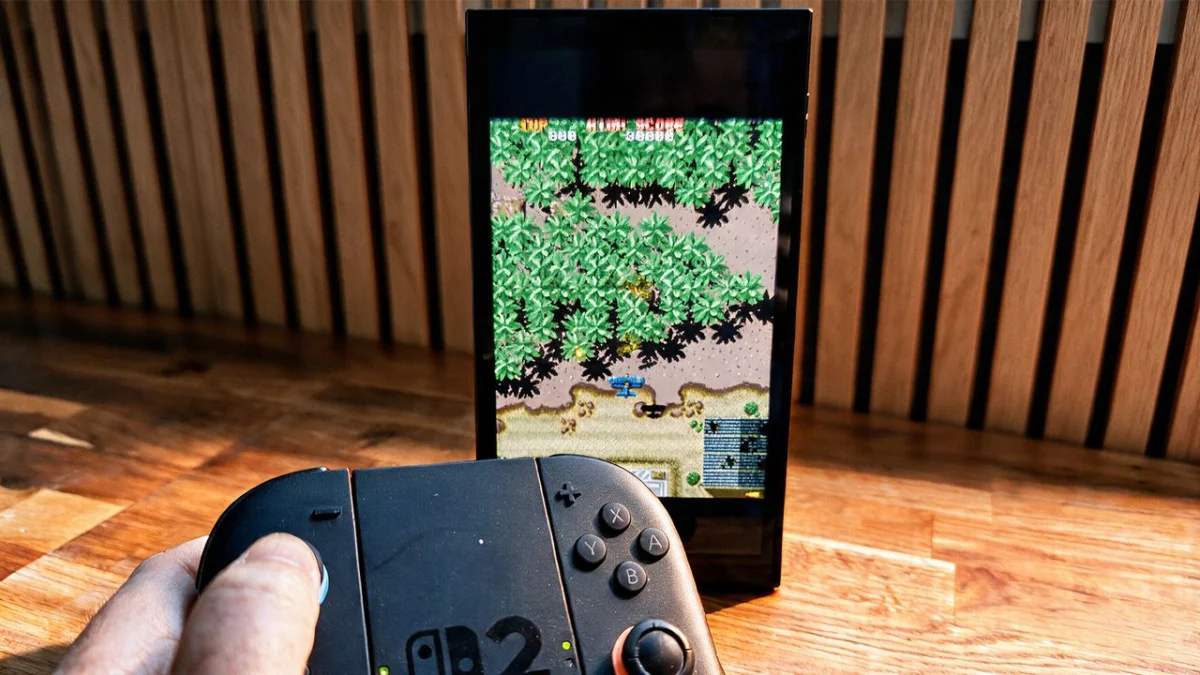
By Ian Dean
In the golden age of the arcade, success was measured in quarters, ten-pence pieces, and the sheer, unadulterated grit of the player. Games were not designed for "user retention" in the modern sense; they were engineered to be captivating, challenging, and—most importantly—profitable. Among the titans of this era, the Japanese developer Toaplan stood as a master of the "shmup" (shoot-’em-up) genre. Their titles were fast, unforgiving, and iconic.
Now, thanks to the meticulous work of M2, two of Toaplan’s most celebrated vertical shooters, Flying Shark (1987) and Fire Shark (1989), have been brought into the modern era via Toaplan Arcade Garage: Flying Fire Shark. This compilation serves as more than just a trip down memory lane; it is a high-fidelity preservation effort that highlights the evolution of arcade design and the delicate art of balancing difficulty with engagement.
The Main Facts: A Dual-Title Legacy
Toaplan Arcade Garage: Flying Fire Shark is the latest offering from M2’s "Shot Triggers" engine, a platform renowned among retro enthusiasts for its near-perfect emulation and granular customization options.
- Publisher: Clear River Games
- Developer: M2
- Release Date: 29 August
- Platforms: Nintendo Switch, PlayStation 4
- Core Content: Flying Shark (Arcade) and Fire Shark (Arcade)
The collection provides a window into the late 80s, allowing players to experience these games with original assets or, for the purists, with enhanced filters and display options. While the core gameplay remains untouched, M2 has layered in a suite of modern quality-of-life features, including customizable difficulty modes, save states, and the "M2 Gadgets" system, which provides real-time data on enemy patterns and item drops.
A Chronology of Difficulty: From Skill to Coin-Hunger
The inclusion of both Flying Shark and its sequel, Fire Shark, provides a fascinating case study in the evolution of arcade design philosophy.
In my youth, Flying Shark was a staple at my local ice rink. It was a game that earned its reputation for difficulty through fairness. It taught the player to study patterns, memorize enemy placements, and refine their reflexes. You didn’t feel cheated when you died; you felt like you had failed a test of skill. This was the "learning" phase of arcade design—a loop that encouraged repeat play.
Fire Shark, released two years later, represents a shift. As the industry pushed for higher difficulty to maximize revenue, Fire Shark leaned into a faster, more chaotic, and significantly less forgiving design. It is a game that feels at times like a machine built specifically to drain your wallet. While Flying Shark invites you to "get good," Fire Shark often feels like it is waiting for you to make a single mistake so it can end your run.
Playing these two back-to-back in the M2 collection makes this design dichotomy stark. Flying Shark remains the more playable, rewarding experience, while Fire Shark stands as a brutal monument to the "coin-op" era’s most aggressive design tendencies.
Supporting Data: Why M2’s Preservation Matters
The quality of emulation in the retro gaming market is often hit-or-miss. When comparing M2’s work to other recent collections, such as the Evercade Toaplan Arcade Collection Vol. 1, the difference is palpable.
M2’s approach focuses on the "feel" of the hardware. The audio in this collection—the sharp, piercing cracks of the explosions and the satisfying thud of your primary weapons—has a physical weight to it that lesser emulations lack. When you play a shooter, the sound is half the feedback loop; if the audio is thin, the game feels hollow. M2 ensures that the sonic punch of the original arcade cabinets remains intact.
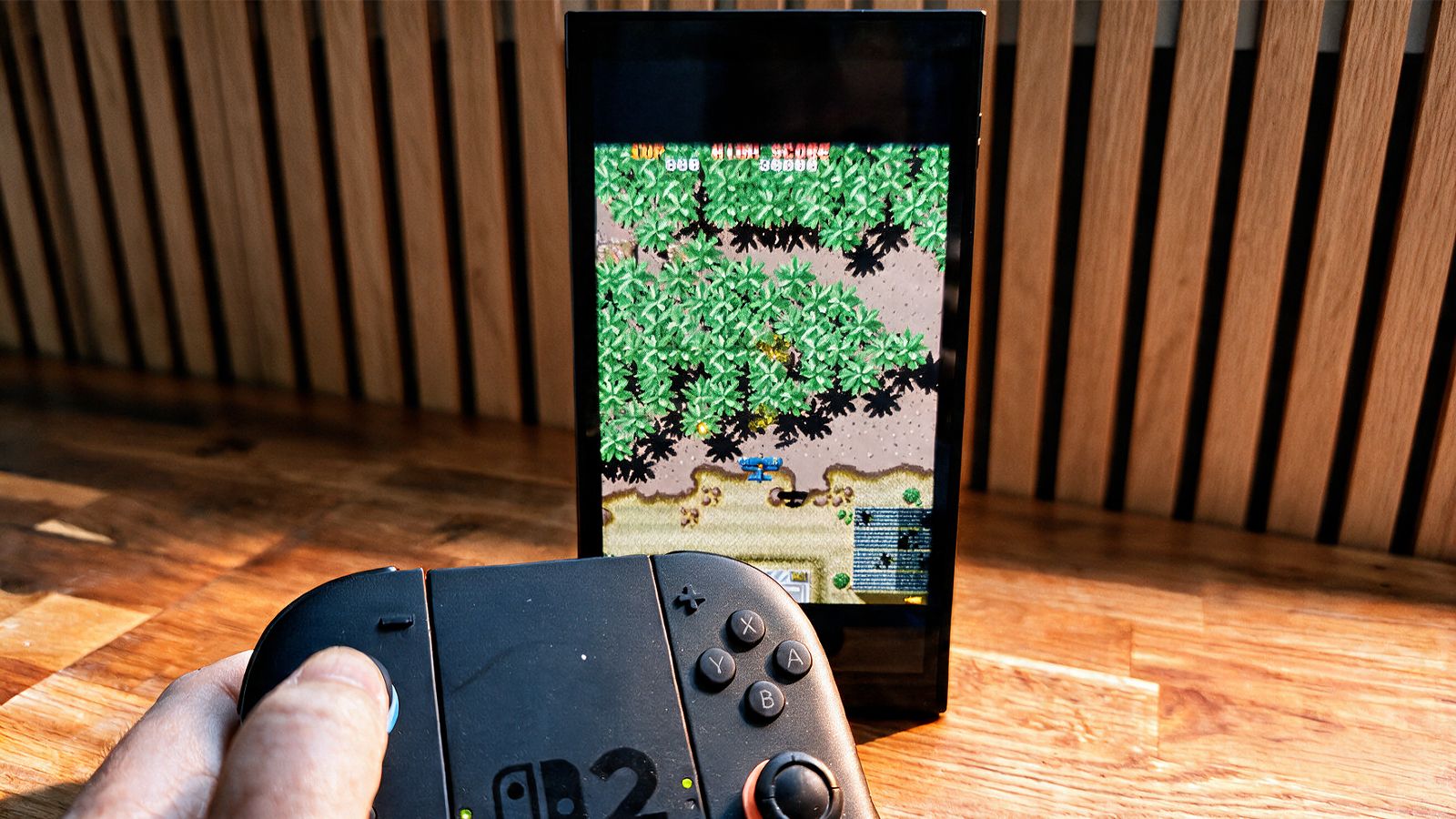
Furthermore, the implementation of "TATE" mode is a triumph. By allowing the Nintendo Switch to be rotated into a vertical orientation, the game utilizes the entire screen, mirroring the original vertical monitors of the arcade cabinets. This isn’t just a aesthetic choice; it is a functional requirement for high-level play, providing the necessary vertical headroom to react to incoming threats.
Official Responses and Technical Considerations
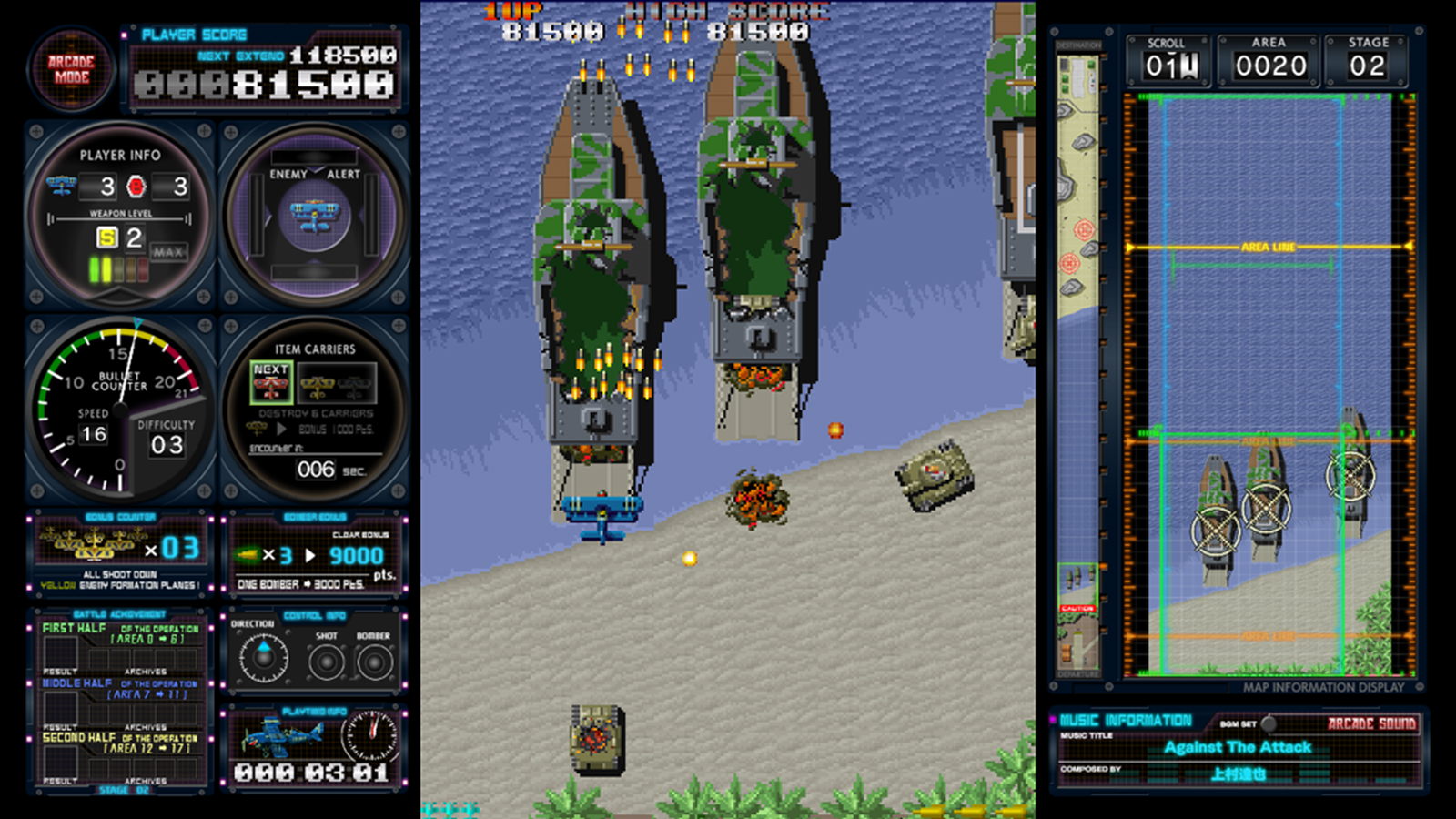
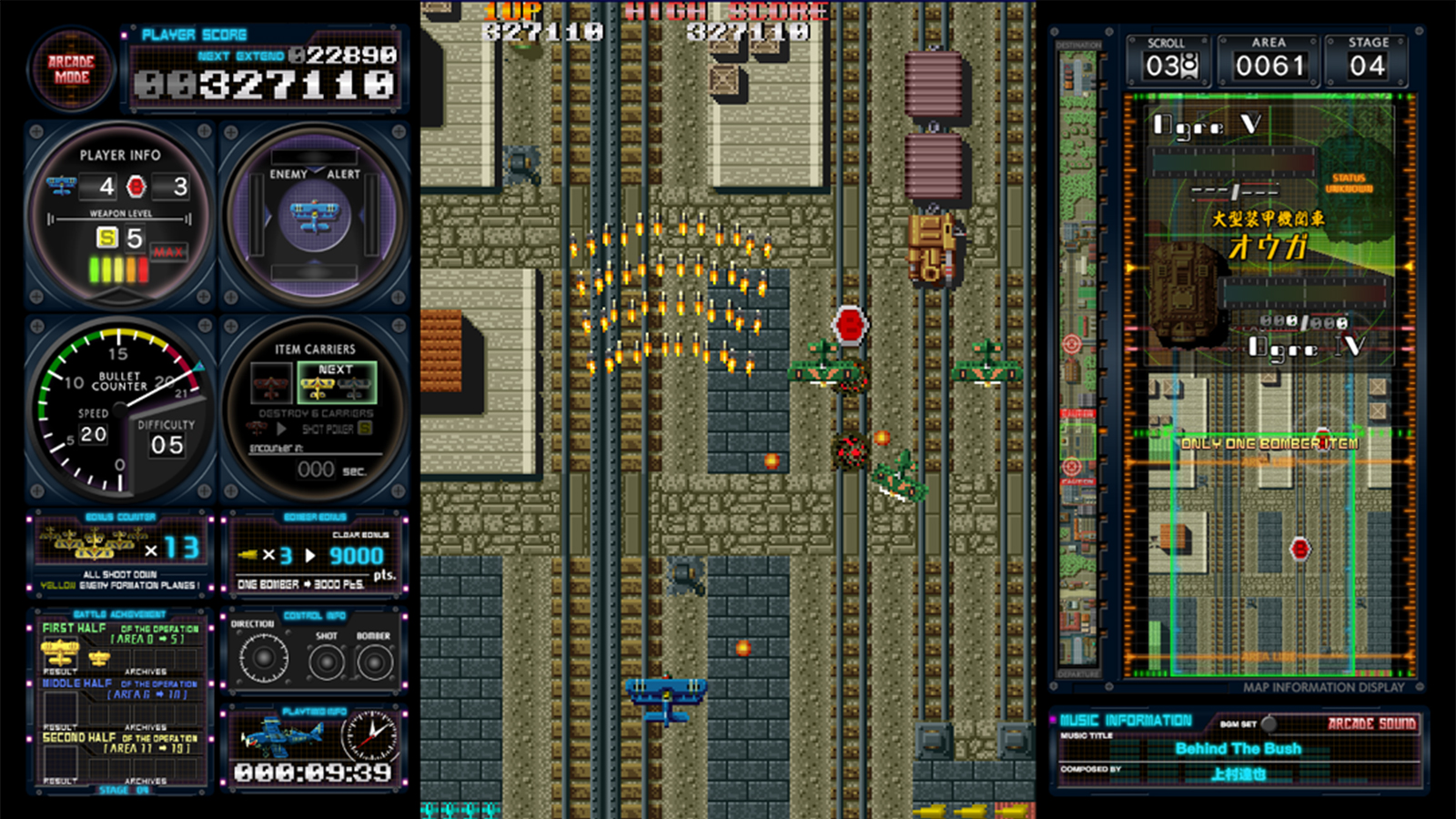
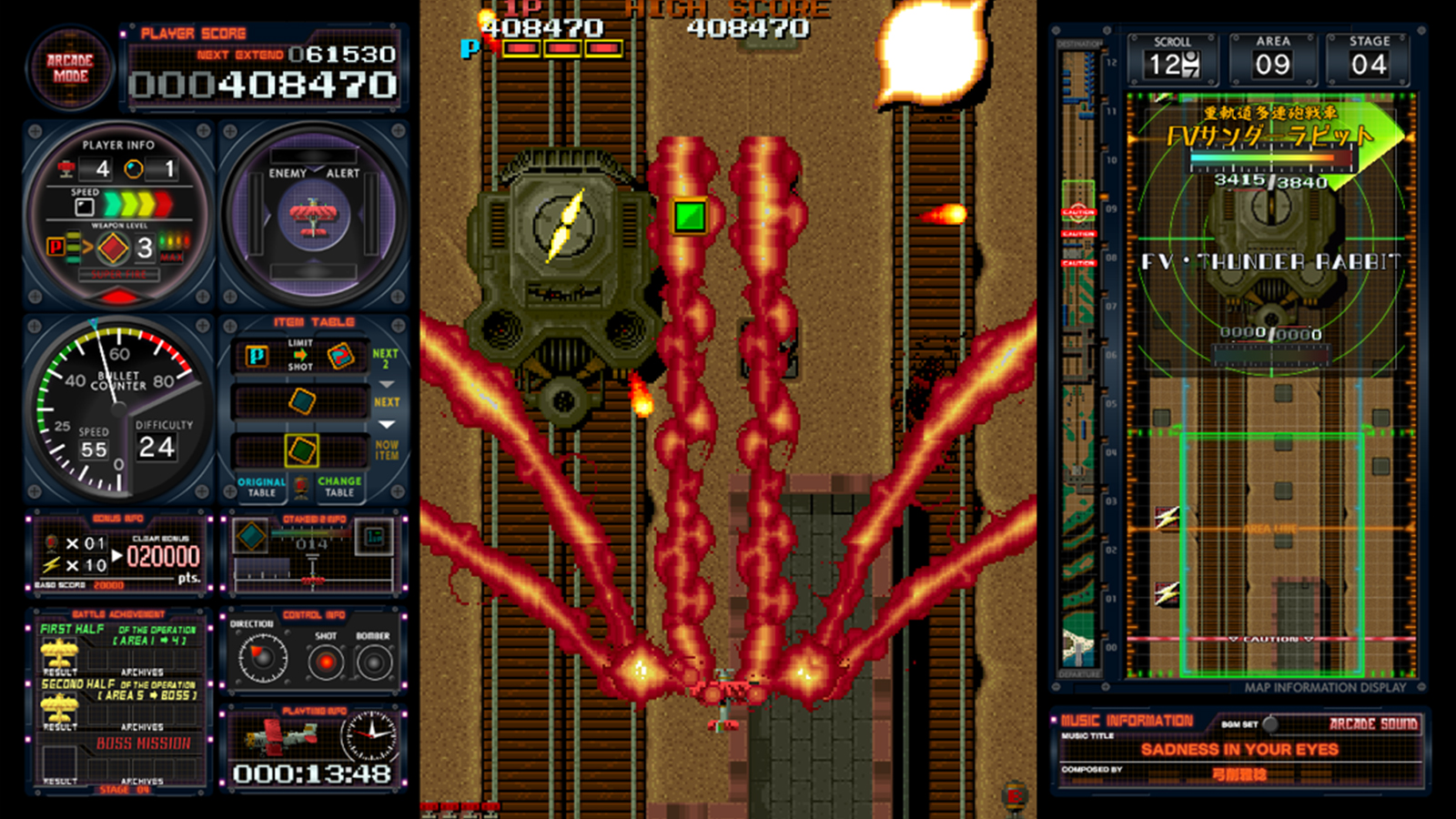
M2 has implemented their proprietary "Gadgets" system, which occupies the empty screen space flanking the vertical gameplay area. These displays provide a wealth of information: a map of your progress, warnings about impending enemy waves, and even a "blind-spot radar."
However, this feature is a double-edged sword. While it is a testament to the technical depth of M2’s engine, it can prove distracting. For players seeking a pure experience, these gadgets can feel like clutter. M2 has wisely allowed these to be toggled, ensuring that the user experience is as minimalist or as data-heavy as the player desires.
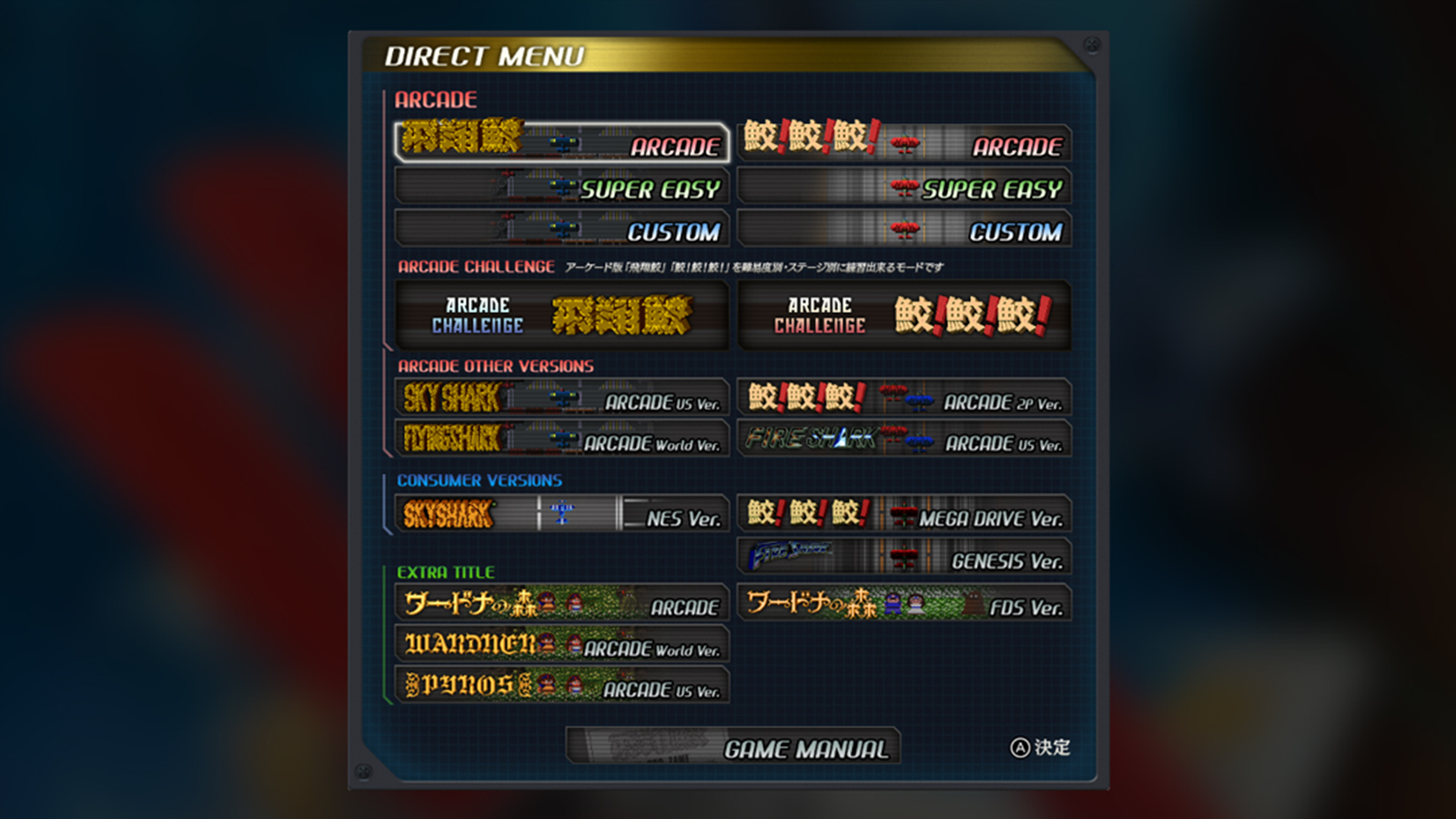
A point of contention for some may be the menu structure. With multiple versions of each game included (World, Japanese, etc.), the navigation can feel like an aviation cockpit. It requires a learning curve to navigate the options, and the reliance on cryptic graphical logos for version selection can be off-putting for casual players.
Implications: The Future of Retro Gaming
The release of Toaplan Arcade Garage: Flying Fire Shark raises important questions about the accessibility of gaming history. The decision to gate certain extra versions (such as the NES, Mega Drive, and Genesis ports) and the bonus game Wardner behind digital DLC—unless one opts for the more expensive physical edition—is a model that will undoubtedly continue to stir debate among collectors.
Yet, the implication for the genre is clear: there is a thriving, albeit niche, market for high-quality, professional-grade preservation. M2 is not merely "porting" these games; they are curating them. By offering both the raw, "as-intended" arcade experience and a "Challenge" mode that includes modern safety nets like hit-rewind, M2 is successfully bridging the gap between nostalgic veterans and modern gamers who may find the difficulty of 80s arcade titles impenetrable.
The Verdict
Flying Shark remains a timeless classic—a game that feels personal, tactical, and balanced. Fire Shark is a wild, adrenaline-fueled, and occasionally punishing sequel that will delight the masochists among us.
Despite a slightly cluttered UI and a complex menu system that may intimidate the uninitiated, this collection is a landmark in arcade preservation. It proves that with the right tools, the games that once ate our pocket money at the local ice rink can still command our attention, our respect, and our time.
If you are a fan of vertical shooters, this is the gold standard. Just don’t expect me to believe you can beat Flying Shark on a single credit—some myths are best left in the arcade.
Ian Dean is the Editor of Digital Arts & 3D at Creative Bloq. With a career spanning decades in gaming journalism—including roles at Official PlayStation Magazine and ImagineFX—he brings a deep, technical, and historical perspective to the intersection of digital art, technology, and interactive entertainment.


 Pevita Pearce
 Neng Nana