Layla Zulfa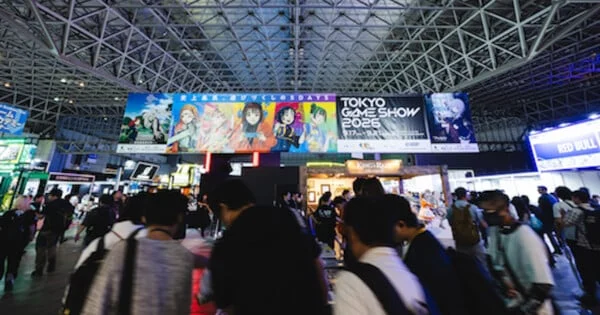
Tokyo, Japan – September 21, 2026 – The highly anticipated Tokyo Game Show (TGS) 2026 concluded its four-day run yesterday, drawing a total of 257,642 in-person attendees. While this figure represents a modest decrease from the previous year’s 263,101 visitors, the event marked a significant stride in its operational ambition with a planned five-day schedule, ultimately curtailed by the disruptive arrival of Typhoon No. 25, locally known as Typhoon Dujuan.
Despite the slight dip in physical attendance, the 2026 iteration of TGS showcased the enduring appeal of one of the world’s premier video game expos. The event, held from September 17th to 20th at the sprawling Makuhari Messe convention center, also boasted an extensive online component, reaching a global audience through various streaming platforms. The overarching theme for TGS 2026, "The Longest Ever, Five Days Full of Play," underscored organizers’ commitment to expanding the experience and offering more opportunities for engagement. However, the reality of an unpredictable natural element ultimately reshaped the intended five-day grand finale into a truncated four-day spectacle.
A Look at the Numbers: In-Person Attendance and Day-by-Day Breakdown
The final attendance count of 257,642 in-person visitors reflects a careful, albeit slight, decrease compared to the 263,101 attendees recorded in the previous year. It is important to note that TGS employs a specific methodology for its attendance figures, where individuals attending all four days are counted four times, once for each day. This approach provides a comprehensive view of daily engagement across the event.
The busiest day for the convention was the first public day, Saturday, September 19th, which saw a robust turnout of 78,678 attendees. This was closely followed by the second public day, Sunday, September 20th, with 72,789 visitors. The initial business days, designed for industry professionals and media, also garnered significant attention. The first business day, Thursday, September 17th, welcomed 53,630 participants, while the second business day, Friday, September 18th, saw 52,545 attendees.
The intended third public day, Monday, September 21st, was officially cancelled due to the looming threat of Typhoon No. 25. This decision, made out of an abundance of caution for the safety of attendees, exhibitors, and staff, meant that the ambitious five-day plan was cut short. Organizers confirmed that refunds would be issued to those who had purchased tickets for the cancelled Monday session. Furthermore, efforts were underway to stream select stage events that were originally scheduled for Monday, mitigating the loss of content for the online audience.
The Evolution of Tokyo Game Show: A Historical Perspective
The Tokyo Game Show has a rich and dynamic history, reflecting the evolving landscape of the video game industry. Launched in 1996 as a three-day event, it quickly established itself as a key platform for showcasing the latest in gaming technology and software. The subsequent year, 1997, saw an ambitious expansion to two annual events – a spring and a fall edition – demonstrating the burgeoning demand and industry growth.
However, the market experienced shifts, and by 2002, TGS consolidated back into a single, annual three-day event. The year 2007 marked another significant expansion, with the show growing to a four-day format, a structure that had become the standard for many years. The 2026 edition represented a bold leap forward, with organizers aiming to extend the event to five days for the first time, a testament to the continuous growth and global influence of the Japanese gaming market. The initial plan for September 17th to 21st, with business days on the 17th and 18th, followed by public days from the 19th to the 21st, highlighted this strategic move towards a more immersive and extended experience.

The Impact of Typhoon Dujuan: A Force Majeure
The cancellation of the final day of Tokyo Game Show 2026 serves as a stark reminder of the unpredictable forces of nature and their potential to disrupt even the most meticulously planned events. Typhoon No. 25, Typhoon Dujuan, was forecast to approach Japan’s Kanto region on Monday, September 21st, bringing with it the likelihood of heavy rainfall, strong winds, and potentially hazardous conditions.
The decision to cancel the final day was a proactive measure taken by the event organizers, the Computer Entertainment Supplier’s Association (CESA) and Nikkei Business Publications, Inc., in collaboration with Sony Music Solutions Inc. Safety was paramount, and organizers deemed it necessary to prevent any potential risks to the thousands of individuals who would have been present at Makuhari Messe. This foresight, while disappointing for many, underscored a responsible approach to event management in the face of an impending natural disaster. The impact of such events is often far-reaching, affecting not only the immediate schedule but also the overall experience and logistical planning for both attendees and exhibitors.
A Global Stage: Exhibitors, Content, and Online Reach
Despite the weather-related disruption, Tokyo Game Show 2026 maintained its status as a global hub for the gaming industry. The in-person venue at Makuhari Messe played host to an impressive array of talent, with 1,138 companies and organizations from 53 countries and regions showcasing their latest innovations. This diverse participation highlighted the international scope of TGS and its importance as a platform for global game developers and publishers.
The online component of TGS 2026 was equally robust, extending the reach of the event far beyond the physical confines of the convention center. A total of 25 online streaming programs were broadcast, accessible on TGS’s official YouTube, X (formerly Twitter), and Twitch accounts. Additionally, the event leveraged other popular online platforms such as niconico. For the crucial Chinese market, streams were available on DouYu and Bilibili, while IGN provided coverage for audiences in Europe and North America. This multi-platform approach ensured that a vast global audience could engage with the latest game announcements, developer interviews, and behind-the-scenes content, regardless of their geographical location.
The theme, "The Longest Ever, Five Days Full of Play," was intended to encapsulate a comprehensive experience, and while the physical duration was shortened, the spirit of extensive content delivery was largely maintained through the digital channels. The online presence proved invaluable in compensating for the loss of the final day of in-person activities, allowing a broader segment of the gaming community to participate in the TGS 2026 festivities.
Looking Ahead: TGS 2027 and the Future of the Event
Undeterred by the challenges of the 2026 event, organizers have already set their sights on the future, confirming the dates for Tokyo Game Show 2027. The next iteration of the acclaimed expo is scheduled to run from September 16th to 20th, 2027, with the in-person venue remaining at Makuhari Messe. Notably, the organizers have expressed their intention to again pursue a five-day event, a plan that was initially envisioned for 2026. This renewed commitment signals a strong belief in the value and potential of an extended TGS experience.
The experience of TGS 2026, including the successful integration of a robust online presence and the unforeseen impact of a typhoon, will undoubtedly inform future planning. The ability to adapt and innovate, as demonstrated by the swift transition to online streaming and the refund process for the cancelled day, will be crucial for the continued success of the event. The Tokyo Game Show remains a pivotal moment in the global gaming calendar, and its evolution will be closely watched by developers, publishers, and gamers alike. The commitment to a five-day format in 2027 suggests a forward-thinking approach, aiming to capitalize on the growing global appetite for immersive and comprehensive gaming expos.


 Lina Irawan
 Nana Muazin