

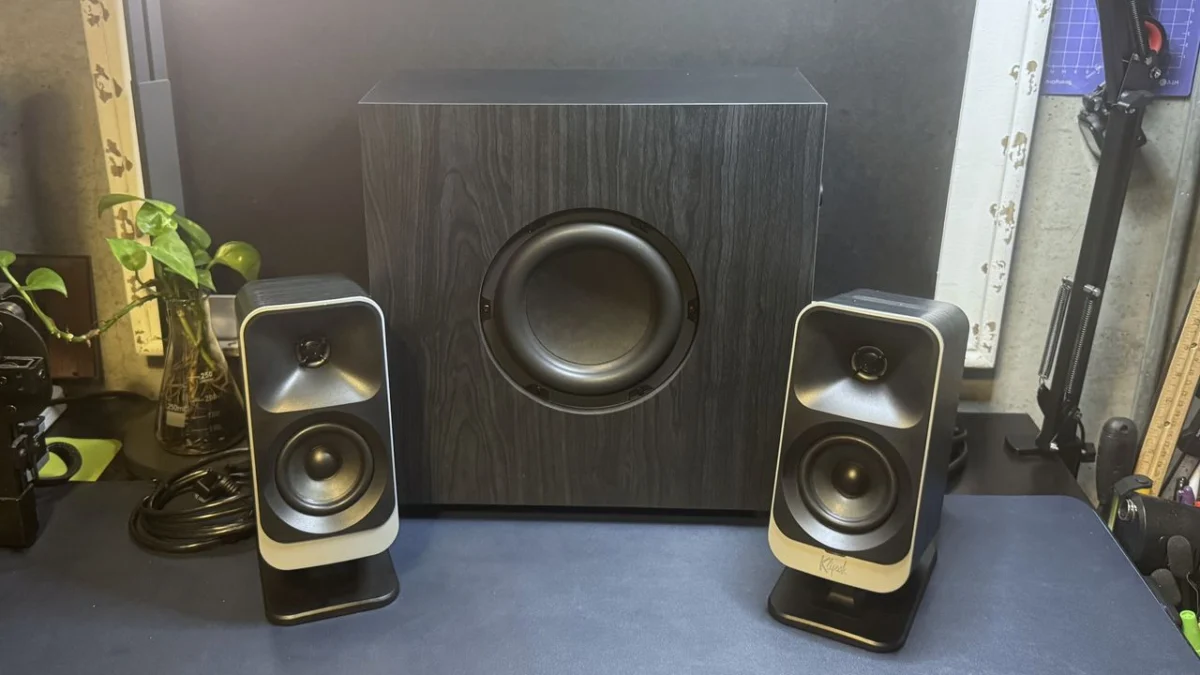
For over two decades, the Klipsch ProMedia 2.1 system has held a near-mythical status in the world of PC audio. Since its debut in 1999—originally as the THX-certified ProMedia v2-400 4.1 system—Klipsch defined what high-end, desktop-bound sound should look and feel like. While the lineup has seen minor iterations, such as the integration of Bluetooth, the core design has remained largely stagnant. That changes today with the release of the Klipsch ProMedia Lumina.
The Lumina represents a bold attempt to drag the classic ProMedia aesthetic into the era of RGB-saturated gaming setups. However, as our testing reveals, while the aesthetic evolution is welcome, the acoustic performance—specifically regarding the system’s namesake subwoofer—leaves us questioning whether this is an evolution or merely a reconfiguration.
The Evolution of an Icon: Chronology and Design
To understand the significance of the ProMedia Lumina, one must look at the lineage of the ProMedia series. The turn of the millennium saw the birth of the ProMedia 2.1, a system that quickly became the gold standard for desktop speakers. It offered a level of clarity and power that few competitors could match, making it a fixture in both audiophile dens and hardcore gaming rigs.
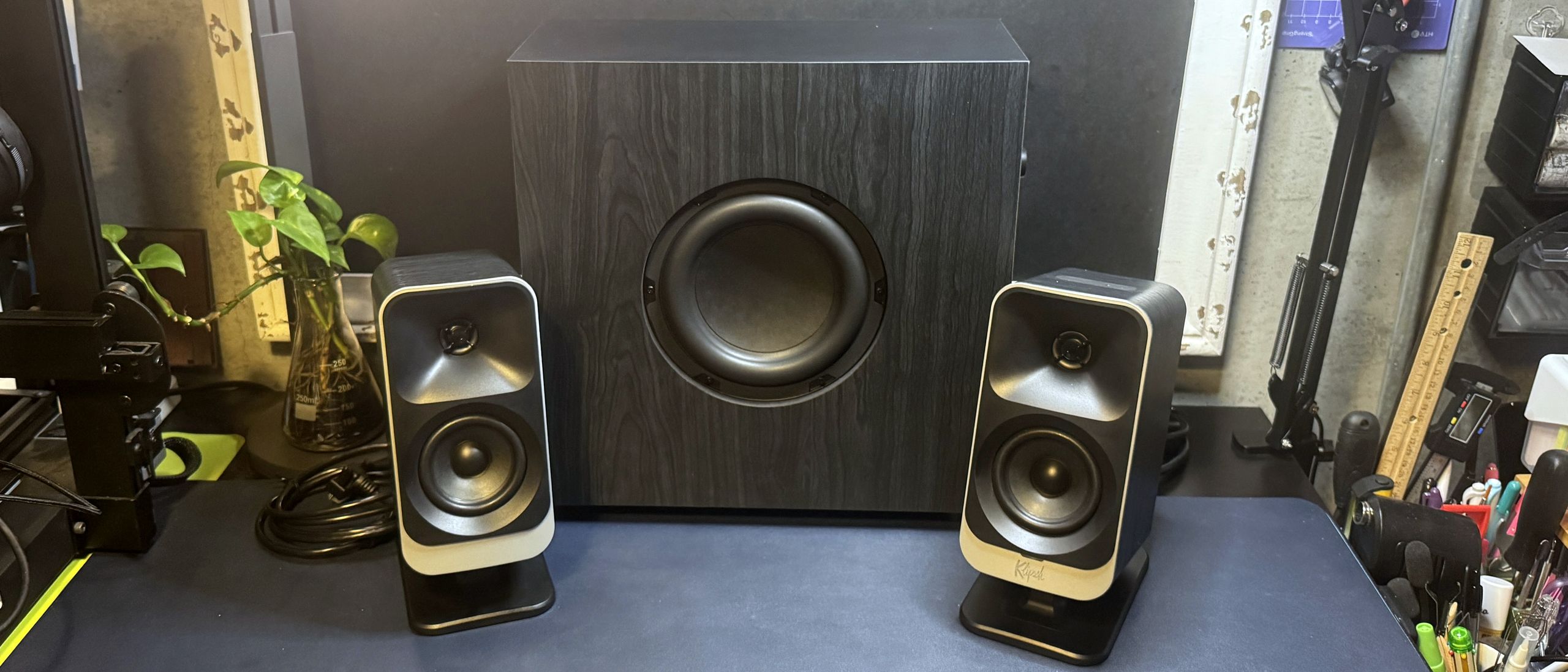
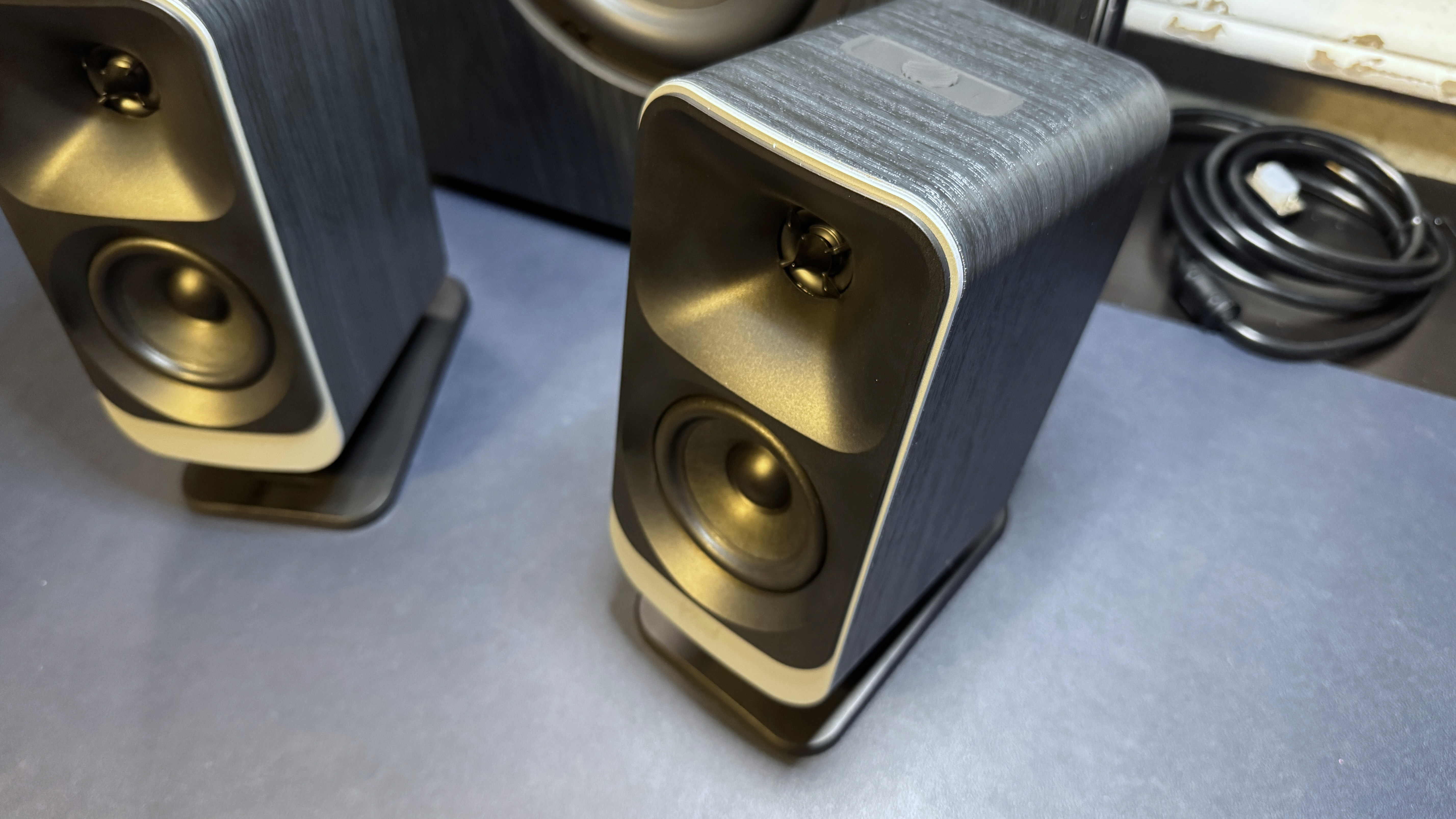
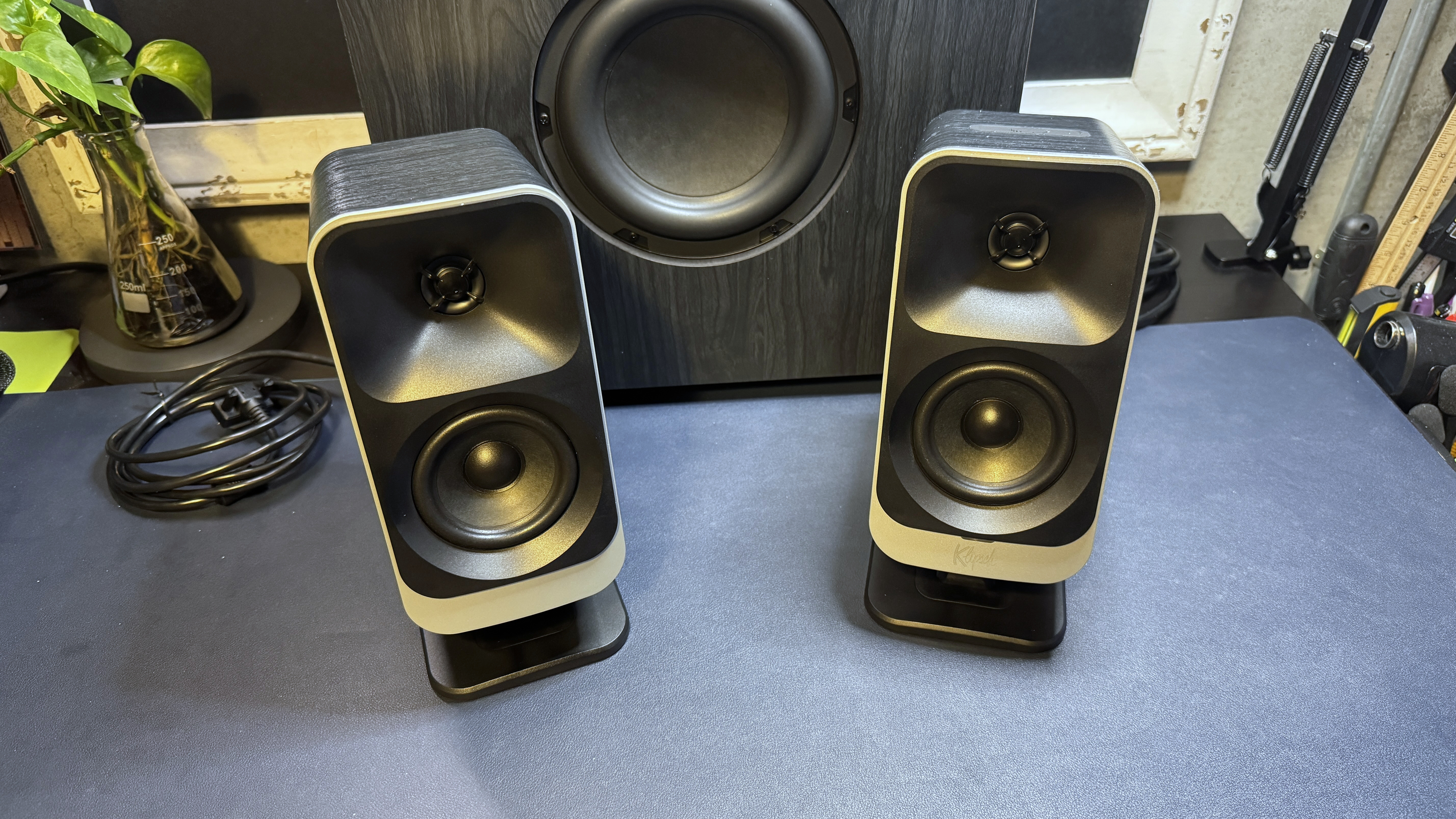
The new ProMedia Lumina shifts away from the utilitarian, boxy aesthetic of its predecessors. Klipsch has opted for an angular, modern look, characterized by primary speakers that feature rounded corners and a sophisticated, albeit potentially polarizing, black woodgrain-finish vinyl wrap. The move to incorporate customizable backlighting indicates that Klipsch is leaning heavily into the "gamer" market, seeking to compete with the likes of Razer and Logitech.
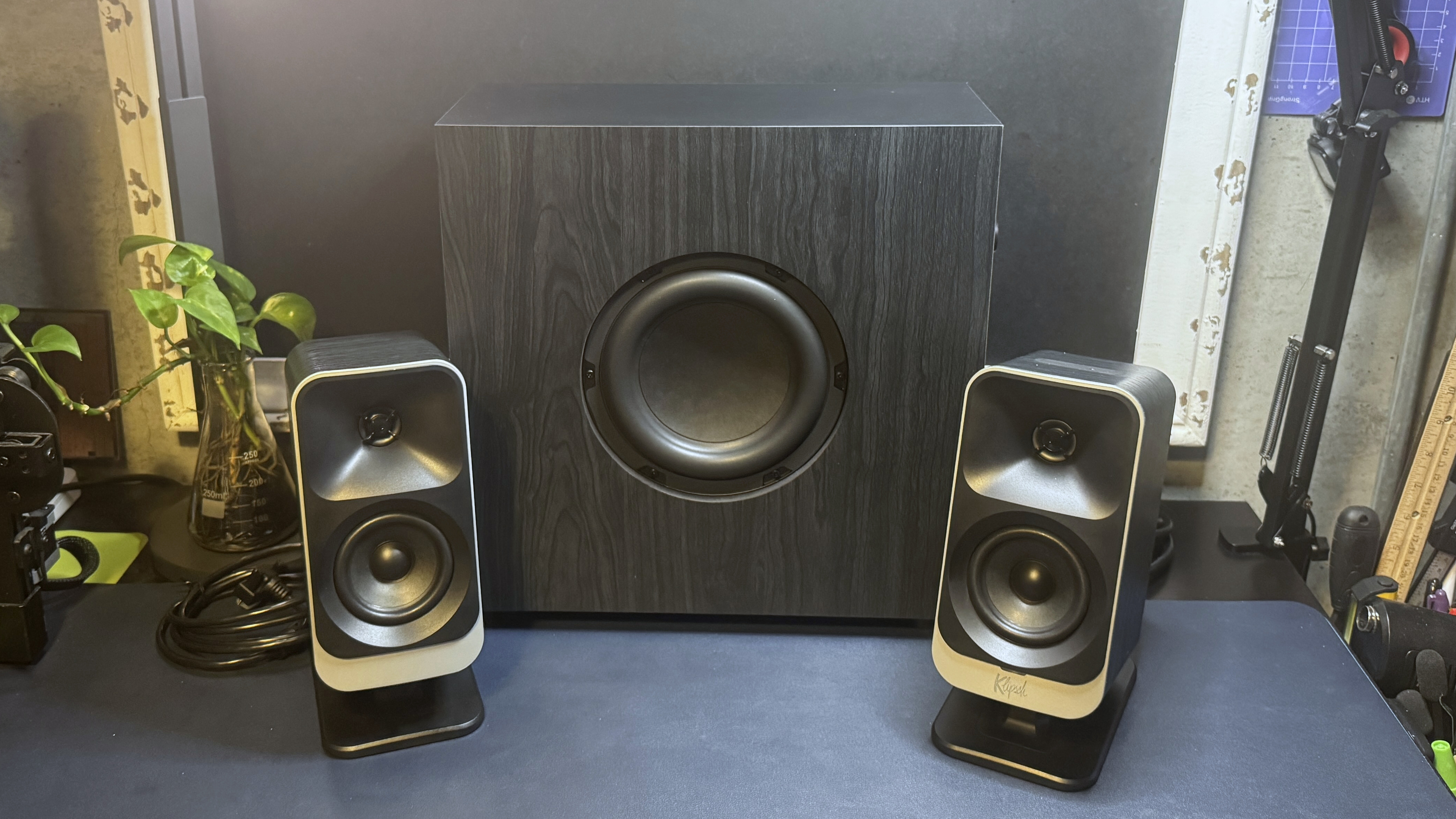
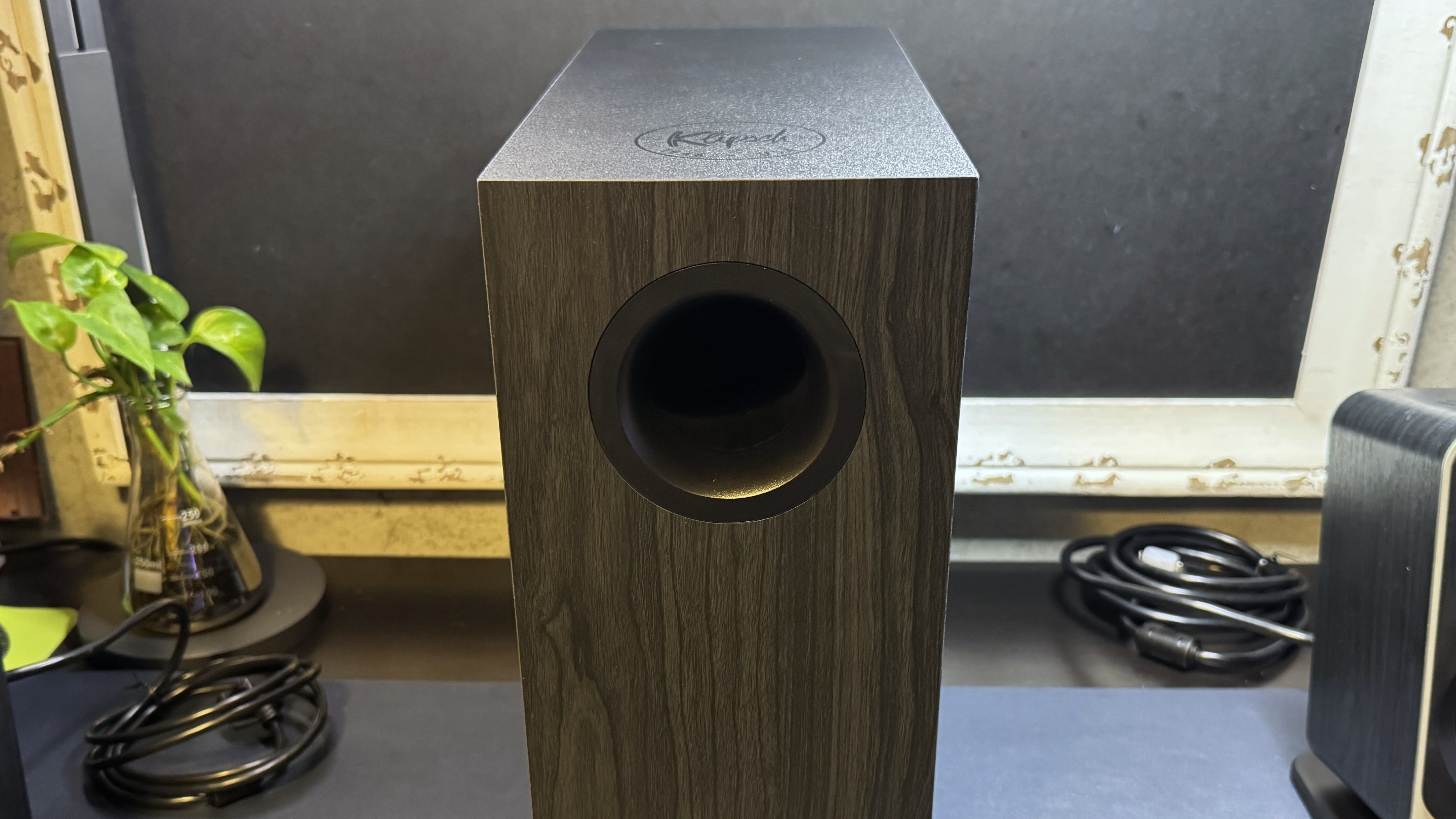
The subwoofer has undergone the most dramatic transformation. The classic, bulky cube design has been replaced by a significantly slimmer, side-firing enclosure. Measuring roughly 14 inches tall and 6 inches deep, it is clearly designed to slide into tight spaces, fitting the ergonomics of a modern, crowded desk setup. Yet, this slim profile raises immediate questions about acoustic volume and the physical displacement required for truly authoritative bass.
Performance Analysis: The Midrange Star, The Subwoofer Letdown
When testing the Lumina, we put the system through a gauntlet of high-fidelity music, competitive gaming scenarios, and general multimedia consumption.
Acoustic Fidelity
The primary satellite speakers house a 1-inch Mylar tweeter and a 3-inch midrange driver. In this department, the Lumina shines. The midrange is articulate, present, and remarkably well-rounded. Listening to dynamic, vocal-forward tracks like K-391’s Lonely World, the system produced a vibrant soundstage that felt far larger than the footprint of the speakers would suggest.
The high frequencies are equally impressive—crisp without veering into the "sibilant" territory that plagues many cheaper desktop speakers. Even on tracks known for piercing highs, like Britney Spears’ Toxic, the Lumina maintained composure, providing a clean, non-fatiguing listening experience.
Gaming Performance
For gamers, the sound signature is quite beneficial. The clarity of the mids and highs allows for easy identification of audio cues—footsteps, reloading sounds, and environmental ambience are rendered with distinct separation. The spatial imaging is adequate, providing a reasonable sense of directionality that is vital for tactical shooters.
The Bass Conundrum
The most significant point of contention is the subwoofer. Despite the system being marketed as a 2.1 setup, the low-end performance is underwhelming. Even when the gain knob on the rear of the subwoofer is cranked to its maximum setting, the output lacks the physical "thump" and authority one expects from a dedicated subwoofer.
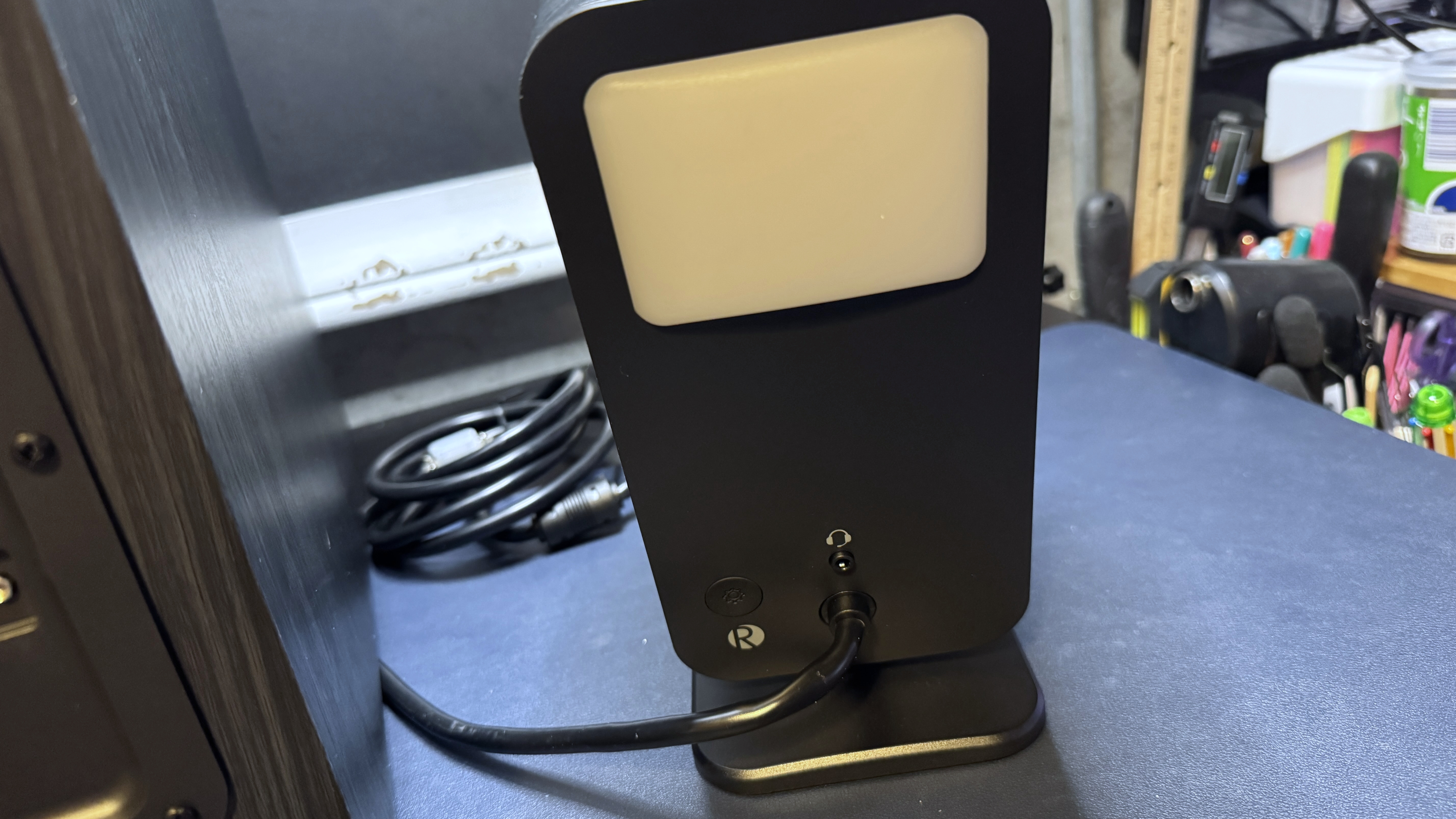
In many test tracks, the lower mids did the heavy lifting, creating a "perceived" bass that wasn’t actually being driven by the sub. This is particularly problematic given the proprietary DB9 connectors used to link the satellites to the sub. Because the system is physically locked into this configuration, users cannot swap the lackluster Klipsch sub for a more capable third-party unit. It raises the question: if the subwoofer isn’t providing a meaningful enhancement to the sound, does it serve any purpose other than taking up floor space?
Features, Software, and Connectivity
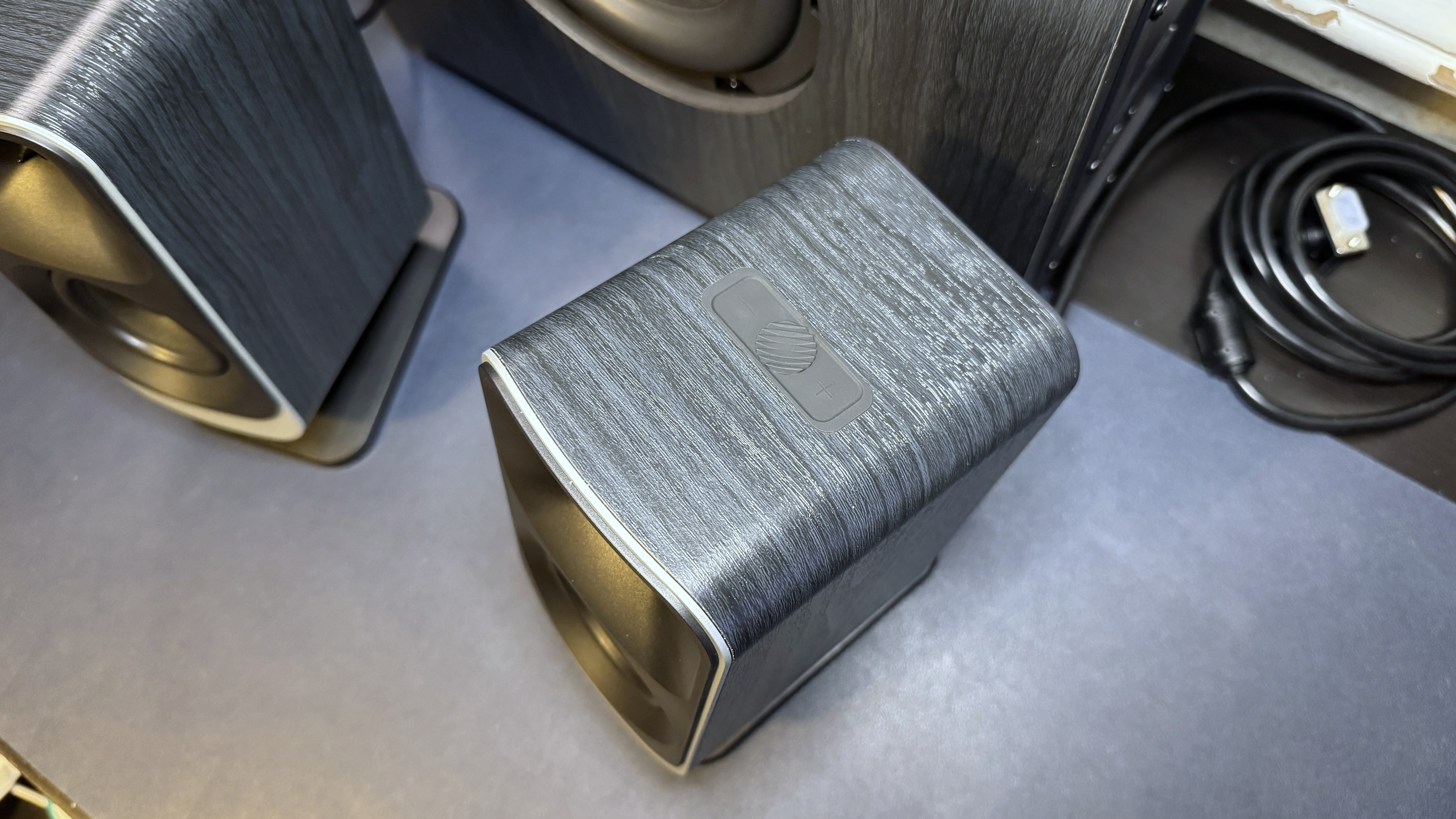
Klipsch has modernized the control scheme significantly. The right satellite serves as the primary hub, featuring a trio of rubberized, albeit somewhat tactilely disappointing, buttons on the top. These manage volume and the integrated backlighting.
The real power lies in the software. The Klipsch Control app (available on PC and mobile) is where the Lumina truly comes to life. Users can:
- Customize Lighting: While not as granular as Razer Chroma or Corsair iCUE, the built-in presets and the "screen react" feature provide a reasonable level of immersion.
- EQ Tuning: The 6-band equalizer is a standout feature, allowing users to salvage some of the lackluster bass response or brighten up the mids to taste.
- Functional Toggles: The inclusion of "Night Mode"—which cuts bass by 50%—is a thoughtful addition for late-night gaming sessions.
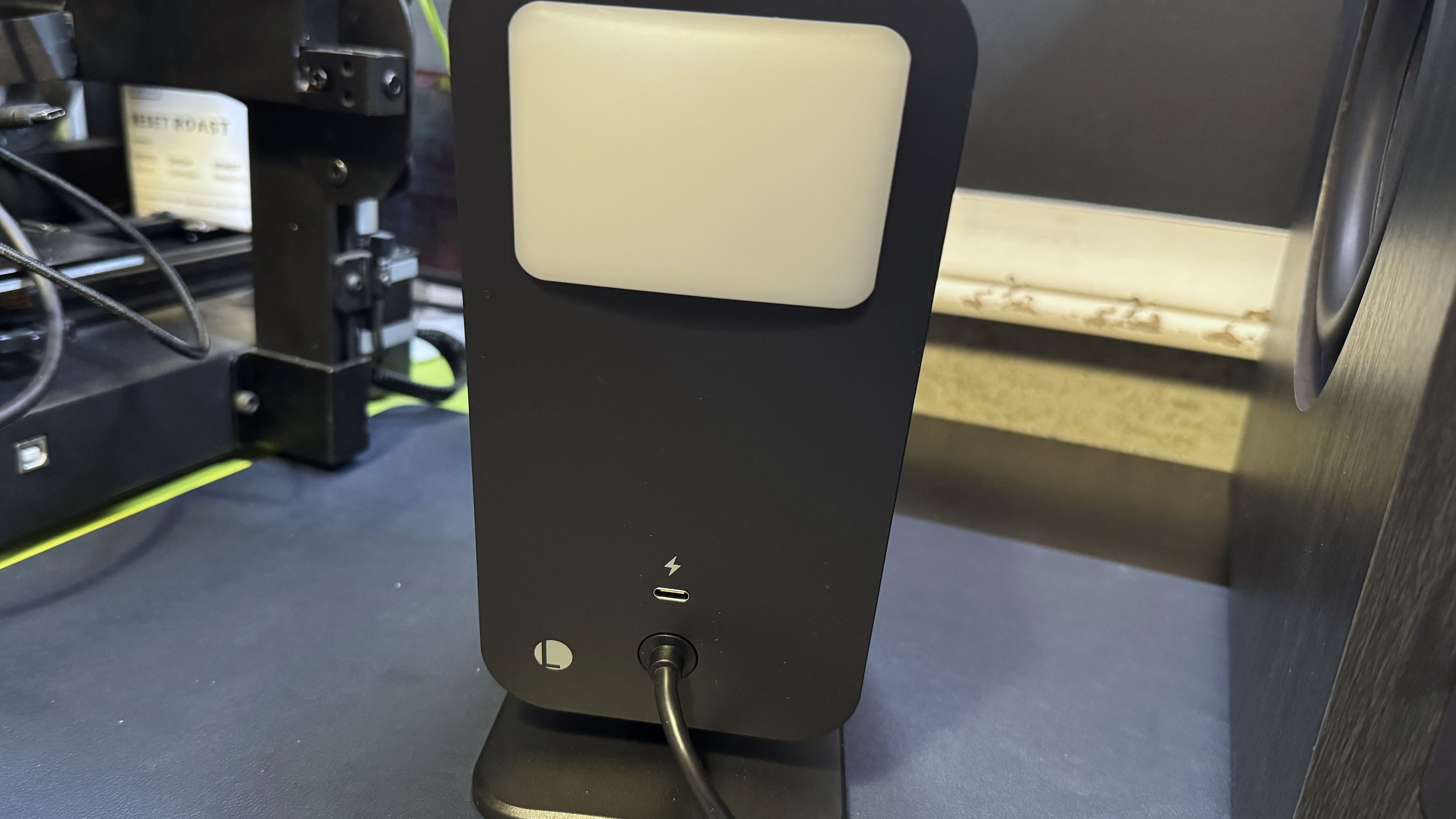
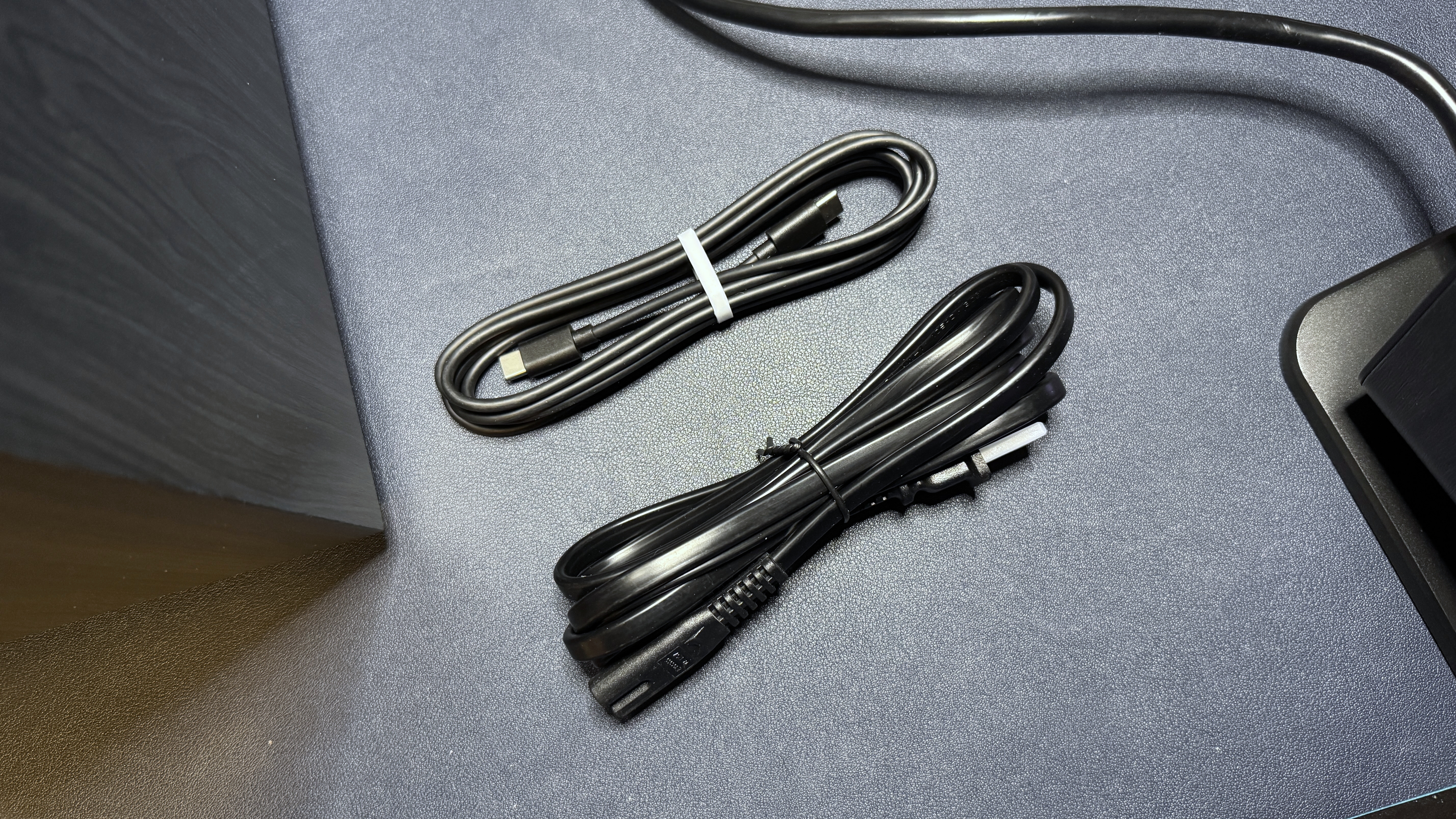
- Connectivity: The system supports USB-C, 3.5mm AUX, and Bluetooth 5.3, providing excellent versatility for modern devices. The inclusion of a USB-C charging passthrough on the left satellite is a nice touch for those looking to keep their peripherals powered.
Implications for the Market
At an MSRP of $380, the ProMedia Lumina sits in a difficult middle ground. It is too expensive to be a budget-friendly starter set, yet it lacks the low-end fidelity required to satisfy serious audio enthusiasts or bass-heavy gamers.
The market has shifted toward high-quality 2.0 bookshelf systems that offer superior acoustic range without the need for a subpar, proprietary subwoofer. Alternatively, competitors like the Razer Nommo V2 Pro—while often more expensive—offer a more cohesive, feature-rich gaming audio experience.
The decision to stick with proprietary DB9 cables is also a regression. In an age where modularity and repairability are becoming increasingly important to consumers, forcing a proprietary connection system on a $380 product is a limitation that may alienate the enthusiast crowd that originally built the ProMedia brand’s reputation.
Why You Can Trust Our Verdict
At Tom’s Hardware, our testing process is rigorous. We spend hours—often days—testing audio peripherals in a variety of environments, from quiet home offices to high-traffic test labs. We compare these products against the industry’s benchmarks, evaluating not just the "spec sheet" but the real-world performance, build quality, and value proposition. We don’t just listen to music; we test the limits of these speakers in competitive gaming, movie playback, and day-to-day productivity tasks to ensure that our recommendations are based on how these products will actually behave on your desk.
Final Verdict: Is the Lumina Worth It?
The Klipsch ProMedia Lumina 2.1 is a bittersweet entry in the company’s storied history. It succeeds in providing a stylish, well-built, and clear-sounding set of satellite speakers that would look great on any desk. The software integration is a massive leap forward from the "analog-only" days of the original ProMedia, and the connectivity options are modern and convenient.
However, the core promise of a 2.1 system is the subwoofer, and in that regard, the Lumina fails to impress. When the bass is the weakest link, the inclusion of a dedicated subwoofer becomes a liability rather than an asset.
Recommendation: If you are a fan of the Klipsch sound signature and appreciate the aesthetic, the Lumina is a competent, if overpriced, speaker set. However, for most users, we suggest looking toward high-quality 2.0 systems or exploring more integrated, punchier 2.1 alternatives. The Lumina is a beautiful piece of hardware that unfortunately forgets the "sub" in its 2.1 classification. It is a classic nameplate, but it doesn’t quite reach the heights of the legends that came before it.










No comments yet. Be the first to join the conversation!