


The Linux landscape is constantly shifting, with distribution maintainers striving to balance the cutting-edge nature of upstream software with the stability and usability required by everyday users. Fyra Labs has once again pushed the envelope with the release of Ultramarine Linux 44. Built firmly upon the foundation of Fedora 44, this release represents a significant evolution in the project’s mission to provide a polished, out-of-the-box experience that transcends the traditional "vanilla" Fedora setup.
With the integration of KDE Plasma 6.7 and a host of updates across its GNOME, Budgie, and Xfce editions, Ultramarine 44 is positioning itself as a primary contender for users who want Fedora’s robust backend combined with a more curated, user-centric front end.
Main Facts: What Defines Ultramarine 44?
At its core, Ultramarine Linux 44 is an operating system designed for those who appreciate the reliability of the Fedora project but seek a more refined desktop experience. The distribution arrives with several key technical pillars:
- Upstream Foundation: By leveraging Fedora 44, the distribution benefits from the latest kernel technologies and security updates inherent in the Red Hat-backed ecosystem.
- Diverse Desktop Environments: The release offers four distinct flavors: KDE Plasma 6.7, GNOME 50, Budgie 10.10, and Xfce 4.20.
- Kernel Core: The distribution ships with the Linux kernel 7.0.14, ensuring broad hardware compatibility and performance optimizations.
- Theme and Workflow Enhancements: Across all editions, Fyra Labs has implemented proprietary "tweaks" and design choices intended to reduce the "first-run friction" typically associated with stock Linux installs.
The standout feature of this release is the KDE Plasma 6.7 edition. It introduces the new "Union" theme engine, which promises a cohesive visual language across the desktop. For users migrating from Windows or macOS, this level of polish—coupled with the underlying power of the Plasma environment—makes Ultramarine a compelling daily driver.
Chronology of Development
The journey to Ultramarine 44 was not merely a re-packaging of Fedora; it was a multi-month effort by the Fyra Labs team to align their release cycle with the aggressive pace of the upstream project while adding value-added components.

Phase 1: Integration and Testing
Following the announcement of Fedora 44, the Fyra Labs developers began the integration phase. This involved stabilizing the KDE Plasma 6.7 integration, which is no small feat given the complexity of the Wayland compositor implementation within the Plasma desktop.
Phase 2: The Budgie Transition
A critical point in the development timeline was the decision to move the Budgie edition to Wayland. Budgie, historically a GTK-based environment, has been undergoing a transition period. By adopting Wayland as the default display server for Budgie 10.10, the developers had to ensure that the transition was seamless for the end user. This necessitated the migration to the SDDM (Simple Desktop Display Manager), a move that, while requiring a manual intervention for existing users, significantly improves stability and modernizes the login experience.
Phase 3: Final Polish and QA
The final weeks leading up to the release were dedicated to refining the "Taidan" out-of-box experience tool and finalizing the Nix package manager integration. By enabling um tweaks enable nix, users can now tap into the massive repository of the Nix ecosystem directly within their Fedora-based environment—a feature that highlights the versatility of Ultramarine.
Supporting Data: Edition-Specific Features
Ultramarine 44 is not a "one size fits all" distribution. The developers have invested specific time into tailoring each desktop experience:
The KDE Plasma 6.7 Experience
The Plasma edition is the flagship for this release. It includes:
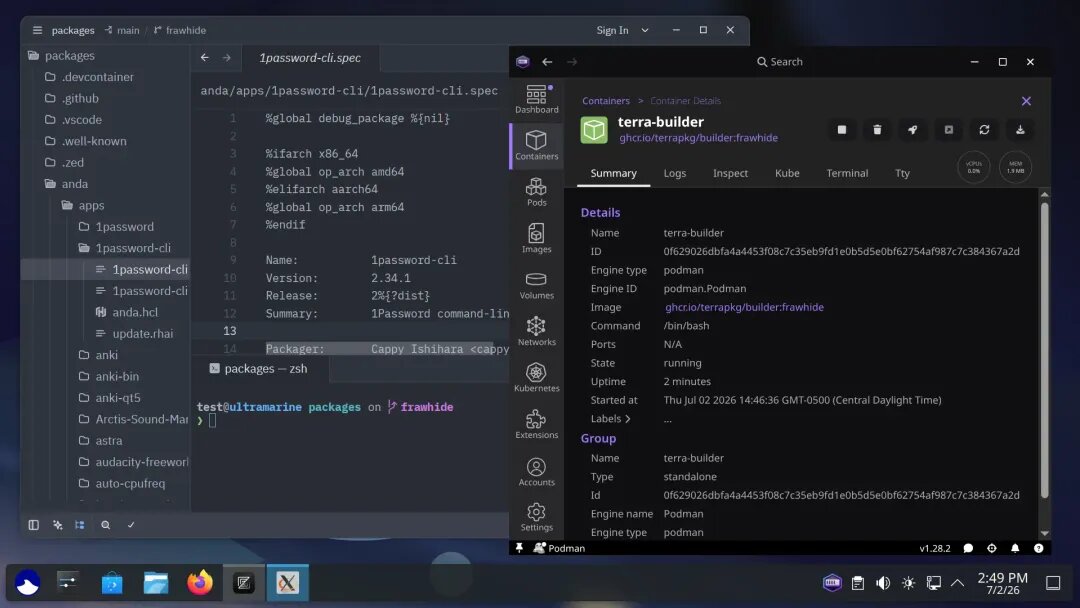
- KDE Gear 26.04.2: Providing the latest suite of KDE-native applications.
- KDE Frameworks 6.27: Ensuring deep integration and stability for all Plasma-based widgets and services.
- Performance Tuning: Pre-configured settings to reduce resource overhead, making the desktop feel snappier on both high-end hardware and older laptops.
The GNOME 50 Refinements
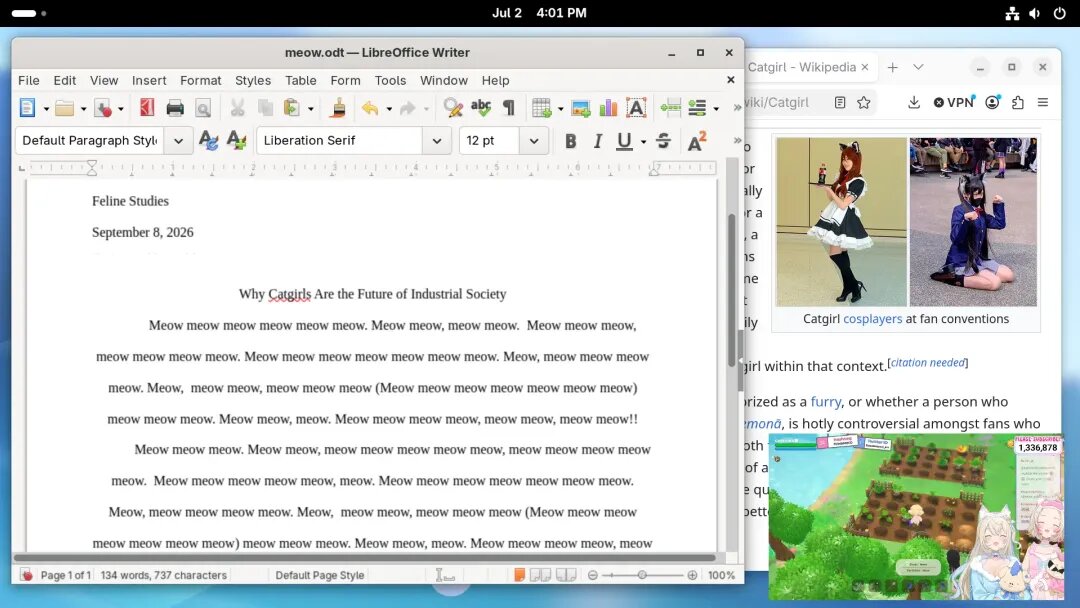
For those who prefer the GNOME workflow, the GNOME 50 edition introduces several long-requested quality-of-life improvements:
- Window Management: Improved ergonomics for managing application windows.
- Productivity Tweaks: Default activation of minimize/maximize buttons, a battery percentage indicator, and an integrated calculator within the overview search.
- Notification Cleanup: The removal of the intrusive "Window is ready" notification, which has been a point of contention for many power users.
The Budgie and Xfce Variants
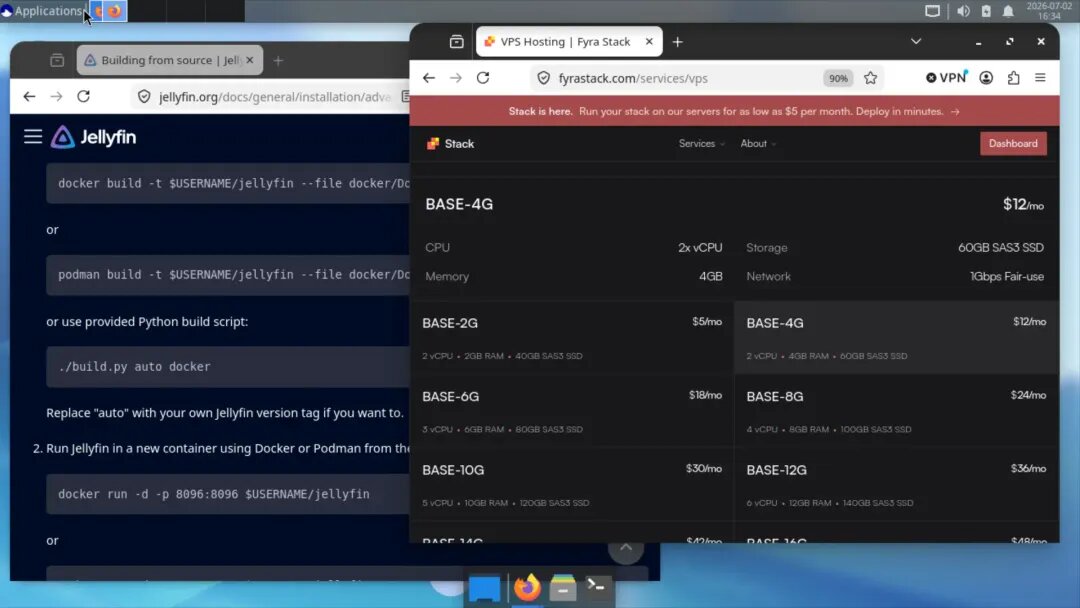
The Budgie 10.10 edition marks a turning point with its Wayland adoption and the inclusion of a new, native Bluetooth management app. Meanwhile, the Xfce 4.20 edition remains the go-to for users with legacy hardware, providing a lightweight, stable, and highly performant desktop that stays out of the user’s way.
Official Responses and Strategic Direction
In a blog post detailing the release, the team at Fyra Labs underscored a shift in their philosophy: "Faster feature delivery."
Historically, many Linux distributions adhere strictly to a twice-a-year release cycle, often holding back features until the next major point release. Fyra Labs is changing this by promising to roll out new features as soon as they are tested and validated.
"Our users shouldn’t have to wait six months for a feature that is ready today," the development team noted. This shift is expected to manifest in the coming summer, with the introduction of new hardware ports and the highly anticipated public preview of the Atomic Edition of Ultramarine. The Atomic Edition will likely focus on an immutable filesystem architecture, similar to Fedora Silverblue, offering a more robust and atomic update mechanism.
Furthermore, the team is actively developing a conversion script to transform Asahi Linux installations on Apple Silicon Macs into Ultramarine Linux, as well as specific support for ASUS ROG handheld devices. These moves signal a broader ambition: to be the most hardware-agnostic, user-friendly Fedora derivative available.
Implications: The Future of the "Fedora Spin" Ecosystem
The success of Ultramarine Linux 44 has broader implications for the Linux ecosystem. It proves that there is a significant market for distributions that act as "curated Fedora experiences." By handling the configuration, theme integration, and specialized hardware support that the upstream Fedora project often leaves to the user, Fyra Labs is effectively lowering the barrier to entry for the Linux desktop.
Impact on Hardware Compatibility
The focus on Raspberry Pi, Apple Silicon (via Asahi), and handheld gaming PCs like the ROG Ally puts Ultramarine in direct competition with niche distributions. By providing a stable, Fedora-based environment for these platforms, Fyra Labs is creating a bridge between bleeding-edge hardware and reliable, enterprise-grade software.
The "Nix" Factor
The decision to simplify the integration of the Nix package manager is particularly noteworthy. It suggests a future where traditional package managers (like DNF) and functional package managers (like Nix) can coexist peacefully on the same desktop. This "best of both worlds" approach could define the next generation of Linux desktop usage.
Sustainability of the Project
While the shift to a faster release cadence is beneficial for users, it places a heavy burden on the maintainers. The success of Ultramarine 44 will ultimately depend on whether the team can maintain this pace without sacrificing the stability that users expect. The move to manual instructions for the SDDM transition in the Budgie edition is a reminder that, despite the "out-of-the-box" focus, advanced Linux management still requires a degree of user agency.
Conclusion: Is Ultramarine 44 for You?
Ultramarine Linux 44 is an impressive release that successfully balances innovation with usability. Whether you are a fan of the modern, fluid animations of KDE Plasma 6.7, the focused productivity of GNOME, or the lightweight speed of Xfce, this distribution offers a compelling reason to switch.
By leveraging the rock-solid base of Fedora 44 and augmenting it with thoughtful, user-requested features, Fyra Labs has created a distribution that feels less like a technical project and more like a finished product. As the project moves toward its goal of delivering faster updates and expanding into the Atomic/Immutable space, it is clear that Ultramarine is not just following the Fedora trend—it is helping to define it.
For those ready to make the jump, the official images are now available for download. Whether you are installing it on a high-performance workstation, an Apple Silicon Mac, or a handheld gaming PC, Ultramarine 44 offers a fresh, powerful, and remarkably polished experience that stands as a testament to the power of open-source collaboration.











